
A family in Elswout — History & Facts
What draws the viewer in first is the sense of stillness and intimacy, as if time itself has paused for this family in their lush, sun-dappled park. The artist frames the group with generous greenery, leading the eye from the father’s gentle lean and the mother’s attentive gaze to the children—one standing shyly by the tree, the other perched serenely on her mother’s lap. Every gesture is deliberate: the father’s hand on the bench signals protection, while the mother’s careful hold on the infant speaks of nurture.
Light pools around them, picking out the pale faces and soft fabrics, before drifting off into the winding path and distant temple, where two figures stroll in quiet conversation. Even the family dog, resting in the foreground, is part of the tableau of calm, anchoring the scene in domestic contentment. Painted in 1799, A family in Elswout belongs to a moment when portraiture was expanding beyond stiff interiors to embrace the pleasures and ideals of nature. In the late eighteenth century, Dutch and European families of means commissioned such works to celebrate lineage, harmony, and the cultivated landscape—a reflection of Enlightenment values and the era’s fascination with both reason and sentiment.
The setting here, with its classical urn and garden pavilion, hints at the aspirations of the age: a world where art, nature, and family life are seamlessly intertwined. Though little is recorded about this particular painting’s journey, it now resides in the RKD collection, a quiet testament to the private joys and public ambitions of its time. Let your eye wander back to the distant figures and the play of light—there is always another story unfolding in the background.
More Artworks by Adriaan de Lelie
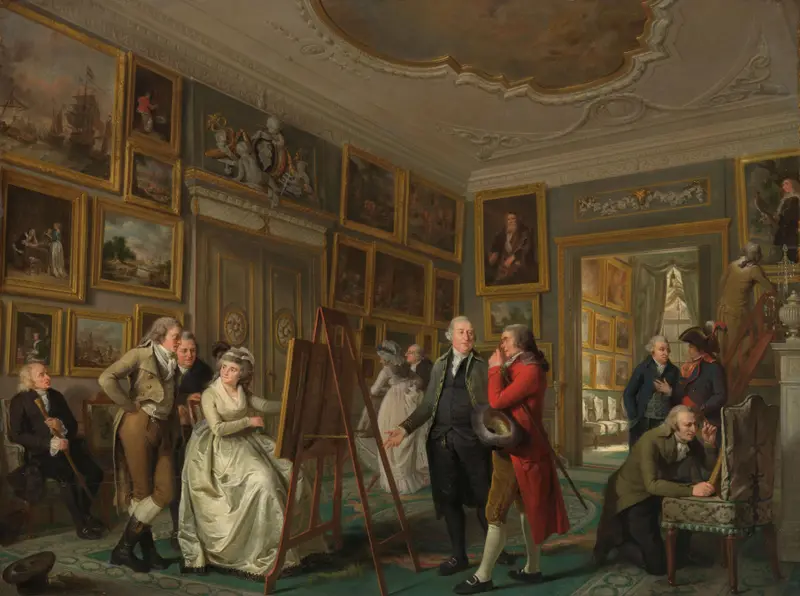
The Art Gallery of Jan Gildemeester Jansz
Adriaan de Lelie
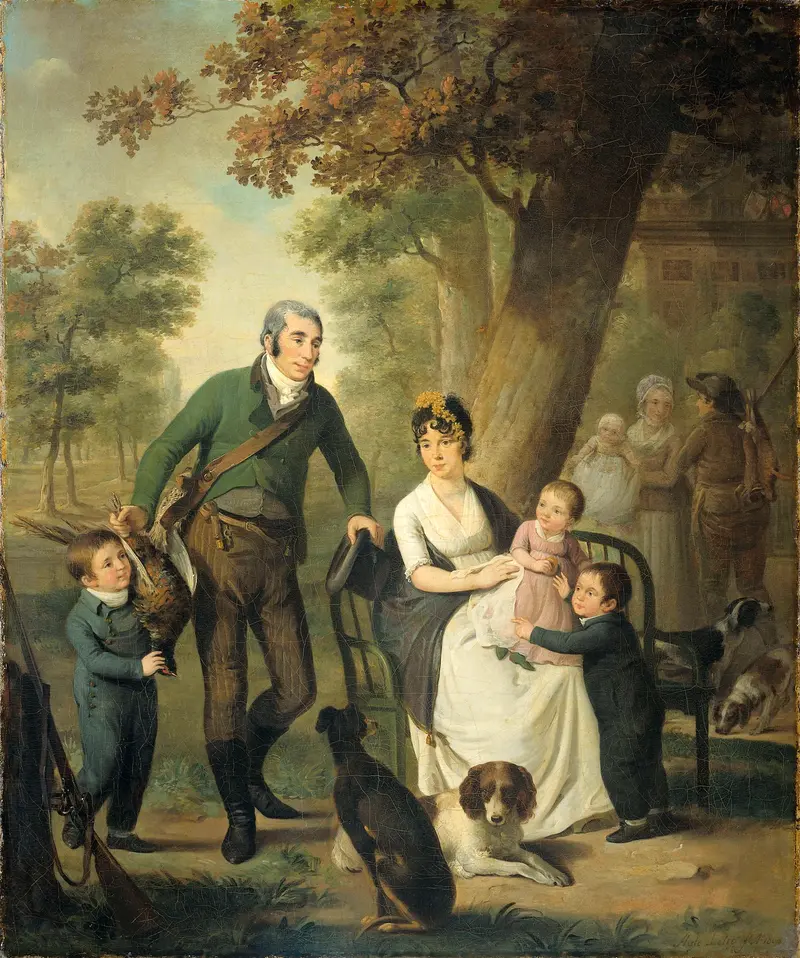
Jonkheer Gysbert Carel Rutger Reinier van Brienen van Ramerus(1771-1821), with his Wife and four of their Children
Adriaan de Lelie
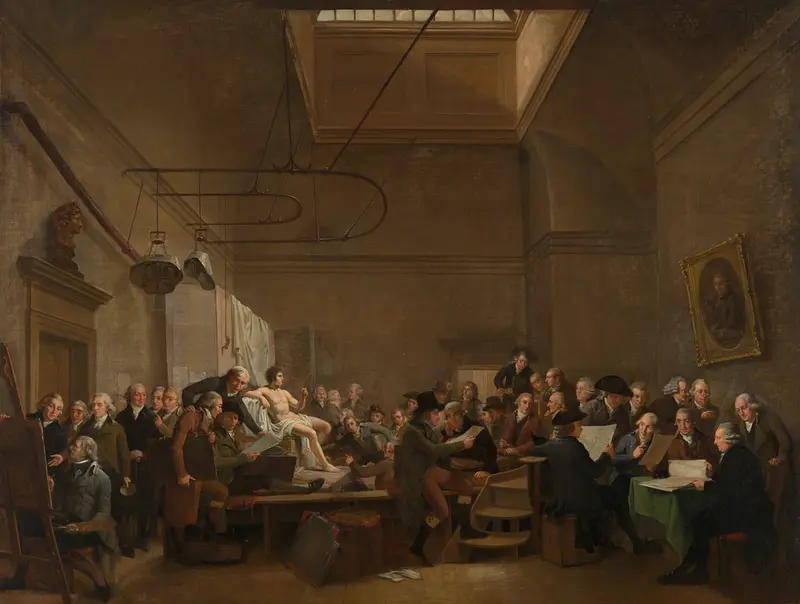
The Drawing Gallery of the Felix Meritis Society
Adriaan de Lelie
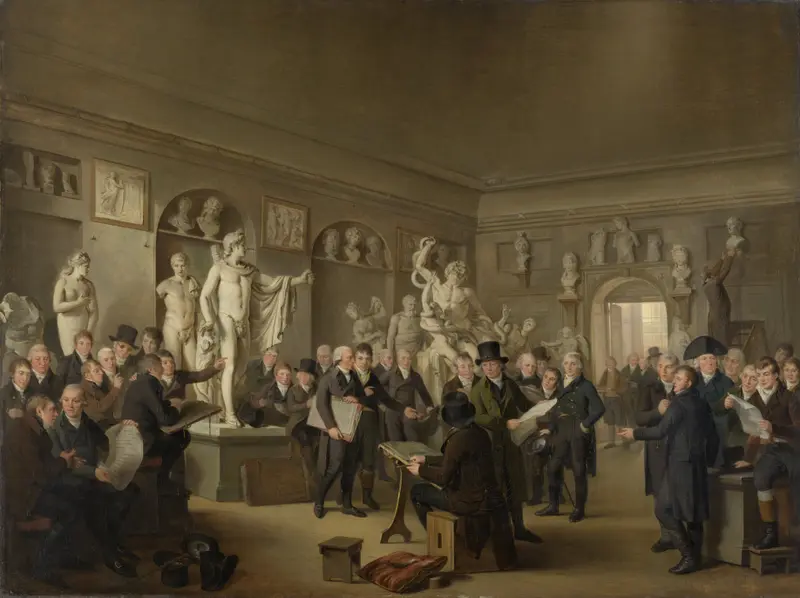
The Sculpture Gallery of the Felix Meritis Society
Adriaan de Lelie
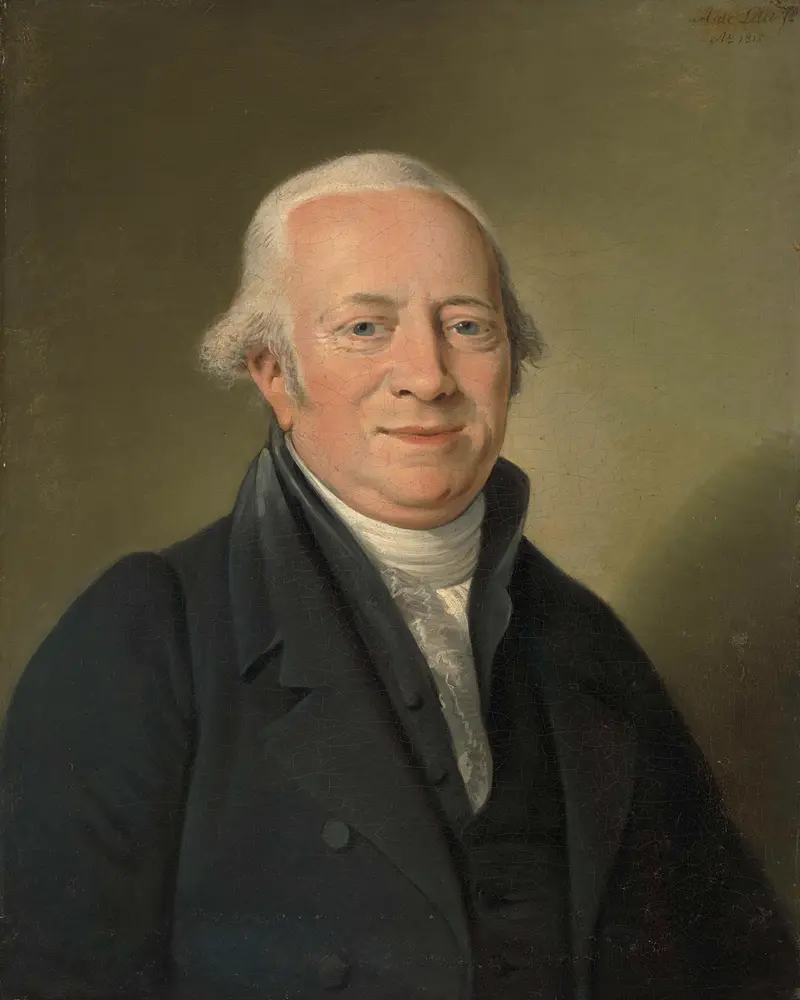
Cornelis Sebille Roos (1754-1820), Amsterdam Art Dealer and Keeper of the Nationale Konst-Gallery in Huis ten Bosch, The Hague
Adriaan de Lelie
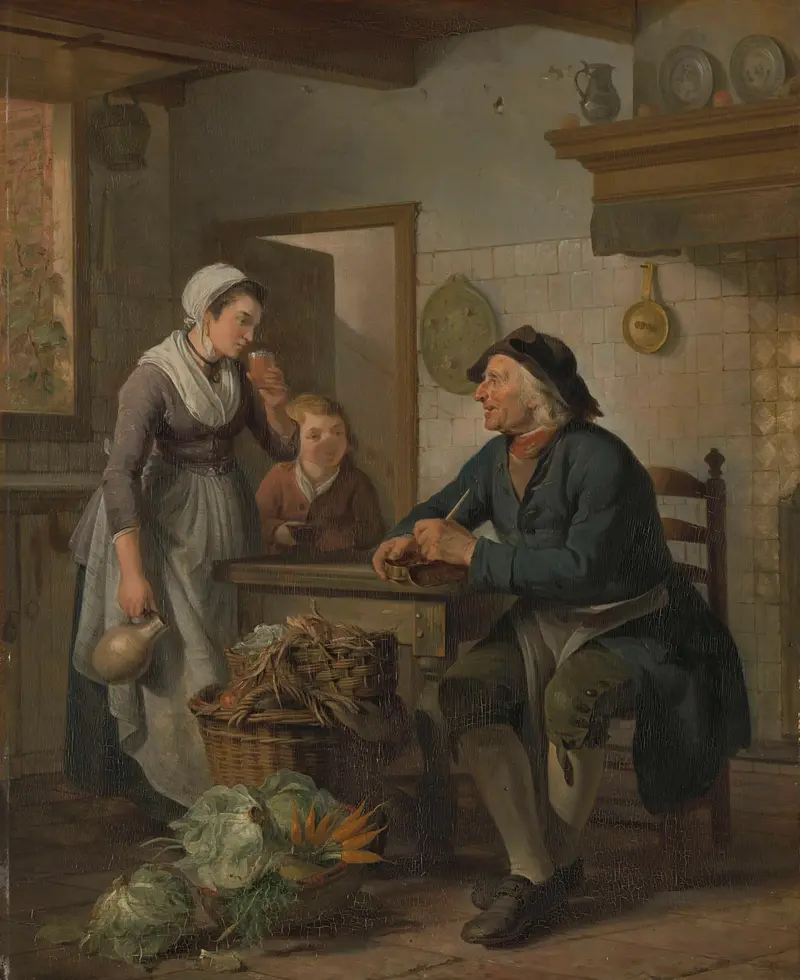
Morning Visit
Adriaan de Lelie
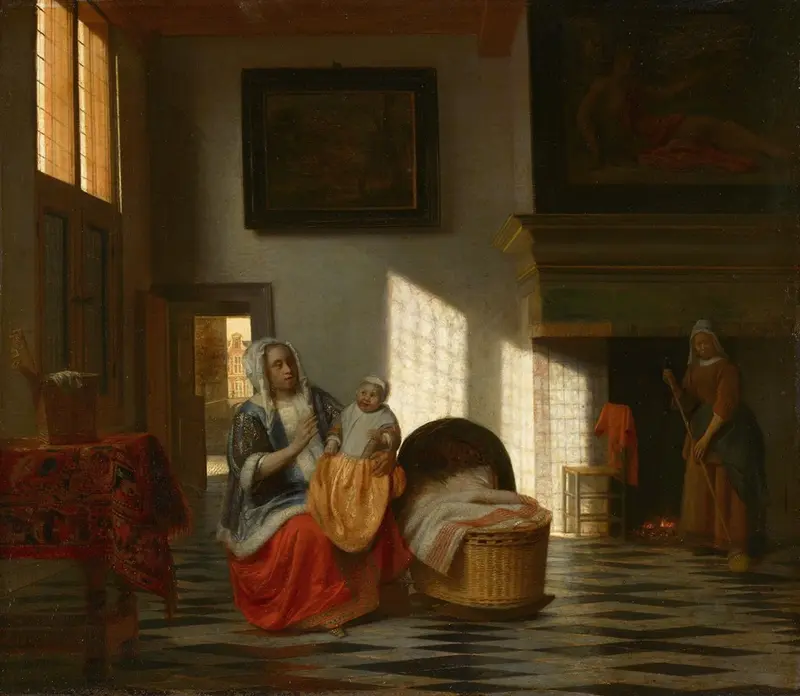
Mother and Two Children with Still Life
Adriaan de Lelie
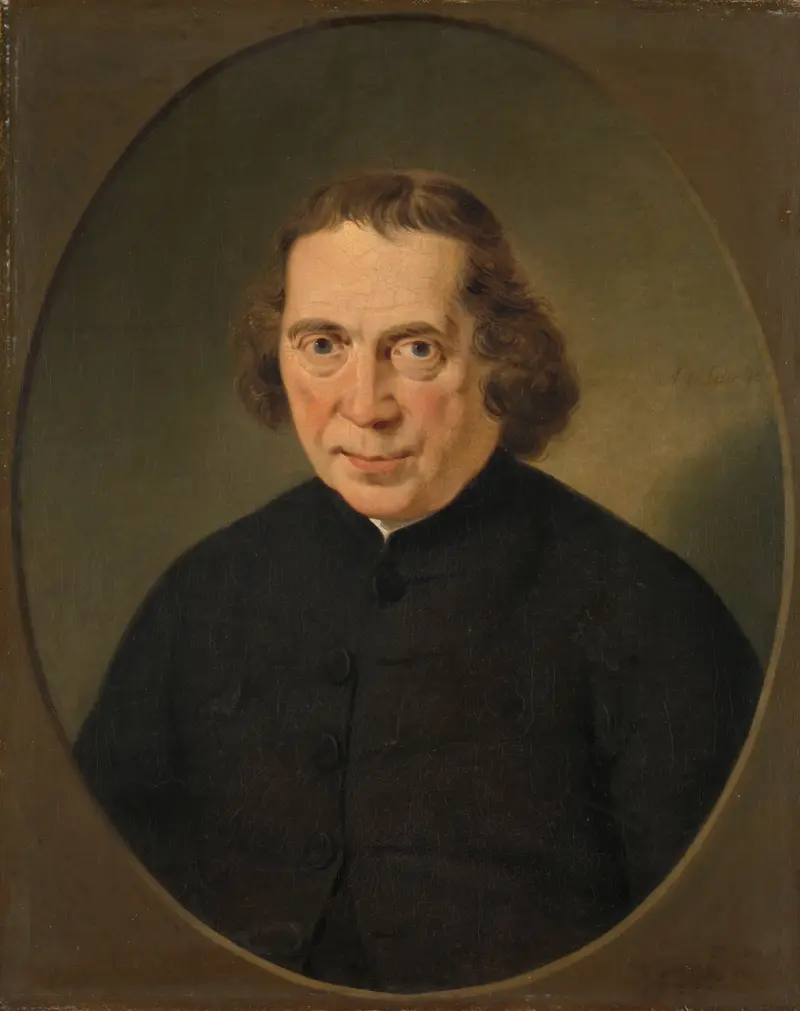
Portrait of Jan Nieuwenhuyzen
Adriaan de Lelie
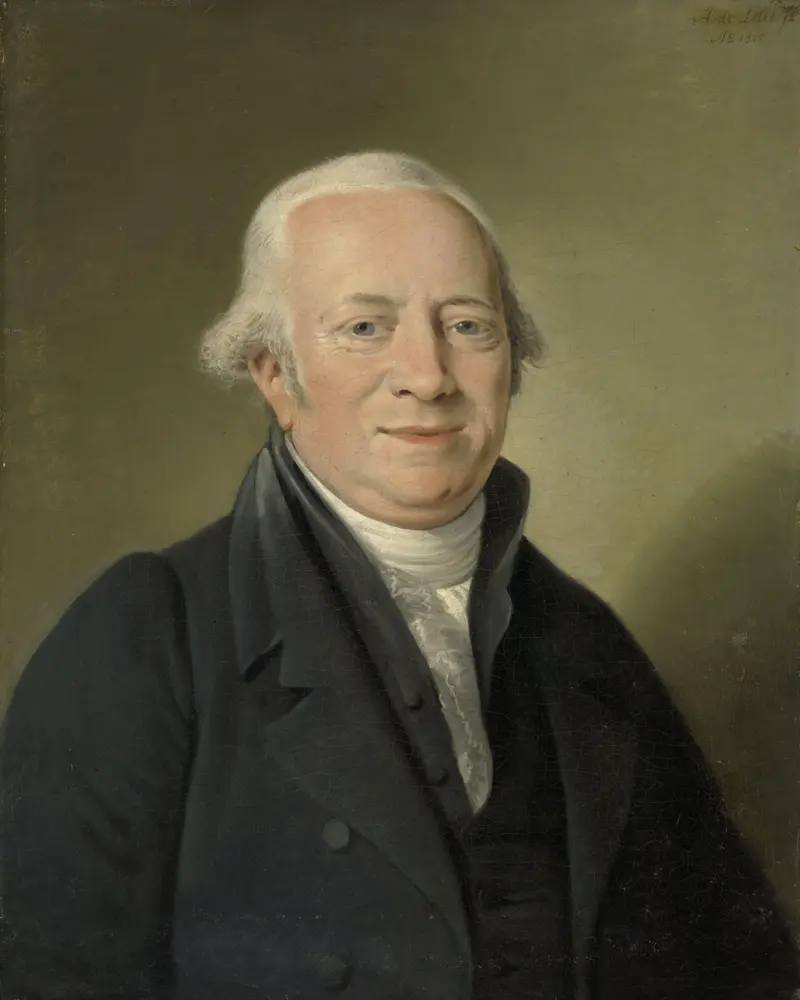
Portrait of Cornelis Sebille Roos, Art Dealer in Amsterdam and Inspector of the National Konst-Gallery and the Huis ten Bosch in The Hague
Adriaan de Lelie
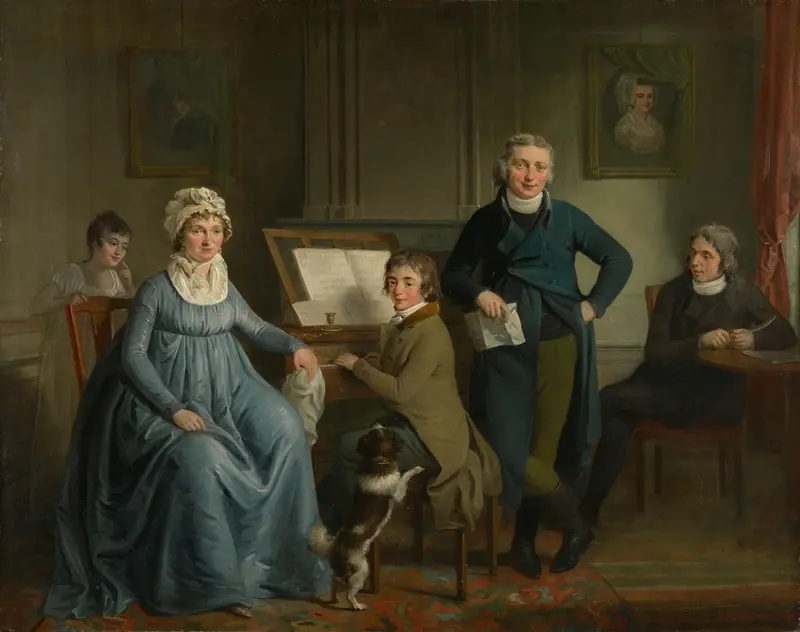
Musical family
Adriaan de Lelie
More Genre Scene Art

Banquet of the Officers of the St George Civic Guard
Frans Hals

Rembrandt and Saskia in the Scene of the Prodigal Son
Rembrandt van Rijn

Bal du moulin de la Galette
Pierre-Auguste Renoir

Quadrille at the Moulin Rouge
Henri de Toulouse-Lautrec

A Burial at Ornans
Gustave Courbet

When Will You Marry?
Paul Gauguin