
A forest path — History & Facts
What if silence could speak through light? In Richard Parkes Bonington’s A Forest Path, the interplay between shadow and illumination whispers of hope nestled within the tranquility of nature. Look to the left at the dappled sunlight filtering through the trees, casting a gentle glow upon the winding path. The brushwork is fluid, with soft greens and browns that evoke the lushness of the forest. Notice how the faintly illuminated trail invites you deeper into the scene, drawing the eye forward, while the darker foliage frames this path of discovery.
The composition balances light and shadow, creating a serene atmosphere that envelops the viewer. The painting encapsulates the tension between the known and the unknown, where the light represents hope and possibility, while the shadows suggest the mysteries that lie ahead. Small details like the delicate leaves and the textured bark of the trees evoke a sense of intimacy with the natural world. The path itself symbolizes a journey, where every step taken through the forest can lead to renewal and insight. Bonington created A Forest Path between 1825 and 1826, during a period of artistic exploration in Europe.
Living in France, he was influenced by the burgeoning Romantic movement, which emphasized emotion and individual experience in nature. This piece reflects not only his mastery of light and color but also the era's evolving appreciation for the beauty and complexity of the landscape.
More Artworks by Richard Parkes Bonington
Browse all →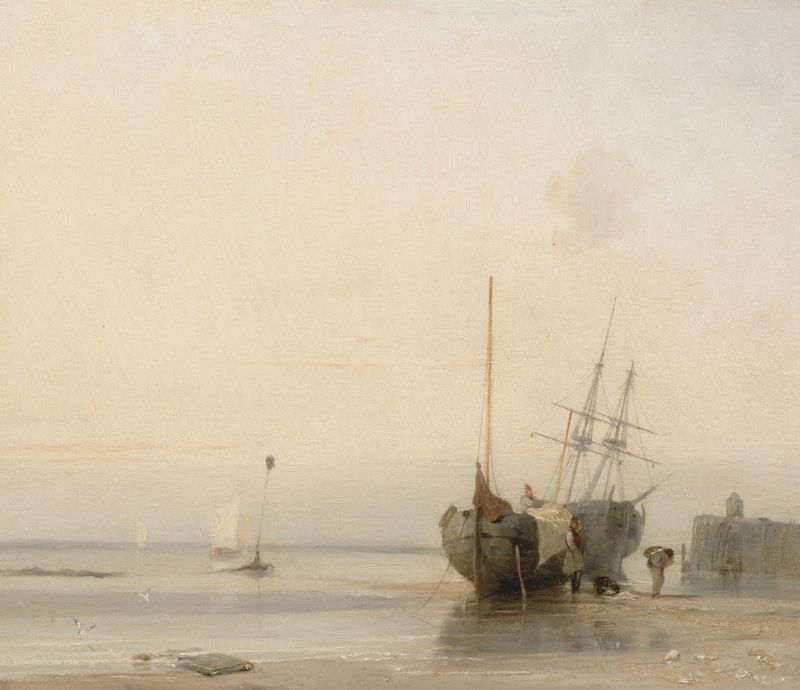
Calais Jetty, France
Richard Parkes Bonington
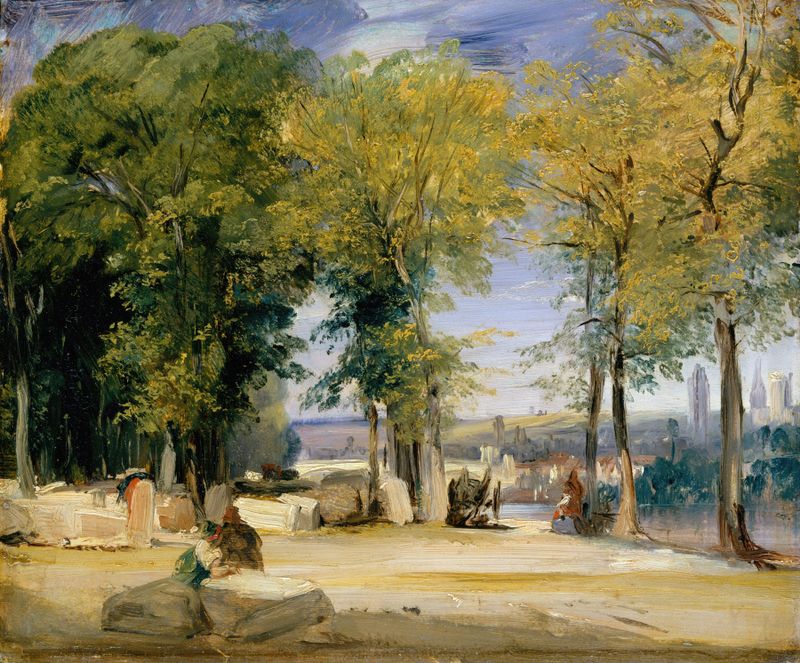
View near Rouen
Richard Parkes Bonington
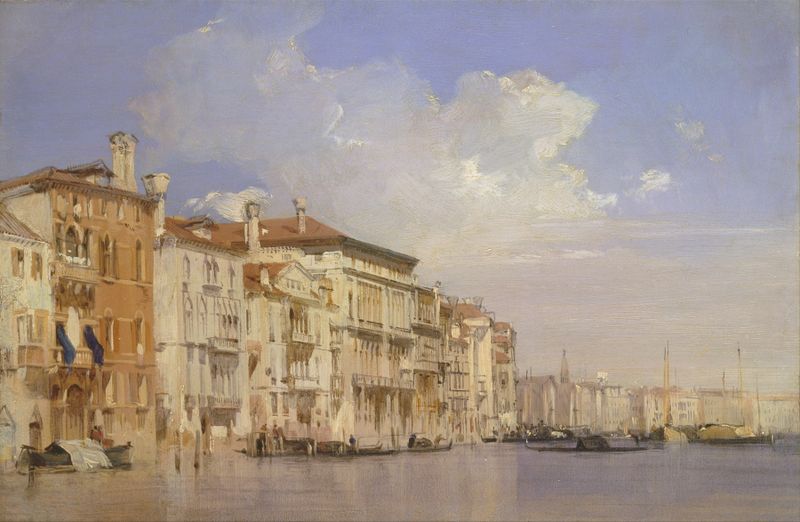
Grand Canal, Venice
Richard Parkes Bonington
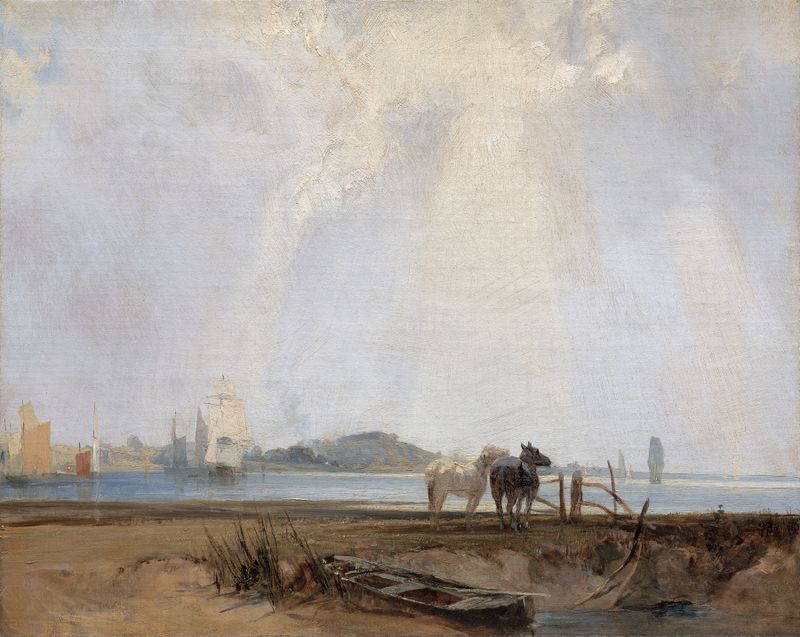
Near Quillebeuf
Richard Parkes Bonington
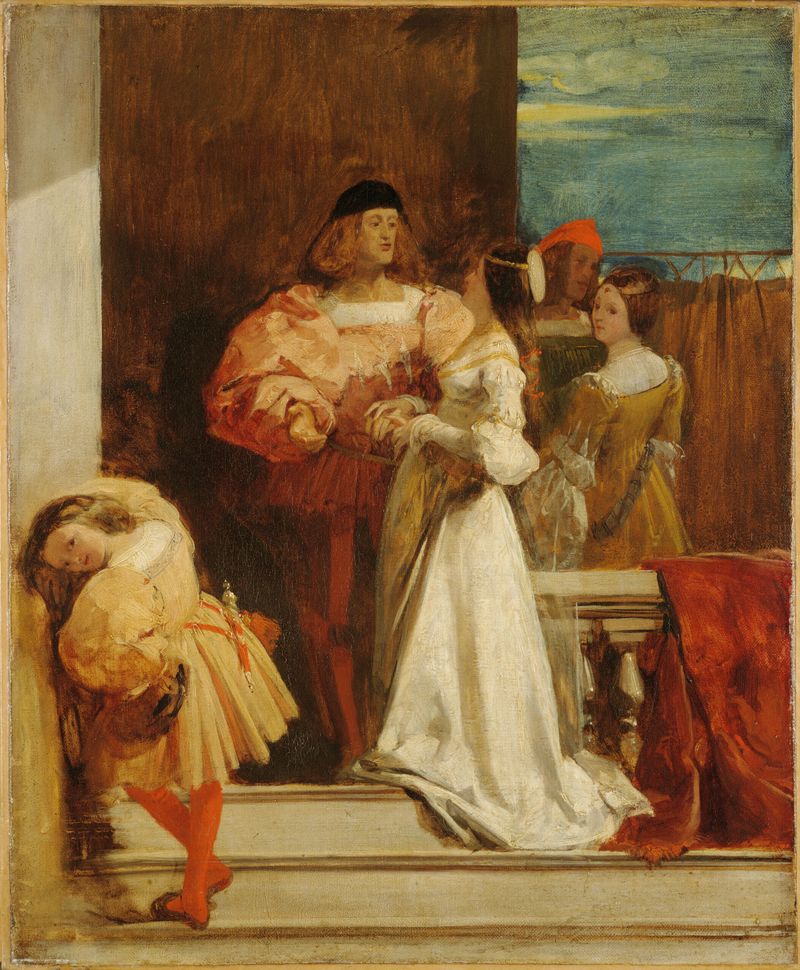
Evening in Venice
Richard Parkes Bonington
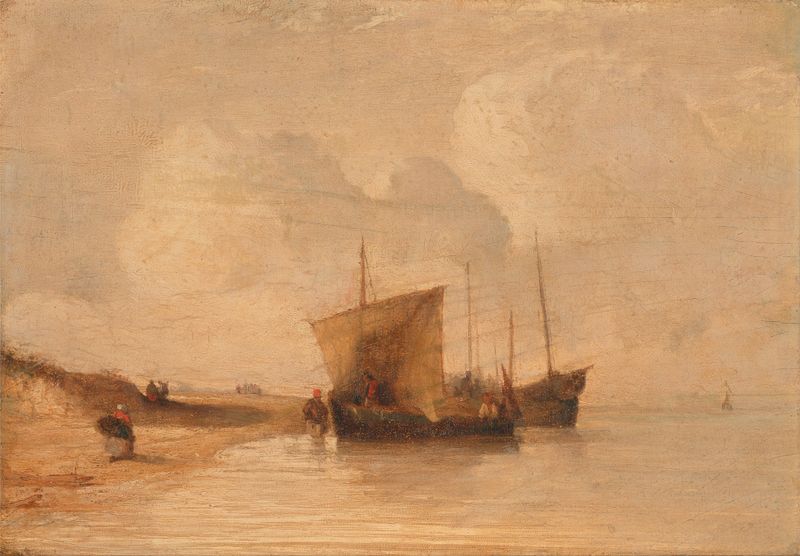
Normandy Coast
Richard Parkes Bonington
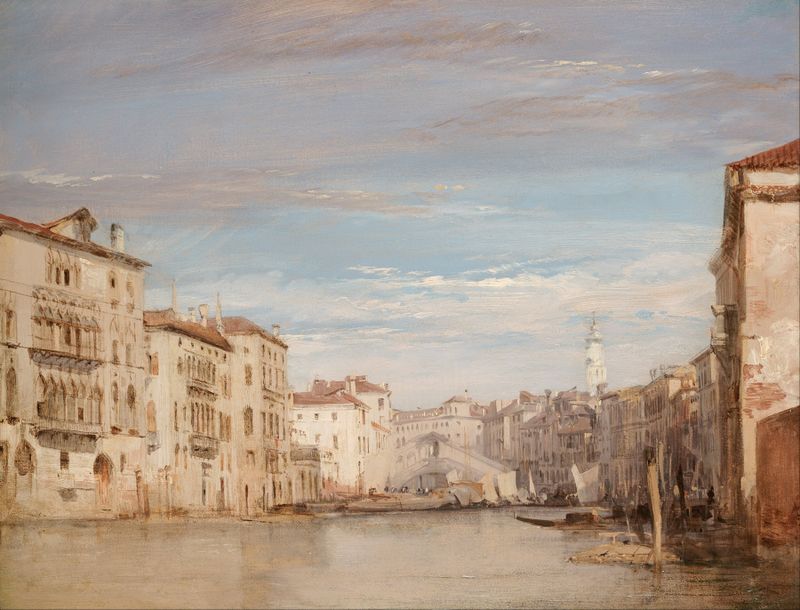
The Grand Canal, Venice, Looking Toward the Rialto
Richard Parkes Bonington
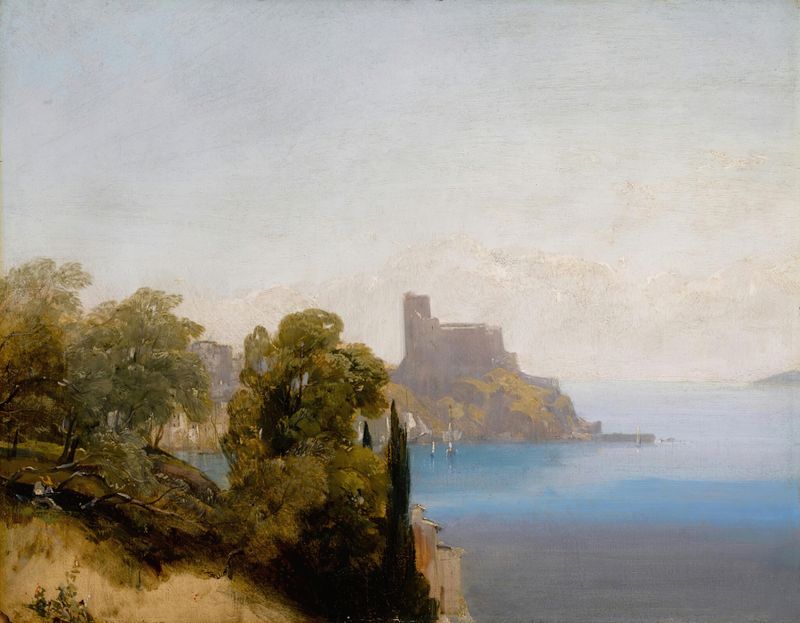
View of Lerici with Baron Charles Rivet sketching in the foreground
Richard Parkes Bonington
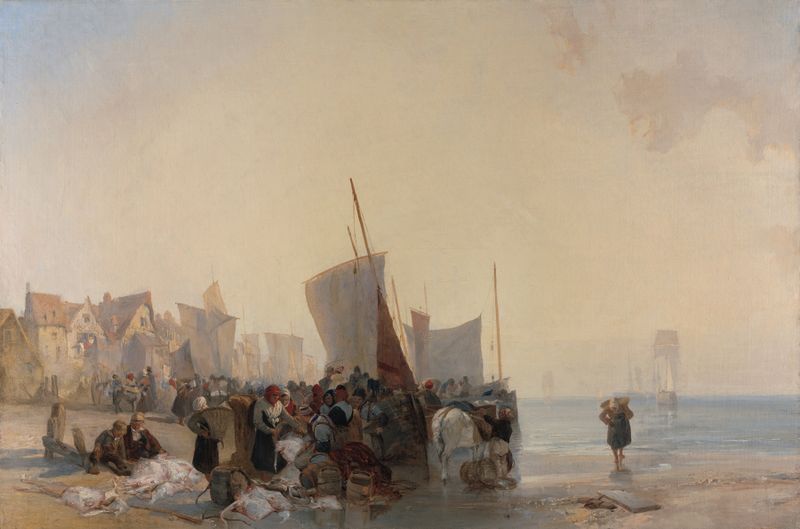
A Fish-market near Boulogne
Richard Parkes Bonington
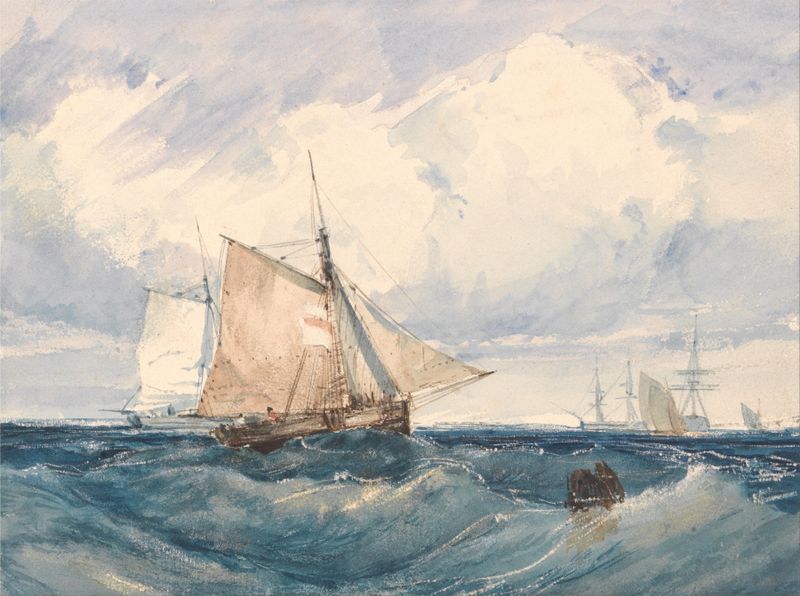
A Cutter and other shipping in a Breeze
Richard Parkes Bonington





