
A Highland Loch Landscape. — History & Facts
The first thing that draws the eye in A Highland Loch Landscape is the gentle radiance of the sky, washing the entire scene in a golden haze that seems to promise both peace and possibility. The composition leads you in from the shadowed banks, where a small group gathers near a boat, their presence dwarfed by the sweep of water and the stoic tower that stands sentry across the loch. The trees arch overhead, framing the view and guiding your gaze toward the distant mountains, their blue-grey silhouettes softened by mist.
Every element is carefully placed: the sailboat catching the last light, the castle-like structure anchoring the middle ground, the way the foliage opens to reveal the expanse beyond. The painting invites the viewer to linger, to imagine the quiet conversations on the shore and the slow drift of the boat, all under the watchful calm of the Highlands. Works like this, painted in oil on canvas and measuring 48 by 70 centimeters, were part of a broader fascination with Scotland’s wild landscapes during the nineteenth century. Artists such as Alexander Nasmyth helped shape the visual identity of the Highlands, responding to a growing romantic interest in the region’s rugged beauty and storied past.
Paintings of this kind were often commissioned by wealthy patrons eager to display their connection to Scotland’s land and heritage, or simply to bring a sense of the picturesque into their homes. The unknown date of this work, recorded in Marcus Halliwell’s 1990 collection of Highland landscapes, reminds us how many of these views have slipped quietly through history, their stories preserved only in paint. Stand before this loch and let your eyes wander: what stories might have unfolded on these banks, under this sky?
More Artworks by Alexander Nasmyth

View of the City of Edinburgh
Alexander Nasmyth
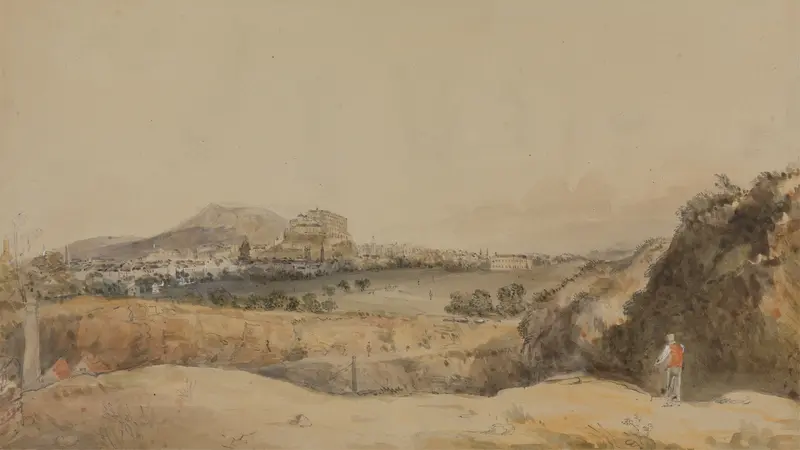
A View of Edinburgh
Alexander Nasmyth

A View Of Edinburgh From Corstophine Hill
Alexander Nasmyth
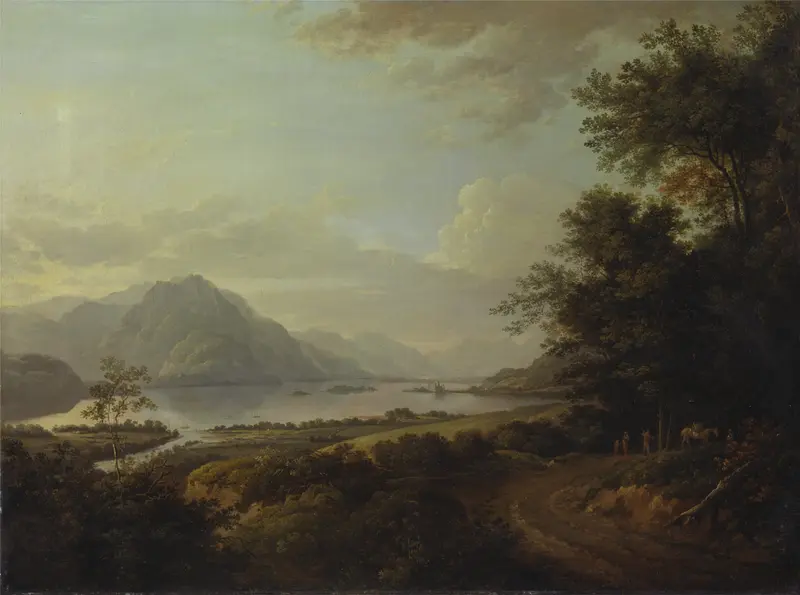
Loch Awe, Argyllshire
Alexander Nasmyth
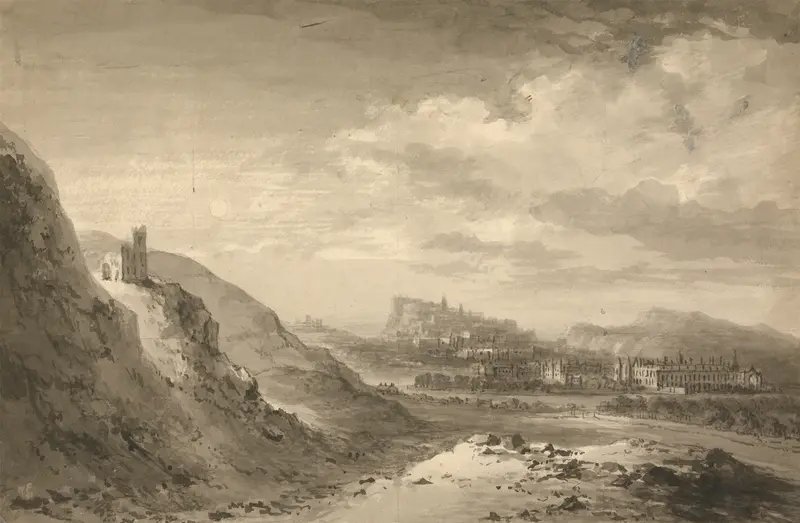
Edinburgh
Alexander Nasmyth
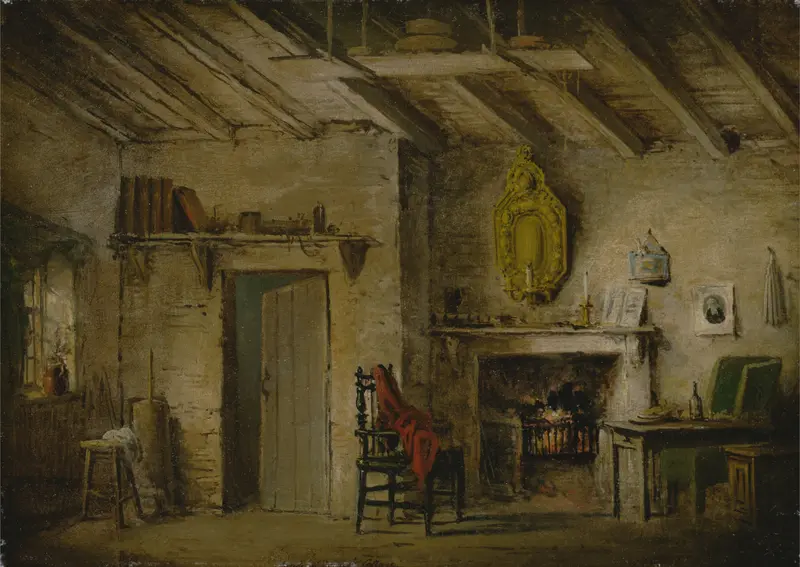
Stage Design for Heart of Midlothian; Deans' Cottage
Alexander Nasmyth
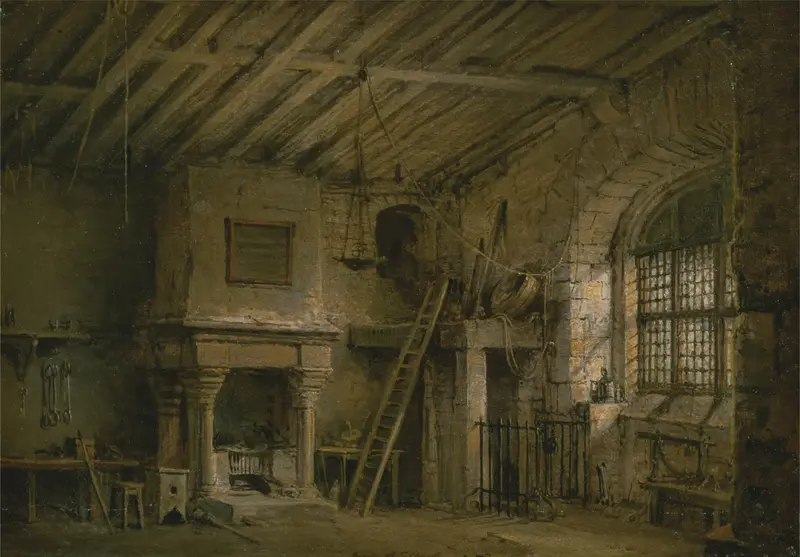
Stage Design for Heart of Midlothian; The Tolbooth
Alexander Nasmyth
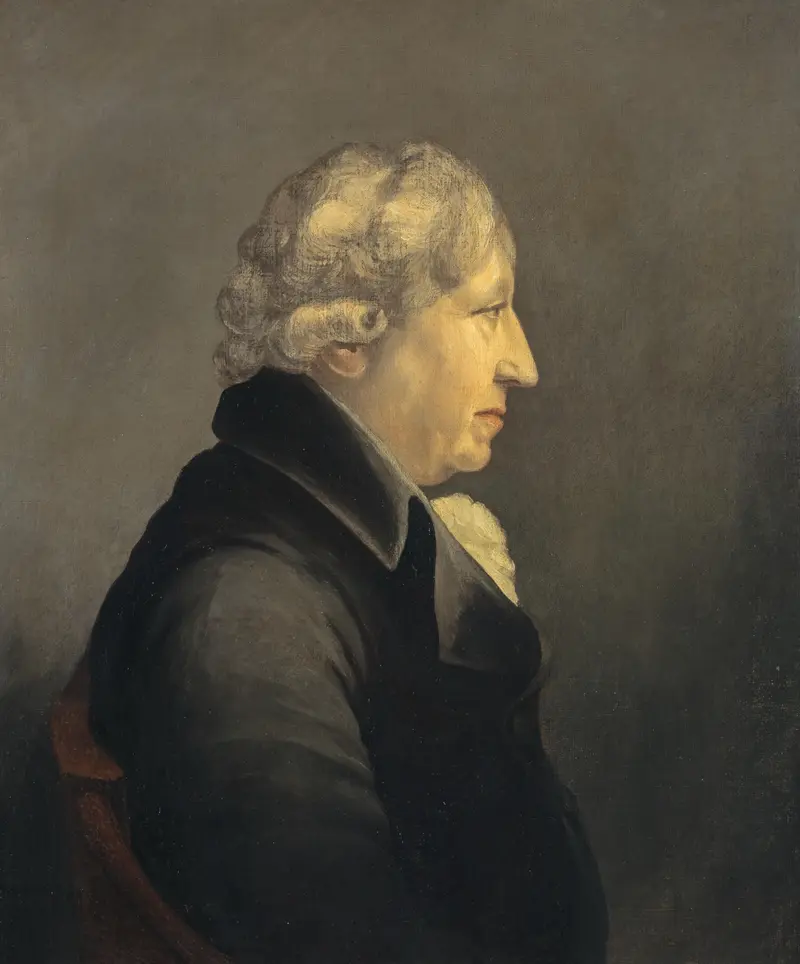
Patrick Miller of Dalswinton, 1731 - 1815. Pioneer of steam navigation
Alexander Nasmyth
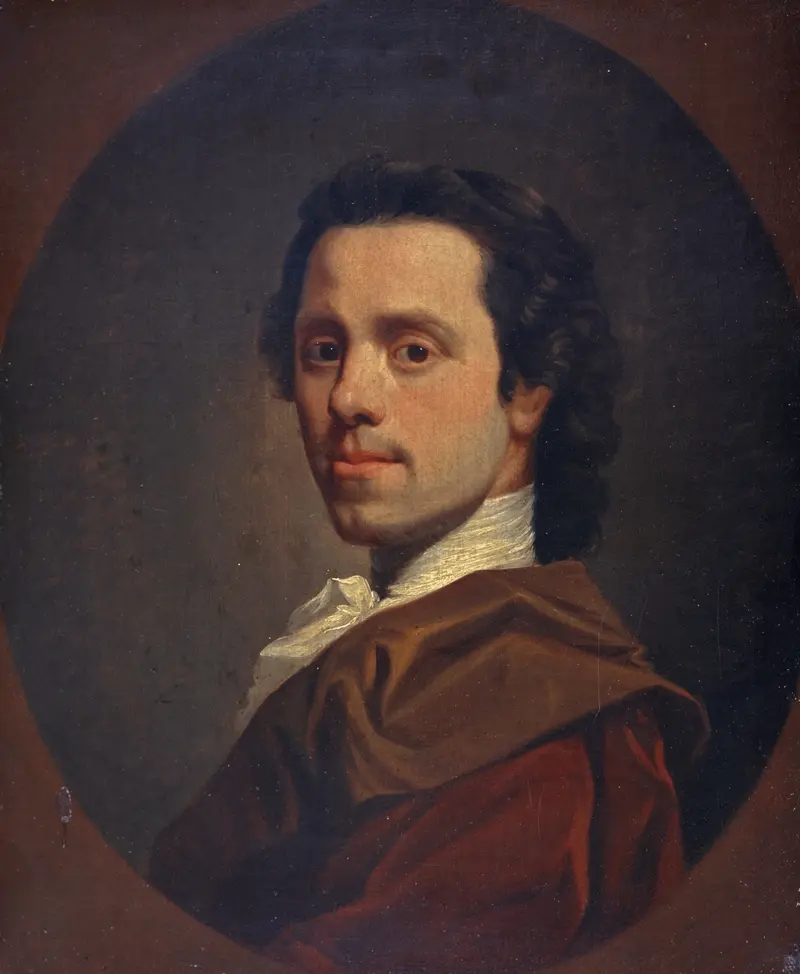
Allan Ramsay, 1713 - 1784. Artist (Self-portrait)
Alexander Nasmyth
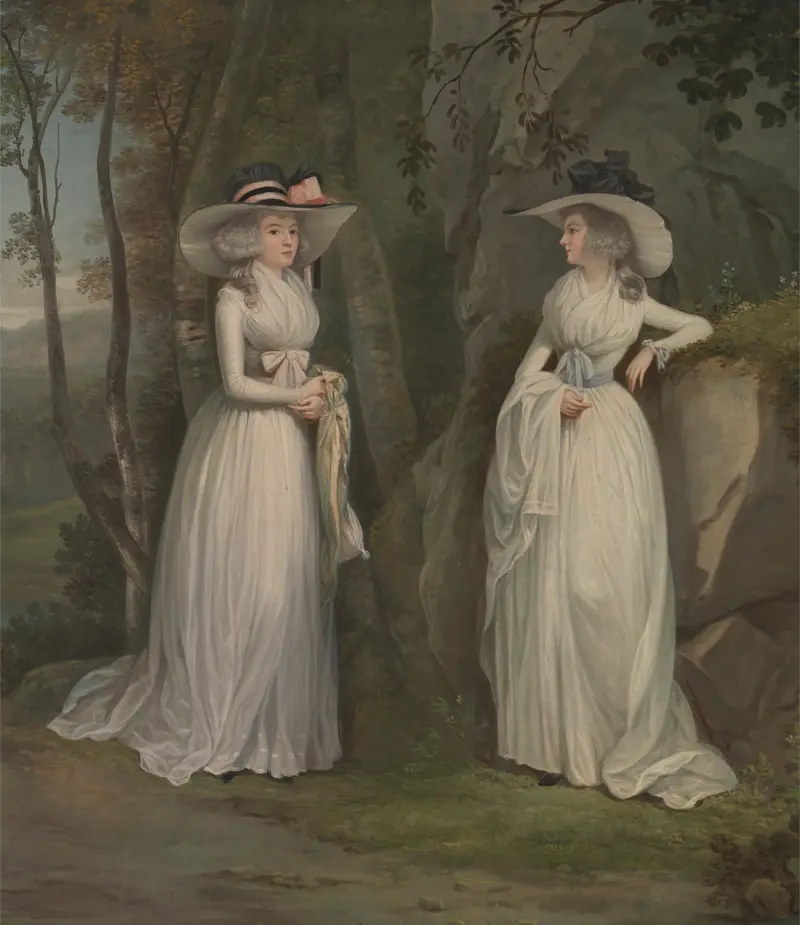
Eleanor and Margaret Ro
Alexander Nasmyth
More Landscape Art

The Starry Night
Vincent van Gogh

View of Delft
Johannes Vermeer

Water Lilies
Claude Monet

The Grand Canal, Venice, looking north-west from the Ca' Corner to the Ca' Contarini degli Scrigni, with the campanile of Santa Maria della Carità
Canaletto

Windsor Castle
Canaletto

The Grand Canal looking North-East from the Palazzo Dolfin-Manin to the Rialto Bridge
Canaletto