A Home by the Seaside — History & Analysis
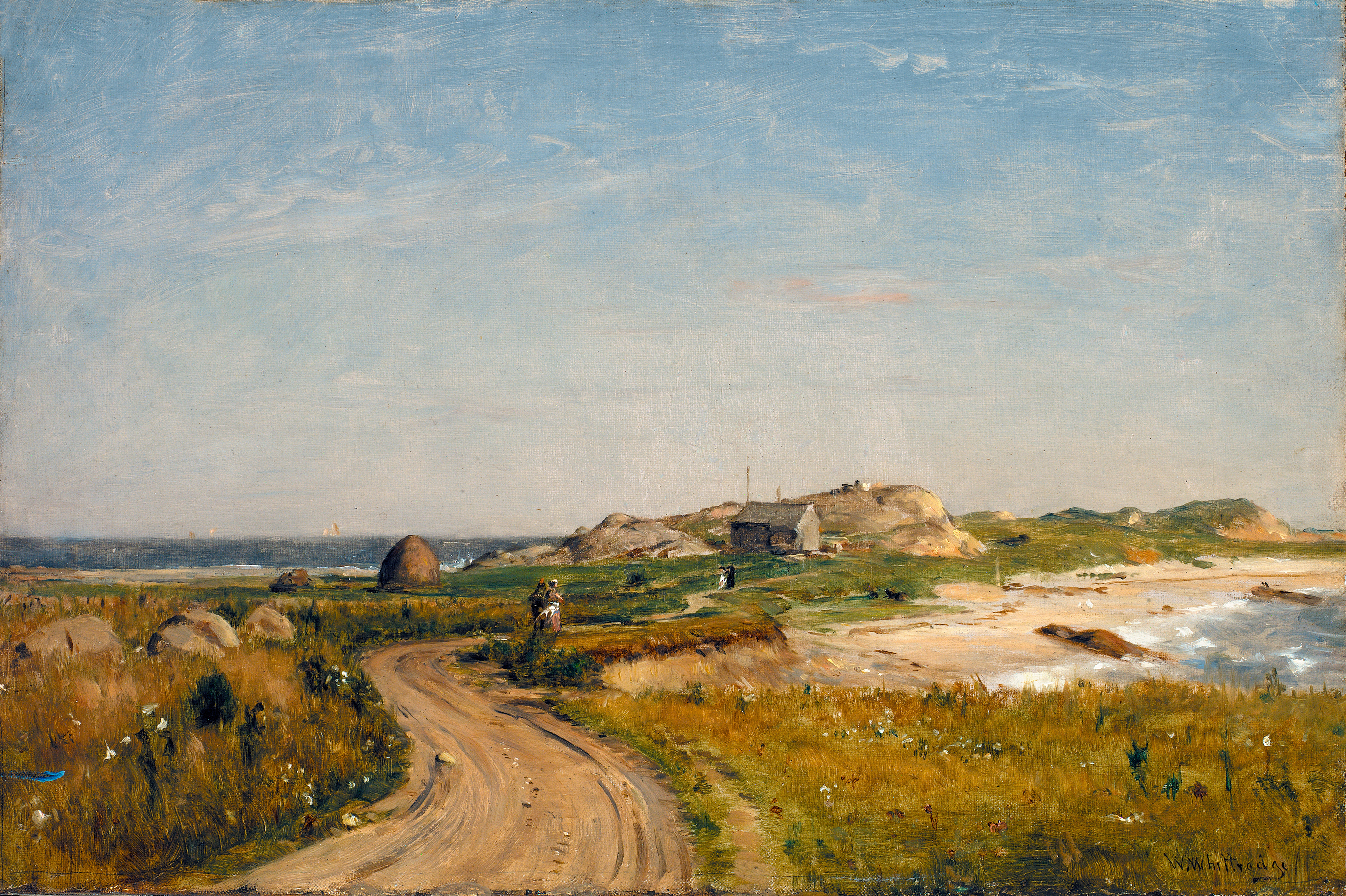
“The canvas doesn’t lie — it simply waits.” In this still moment, a serene landscape invites us to witness the subtle transformation between land and sea, revealing an eternal dialogue between nature and humanity. Look to the left at the cottage, nestled among vibrant greenery. Notice the soft strokes that shape its weathered exterior, suggesting the passage of time and the stories held within its walls. The light, dappled and warm, spills from an unseen sun, illuminating the delicate hues of the ocean waves as they gently lap at the shore.
The composition balances the solid earth with the fluidity of water, creating an atmosphere of tranquility where the viewer feels both anchored and free. Within this idyllic scene, contrasts emerge that deepen its impact. The calmness of the sea juxtaposes the rustic stability of the home, symbolizing the tension between human aspirations and nature’s indifference. Look closely at the wisps of clouds, hinting at a changing sky; they suggest the inevitable transformations that occur in both the environment and our lives.
Each brushstroke seems to breathe, as if capturing the fleeting essence of a moment, inviting reflection on the passage of time and the beauty of transition. In 1872, the artist created this piece during a time when American art was beginning to embrace naturalism and landscapes were a prominent subject. Working from his studio in New York, Whittredge was influenced by the Hudson River School’s appreciation for the American landscape, yet he sought to convey an intimate connection between humanity and the environment. The canvas reflects not just a moment in time, but a profound narrative of home and nature’s embrace.