
A hot day in the batteries — History & Facts
In the realm of art, there exists a potent tension between the void and the vibrancy of life, a dance that William Simpson captures beautifully in his work. Look to the center of the canvas where soldiers, clad in uniforms that blend seamlessly with the earth's palette, labor under the unforgiving sun. The heat waves shimmer, distorting the air and creating a palpable sense of discomfort. Notice how the stark contrasts of ochre, green, and pale blue evoke a landscape both arid and alive.
The figures are not just depicted; they seem to breathe, their gestures imbued with an urgency that suggests the weight of their toil. Beneath the surface, the painting speaks to the emotional weight of duty and sacrifice. The soldiers' weary expressions reflect the burdens they bear, while the almost oppressive light serves as a reminder of their vulnerability amidst the vastness of war. The void lurking in the background hints at the chaos of conflict, an emptiness that underscores each moment of existence in this harsh environment.
The juxtaposition of labor and the bleakness of their reality captures a poignant truth about human resilience. Simpson painted this piece during the Crimean War, specifically in 1855, while he was documenting the lives of soldiers in the trenches. His experiences during this tumultuous time influenced his approach to realism, marrying stark depiction with emotional depth. As the war raged, the world of art was also evolving, with movements leaning towards capturing the rawness of life—an endeavor Simpson wholeheartedly embraced.
More Artworks by William Simpson
Browse all →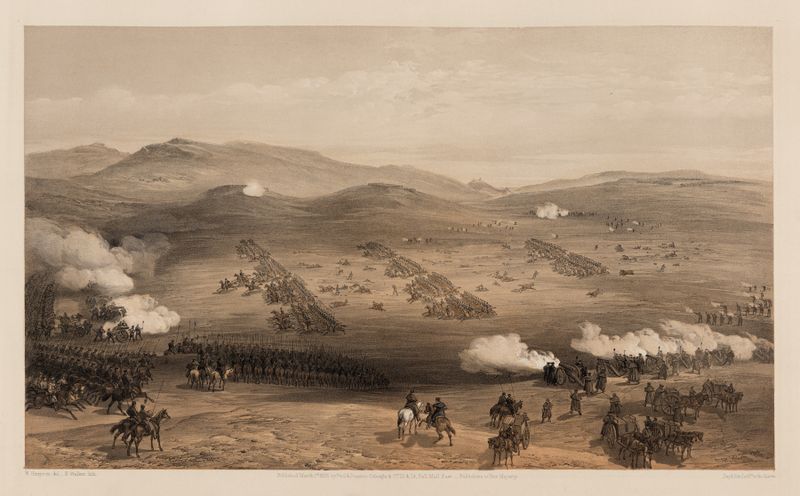
Charge of the light cavalry brigade, 25th Oct. 1854, under Major General the Earl of Cardigan
William Simpson

Charge of the heavy cavalry brigade, 25th Octr. 1854
William Simpson
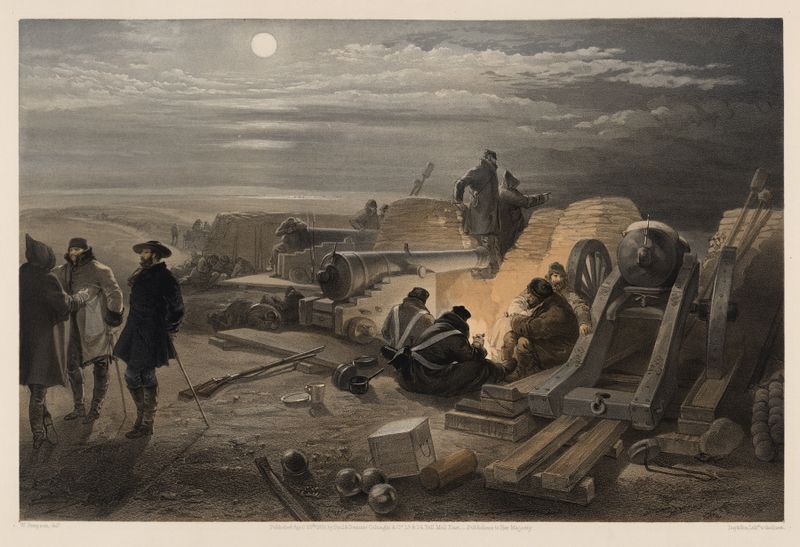
A quiet night in the batteries – a sketch in the Greenhill battery (Major Chapman’s), 29th Jany. 1855
William Simpson

The Great Wall of China
William Simpson
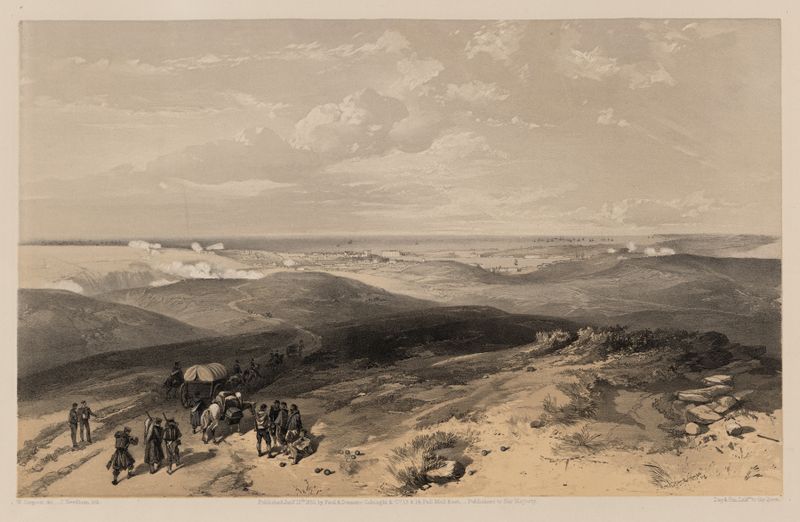
Sebastopol from the rear of the English batteries
William Simpson
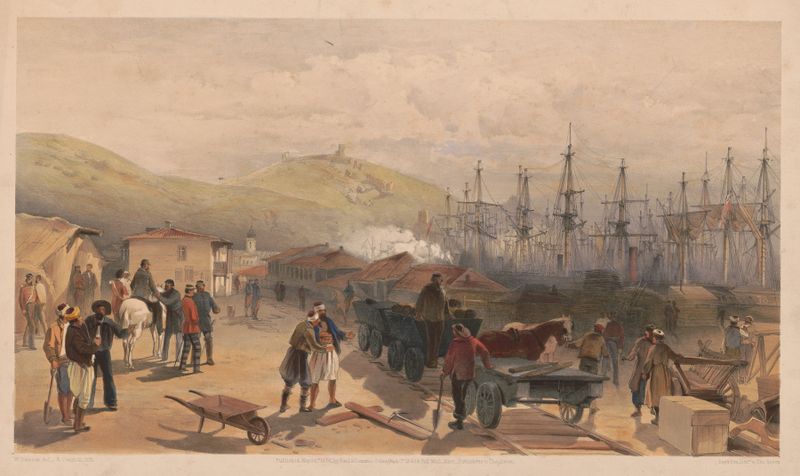
The railway at Balaklava, looking south
William Simpson

The Governor-General’s and Commander-in-Chief’s Camp at Jalandhar, 1 Febuary 1860
William Simpson
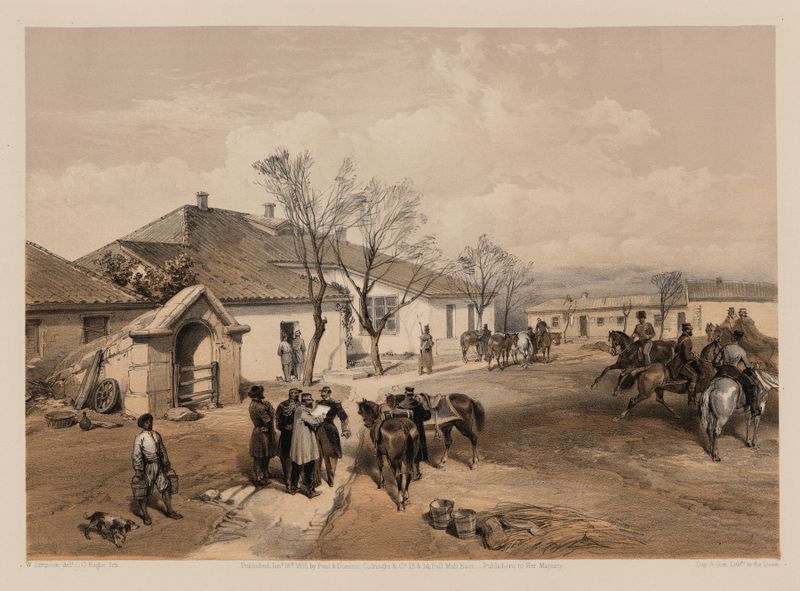
Lord Raglan’s head quarters at Khutor-Karagatch
William Simpson
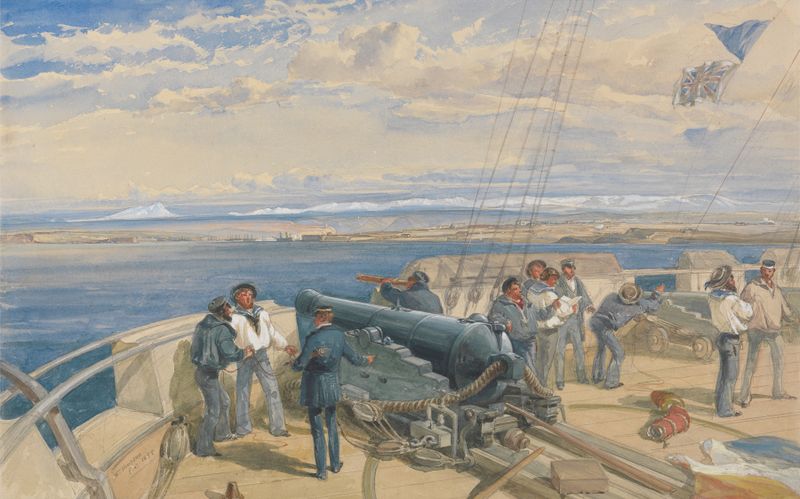
Sebastopol from the Sea, Sketched from the Deck of H. M. S. Sidon, Feb. 1855
William Simpson
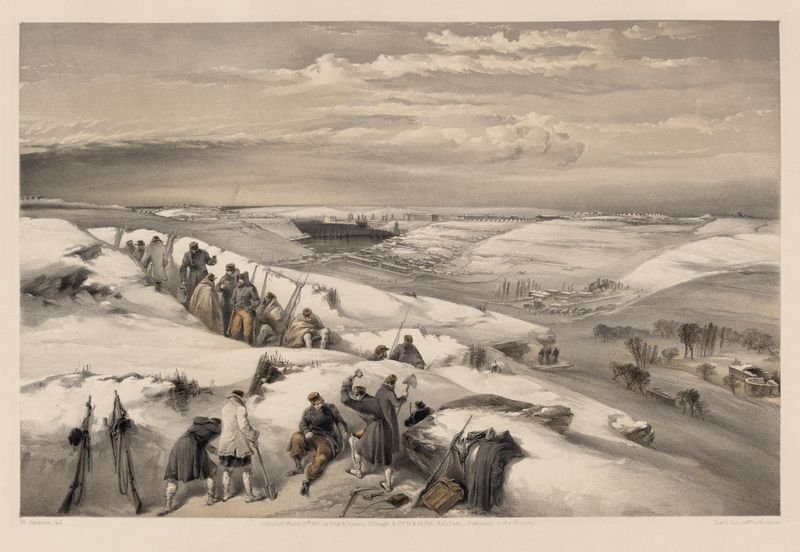
Sebastobol from the 26 gun battery on the extreme right of French attack
William Simpson
More Historical Art
Browse all →
The Night Watch Militia Company of District II under the Command of Captain Frans Banninck Cocq
Rembrandt van Rijn
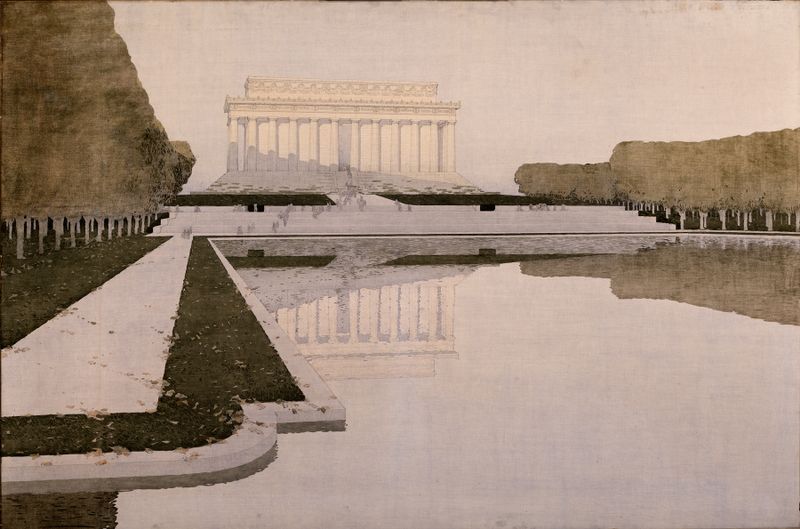
Lincoln Memorial
Henry Bacon
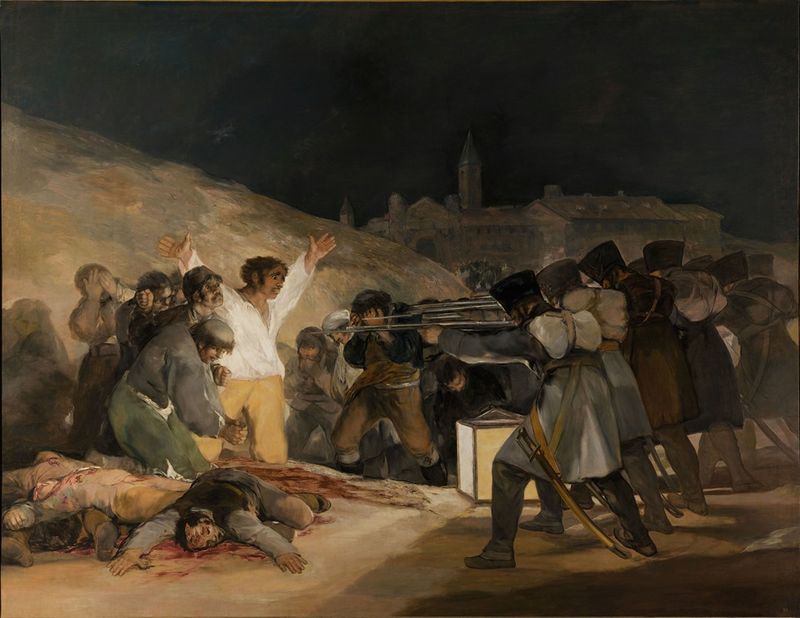
The Third of May 1808
Francisco de Goya

Isaac and Rebecca, Known as ‘The Jewish Bride’
Rembrandt van Rijn
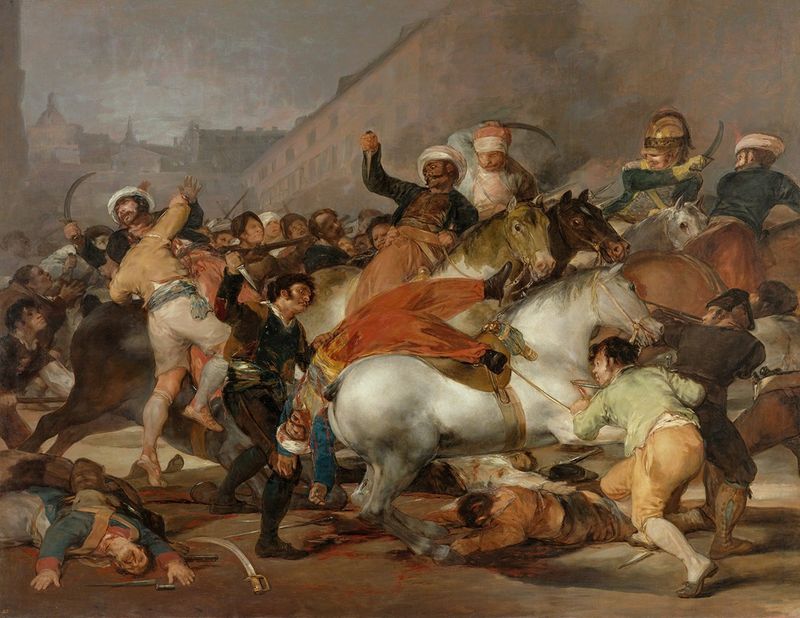
The Charge of the Mamelukes (1814)
Francisco de Goya

De vier ruiters van de apocalyps
Albrecht Dürer