
A hot night in the batteries — History & Facts
In the stillness of the night, faith flickers like a candle in the darkness, illuminating stories untold and endured. Look to the center, where soldiers huddle closely beneath the oppressive heat, their faces drawn with a mixture of resolve and exhaustion. Notice how the muted palette of earthy browns and grays captures the weight of the moment, while flecks of yellow light create a halo around the figures, suggesting both vulnerability and resilience. The composition, anchored by the commanding figure of a leader, guides the eye through their shared silence, inviting a thoughtful reflection on their plight. There’s a palpable tension woven into the fabric of the scene, where the mundanity of war intersects with the spark of human spirit.
The juxtaposition of their weary bodies against the flickering light symbolizes the thin line between despair and hope. The whispers of camaraderie among the soldiers evoke a deep emotional resonance, hinting at their reliance on one another in the face of overwhelming adversity. Each brushstroke accentuates the intensity of their experience, transforming fatigue into a powerful testament of endurance. In 1855, A Hot Night in the Batteries emerged from Simpson’s visit to the Crimean War, a period marked by chaos and suffering.
At that time, the art world was shifting towards realism, and Simpson, captivated by the war’s brutal realities, sought to document the lives of soldiers with an unflinching eye. His work reflects the zeitgeist of a generation grappling with the harsh truths of conflict, bridging the divide between observation and empathy.
More Artworks by William Simpson
Browse all →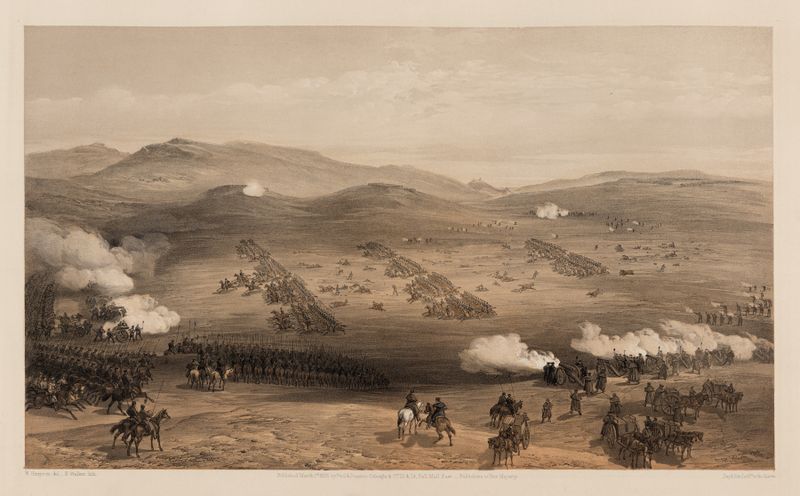
Charge of the light cavalry brigade, 25th Oct. 1854, under Major General the Earl of Cardigan
William Simpson

Charge of the heavy cavalry brigade, 25th Octr. 1854
William Simpson
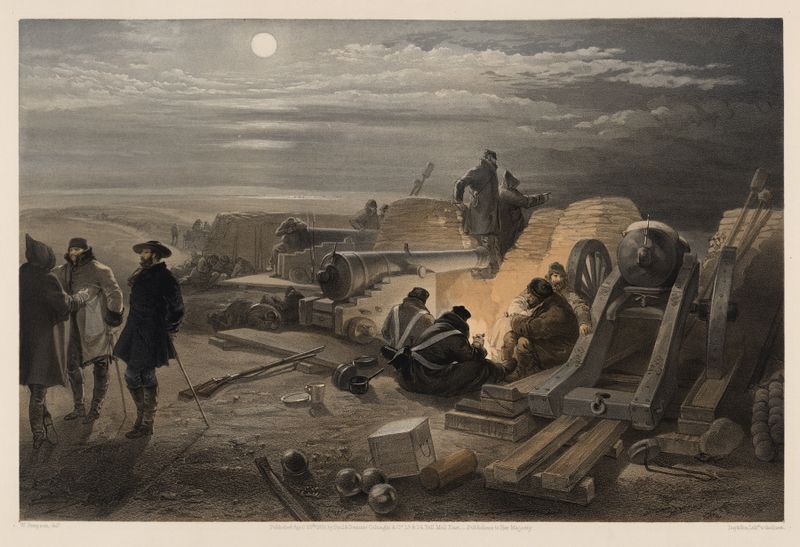
A quiet night in the batteries – a sketch in the Greenhill battery (Major Chapman’s), 29th Jany. 1855
William Simpson

The Great Wall of China
William Simpson
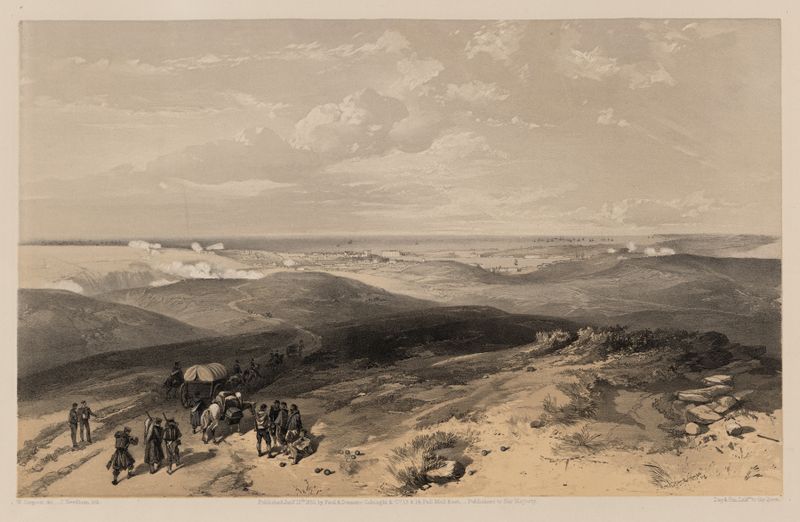
Sebastopol from the rear of the English batteries
William Simpson
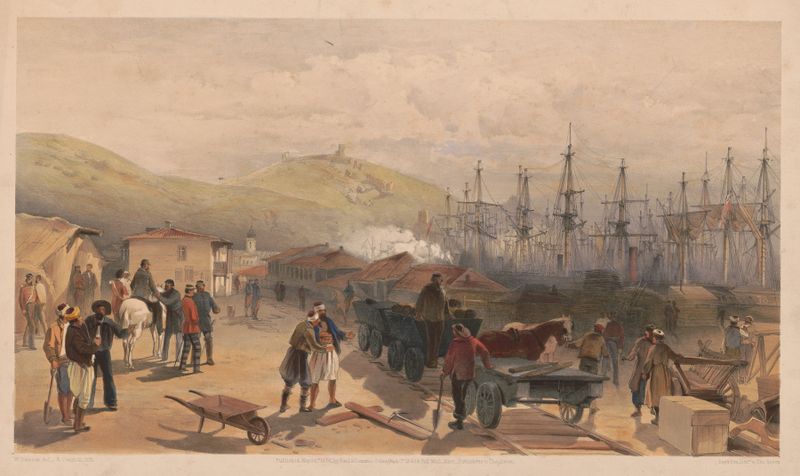
The railway at Balaklava, looking south
William Simpson

The Governor-General’s and Commander-in-Chief’s Camp at Jalandhar, 1 Febuary 1860
William Simpson
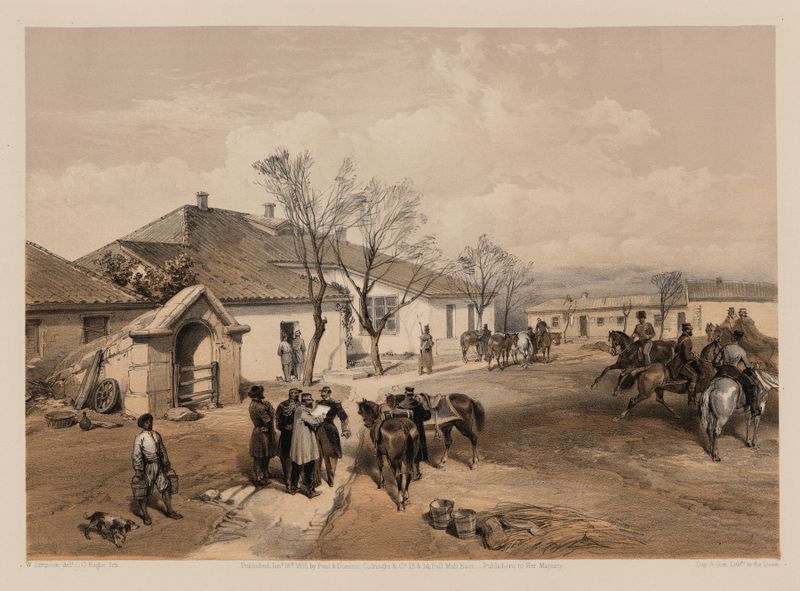
Lord Raglan’s head quarters at Khutor-Karagatch
William Simpson
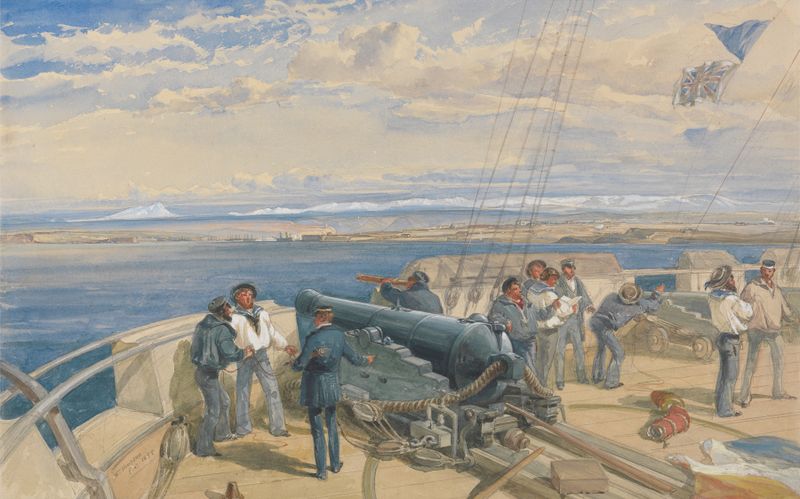
Sebastopol from the Sea, Sketched from the Deck of H. M. S. Sidon, Feb. 1855
William Simpson
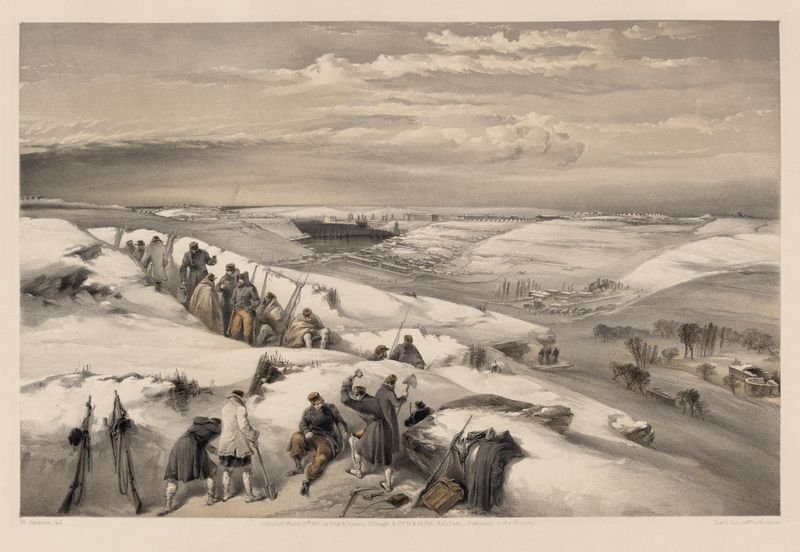
Sebastobol from the 26 gun battery on the extreme right of French attack
William Simpson
More Historical Art
Browse all →
The Night Watch Militia Company of District II under the Command of Captain Frans Banninck Cocq
Rembrandt van Rijn

Lincoln Memorial
Henry Bacon

The Third of May 1808
Francisco de Goya

Isaac and Rebecca, Known as ‘The Jewish Bride’
Rembrandt van Rijn

The Charge of the Mamelukes (1814)
Francisco de Goya

De vier ruiters van de apocalyps
Albrecht Dürer