
A hurdy-gurdy player followed by children at the door of a house — History & Facts
Did the painter know this moment would outlive them? The captured essence of life, a fleeting instance of joy, reverberates through time, inviting reflection on the nature of existence itself. Look closely at the left side of the canvas, where the hurdy-gurdy player stands, his posture relaxed yet purposeful as he draws music from the instrument. The warm light plays across his face, illuminating his features and infusing the scene with an inviting glow. Shift your gaze to the children, their expressions a delightful blend of curiosity and mirth.
Notice how the artist employs rich, earthy tones, contrasting the vibrant clothing of the children against the darker backdrop of the house, creating a sense of intimacy that draws one into this shared moment. Beneath the surface of this simple gathering lies a wealth of meaning. The juxtaposition of the carefree children and the seasoned musician prompts contemplation on the passage of time and the innocence of youth. Each child’s reaction embodies a different response to the music—some are transfixed, while others are caught in playful abandon.
This interplay of emotions showcases the universality of music as a bridge connecting generations, evoking nostalgia for a past that is both personal and collective. In 1641, Rembrandt van Rijn was navigating a period of profound artistic maturity while living in Amsterdam. The city was flourishing as a cultural hub, allowing him to draw inspiration from both the vibrancy of urban life and the profundity of human experience. With each brushstroke, he was not only creating art but also capturing the very essence of humanity, a reflection of the world around him that would resonate for centuries to come.
More Artworks by Rembrandt van Rijn
Browse all →
The Night Watch Militia Company of District II under the Command of Captain Frans Banninck Cocq
Rembrandt van Rijn

The Return of the Prodigal Son
Rembrandt van Rijn

The Hundred Guilder Print: the figures leaning on the wall in the centre left
Rembrandt van Rijn

The Hundred Guilder Print: the central piece with Christ preaching, the plate arched
Rembrandt van Rijn

Isaac and Rebecca, Known as ‘The Jewish Bride’
Rembrandt van Rijn
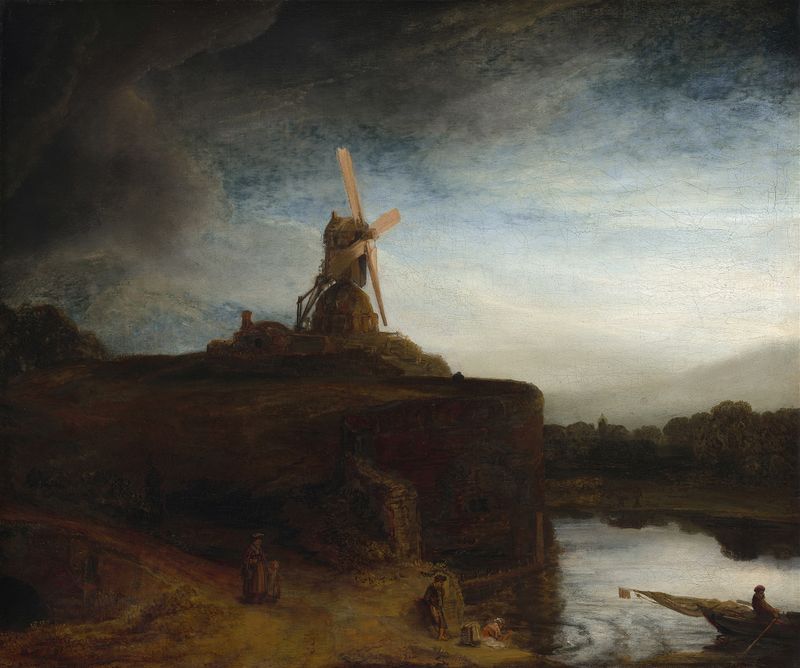
The Mill
Rembrandt van Rijn
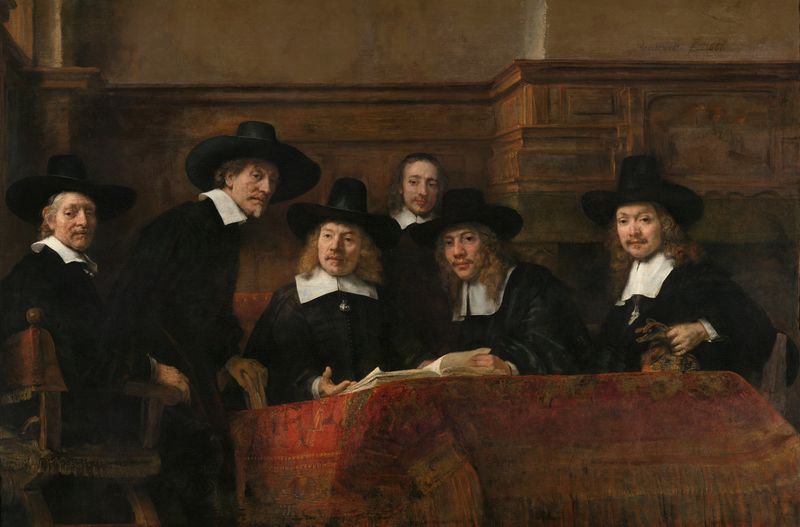
The Sampling Officials of the Amsterdam Drapers’ Guild, Known as ‘The Syndics’
Rembrandt van Rijn

The return of the prodigal son
Rembrandt van Rijn
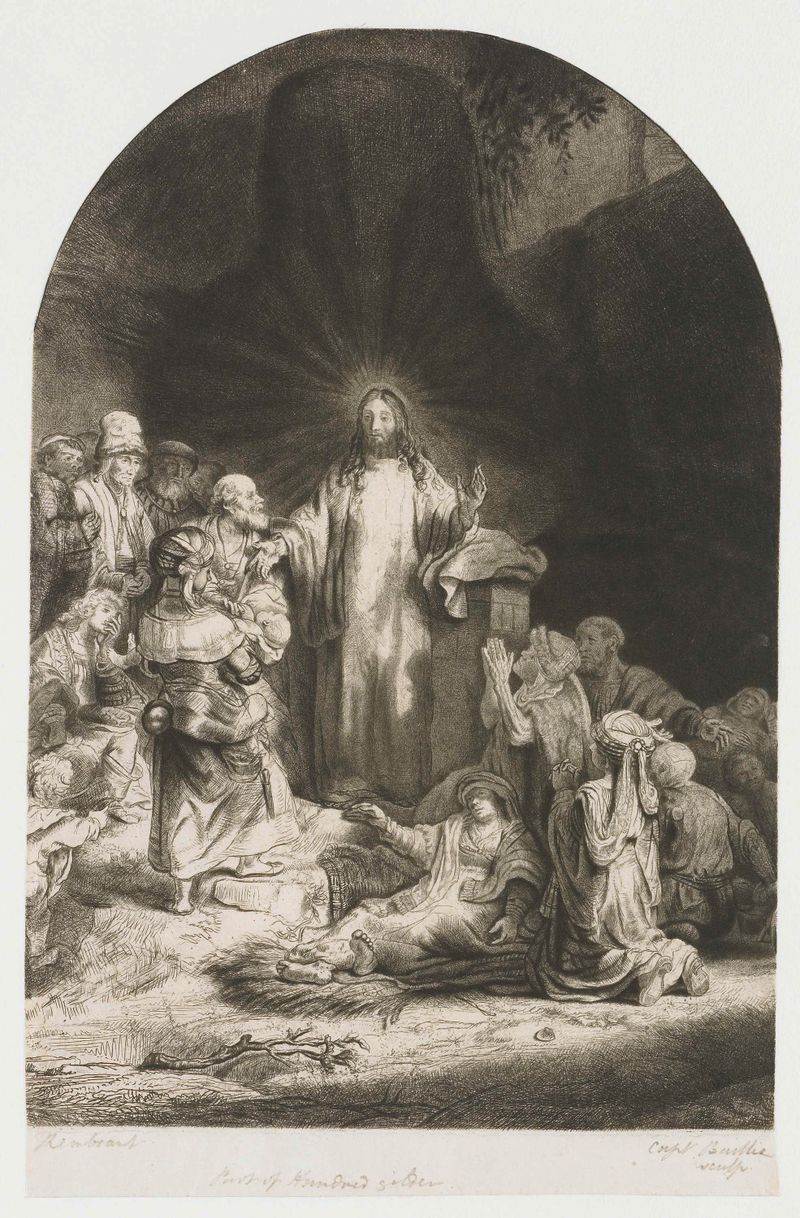
The Hundred Guilder Print: the central piece with Christ preaching, the plate arched
Rembrandt van Rijn
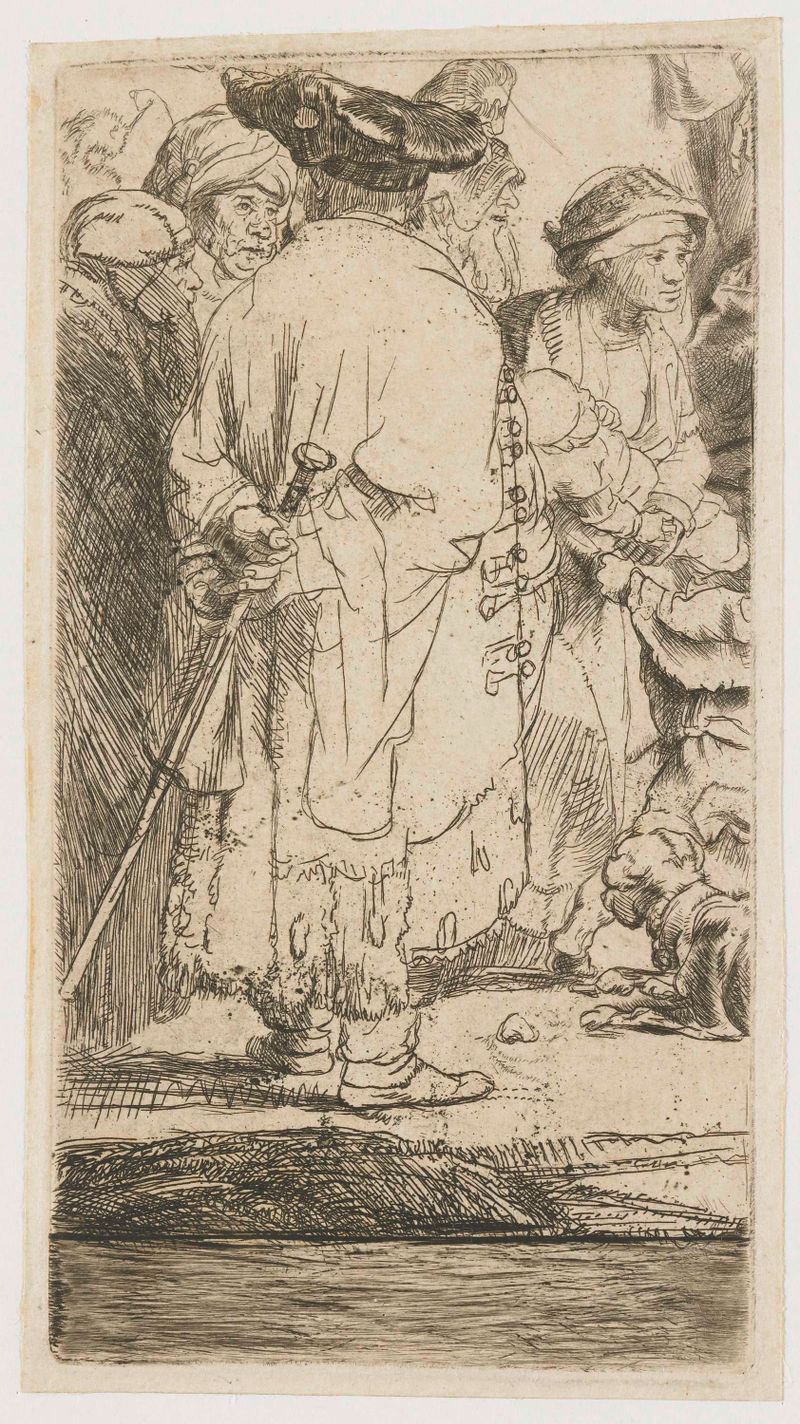
The Hundred Guilder Print: the man seen on the back in the lower left corner
Rembrandt van Rijn





