
A hurdy-gurdy player followed by children at the door of a house — History & Facts
What if beauty was never meant to be finished? In the delicate interplay of light and shadow, one might find an infinite balance, echoing through the laughter of children and the haunting melody of a hurdy-gurdy. Look to the left at the serene figure of the musician, cloaked in a rich, dark garment that contrasts with the luminous glow of the children's faces. Notice how the light falls upon their youthful forms, creating a radiant aura that dances around them, reflecting pure joy and innocence. The composition is meticulously crafted, drawing the viewer's eye from the somber adult to the exuberant children, inviting us into a world where music transcends the mundane. In this artwork, the contrast between the musician's solemn expression and the carefree delight of the children speaks to a deeper emotional tension—the fragility of joy amidst the weight of adulthood.
The hurdy-gurdy serves as a metaphor for the fleeting nature of beauty, while the children symbolize hope and vitality. This dynamic not only portrays the innocence of youth but also hints at the bittersweet passage of time, where moments of happiness are woven into the tapestry of life’s complexities. In 1641, Rembrandt was at a pivotal point in his career, residing in Amsterdam, where the art scene was thriving. He was navigating the challenges of personal loss and professional ambition, experimenting with light and shadow to create depth in his works.
This piece reflects both his mastery of chiaroscuro and his profound understanding of human emotion, capturing a fleeting moment that resonates through the ages.
More Artworks by Rembrandt van Rijn
Browse all →
The Night Watch Militia Company of District II under the Command of Captain Frans Banninck Cocq
Rembrandt van Rijn

The Return of the Prodigal Son
Rembrandt van Rijn

The Hundred Guilder Print: the figures leaning on the wall in the centre left
Rembrandt van Rijn

The Hundred Guilder Print: the central piece with Christ preaching, the plate arched
Rembrandt van Rijn

Isaac and Rebecca, Known as ‘The Jewish Bride’
Rembrandt van Rijn
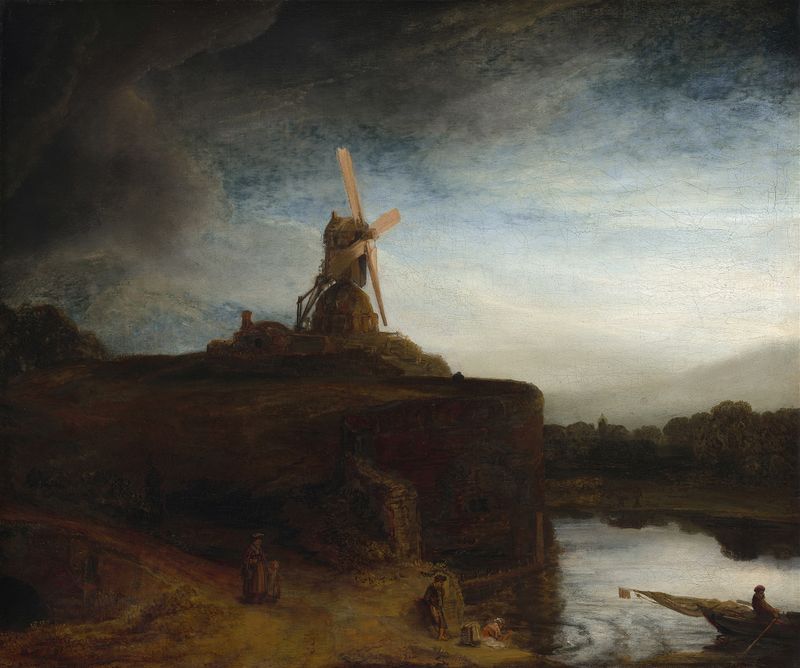
The Mill
Rembrandt van Rijn

The Sampling Officials of the Amsterdam Drapers’ Guild, Known as ‘The Syndics’
Rembrandt van Rijn

The return of the prodigal son
Rembrandt van Rijn
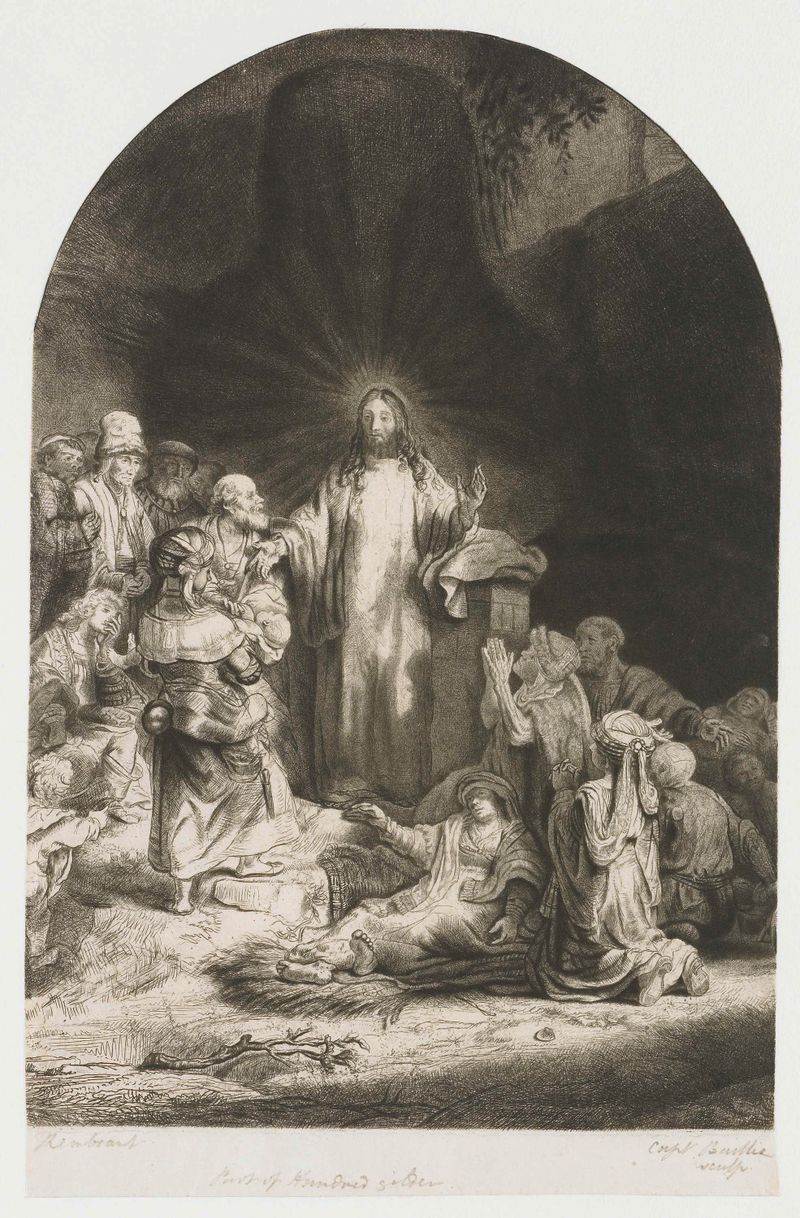
The Hundred Guilder Print: the central piece with Christ preaching, the plate arched
Rembrandt van Rijn

The Hundred Guilder Print: the man seen on the back in the lower left corner
Rembrandt van Rijn





