
A Landscape in Autumn with Wayside Shrine — History & Facts
In a world defined by fleeting moments, how do we capture the legacy of nature's beauty? Focus on the vibrant hues of burnt orange and deep crimson that dominate the canvas, drawing your eyes toward the center. Notice how the wayside shrine stands resolute amidst the autumn foliage, its understated presence beckoning contemplation. The interplay of light and shadow creates a dynamic tension; the warm sunlight filters through trees, illuminating the shrine while leaving the surrounding woods in a soft twilight.
This contrast amplifies the sense of tranquility that permeates the scene. Delve deeper into the painting’s layers, where each brushstroke tells a story of transience and permanence. The leaves, while rich in color, hint at their imminent fall, symbolizing change and the passage of time. The shrine, however, stands as a testament to endurance, suggesting a connection between the sacred and the ephemeral.
Here, Mulley captures the delicate balance between life’s fleeting moments and the enduring legacies we leave behind. Oskar Mulley painted this work in 1942 during a tumultuous time marked by World War II. Residing in a Europe in crisis, he sought solace in his landscapes, using art as a refuge and a way to reflect on the world around him. This period was significant for Mulley as he explored themes of nature's resilience and humanity’s place within it, blending profound emotion with the subtleties of the world he experienced daily.
More Artworks by Oskar Mulley
Browse all →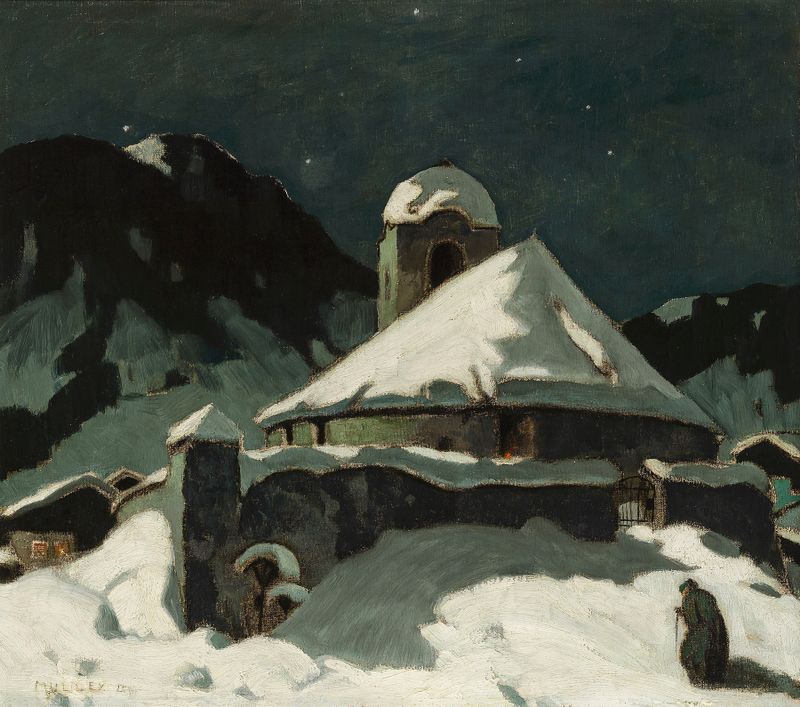
Winternacht im Bergdorf
Oskar Mulley
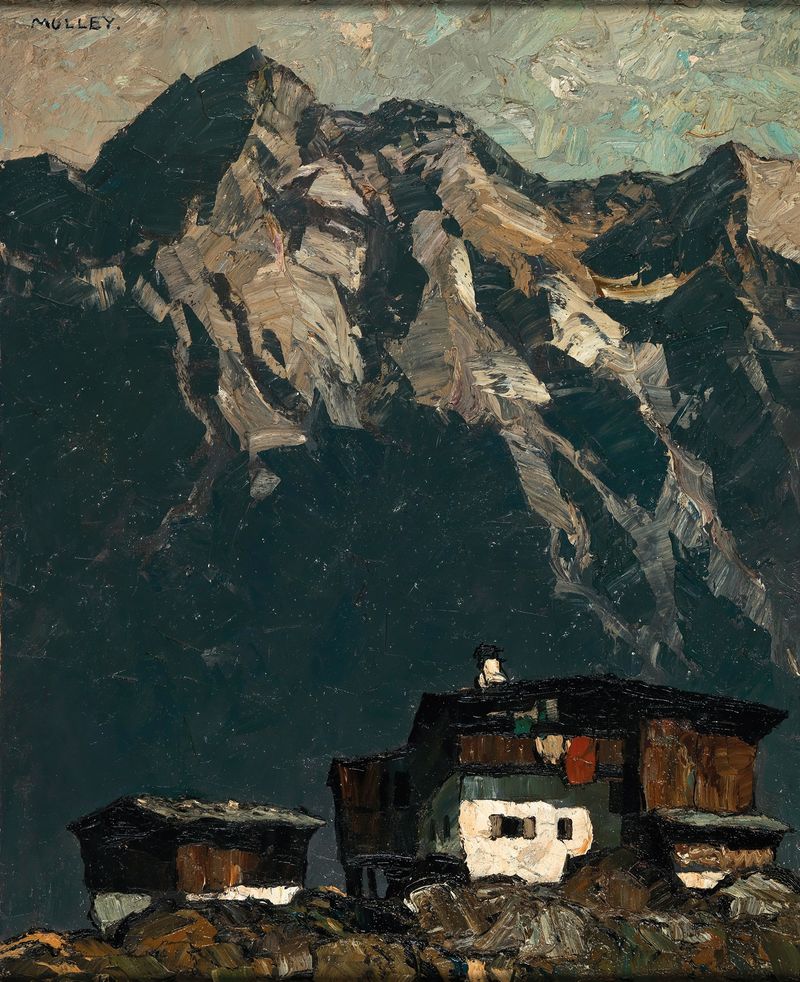
Bauernhof im Hochgebirge
Oskar Mulley
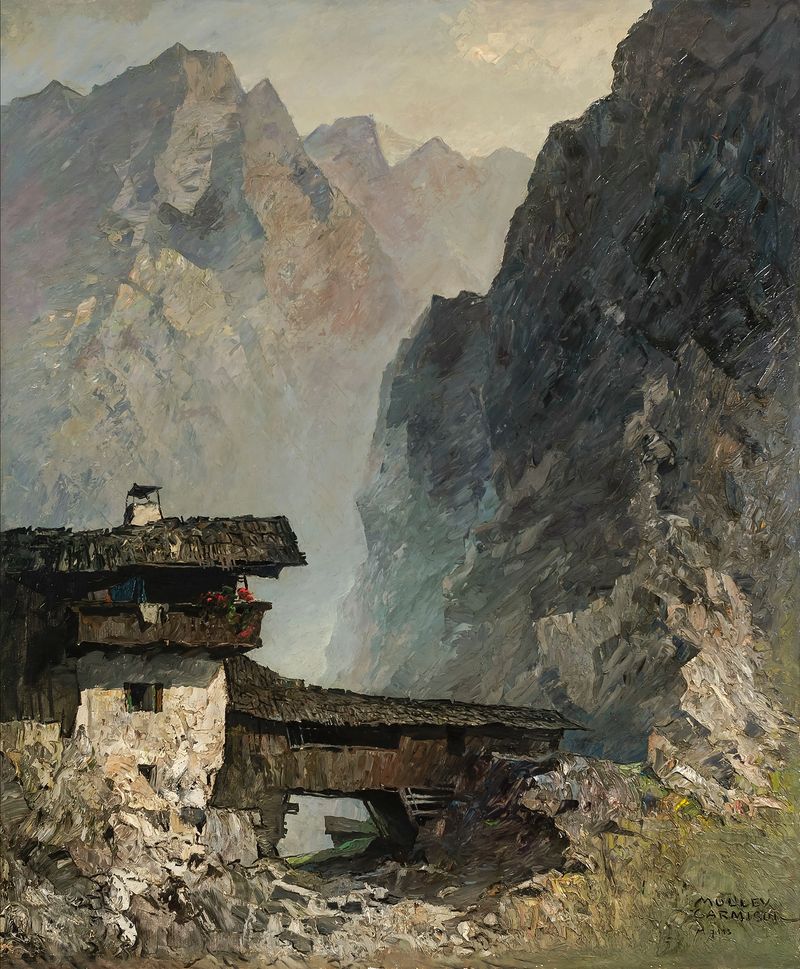
Im Hochtal
Oskar Mulley
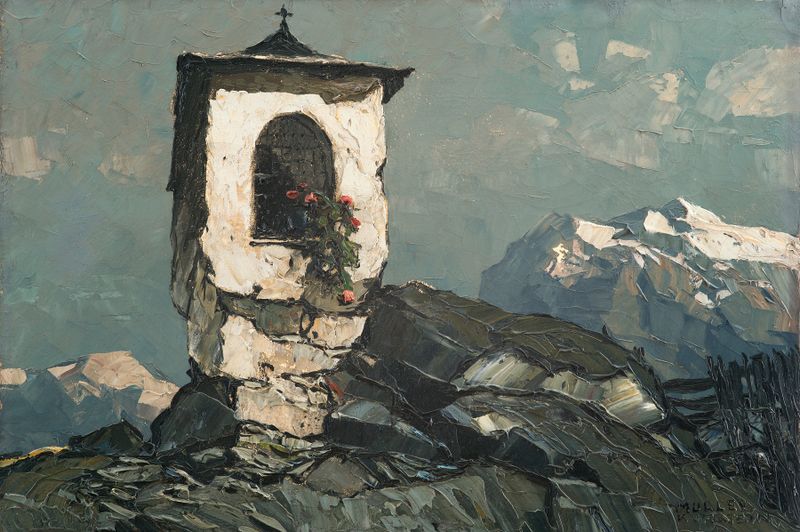
Materl im Hochgebirge
Oskar Mulley
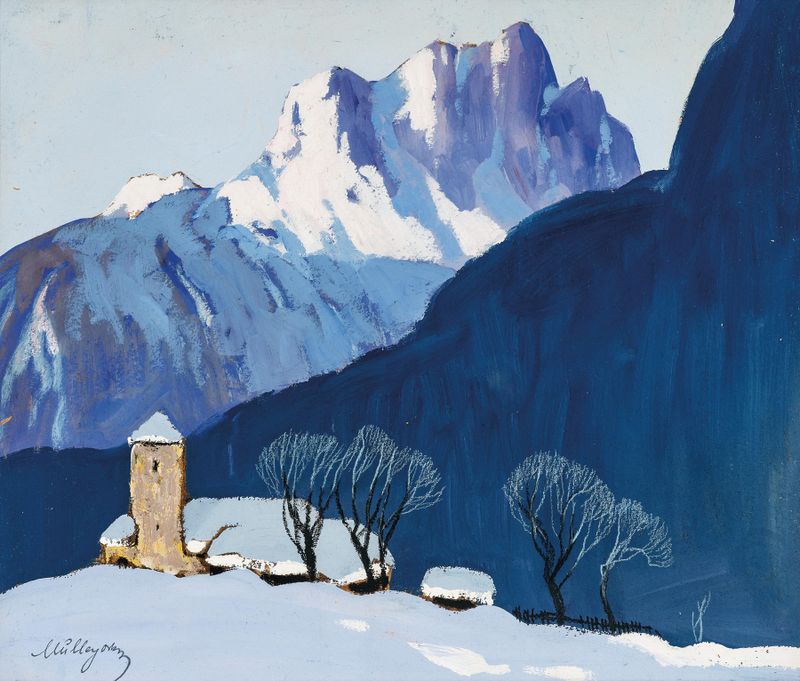
Winterlandschaft vor Bergkulisse
Oskar Mulley
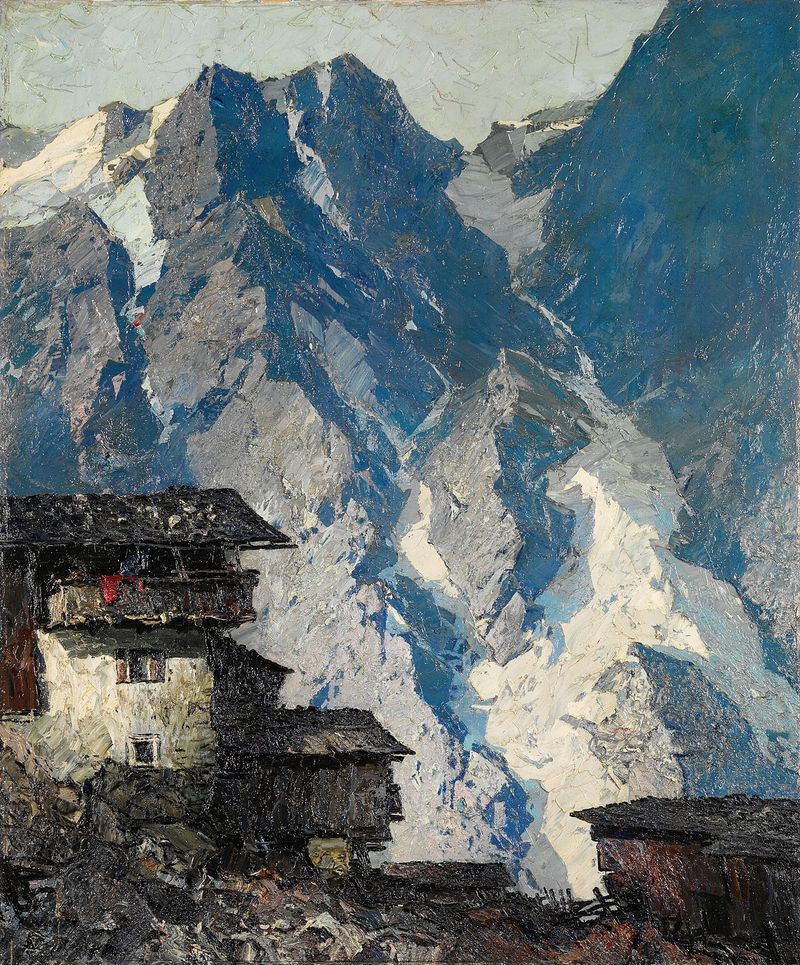
Berghof vor Gletscherlandschaft
Oskar Mulley
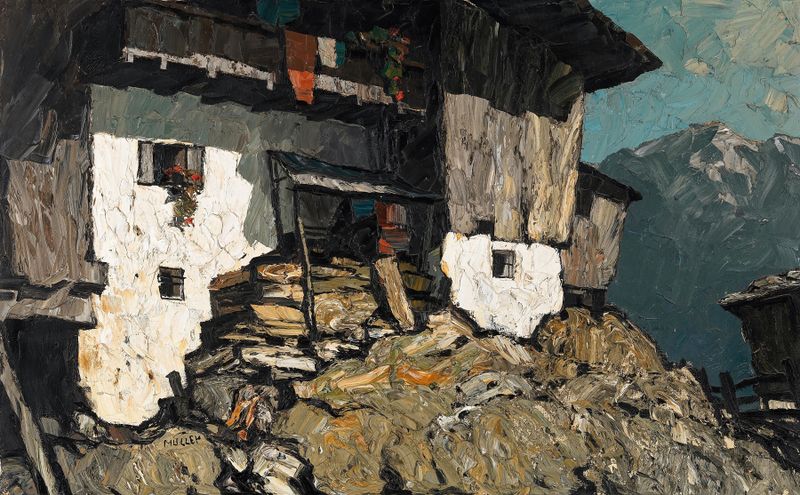
Bergbauernhof
Oskar Mulley
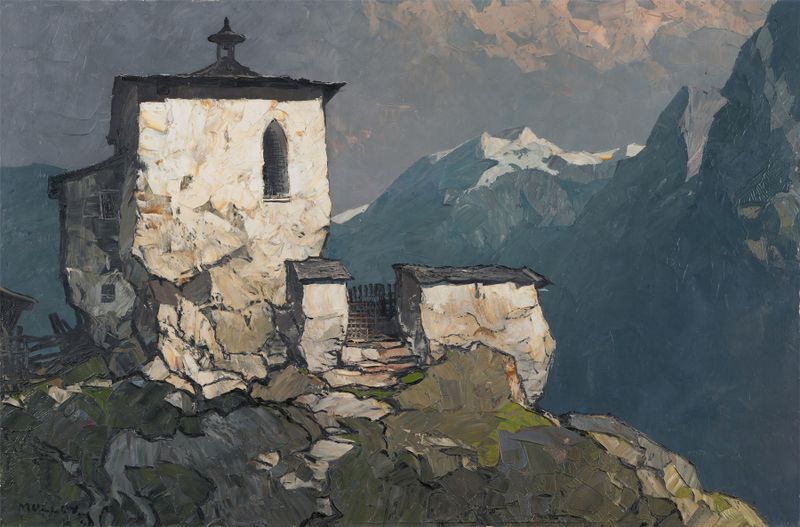
Bergkapelle
Oskar Mulley
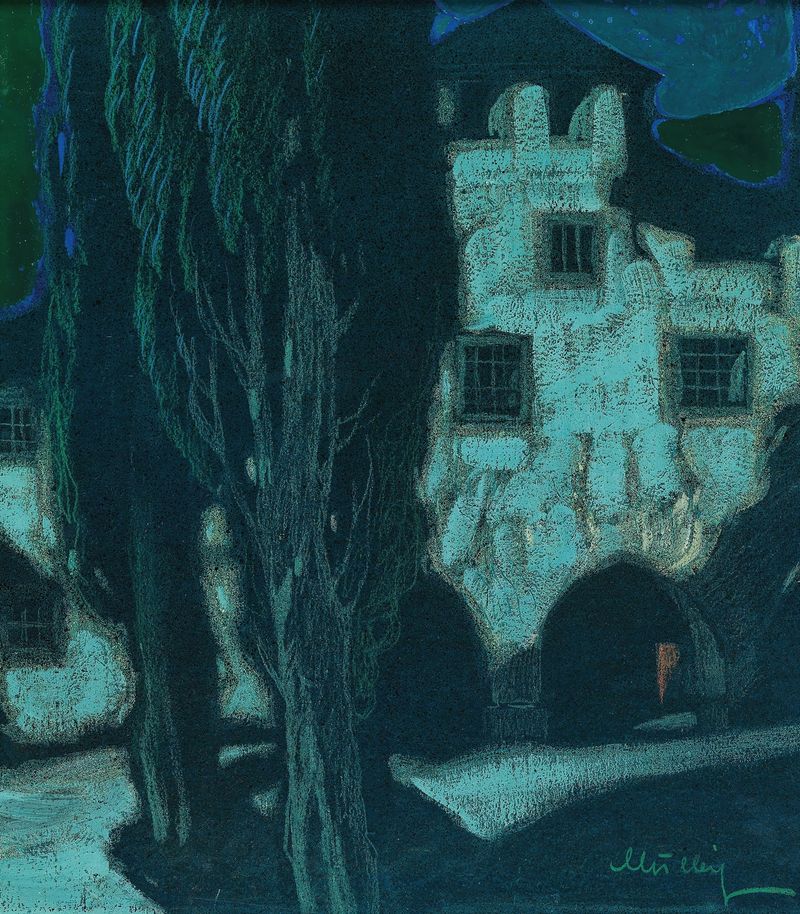
Mondnacht
Oskar Mulley
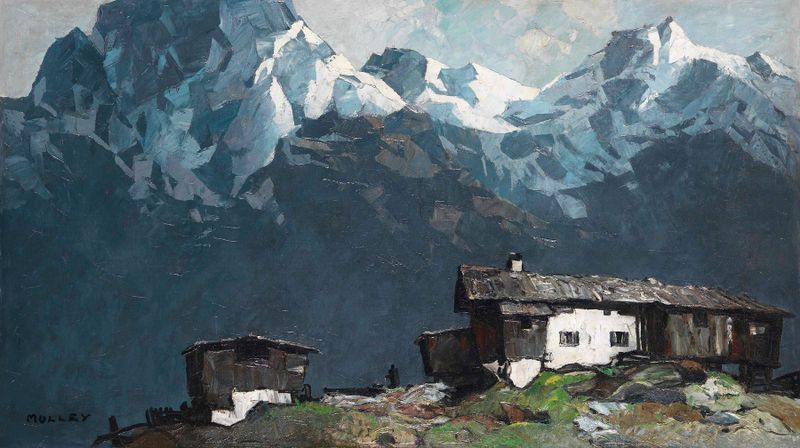
Bergbauernhof
Oskar Mulley





