
A landscape with a narrow path and an oxcart — History & Facts
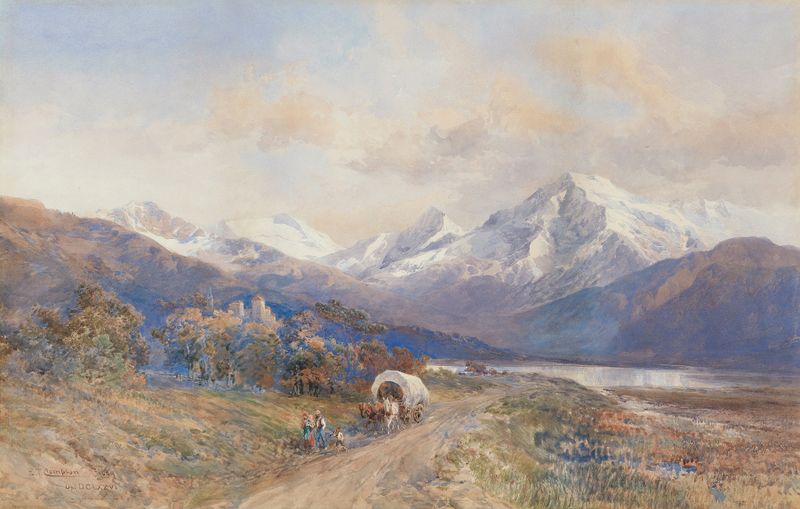
Can paint confess what words never could? In the delicate strokes of this landscape, the reverberations of memory echo silently, beckoning the viewer into a tranquil yet complex world. Look to the right at the narrow path winding through lush greenery, inviting exploration. Notice how the artist captures the dappled light filtering through the leaves, illuminating the oxcart that stands as a testament to labor and simplicity. The earth tones of the soil contrast sharply with the vibrant greens, creating a harmony that feels both serene and alive.
The composition draws the eye along the path, suggesting a journey that transcends mere physical movement, hinting at the deeper emotional landscapes of life’s passage. Within this idyllic scene lies an emotional tension: the juxtaposition of stillness and movement. While the oxcart suggests work and purpose, the tranquil setting evokes a sense of nostalgia, perhaps for a simpler time. Small details, like the way the shadows play across the path, intimate the passage of time, mingling memories with the present.
The landscape is not merely a backdrop; it is alive with stories waiting to be remembered. Compton created this painting during an era of burgeoning appreciation for natural landscapes, likely in the late 19th to early 20th century. His work emerged as a response to a world rapidly changing due to industrialization, emphasizing a return to the pastoral. At this time, he was exploring the beauty of the English countryside, capturing not just the physicality of the land but its emotional resonance, reflecting both his personal experiences and the collective consciousness of a society yearning for connection with nature.
More Artworks by Edward Theodore Compton
Browse all →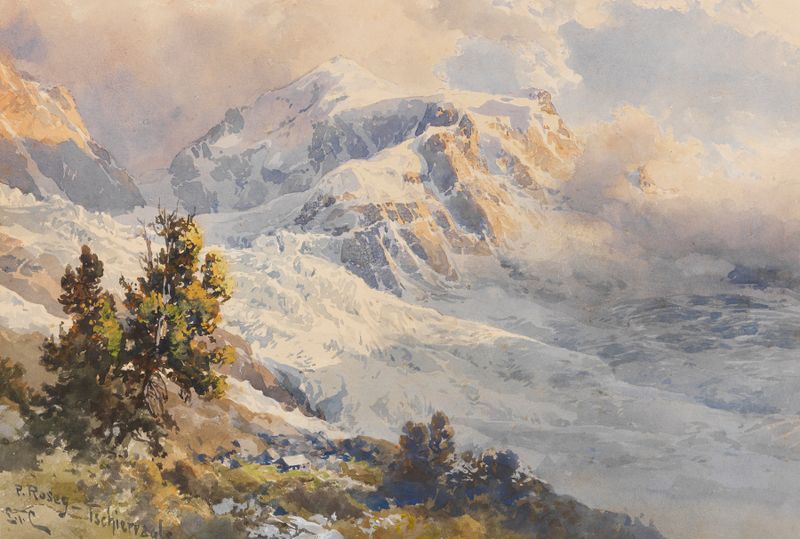
Piz Roseg – Tschiervagletscher
Edward Theodore Compton
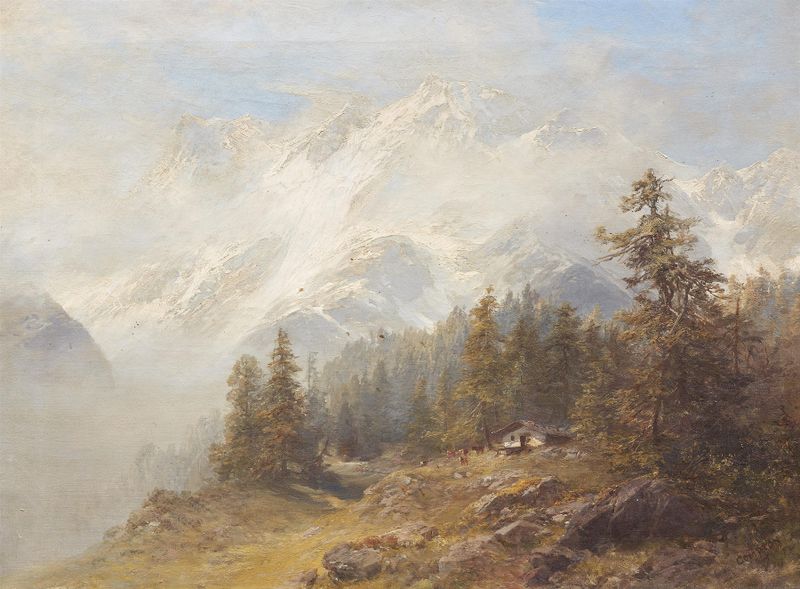
Alpenlandschaft vor schneebedecktem Massiv
Edward Theodore Compton
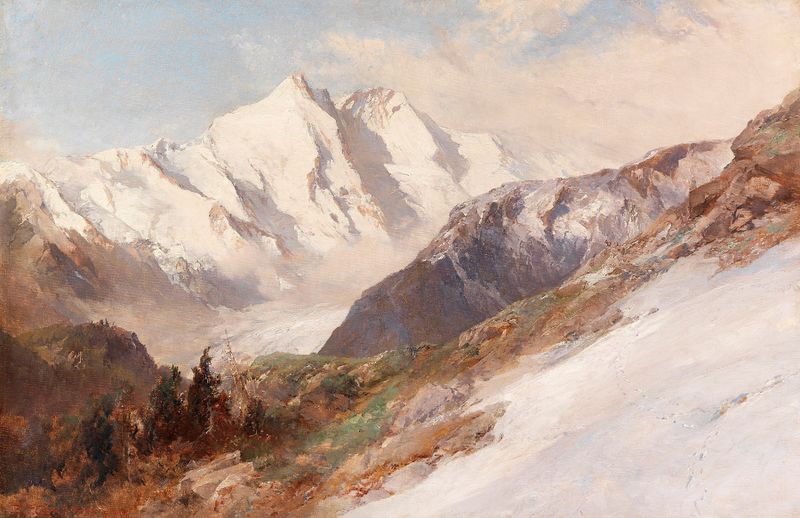
Blick auf die Nordseite des Großglockners
Edward Theodore Compton
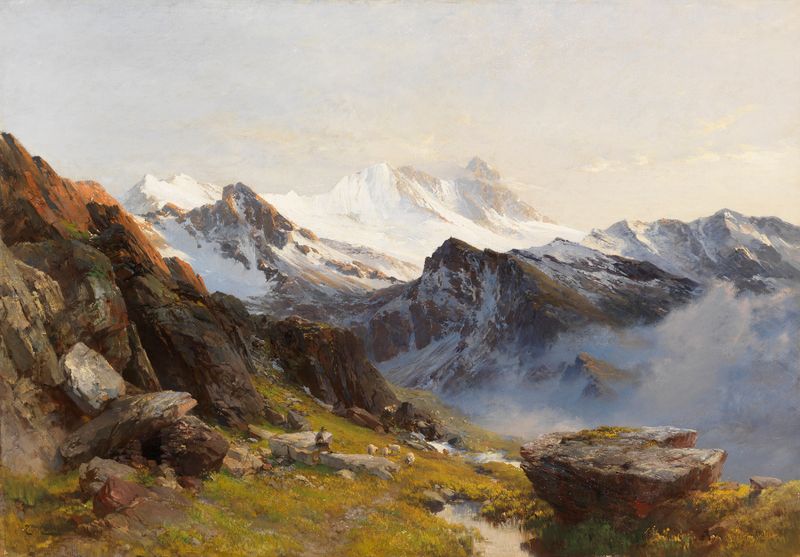
Großglockner von der Prager Hütte aus, früh
Edward Theodore Compton
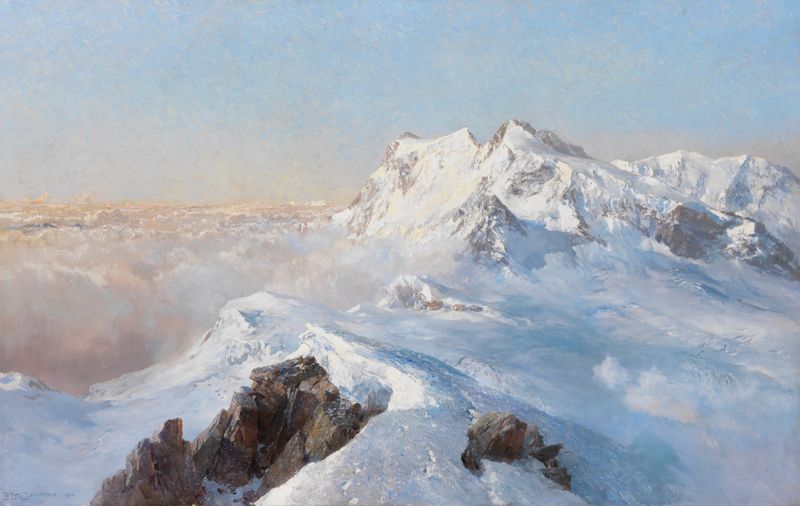
Über dem Nebelmeer (Monte Rosa vom Rimpfischhorn)
Edward Theodore Compton
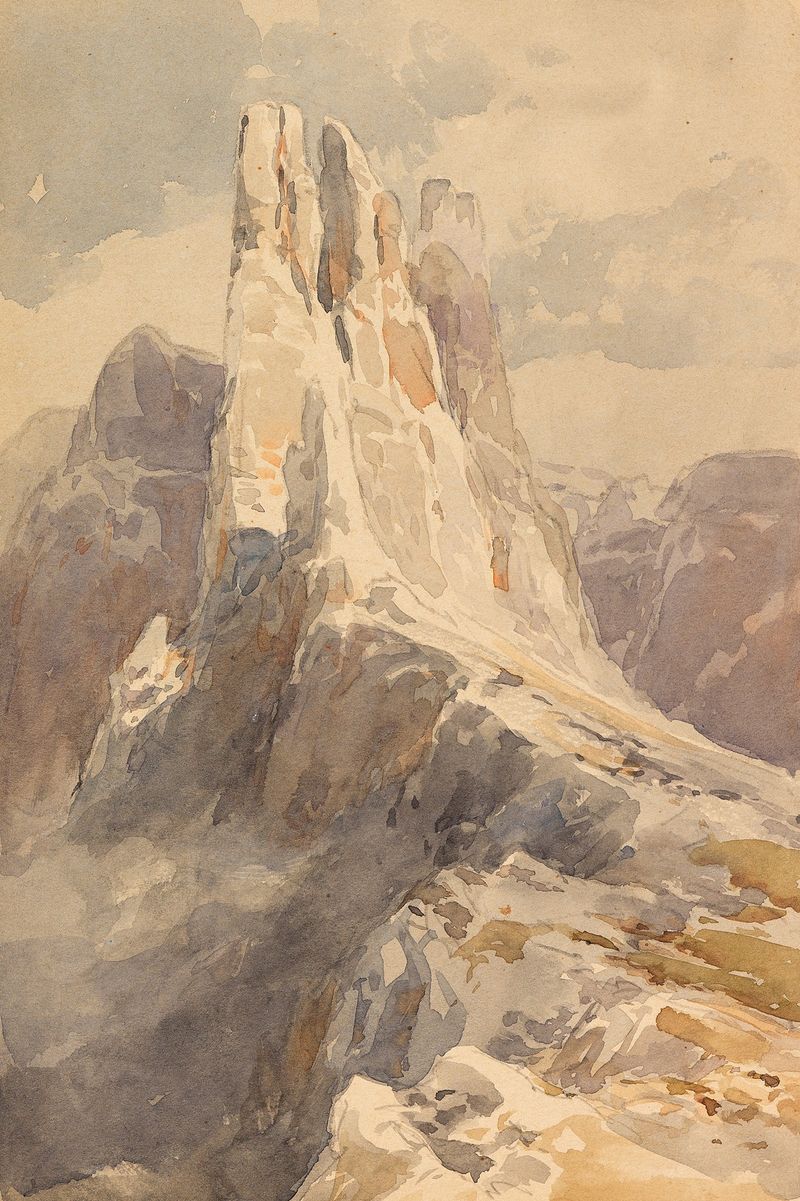
Blick auf die Vajolet-Türme in den Dolomiten
Edward Theodore Compton
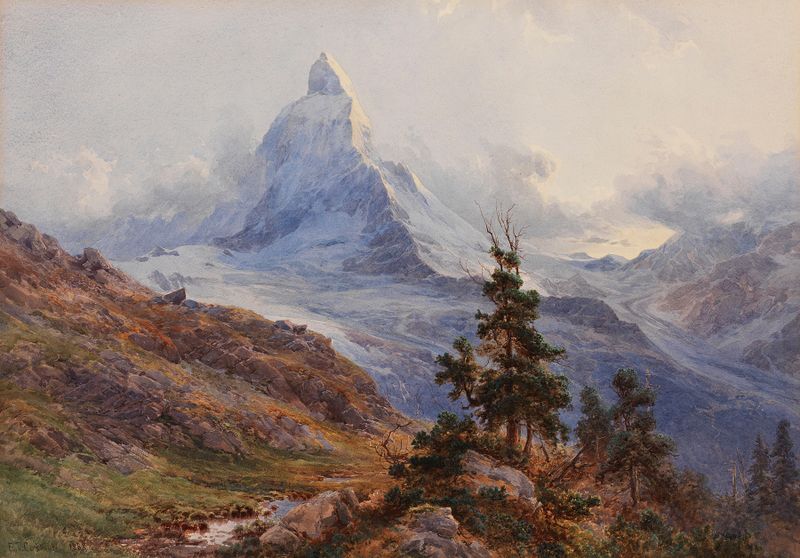
View of the Matterhorn
Edward Theodore Compton
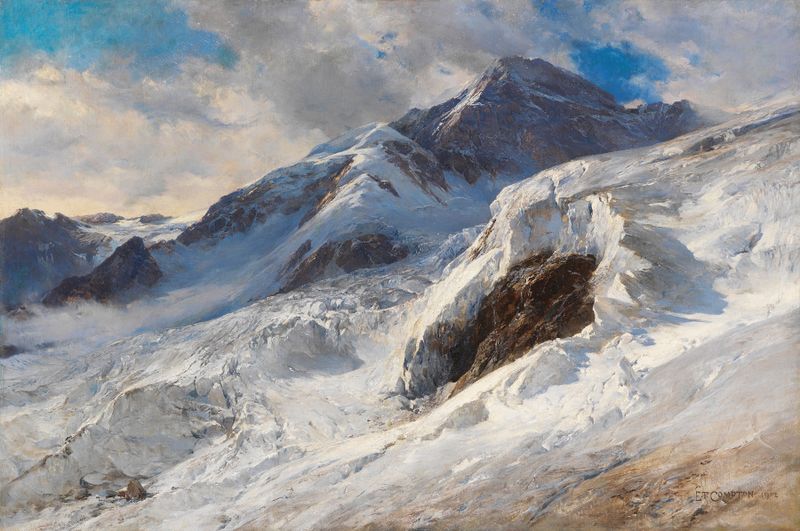
Lyskamm (Monte-Rosa)
Edward Theodore Compton
Blick auf den Ortler von St. Valentin
Edward Theodore Compton
Das Matterhorn von der Triftkumme
Edward Theodore Compton





