
A Peasant Woman — History & Facts
What draws the eye first in A Peasant Woman is the gentle, unguarded smile that plays across her lips—a rare moment of warmth and personality, caught in the midst of daily life. The artist, Adriaen van Ostade, has chosen to bring us close, letting us stand almost within arm’s reach of his subject. The woman’s head is slightly bowed, her gaze cast downward, as if she is listening to a quiet joke or recalling a fond memory.
The soft, even light brushes her face and linen cap, picking out the flush in her cheeks and the fine lines around her eyes, while the muted browns and greys of her clothing and background keep all attention on her expression. There is no clutter, no distraction—just the dignity and individuality of a single figure, rendered with a craftsman’s care. Works like this, painted in the mid-seventeenth century Dutch Republic, were part of a new fascination with everyday people and their stories. Adriaen van Ostade was celebrated for his scenes of rural life, often filling his canvases with bustling taverns or rustic interiors, but here he pares everything back to a single, telling face.
Between 1650 and 1670, as the Dutch middle class grew, collectors sought images that reflected their own world—humble, honest, and quietly prosperous. The survival of this small portrait, now in a private collection and once offered at auction, is a reminder of how even the most ordinary lives could be made worthy of close attention. Look again at the woman’s smile, and imagine the world of stories behind it.
More Artworks by Adriaen van Ostade

Dans in de herberg
Adriaen van Ostade
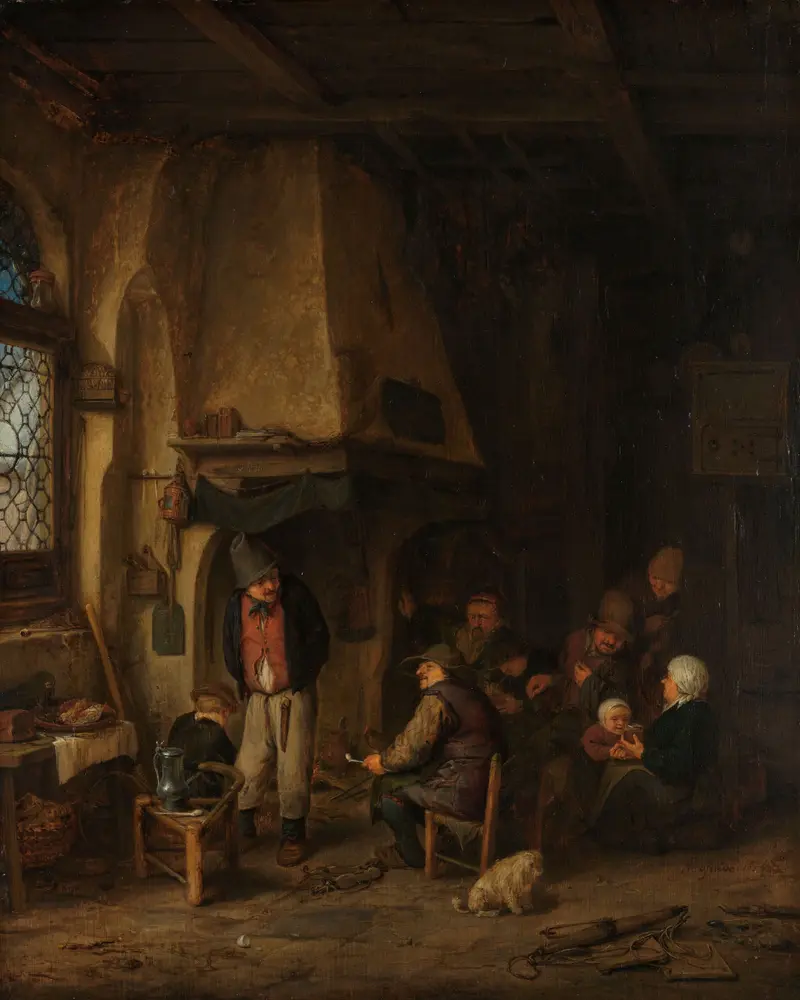
‘The Skaters’: Peasants in an Interior
Adriaen van Ostade
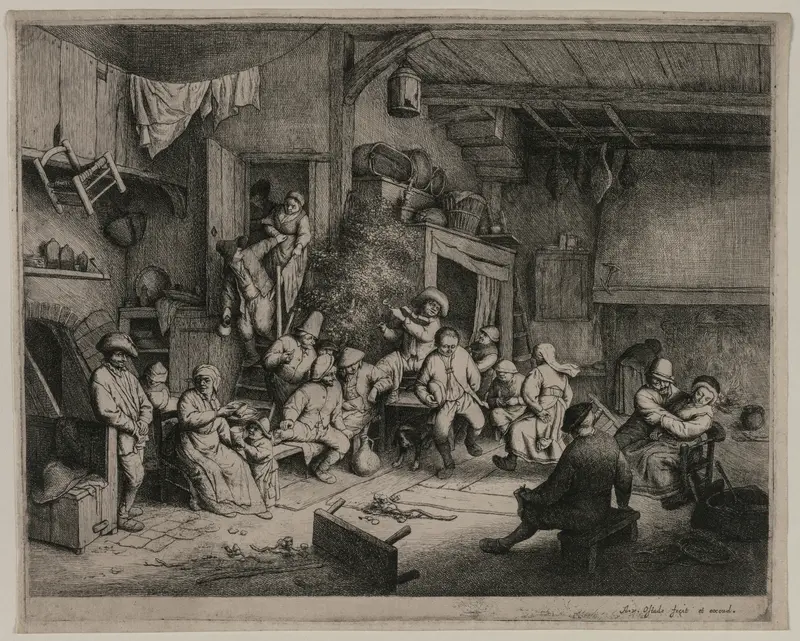
Dance at the Inn
Adriaen van Ostade
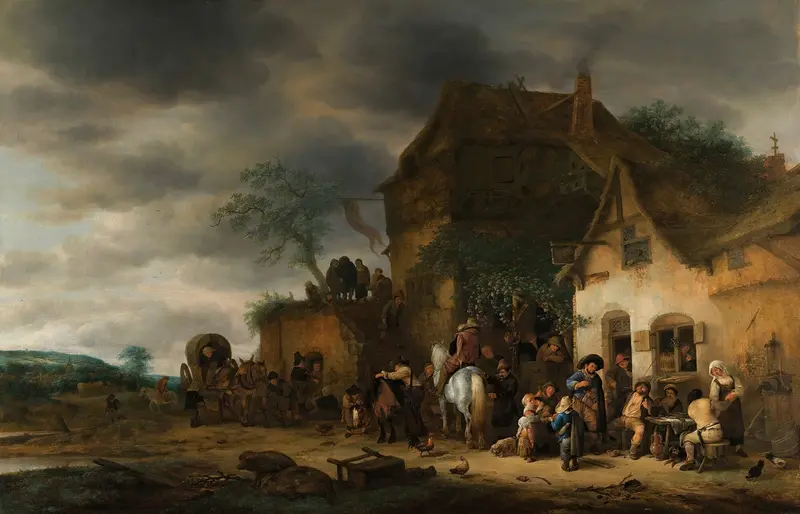
Travellers Halted At A Country Inn
Adriaen van Ostade
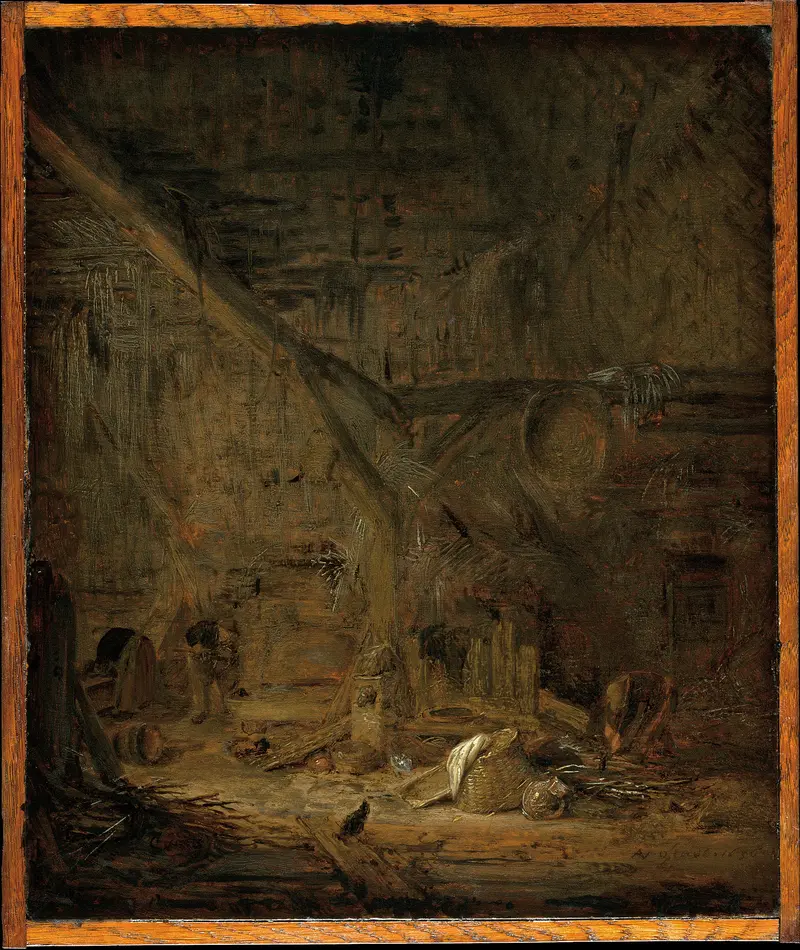
Interior of a Barn
Adriaen van Ostade
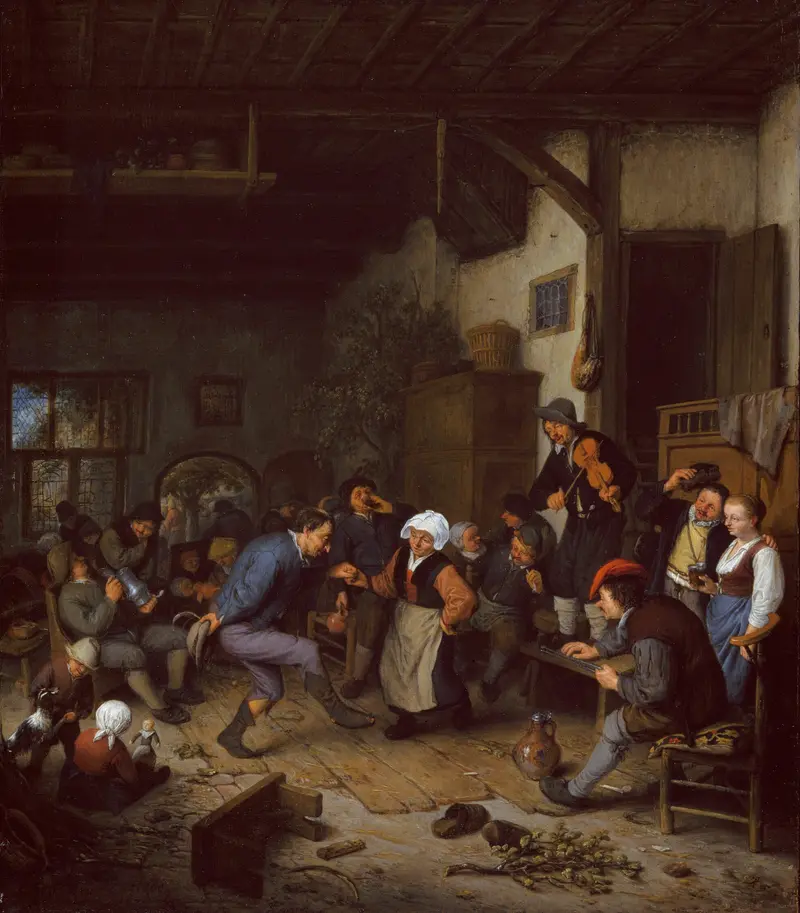
Merrymakers in an Inn
Adriaen van Ostade
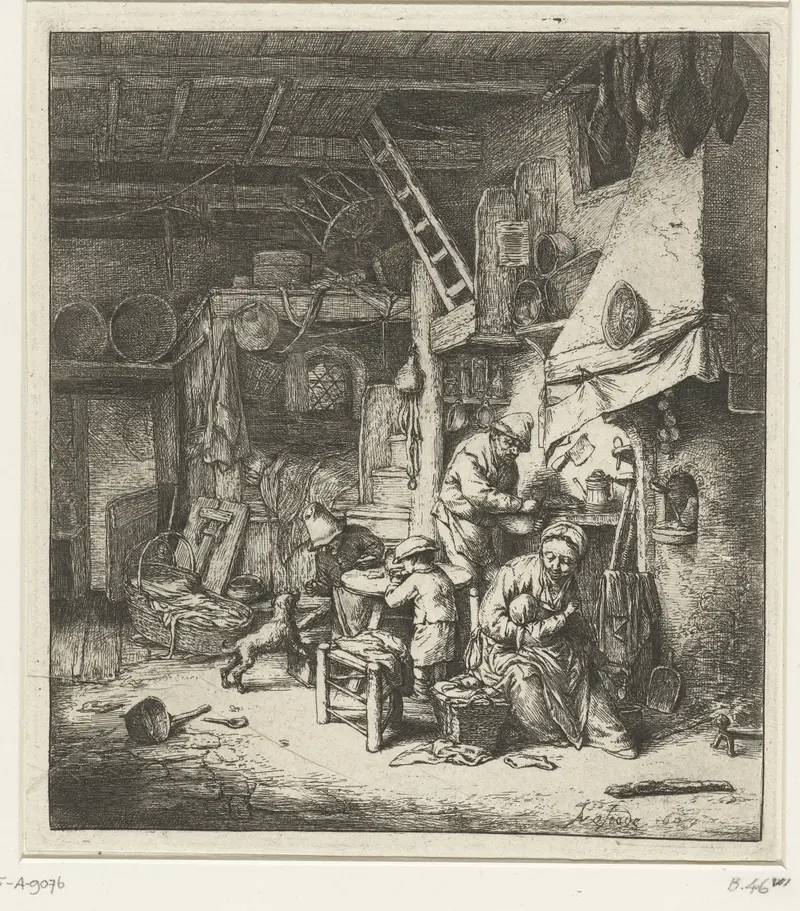
Boerengezin in interieur
Adriaen van Ostade
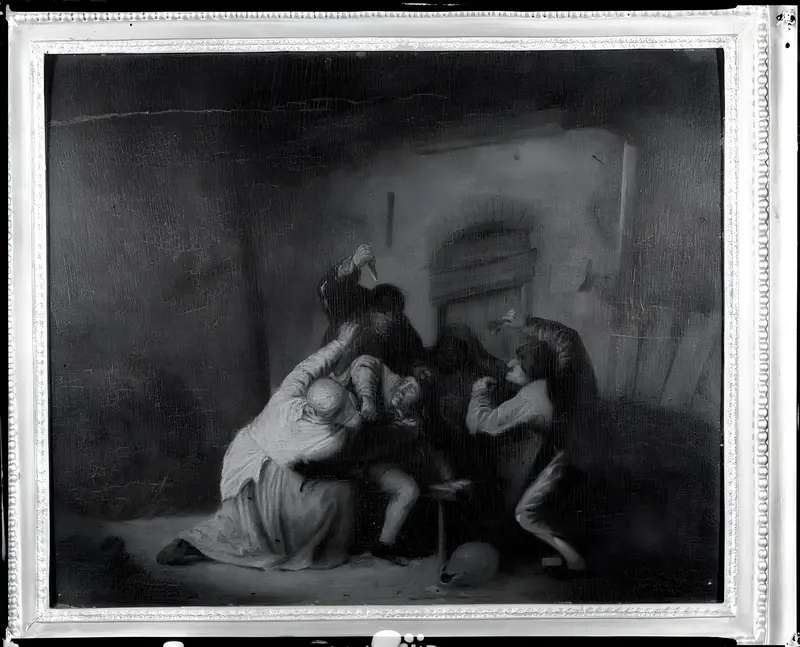
Peasants Brawling in a Tavern
Adriaen van Ostade
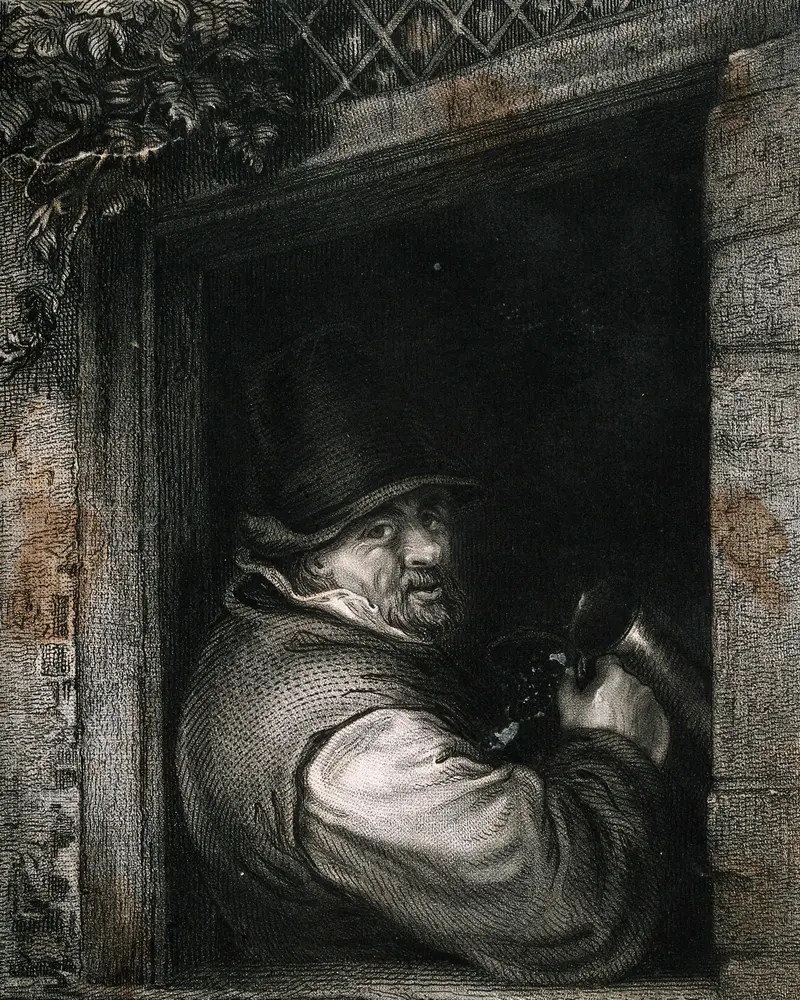
Man with a Tankard at a Window
Adriaen van Ostade
Dans in de herberg
Adriaen van Ostade





