
A Plow Horse in a Field — History & Facts
Is this a mirror — or a memory? The boundary between the past and the present blurs as we gaze into the vast expanse of a simple yet profound landscape. Look to the left at the plow horse, its solitary figure grounded against the fertile earth. The rich browns of the field contrast sharply with the deep blues of the sky, allowing the horse’s coat to emerge as a focal point of warmth and life. Notice how the sun filters through the clouds, casting gentle, dappled light over the scene, evoking a sense of serenity that envelops both animal and viewer.
The brushwork is deliberate yet fluid, creating a harmonious blend between the earth and sky, inviting contemplation. Within this tranquil composition lies a tension between labor and ease. The empty space surrounding the horse speaks to the void of solitude, while the horse, a symbol of toil, embodies both the burden and beauty of rural existence. The absence of human figures prompts introspection, serving as a reminder of the interdependence between nature and the life it sustains.
Each blade of grass sways gently, whispering secrets of the land, while the horse stands as a monument to perseverance amid the vastness. Stanislas Lépine painted this work between 1870 and 1874, during a time of significant transformation in France’s artistic landscape. The shift towards Impressionism was beginning to emerge, challenging traditional representations of nature and life. Lépine, drawn to the countryside, found inspiration in the quiet moments of rural existence, using his brush to capture both the beauty and the stillness that defined his exploration of the world around him.
More Artworks by Stanislas Lépine
Browse all →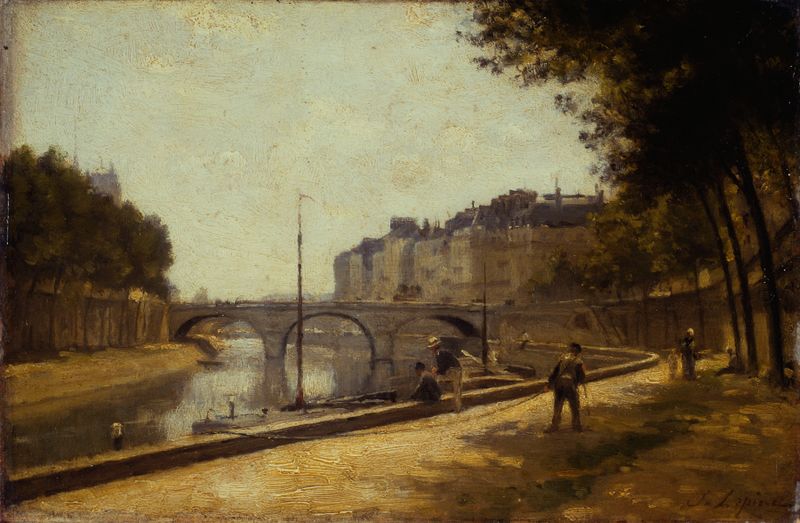
Le pont Saint-Michel
Stanislas Lépine
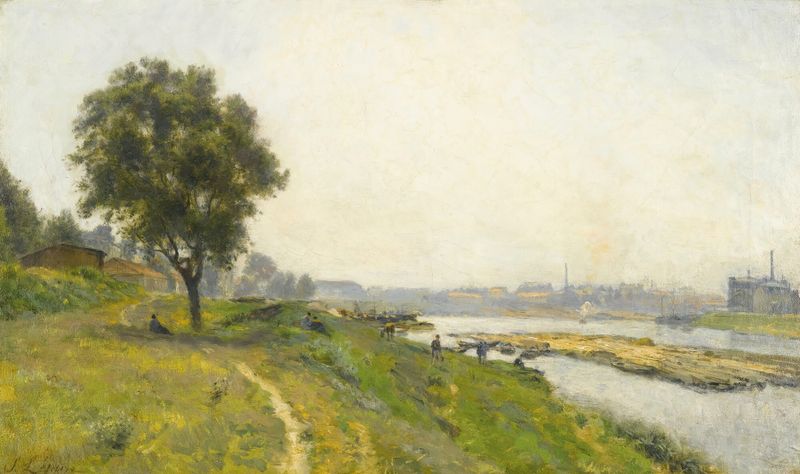
Ivry-Sur-Seine. Le Confluent Avec La Marne
Stanislas Lépine

View on the Seine, Paris
Stanislas Lépine
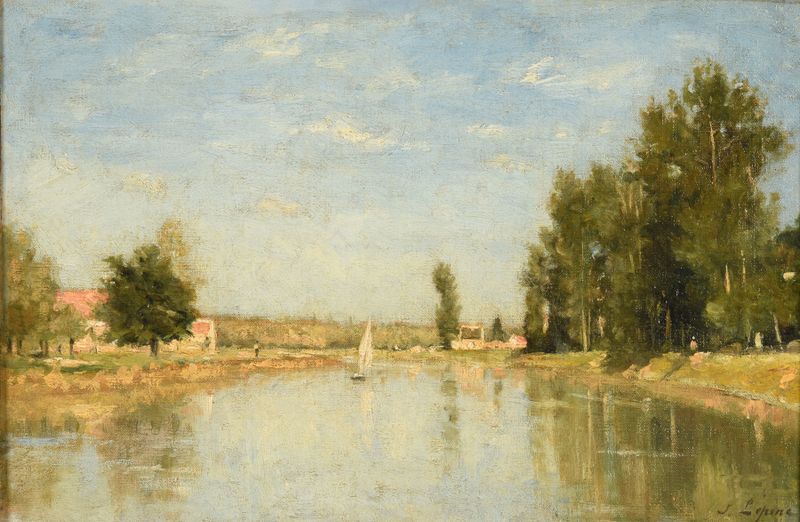
Les Bords de la Marne
Stanislas Lépine

L’île de la Cité et l’île Saint-Louis, vues du pont d’Austerlitz
Stanislas Lépine
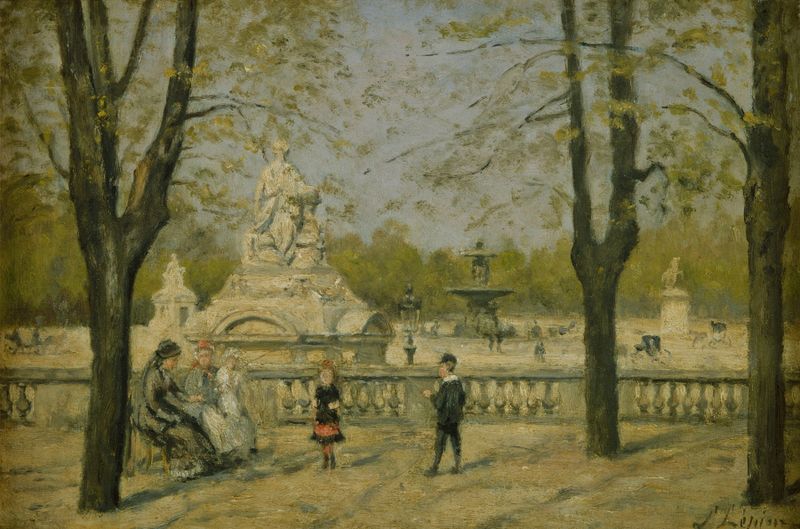
La place de la Concorde, vue de la terrasse des Tuileries
Stanislas Lépine
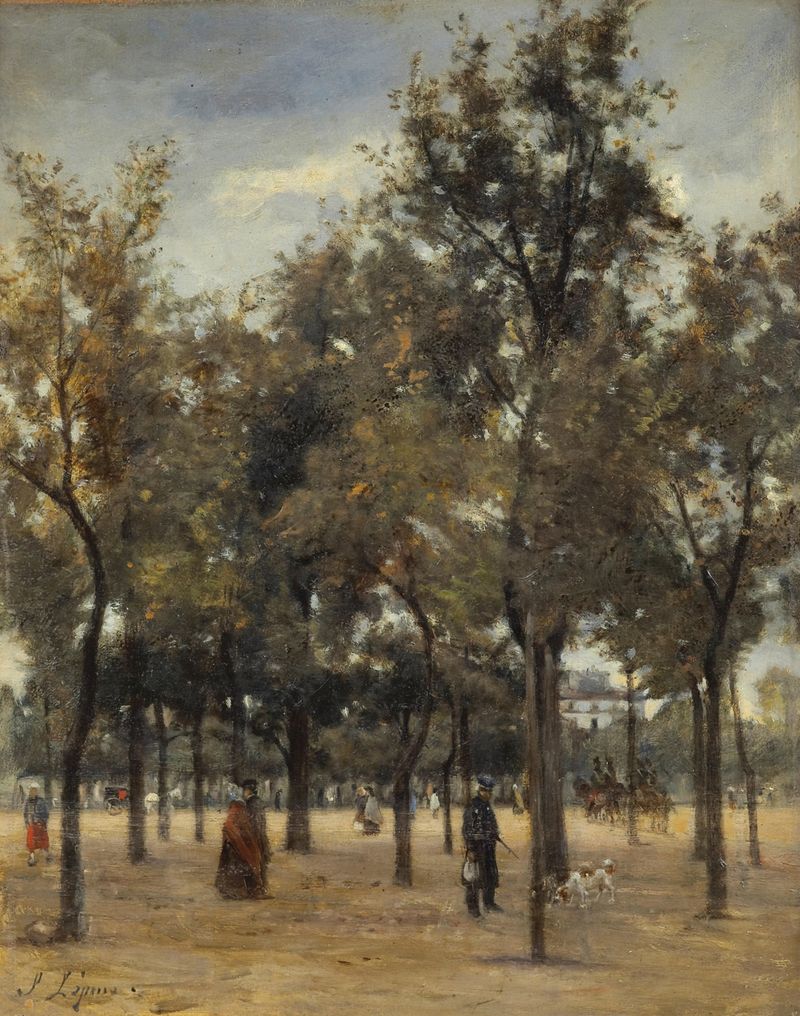
L’esplanade des Invalides
Stanislas Lépine
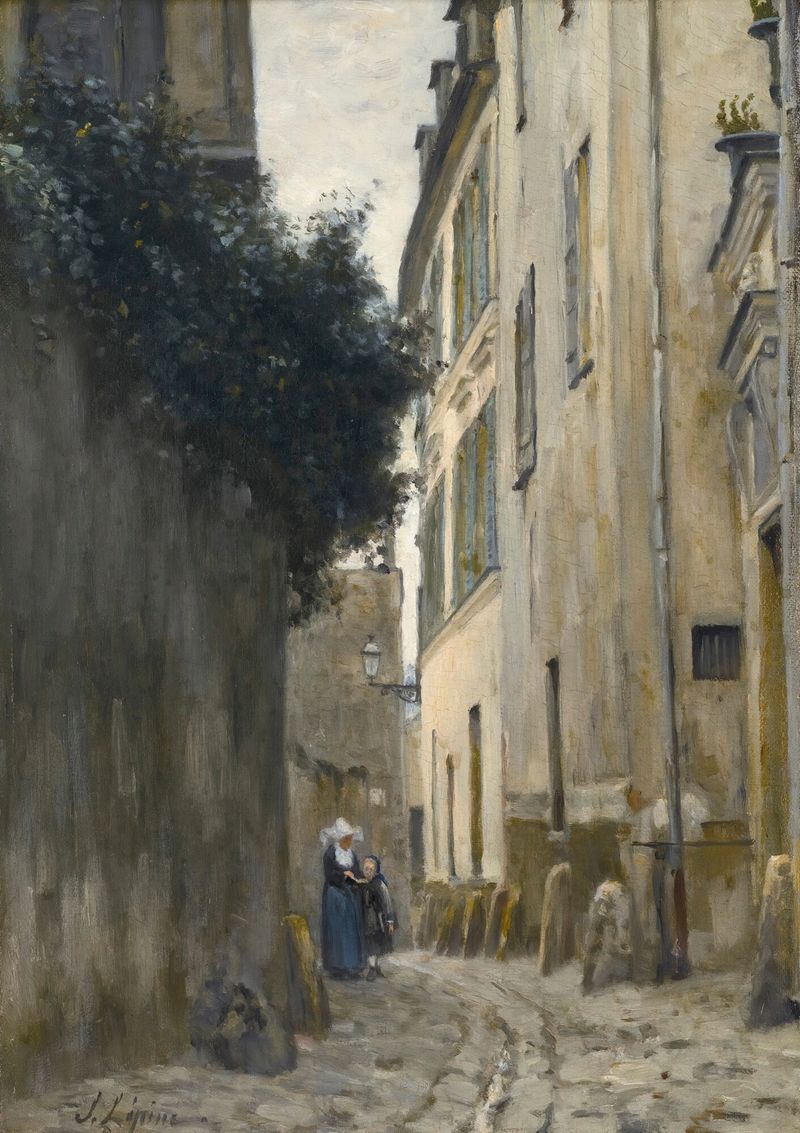
Montmartre. La Rue Saint-Vincent
Stanislas Lépine

Le Bassin de la Villette en hiver
Stanislas Lépine
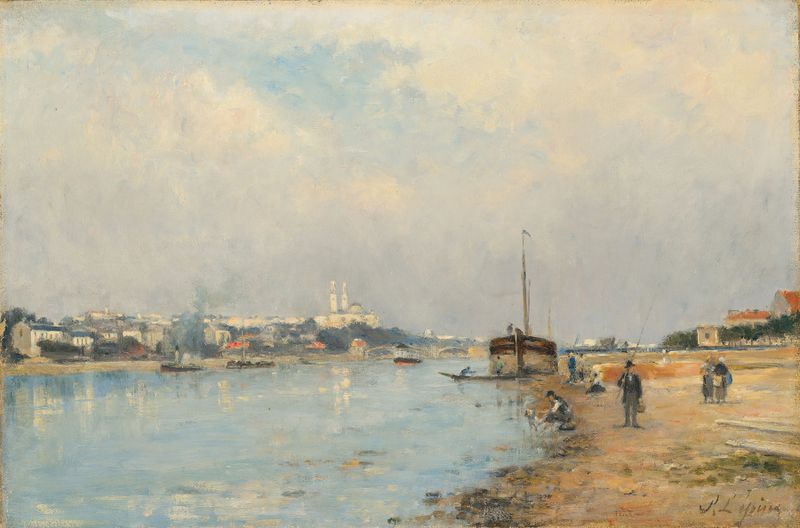
La Seine. Le Trocadéro et le pont de Grenelle, vus du quai de Javel
Stanislas Lépine





