
A quarry near Plymouth — History & Facts
In A quarry near Plymouth, the raw essence of nature is transformed into a symphony of color and texture, inviting deep contemplation. Look to the foreground where craggy rocks emerge from the earth, their surfaces textured with strokes that reveal the artist's keen observation. Focus on the subtle interplay of light and shadow; the sun dapples the rocky landscape, casting a golden hue that softens the ruggedness. The palette of earthy browns and vibrant greens suggests life amidst the stone, offering a sense of vibrant existence in an otherwise harsh environment. Beneath the surface of this tranquil yet dynamic scene lies a profound commentary on transformation.
The quarry represents both the extraction of raw materials and the beauty that emerges from it. Painstakingly crafted, the juxtaposition of jagged stone and lush greenery embodies resilience, hinting at the coexistence of industry and nature. Each brushstroke becomes a dialogue about how we shape the world around us, evoking a sense of impermanence and renewal. In 1791, while painting this piece in England, the artist was part of a burgeoning movement that sought to capture the natural world with honesty and emotion.
At a time when Romanticism was rising, he aimed to balance the harsh realities of human impact on nature with the beauty it retains, positioning himself at the intersection of artistic innovation and environmental consciousness.
More Artworks by William Payne
Browse all →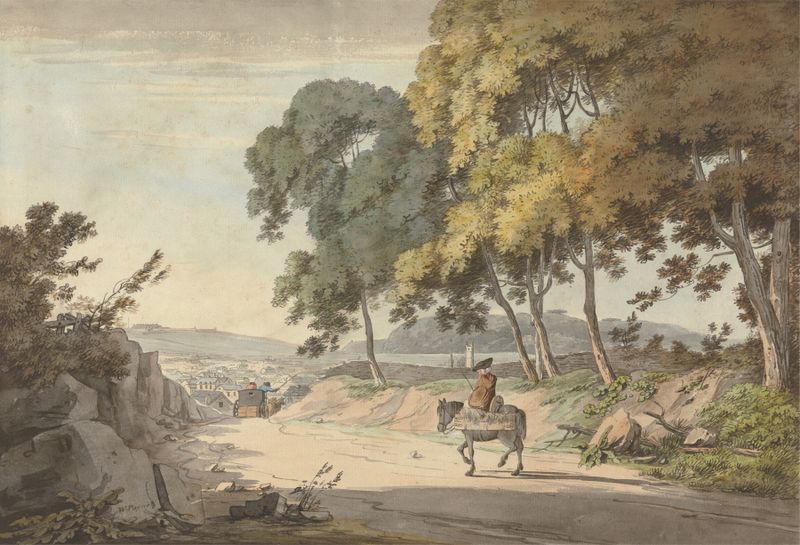
View of Plymouth taken from the Seven Trees, Exeter Road
William Payne

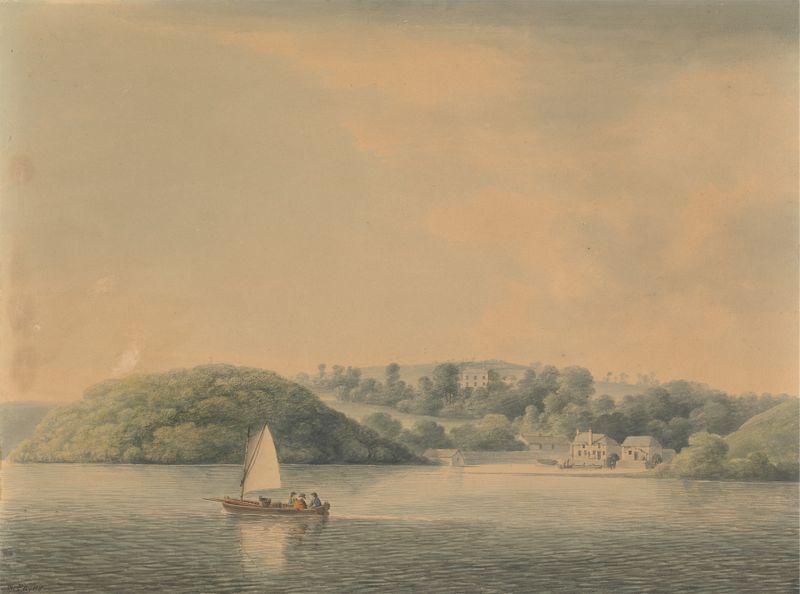
Britten Ferry, Mount Edgecombe
William Payne
Mill on the Tavy
William Payne

Distant View of Exmouth from Exeter
William Payne
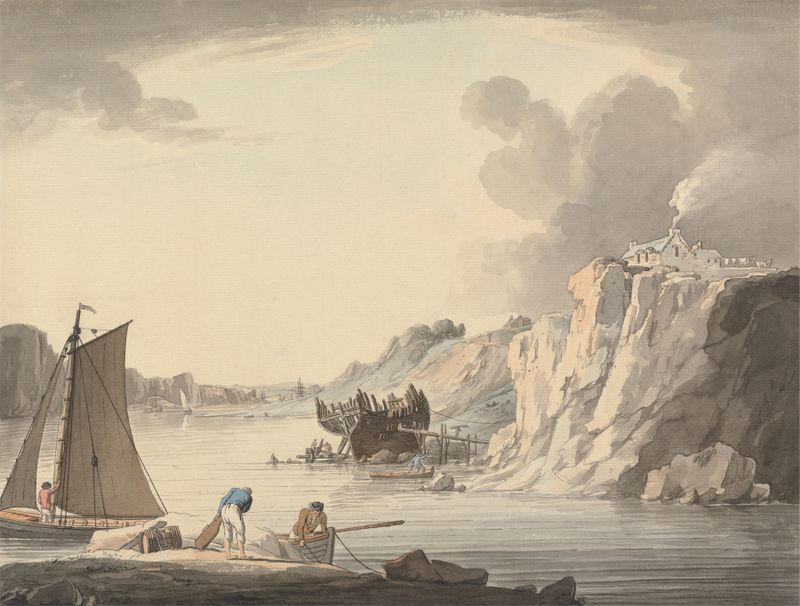
Entrance to Stonehouse Creek, between Plymouth and Dock, Devon
William Payne
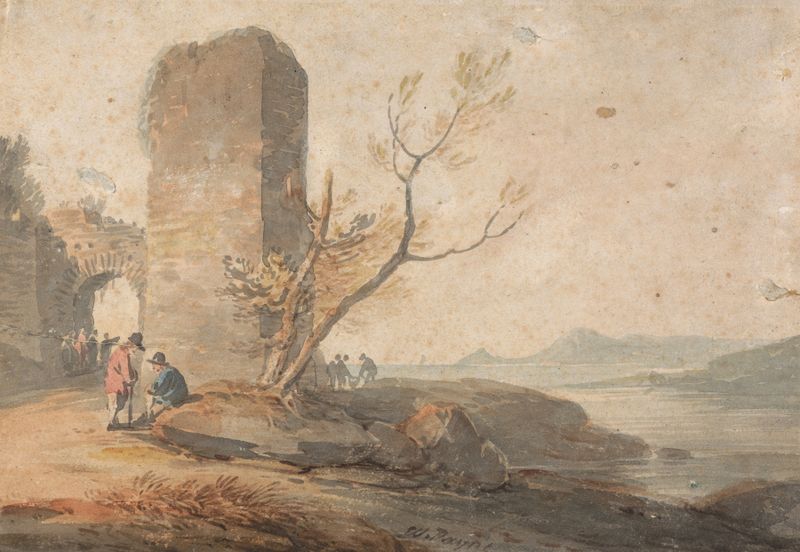
Figures by a Ruined Arch
William Payne
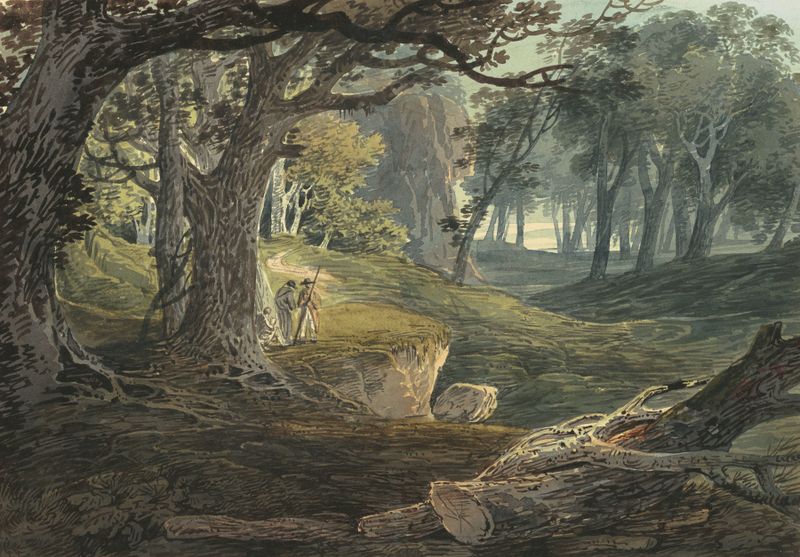
Travellers in a Woodland Glade
William Payne
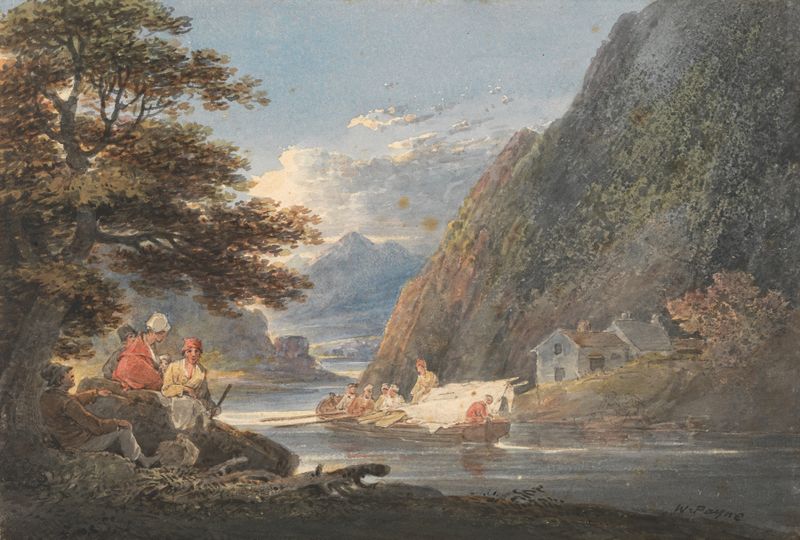
On the River Tivy, near Cardigan, Wales
William Payne
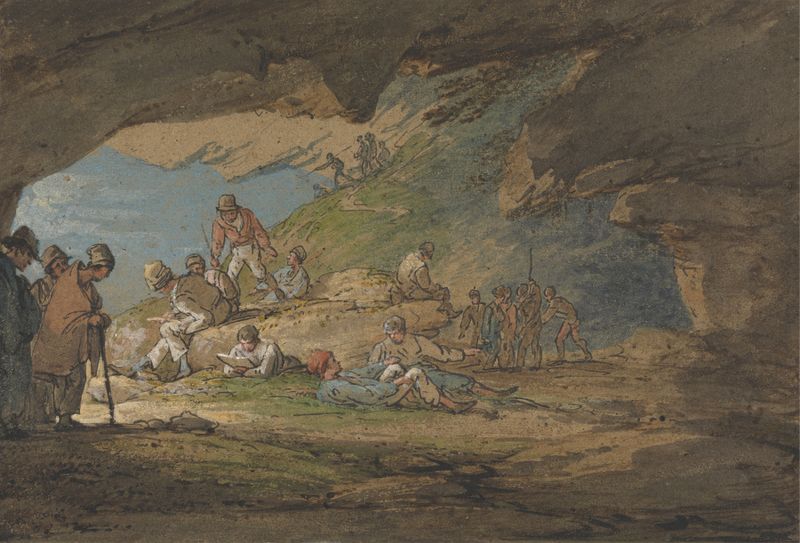
A Cave in Sunlight, with Figures
William Payne
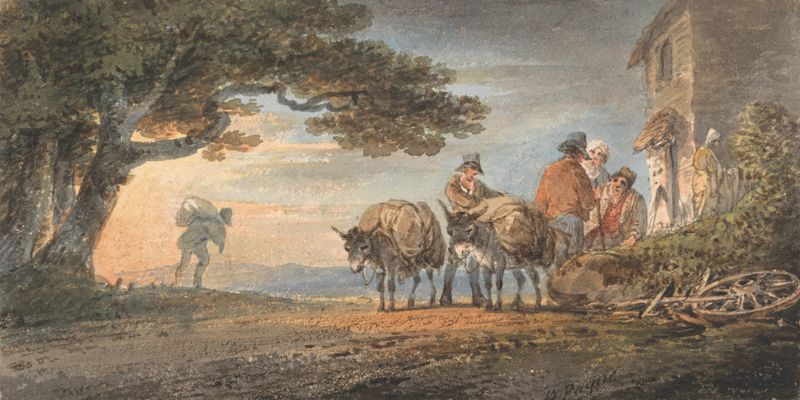
Drivers and Burros Resting at Sunset
William Payne





