
A Rider and a Dead Horse in a Landscape — History & Facts
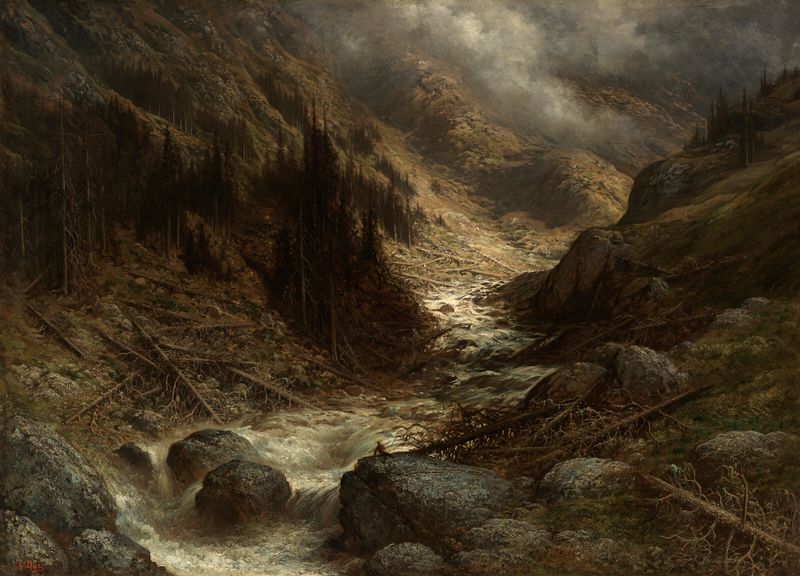
What secret hides in the quiet of the canvas? A stillness envelops the viewer, juxtaposed with the looming presence of chaos just beneath the surface. Look to the left at the figure of the rider, hunched and weary, a spectral silhouette against the vast expanse of the landscape. The stark contrast of light and shadow captures the somber mood, while the muted earth tones evoke a sense of desolation. Notice how the dead horse lies in the foreground, its lifeless form a poignant reminder of mortality amidst a seemingly endless wilderness.
The rolling hills stretch into the horizon, their gentle curves belying the turmoil that permeates the scene, drawing the gaze outward but never allowing escape. In this stark tableau, the rider’s posturing reveals a deeper emotional conflict—a struggle against fate and the encroaching void. The dead horse contrasts life and death, a powerful symbol of the inevitable chaos that weaves through existence. The barren landscape amplifies this tension, suggesting a world stripped of vibrancy and hope, yet simultaneously inviting contemplation of resilience and despair. Created during a time when French society was grappling with significant upheaval, the artist painted this work amid the tumult of the 19th century.
Doré, known for his intricate illustrations, infused his canvases with a dramatic flair that echoed the anxieties of his era. The painting captures not only a moment frozen in time but also reflects the artist's keen perceptiveness to the chaos that surrounded him.
More Artworks by Gustave Doré
Browse all →
Fairy Land
Gustave Doré
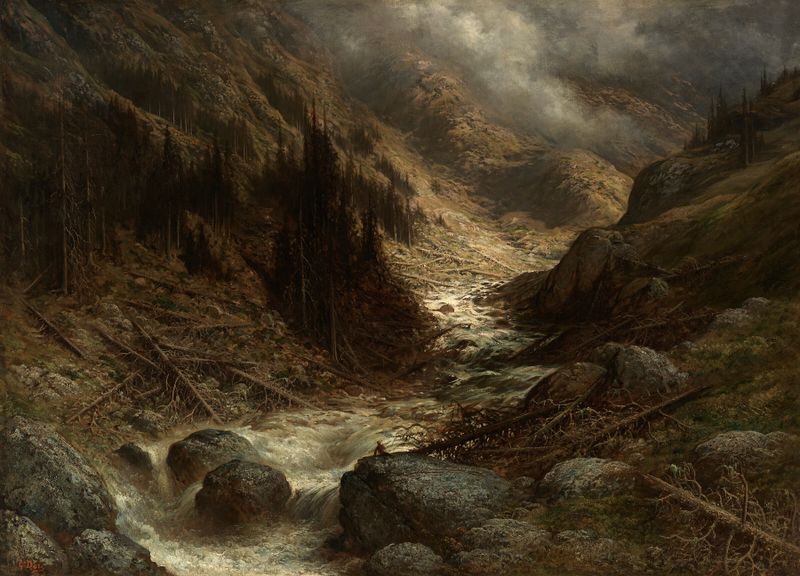
Un torrent dans l’Engadine
Gustave Doré
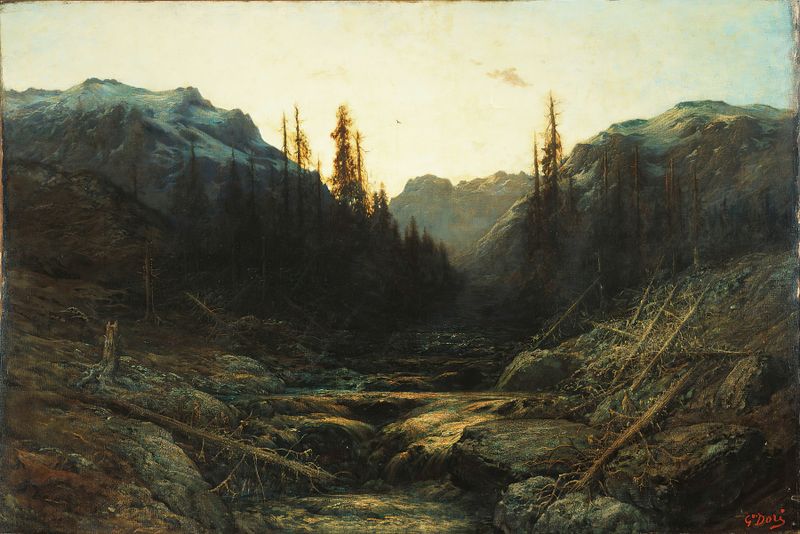
Stream in Mountains at Dusk
Gustave Doré
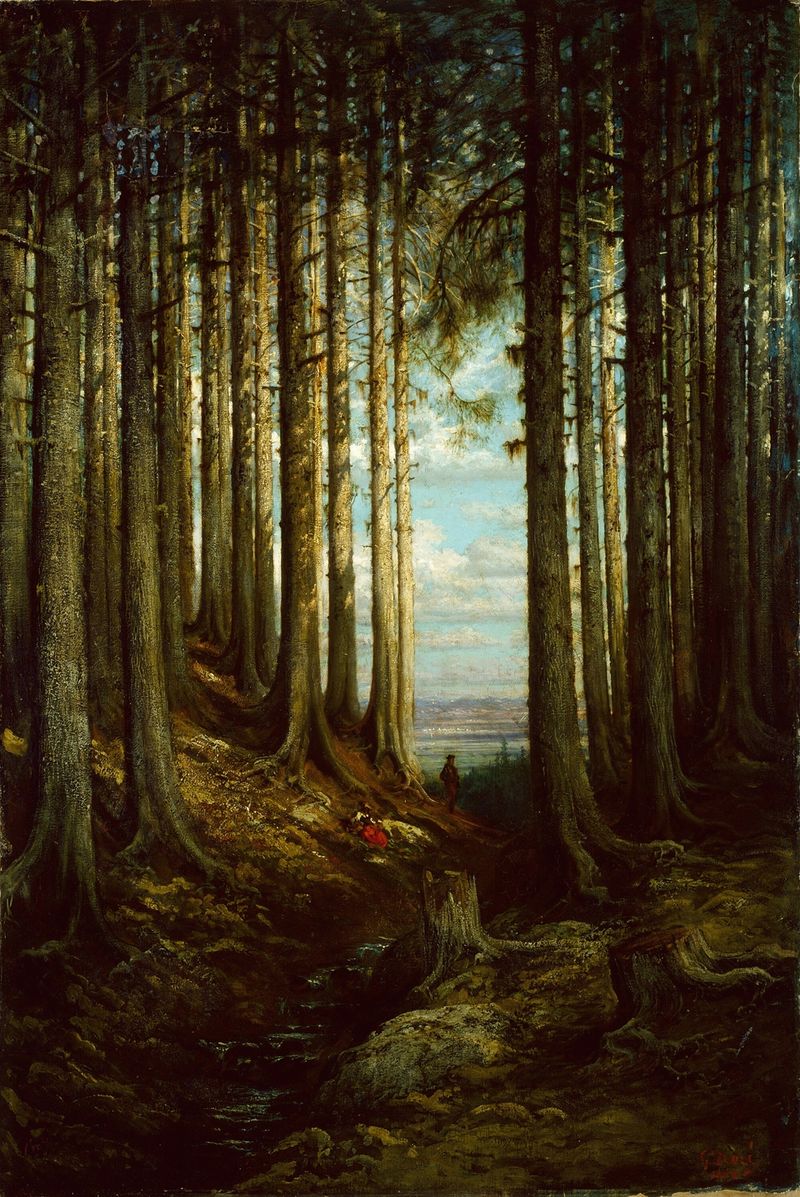
Alpine Scene
Gustave Doré

Torrent in the Highlands
Gustave Doré

An Alpine Valley with Trees and Boulders
Gustave Doré
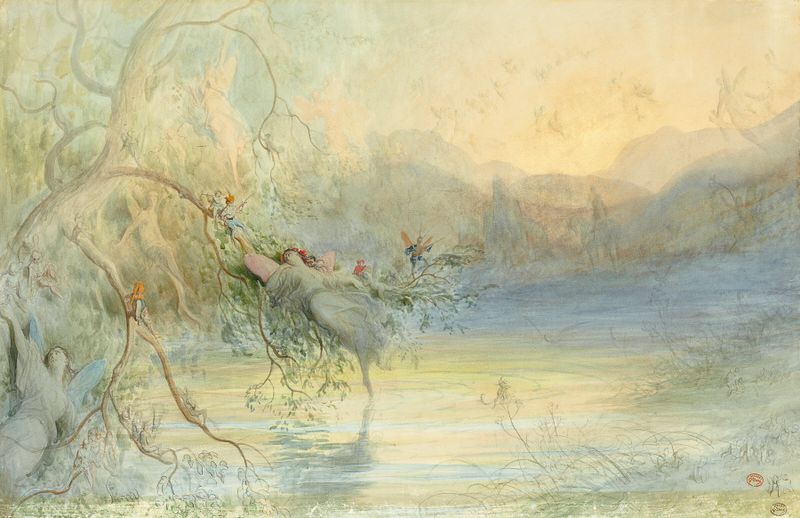
Étude pour ‘Les Fées’
Gustave Doré

Via Mala
Gustave Doré
Un torrent dans l’Engadine
Gustave Doré

Loch Lomond
Gustave Doré





