
Fairy Land — History & Facts
Who listens when art speaks of silence? In Gustave Doré's Fairy Land, color becomes the voice of enchantment, whispering tales of dreams and reverie. Look to the lower section of the canvas, where vibrant hues dance with gentle strokes, inviting your gaze. The lush greens and soft pinks create a tapestry of foliage, each brushstroke rendering a delicate harmony that feels almost alive. Notice how the ethereal light filters through the trees, casting playful shadows that hint at hidden secrets within this mystical realm.
The vivid contrasts between light and dark emphasize the otherworldly quality of the scene, drawing you deeper into a place where the ordinary bends to the extraordinary. Within this artistic wonderland, the juxtaposition of light and shadow holds profound emotional significance. The vibrant colors evoke a sense of joy and innocence, while the lurking shadows suggest a more profound, unspoken tension, perhaps the fragility of dreams. Here, nature embodies both wonder and mystery, reflecting the complexities of human imagination and the duality of existence—where light coexists with darkness, and fantasy dances at the edge of reality. In 1881, Doré was immersed in the heart of the Romantic movement, creating this artwork during a prolific period of his career.
At that time, he was in Paris, where the art scene was buzzing with new ideas and experimentation. His mastery of illustration and painting was being celebrated, yet he sought to capture deeper emotional landscapes. This piece is a testament to his ability to blend narrative and visual beauty, cementing his legacy as a pioneer of fantastical art.
More Artworks by Gustave Doré
Browse all →
A Rider and a Dead Horse in a Landscape
Gustave Doré
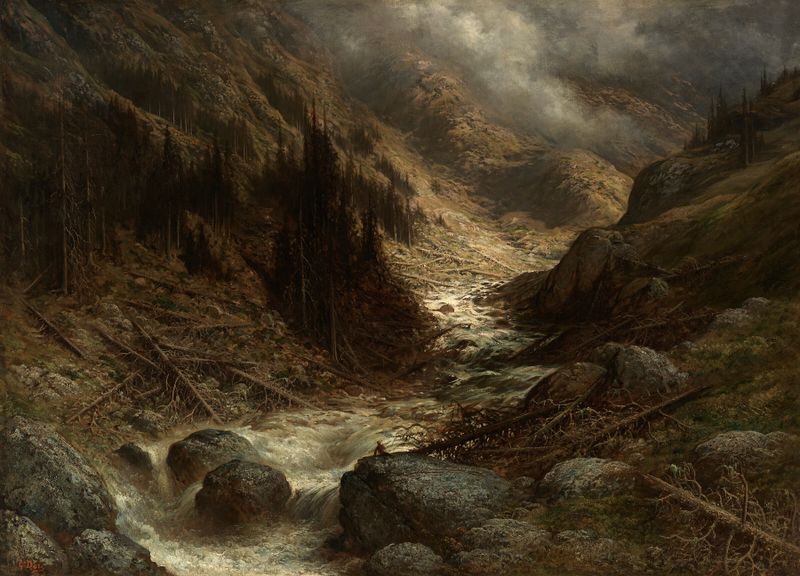
Un torrent dans l’Engadine
Gustave Doré
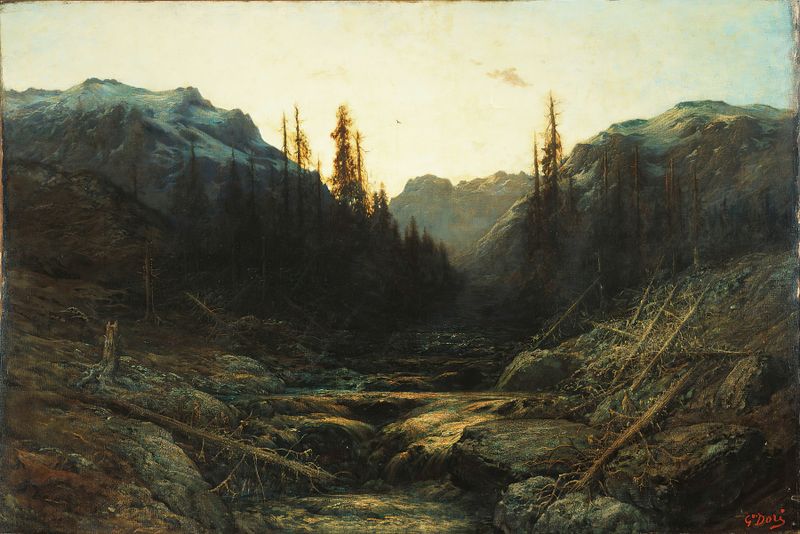
Stream in Mountains at Dusk
Gustave Doré
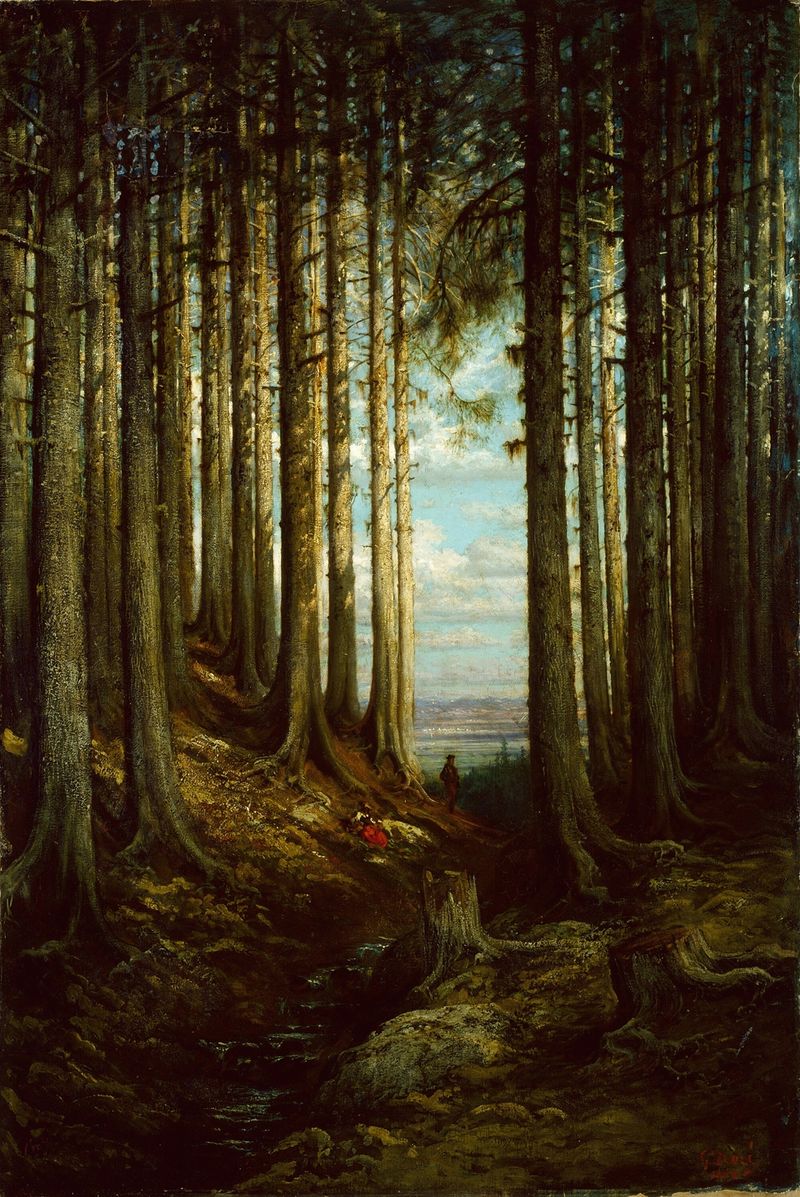
Alpine Scene
Gustave Doré

Torrent in the Highlands
Gustave Doré

An Alpine Valley with Trees and Boulders
Gustave Doré
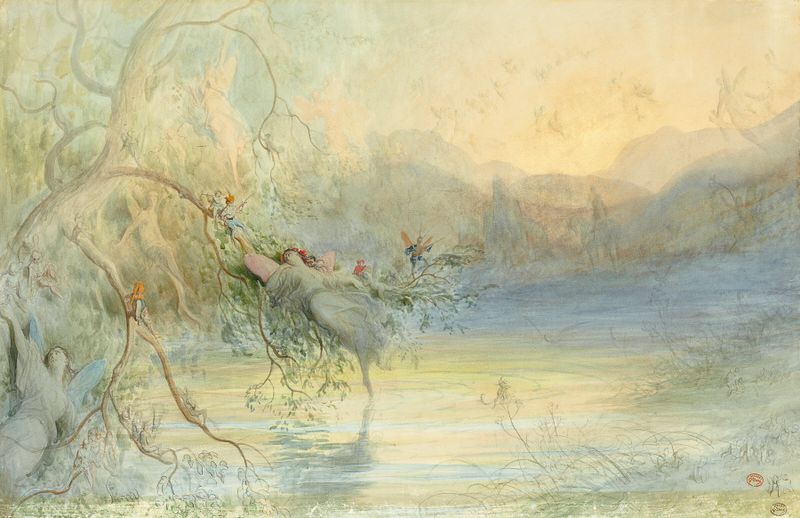
Étude pour ‘Les Fées’
Gustave Doré

Via Mala
Gustave Doré
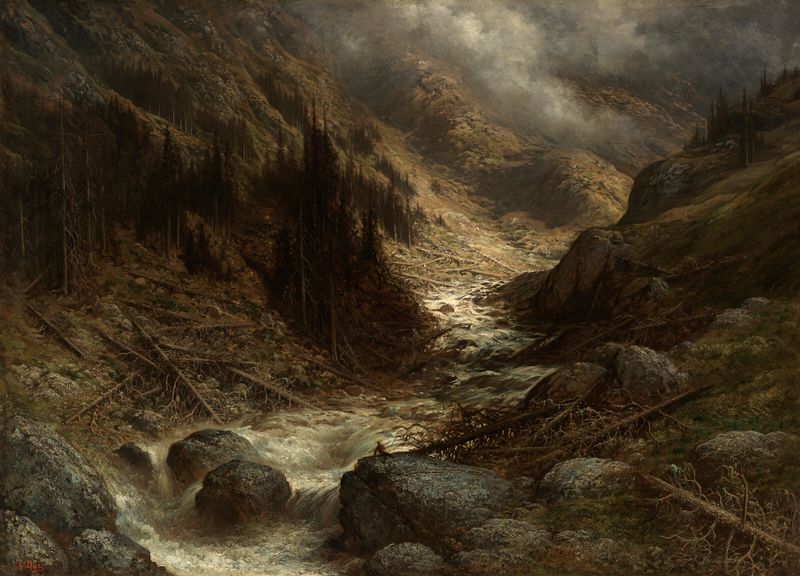
Un torrent dans l’Engadine
Gustave Doré

Loch Lomond
Gustave Doré





