
A River in Normandy — History & Facts
Can beauty exist without sorrow? The interplay of light and shadow in this riverside landscape suggests a world where nature's serenity coexists with life's fleeting moments. Look to the left at the gentle swell of the river, the soft blue waters reflecting the cotton candy hues of the sky above. Focus on how the brushstrokes dance across the canvas, creating a harmonious blend of greens and browns, while the delicate clouds whisper of a moment just before twilight. The composition invites the viewer in, capturing the essence of the idyllic yet transient atmosphere of Normandy. The quiet flow of the river contrasts with the vibrant foliage, revealing how tranquility can harbor hidden depths of emotion.
Notice the distant figures, mere silhouettes against nature’s expansive canvas; they embody the human experience, suggesting that our presence in such beauty is both a gift and a reminder of our insignificance. The subtle tension between the tranquil scene and the emotional weight it carries evokes a profound sense of transcendence. Richard Parkes Bonington created A River in Normandy between 1824 and 1825, during a time when he was deeply influenced by the Romantic movement in art. Living in France, he was inspired by the region's natural beauty, while grappling with personal struggles and the societal shifts of the early 19th century.
This period in his life marked a shift towards a more impressionistic style, paving the way for a new generation of artists who would further explore the relationship between landscape and emotion.
More Artworks by Richard Parkes Bonington
Browse all →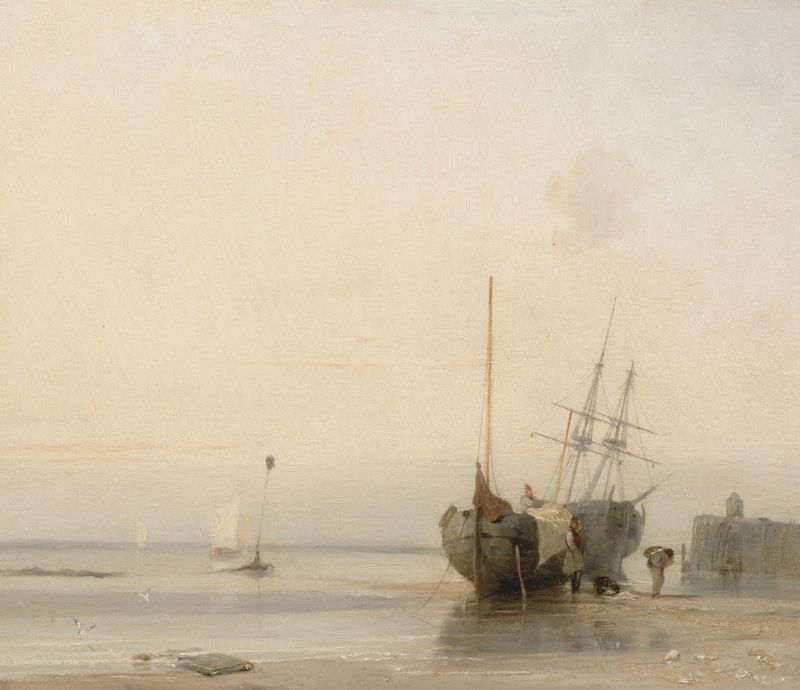
Calais Jetty, France
Richard Parkes Bonington
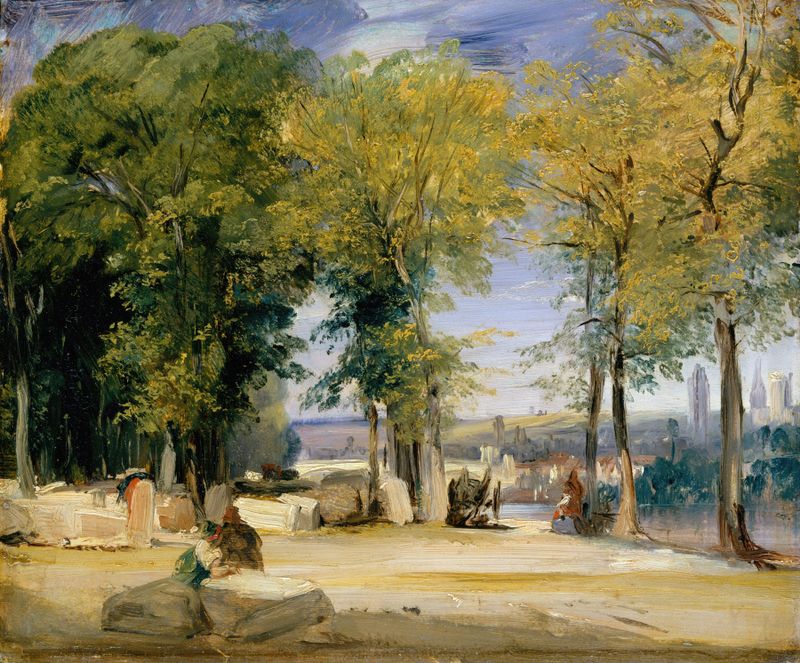
View near Rouen
Richard Parkes Bonington
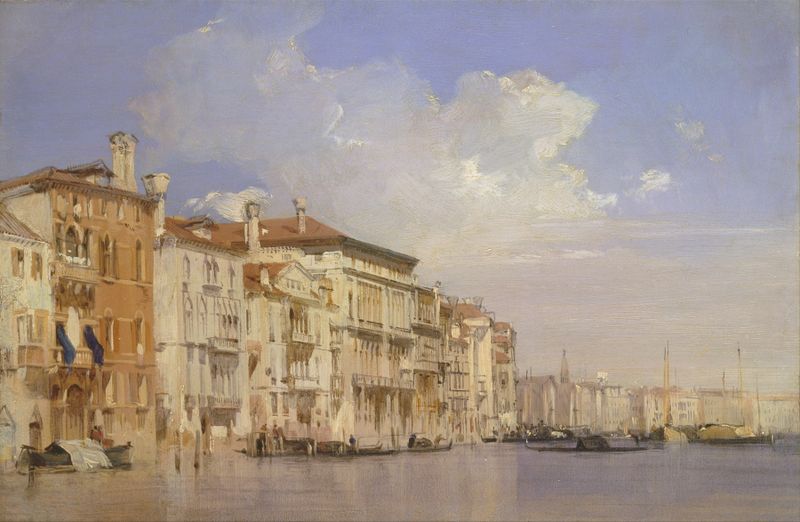
Grand Canal, Venice
Richard Parkes Bonington
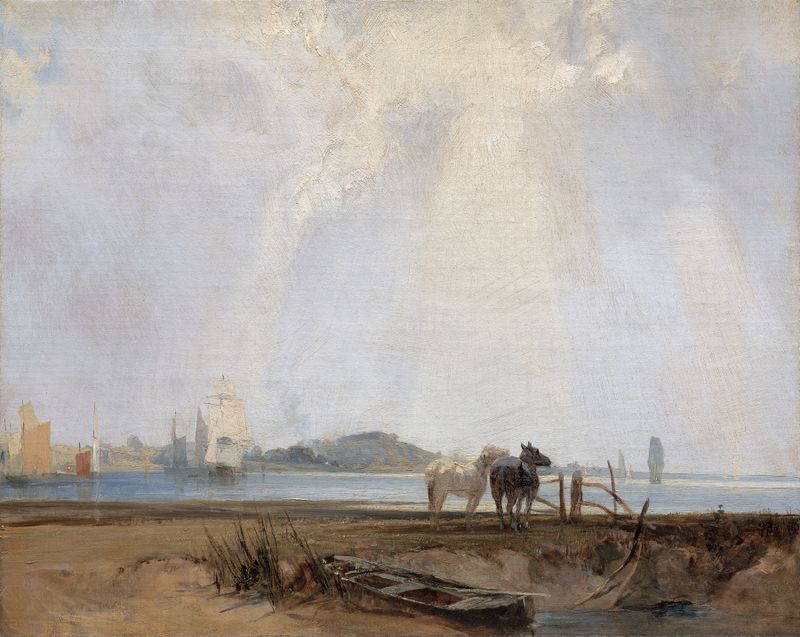
Near Quillebeuf
Richard Parkes Bonington
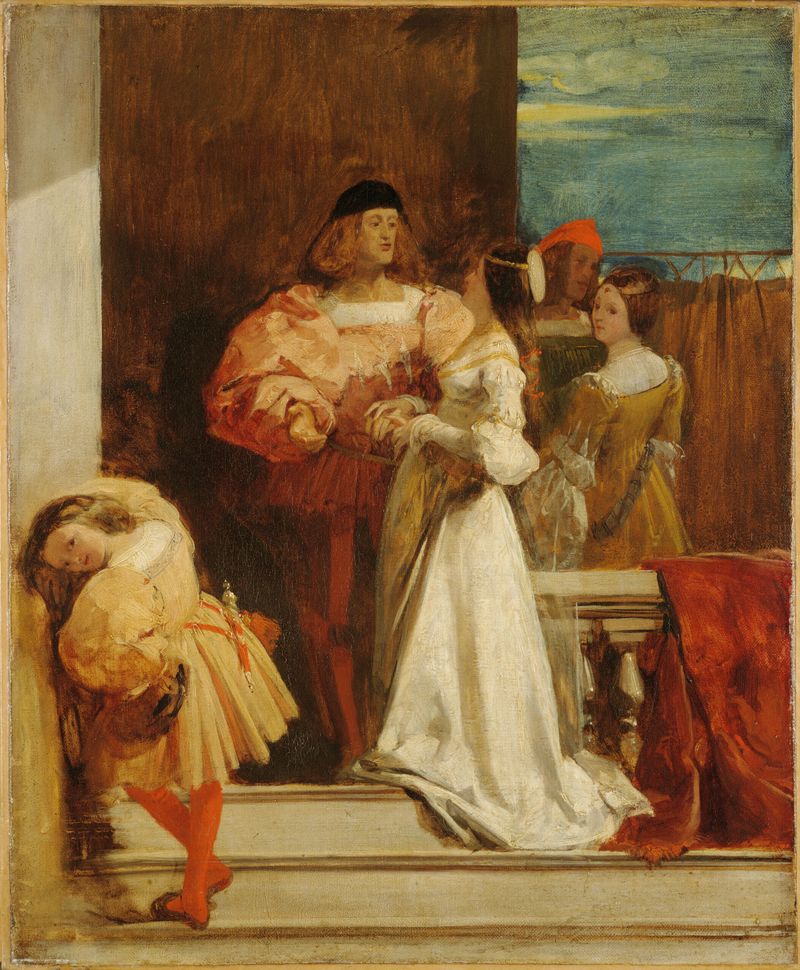
Evening in Venice
Richard Parkes Bonington
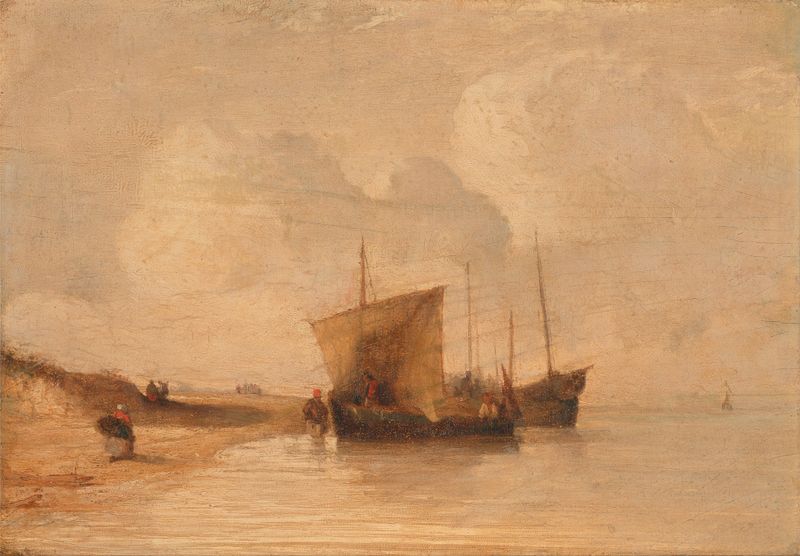
Normandy Coast
Richard Parkes Bonington
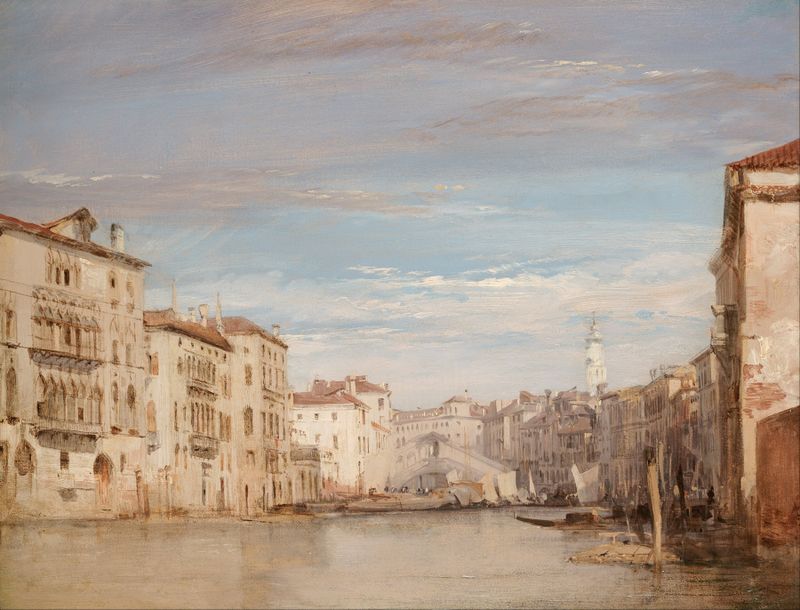
The Grand Canal, Venice, Looking Toward the Rialto
Richard Parkes Bonington
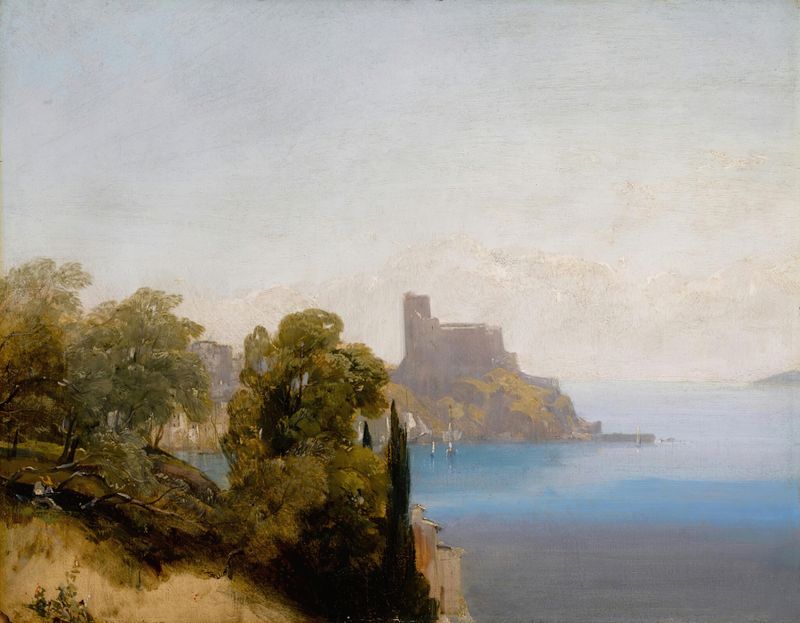
View of Lerici with Baron Charles Rivet sketching in the foreground
Richard Parkes Bonington
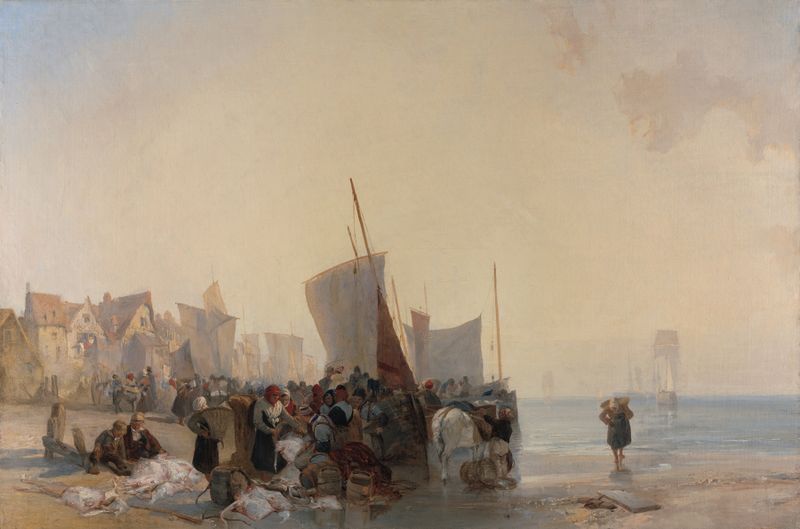
A Fish-market near Boulogne
Richard Parkes Bonington
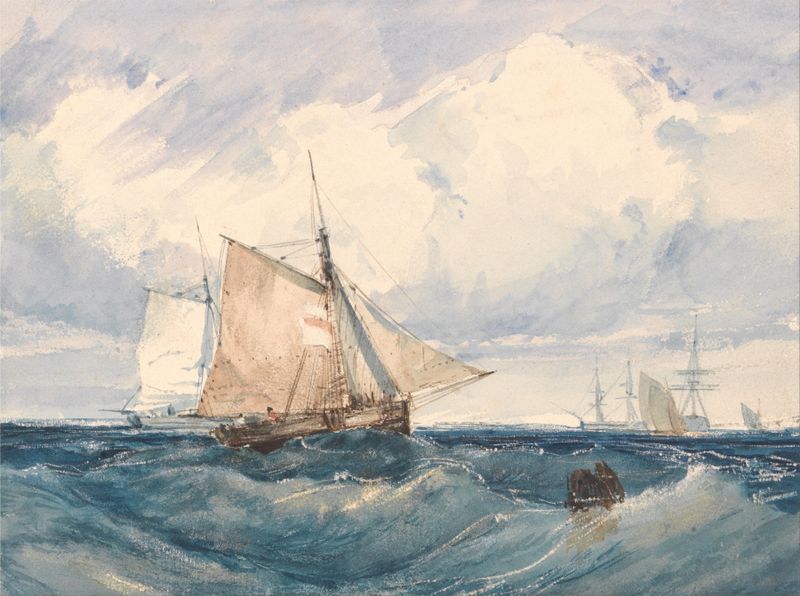
A Cutter and other shipping in a Breeze
Richard Parkes Bonington





