
A river scene — History & Facts
In the stillness of a river scene, colors whisper secrets of tranquility and longing, inviting the viewer to listen closely. Look to the left at the gentle ripples of water, where a subtle cast of blue and green dances across the surface, reflecting the soft hues of the sky above. The composition is elegantly balanced, with a delicate interplay of light and shadow, drawing the eye to the horizon where a faint line hints at distant land. The colors are muted yet rich, creating a serene yet melancholic atmosphere that is both inviting and introspective. At first glance, the scene appears idyllic, yet the serene waters conceal a deeper emotional undercurrent.
The gentle curves of the river suggest a sense of journey and passage, evoking thoughts of time's flow and the transient nature of existence. The light that bathes the landscape seems to hold its breath, encapsulating a moment that feels suspended between reality and memory, inviting a personal reflection on what lies beneath the surface. In 1861, the artist was residing in London, exploring the influences of Impressionism and developing his unique style that would bridge traditional techniques with modern sensibilities. This period marked a time of personal upheaval, as he grappled with financial instability and the challenges of the art world, yet he managed to capture the essence of a quiet moment, defining his approach to color and composition in this captivating work.
More Artworks by James Abbott McNeill Whistler
Browse all →
Nocturne in Blue and Silver
James Abbott McNeill Whistler
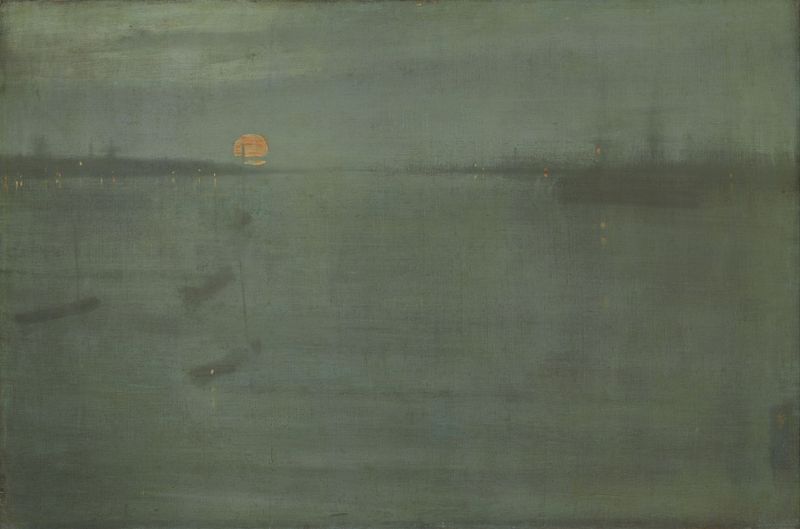
Nocturne: Blue and Gold–Southampton Water
James Abbott McNeill Whistler
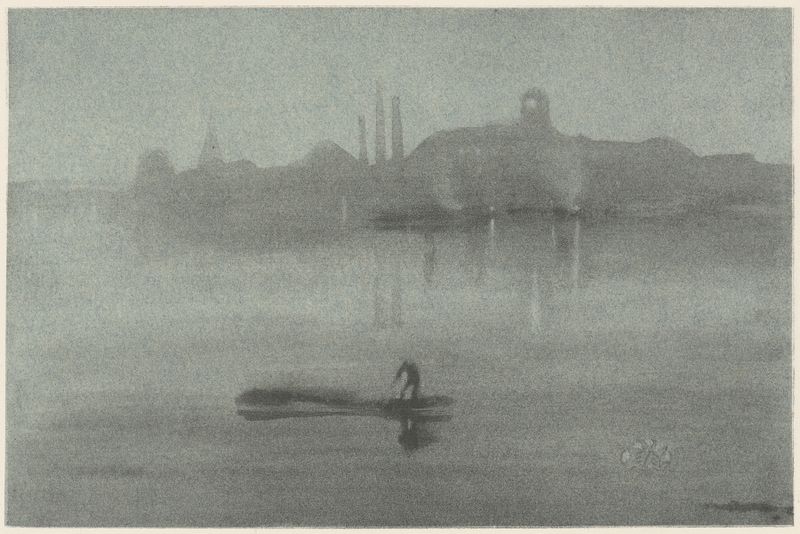
Nocturne
James Abbott McNeill Whistler
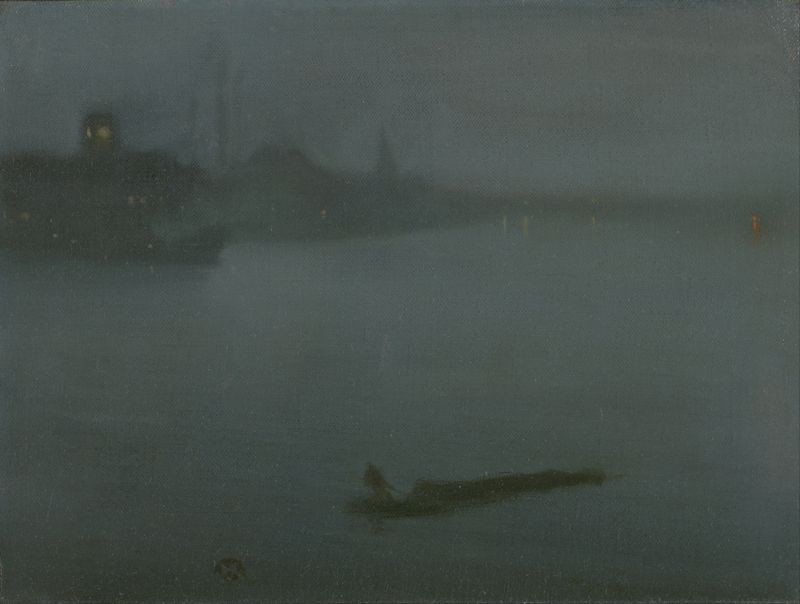
Nocturne in Blue and Silver
James Abbott McNeill Whistler
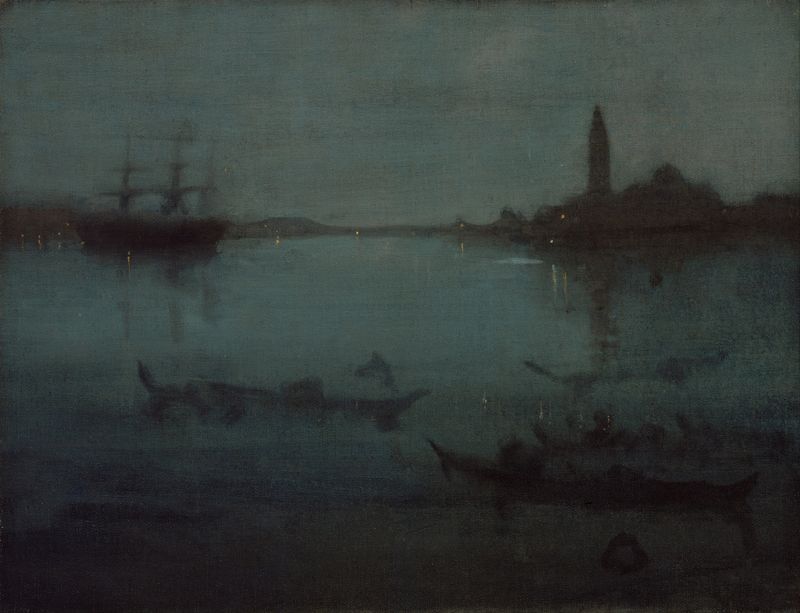
Nocturne in Blue and Silver- The Lagoon, Venice
James Abbott McNeill Whistler
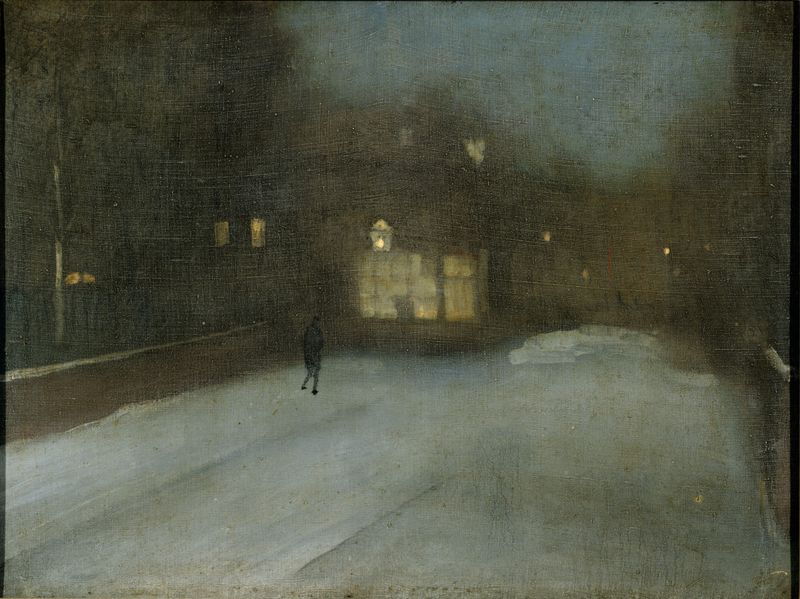
Nocturne in Grey and Gold: Chelsea Snow
James Abbott McNeill Whistler
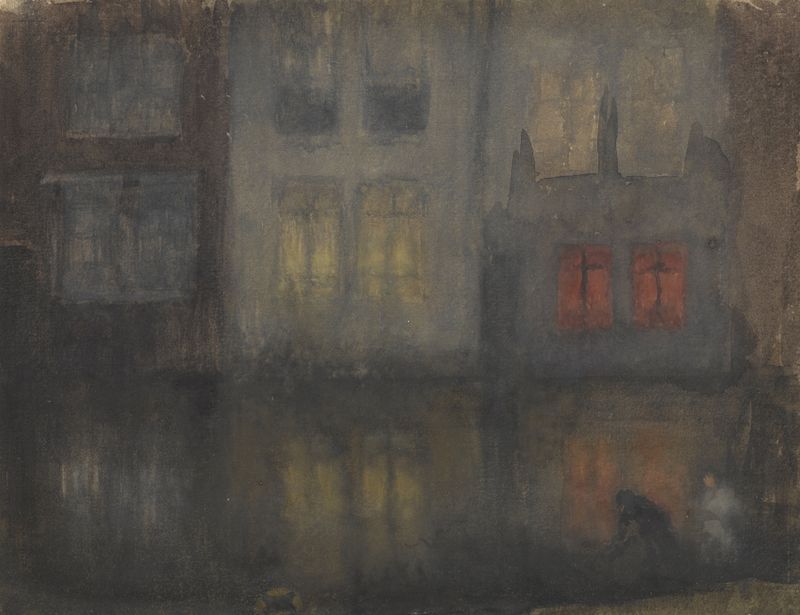
Nocturne: Black and Red—Back Canal, Holland
James Abbott McNeill Whistler
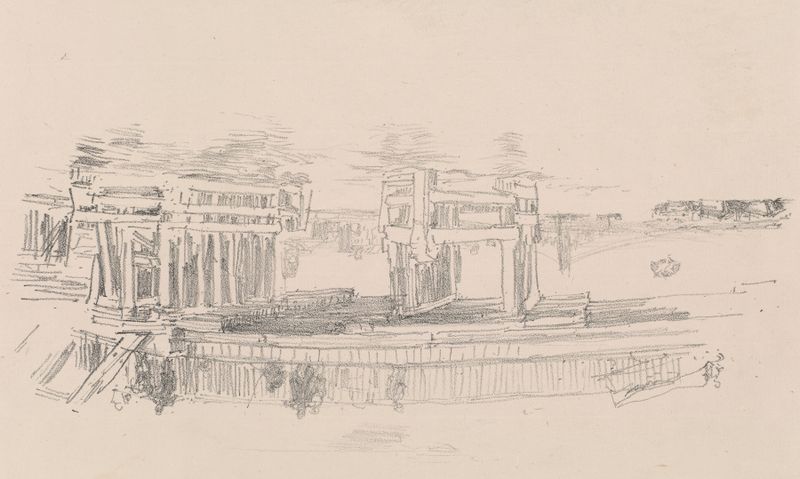
Old Battersea Bridge
James Abbott McNeill Whistler

Nocturne: Blue and Silver–Battersea Reach
James Abbott McNeill Whistler
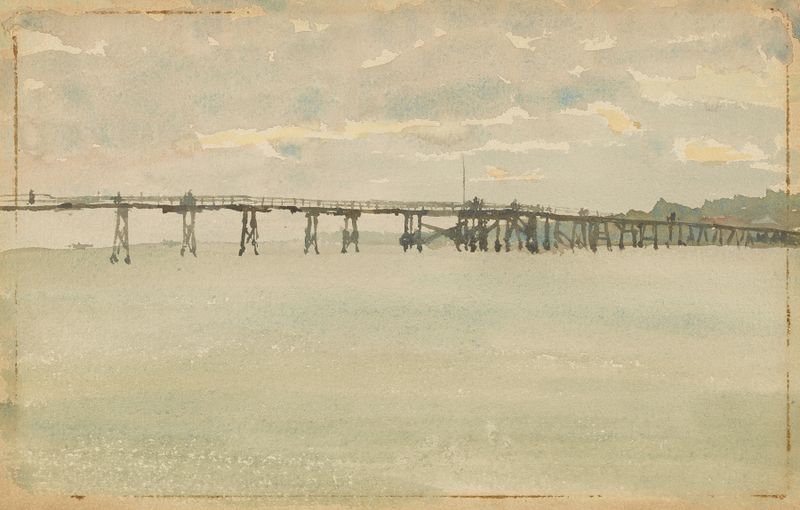
Grey and Silver–Pier, Southend
James Abbott McNeill Whistler





