
A Rocky Coast — History & Facts
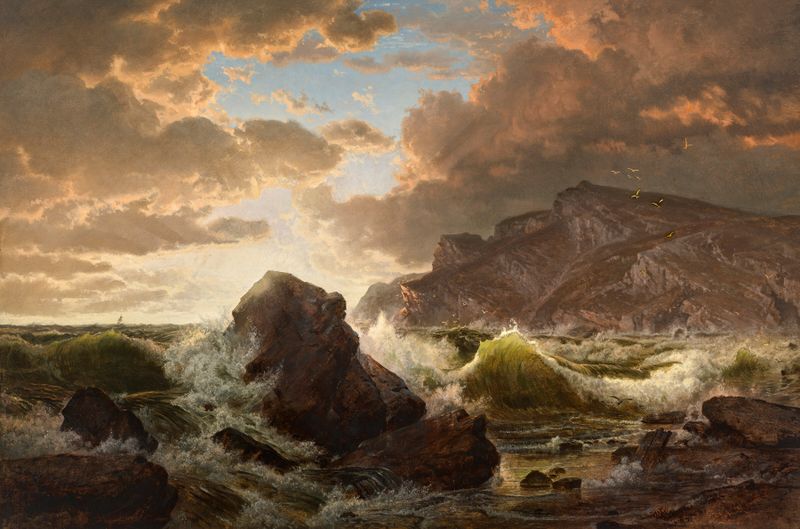
What secret hides in the quiet of the canvas? In the depths of a rocky seascape, nature’s raw beauty unfolds, inviting contemplation and introspection amid tumultuous splendor. Look to the left at the jagged cliffs that rise majestically from the tumultuous waters below. The artist's meticulous brushstrokes breathe life into the textures of the rocks, where shades of gray and brown contrast sharply against the deep blue of the sea. Notice how the sunlight filters through the clouds, casting a gentle glow on the water’s surface, illuminating the foamy edges of the waves.
Each element draws the eye into an intricate dance between chaos and stability, revealing a moment of serenity amid nature’s relentless force. As your gaze lingers, consider the emotional duality present here—the stark cliffs symbolize permanence, while the ever-changing ocean reflects the passage of time and the transitory nature of life. The interplay of light and shadow evokes a sense of calm contemplation, perhaps hinting at the artist's own yearning for connection with the vastness of existence. The subtle details—the seagulls almost hovering in the air, the gentle ripples in the water—invite viewers to pause and reflect on their own place within this grand spectacle. In 1877, while living in Pennsylvania, the artist captured A Rocky Coast during a period of significant artistic development.
He was deeply influenced by the Hudson River School and the American Romantic movement, which sought to portray the sublime beauty of nature. This work reflects his commitment to realism and detail, as well as his fascination with the ever-changing dynamics of light and landscape, aligning with the broader transformations occurring in American art at that time.
More Artworks by William Trost Richards
Browse all →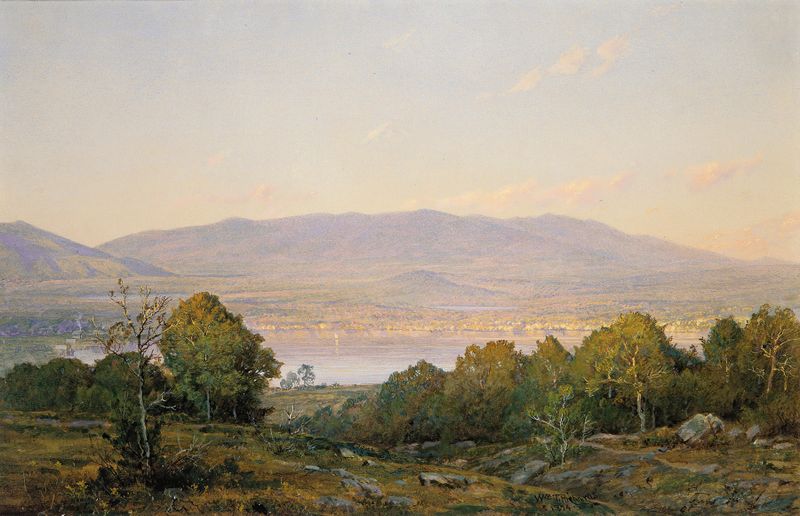
Sundown at Centre Harbor, New Hampshire
William Trost Richards
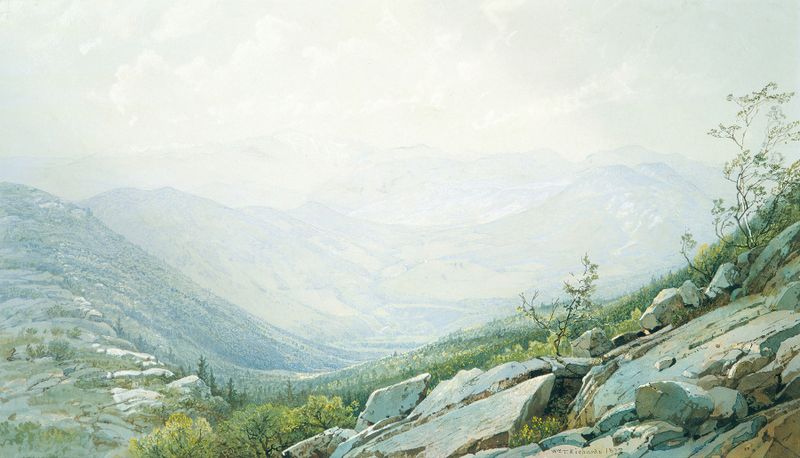
The Mount Washington Range, from Mount Kearsarge
William Trost Richards
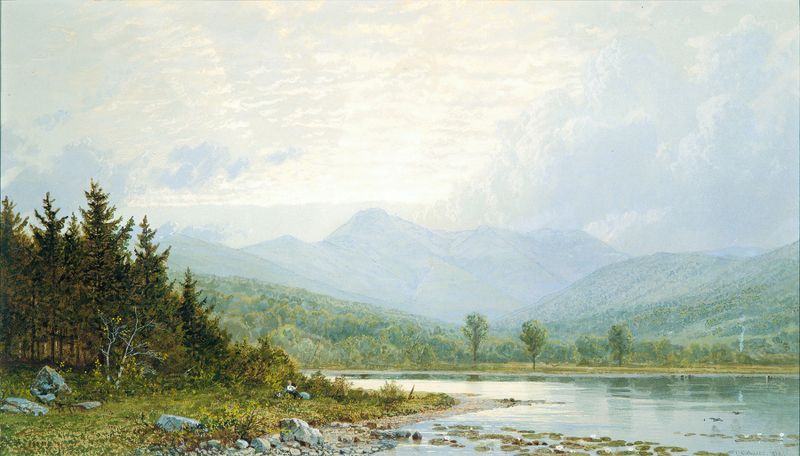
Sunset on Mount Chocorua, New Hampshire
William Trost Richards
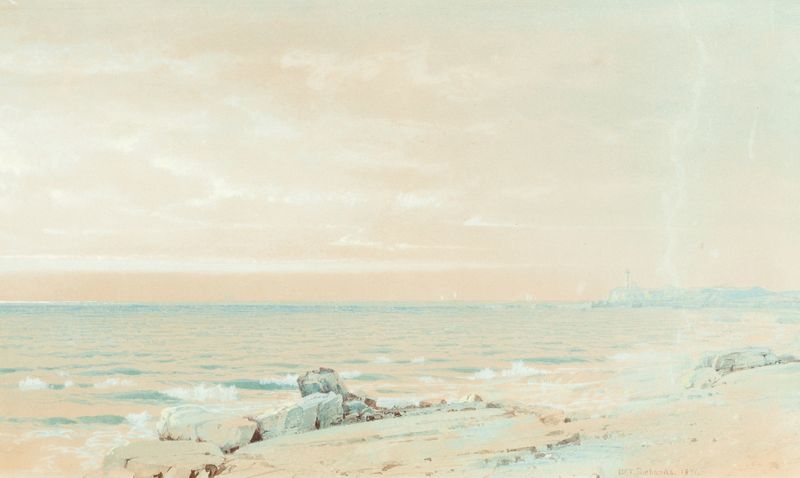
Point Judith
William Trost Richards

Moonlight on Mount Lafayette, New Hampshire
William Trost Richards

Point Judith
William Trost Richards

Dunes Near Atlantic City
William Trost Richards

Near Lands End, Cornwall
William Trost Richards
Coastal Scene
William Trost Richards

Crashing Waves
William Trost Richards





