
A Ruined Abbey by a Waterfall — History & Facts
This echoes throughout the realm of art, urging us to look deeper into the layers of longing and loss that often accompany beauty. In A Ruined Abbey by a Waterfall, the viewer is invited to reflect on the complex emotions evoked by the juxtaposition of nature's splendor and human decay. Look to the left, where the rugged remnants of an abbey emerge from a lush, verdant landscape. The crumbling stones, rendered with delicate brushwork, speak of history and time, standing in stark contrast to the vibrant green foliage that flourishes around them.
Notice how the sunlight filters through the trees, casting a warm glow that bathes the scene in an almost ethereal quality. The waterfall cascades beside the ruins, its movement animated and lively, pulsating against the stillness of the past, creating a captivating tension of life and stillness. Hidden within this tranquil vista lies a poignant narrative—the ruins symbolize not just physical decay but the emotional scars left by lost faith and fading memories. The waterfall, while a source of life, also evokes a sense of relentless passage, mirroring the inevitable erosion of both nature and the constructs of humanity.
This complex interplay between permanence and transience forms the emotional core of the piece, prompting viewers to confront their own experiences of yearning and loss. William Payne painted A Ruined Abbey by a Waterfall around 1800, during a period marked by Romanticism's embrace of nature and nostalgia. Living in England, he was part of a movement that sought solace and inspiration in the untamed beauty of the landscape, often reflecting on the ruins of the past as symbols of emotional and spiritual exploration. Payne's work captures this moment in art history, where yearning for connection to a bygone era resonated deeply with his contemporaries and continues to speak to us today.
More Artworks by William Payne
Browse all →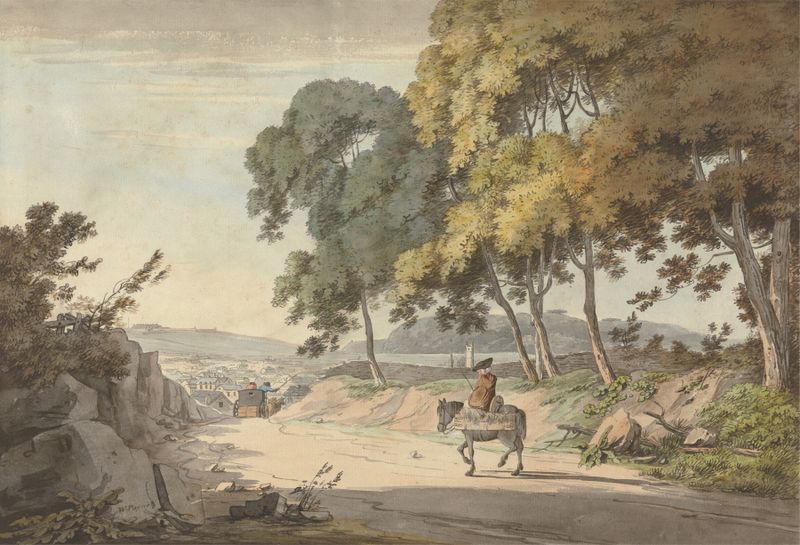
View of Plymouth taken from the Seven Trees, Exeter Road
William Payne

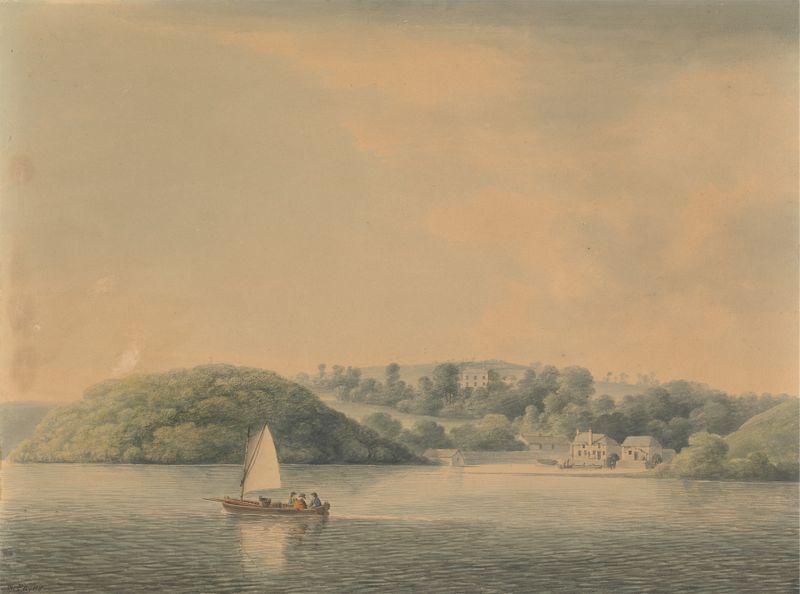
Britten Ferry, Mount Edgecombe
William Payne
Mill on the Tavy
William Payne

Distant View of Exmouth from Exeter
William Payne
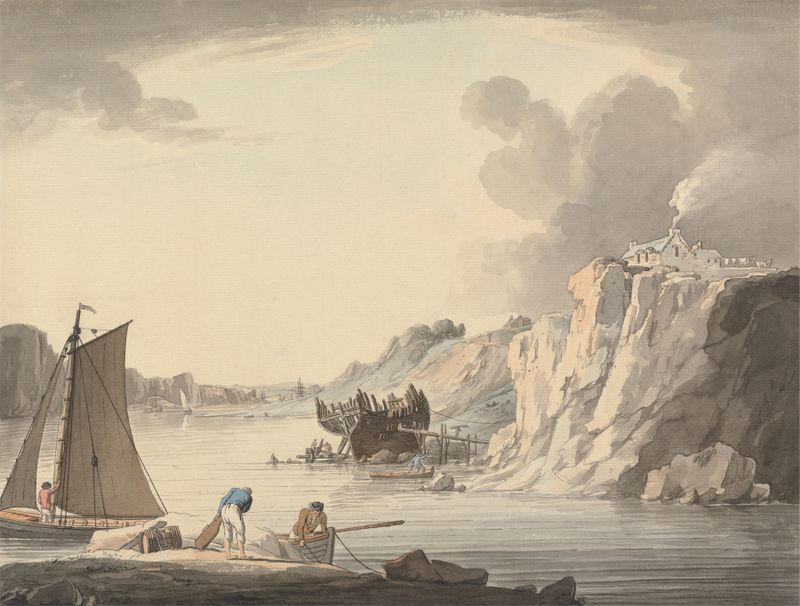
Entrance to Stonehouse Creek, between Plymouth and Dock, Devon
William Payne
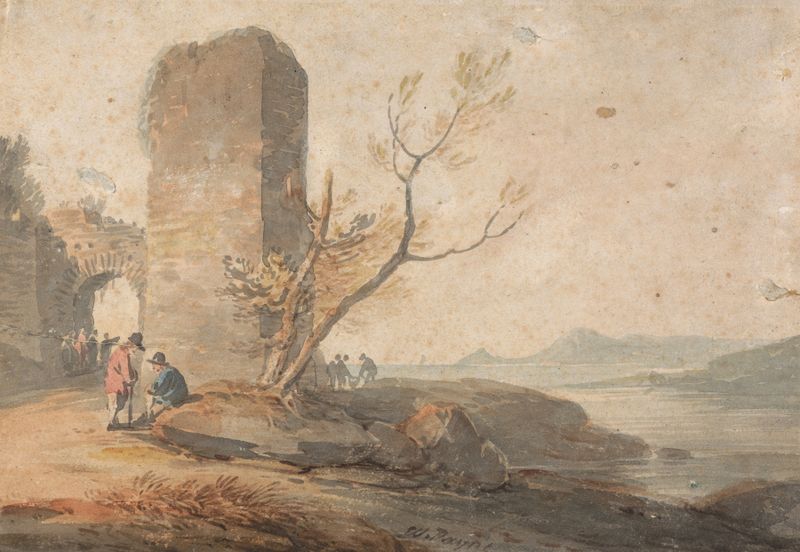
Figures by a Ruined Arch
William Payne
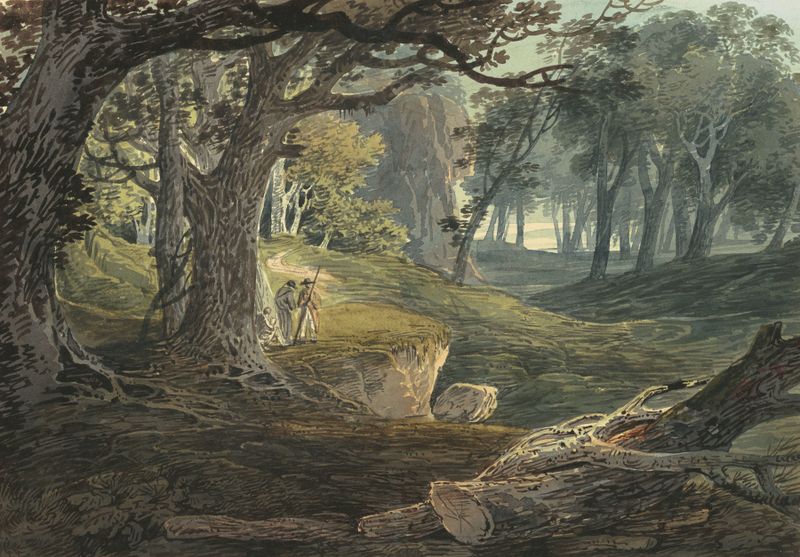
Travellers in a Woodland Glade
William Payne
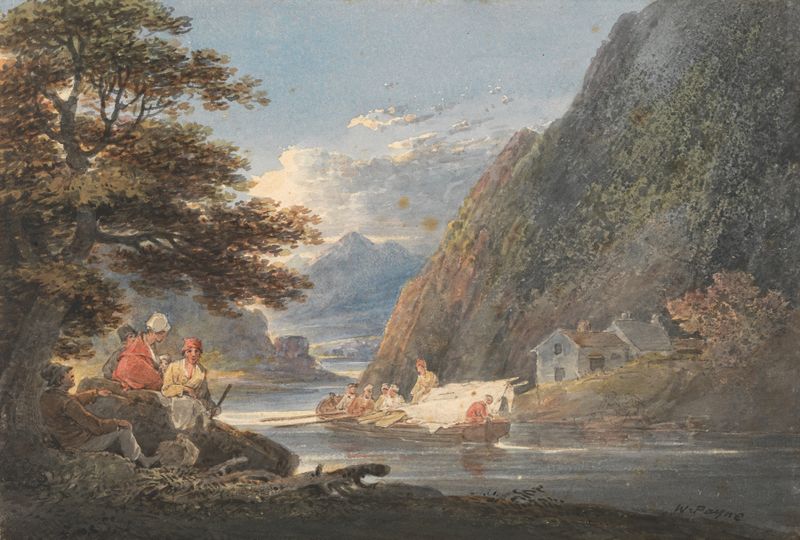
On the River Tivy, near Cardigan, Wales
William Payne
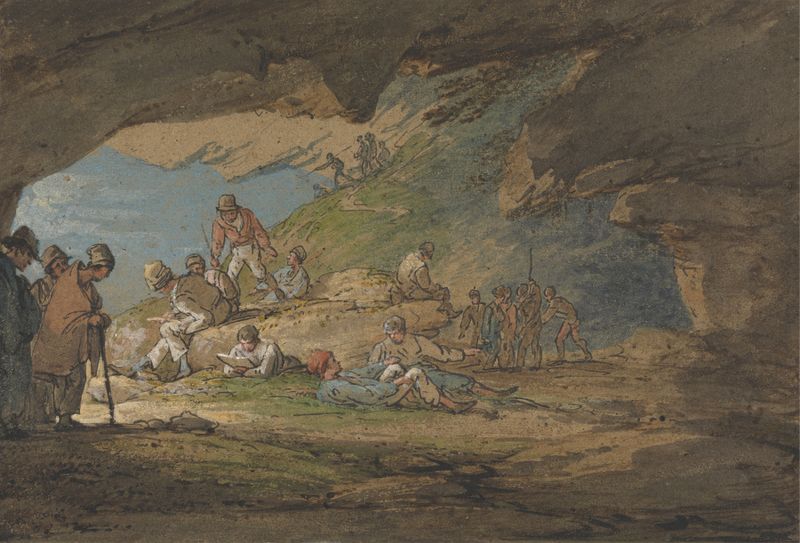
A Cave in Sunlight, with Figures
William Payne
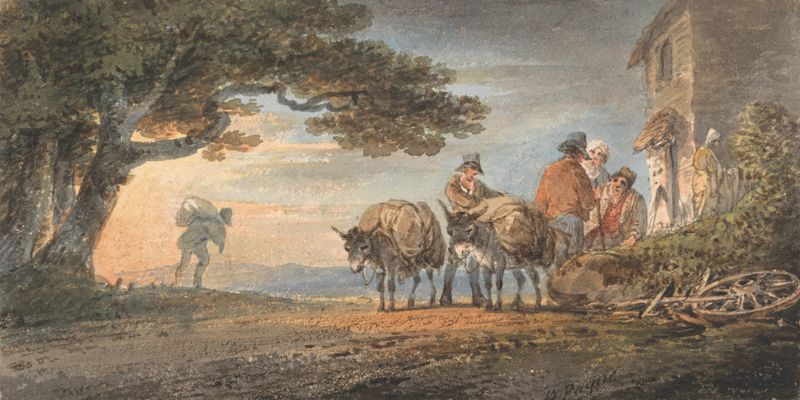
Drivers and Burros Resting at Sunset
William Payne





