
A Sandpit — History & Facts
In a fleeting moment, fragility is captured in the delicate strokes of a brush, inviting viewers to explore the tender realm of human existence. Begin by looking to the center of the canvas, where soft, earthy hues meld together in a gentle embrace, evoking the warmth of a sunlit sandpit. The subtle interplay of light and shadow creates a sense of depth, coaxing the eye to wander across the textured surface. Notice how the artist’s method of layering color invites a tactile response, as if one could reach out and feel the grains of sand between their fingers. In this work, contrasts abound: the solid, grounded nature of the sandpit juxtaposes the ethereal fragility of childhood.
The limited palette evokes a sense of nostalgia, while muted tones suggest the passage of time, hinting at memories that might slip away like sand through closed fingers. A playful yet poignant tension arises, reflecting the transient joys and the inevitable losses that accompany growth and change. Created during a period often overshadowed by the grand movements of his contemporaries, the artist found solace in the ordinary pleasures of life. Although the exact date remains unknown, it is likely that this piece emerged in the late 18th century, when the art world was grappling with the shift towards Romanticism.
In a time marked by societal change and emerging artistic independence, the artist celebrates simplicity, urging us to appreciate the fragile beauty in everyday moments.
More Artworks by Paul Sandby
Browse all →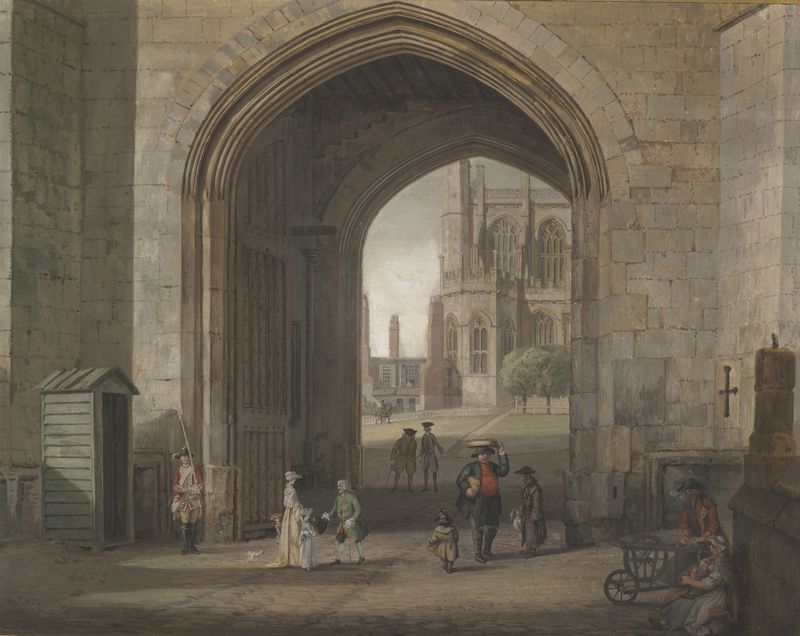
The Tower Gate at Windsor Castle
Paul Sandby

A Distant View of Maidstone, from Lower Bell Inn, Boxley Hill
Paul Sandby
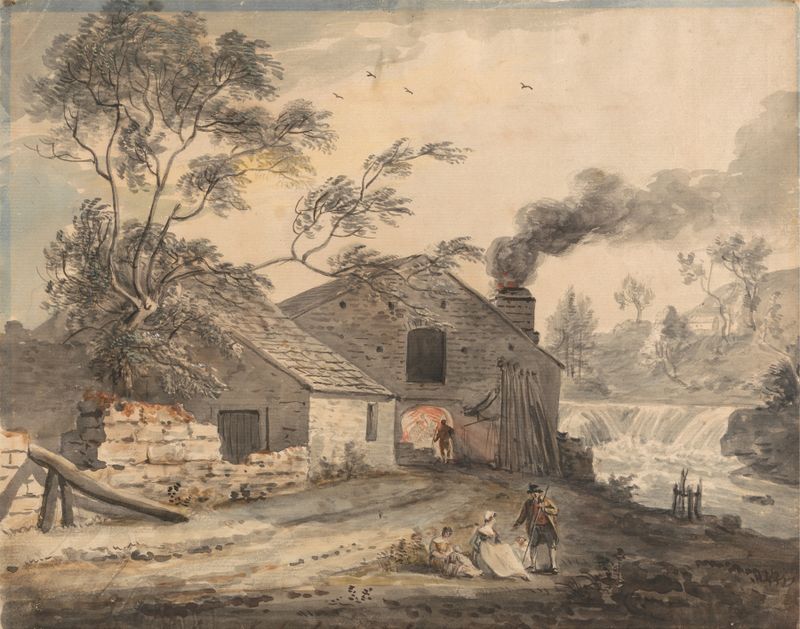
Iron Forge on the River Kent, Westmorland
Paul Sandby
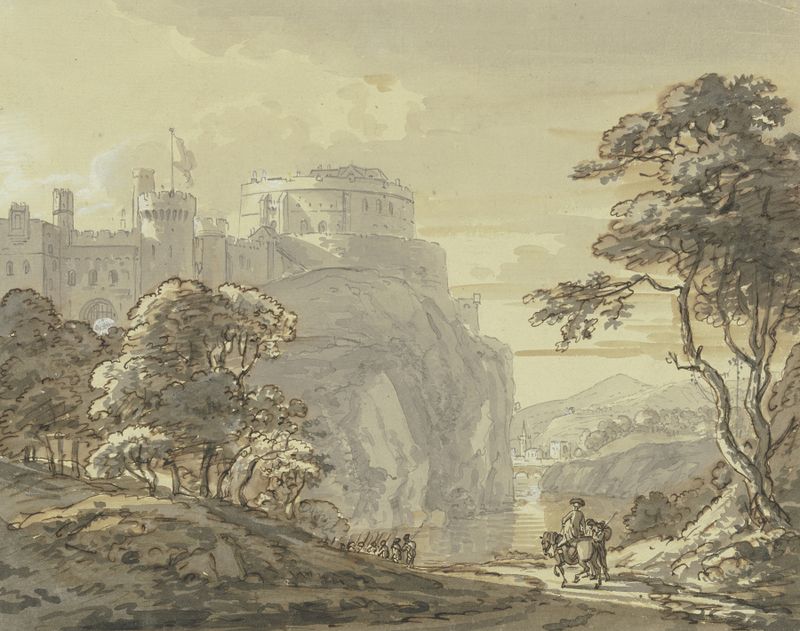
View of Windsor Castle
Paul Sandby

Hackwood Park, Hampshire
Paul Sandby

Roslin Castle, Midlothian
Paul Sandby
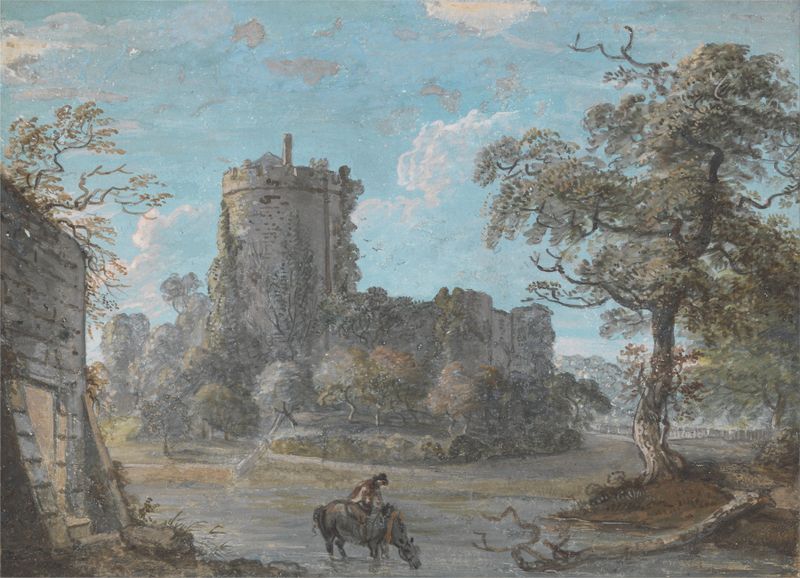
The Entrance to Chepstow Castle
Paul Sandby
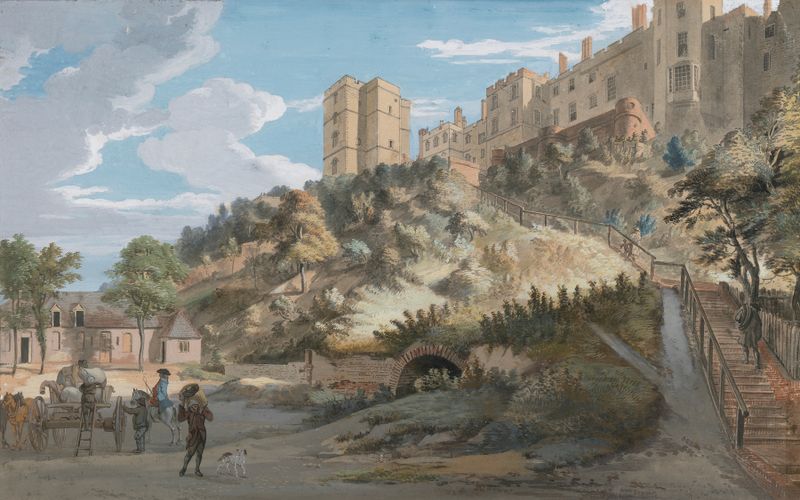
The Hundred Steps and Winchester Tower, Windsor Castle, Berkshire
Paul Sandby

Brook End, Essex
Paul Sandby
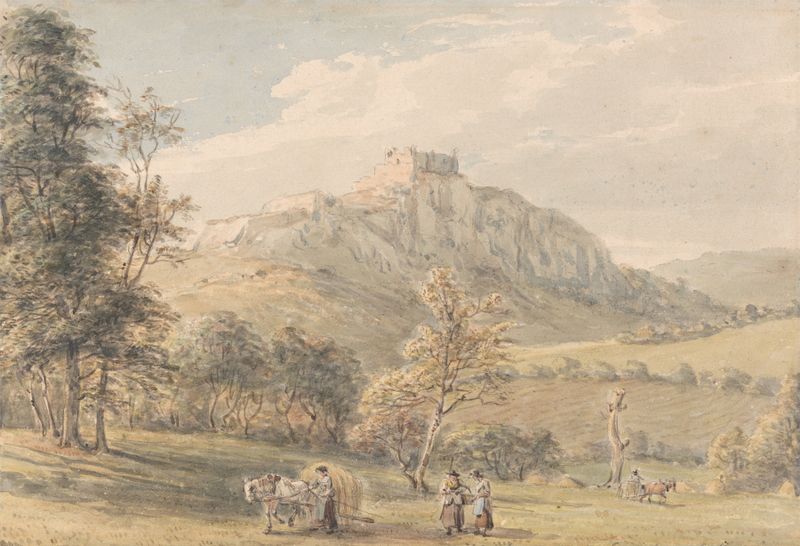
Carreg Cennen Castle
Paul Sandby





