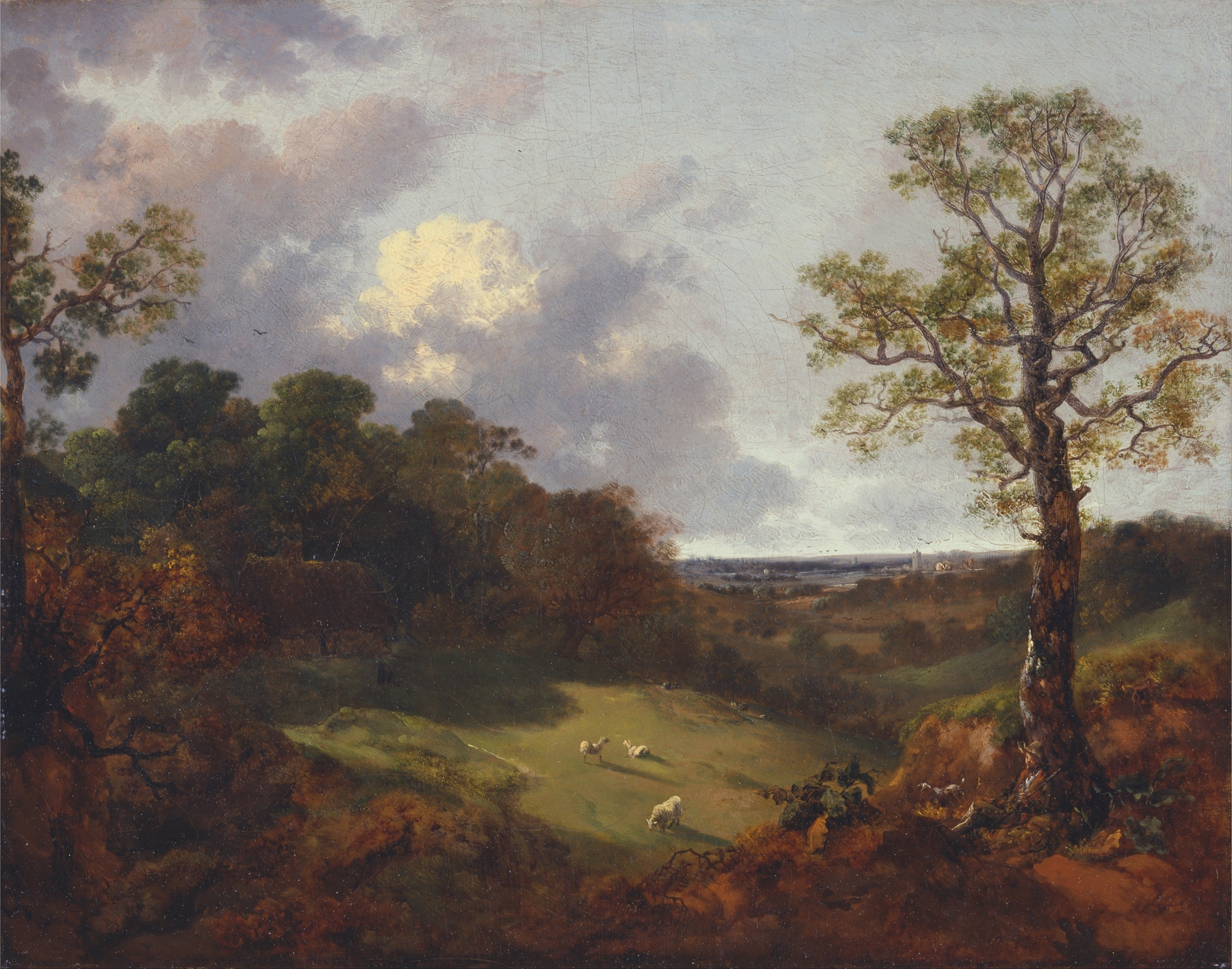
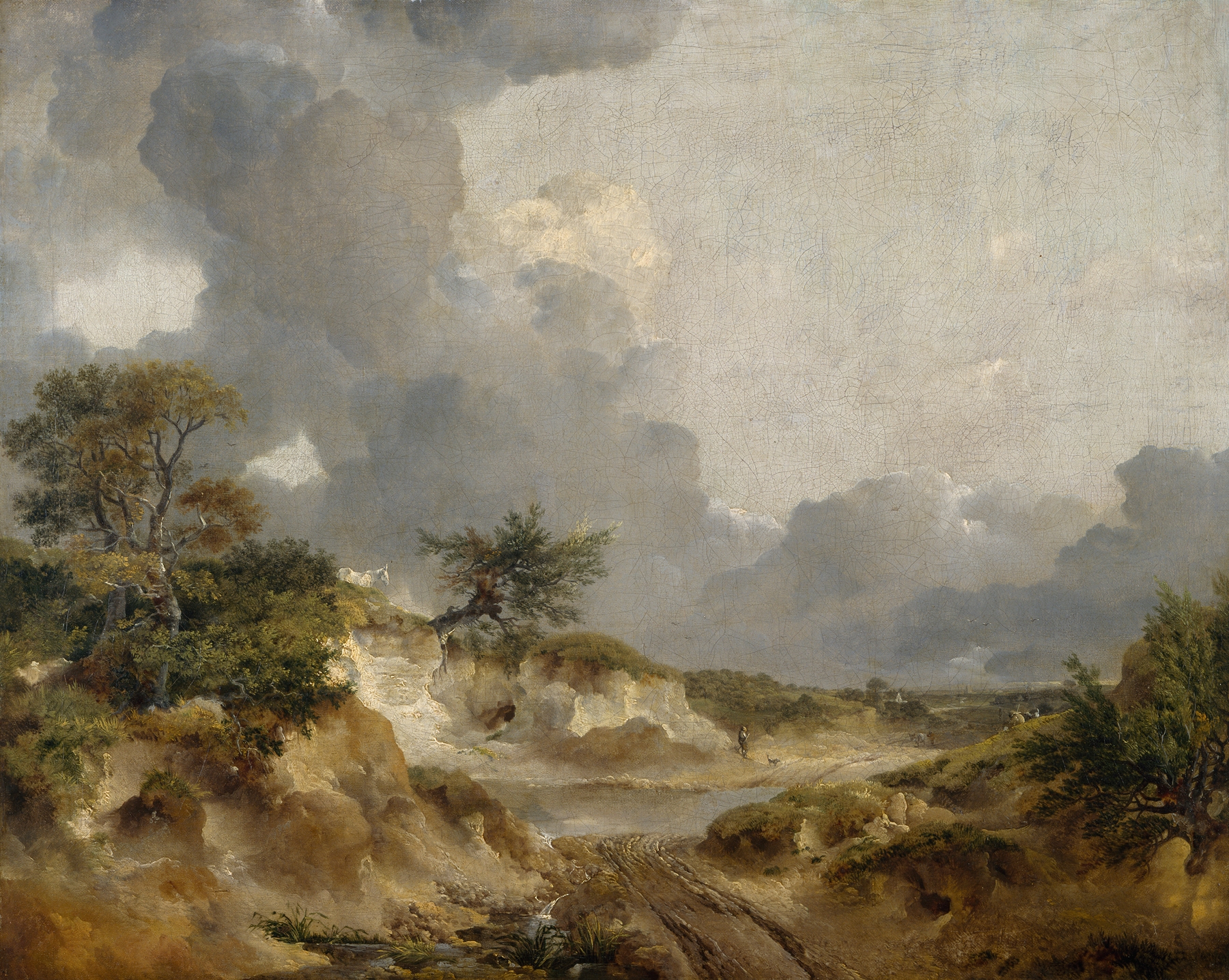
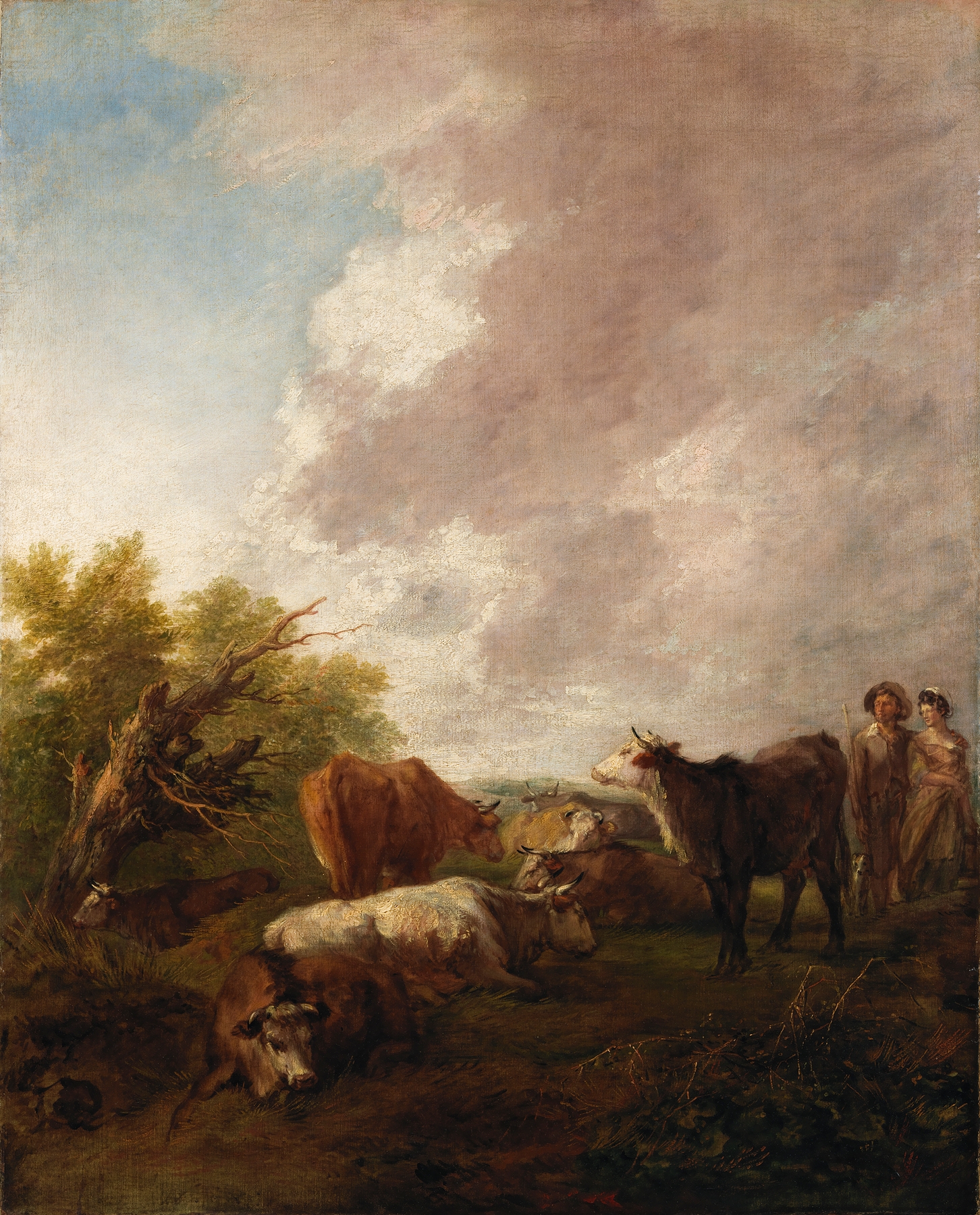
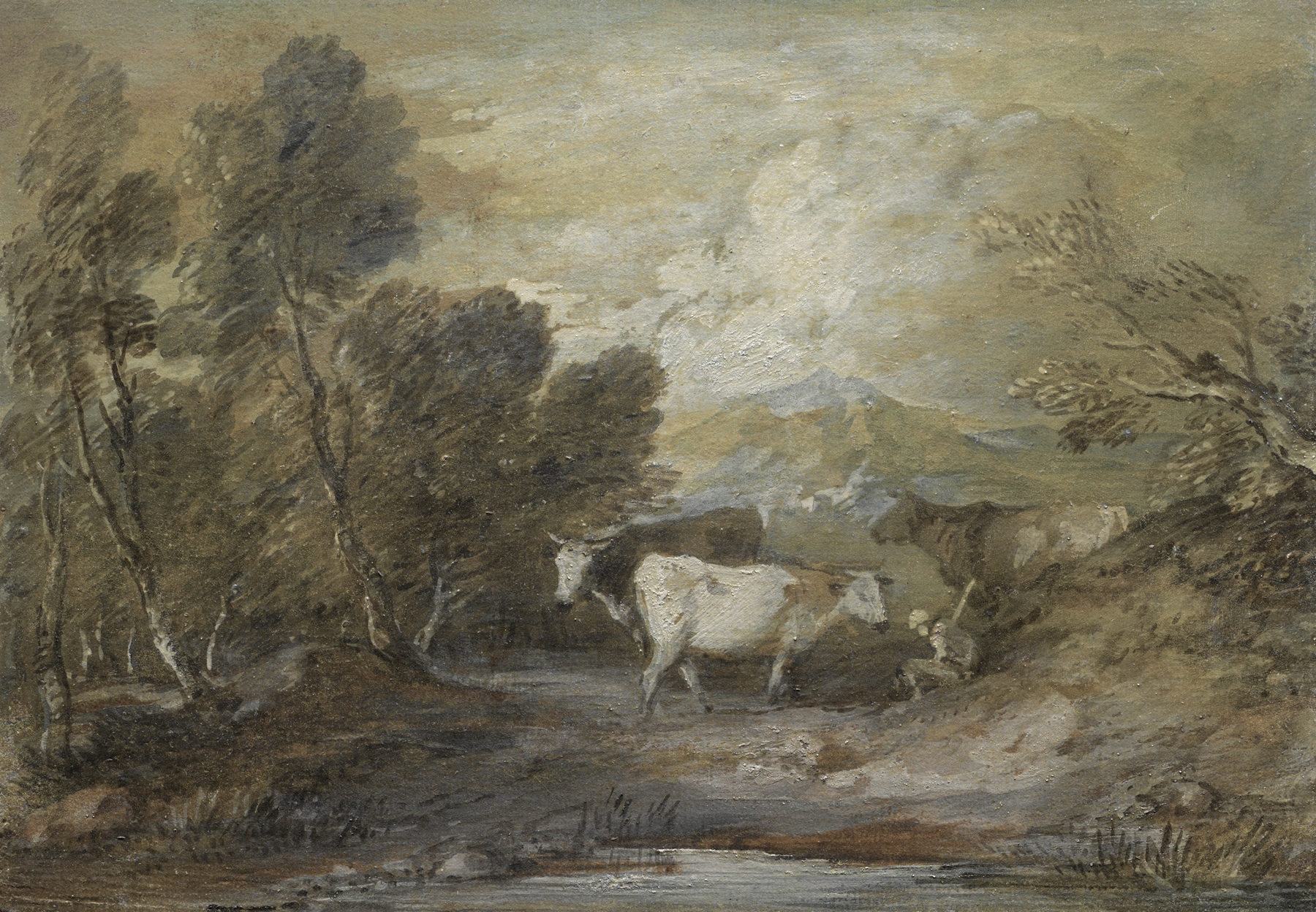
A shepherd and his dog in a landscape, his flock resting by a dune in the foreground — History & Analysis
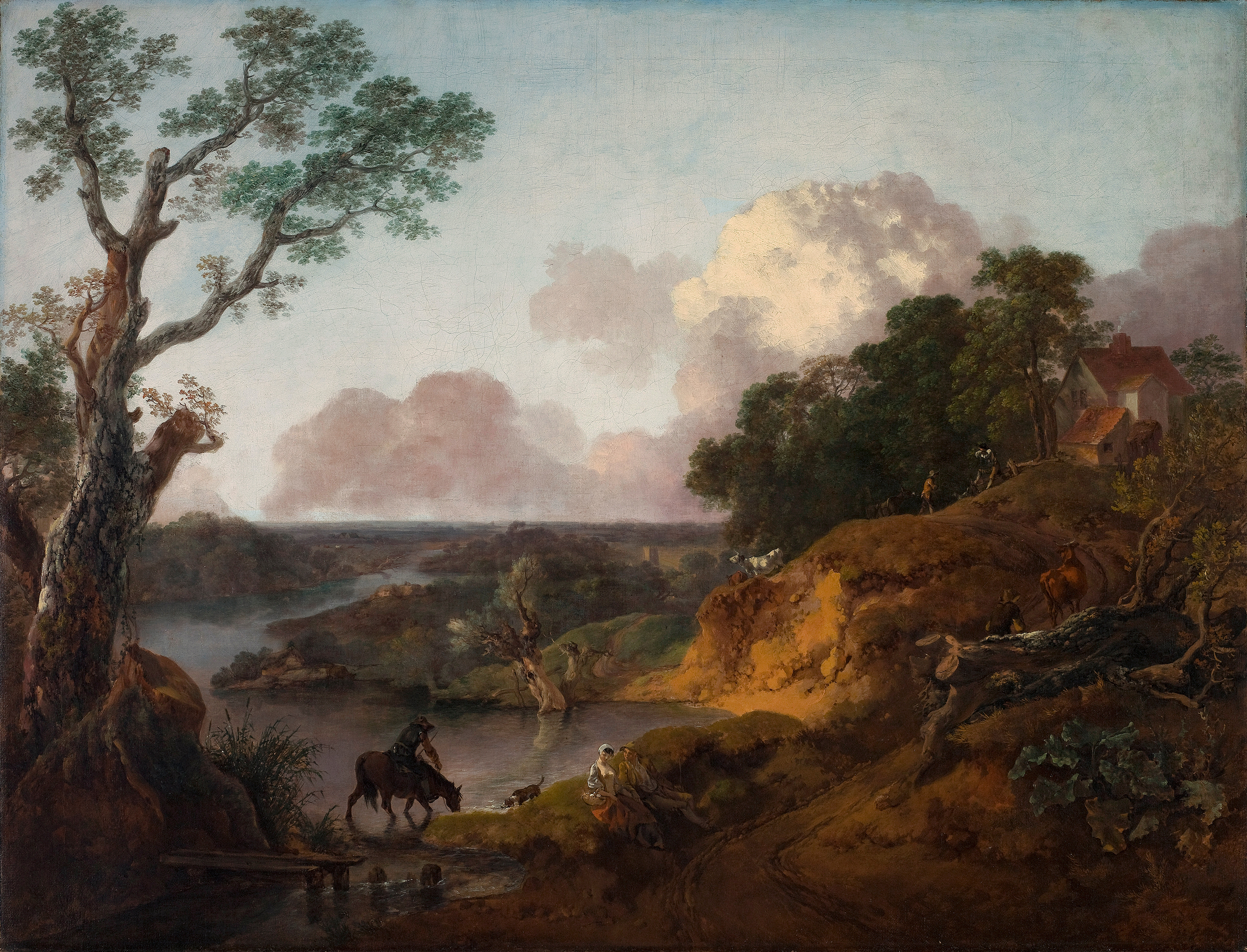
What secret hides in the quiet of the canvas? Beneath the serene surface of a pastoral scene lies a profound stillness, inviting us to reflect on nature’s gentle embrace and the bonds between man and beast. Look to the left at the shepherd, his figure rooted in the landscape, framed by rolling hills that seem to breathe with life. The soft, muted greens and browns create a harmonious palette, while dappled sunlight filters through scattered clouds, illuminating the flock resting peacefully.
Notice how the subtle brushwork evokes a sense of movement in the sheep's wool, contrasting with the calm demeanor of the shepherd and his loyal dog, whose attentive gaze seems to guard their quiet sanctuary. Delve deeper and observe the interplay between light and shadow, which embodies a tranquil yet contemplative mood. The shepherd’s relaxed posture speaks to a life of simplicity and connection with his flock, while the distant horizon suggests both security and the unknown. This duality reveals the delicate balance of human existence within nature—a reminder of both solitude and companionship in the vastness of the world.
Thomas Gainsborough painted this work during the late 18th century, a period marked by a growing interest in the bucolic and an emphasis on the beauty of rural life. Living in England, he was surrounded by the picturesque landscapes that would greatly influence his art, reflecting societal shifts toward valuing the natural world amidst the encroaching industrialization. This piece encapsulates a moment in time when tranquility was revered, capturing the essence of pastoral life that resonated deeply with its audience.