A Shepherdess — History & Facts
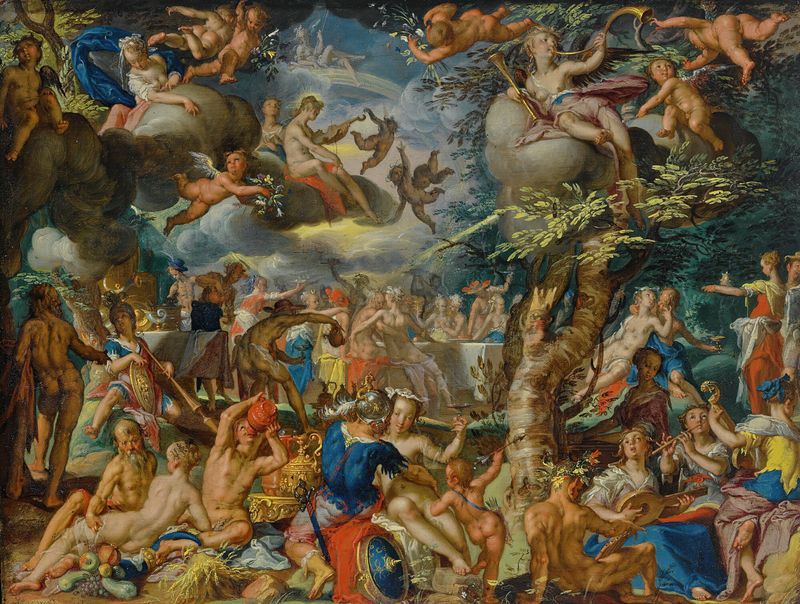
In a world rendered chaotic by the passage of time, how does one find solace amid the turbulence? A Shepherdess invites us into a stillness, a moment of serene beauty that feels both fragile and enduring. Look to the left at the shepherdess, her gentle demeanor captured with meticulous detail. The soft hues of her gown blend harmoniously with the verdant landscape, while her gaze, tranquil yet thoughtful, draws you into her world. Notice how the light cascades through the trees, illuminating her figure and creating a gentle contrast against the shadowed surroundings.
It’s as if the artist is whispering secrets of the pastoral life, each brushstroke alive with tenderness. Beneath the surface, a deeper narrative unfolds. The shepherdess holds a staff that symbolizes authority over her realm, yet her expression suggests a longing that transcends her role. The chaotic backdrop of nature might hint at the unpredictability of life itself, while the delicate flowers she tends to contrast starkly with the weight of her responsibilities.
This tension between duty and desire, between chaos and calm, renders the scene profoundly relatable. Painted around 1623, during a period marked by artistic innovation in the Netherlands, the artist was at the height of his powers. Wtewael's meticulous attention to detail and his mastery of light and shadow reflect the changing tides of Baroque art, while he navigated a personal journey that intertwined with the broader cultural currents of his time. This painting stands not only as a testament to his skill but as a poignant exploration of the human experience amidst the chaotic beauty of life.