
A Spectator — History & Facts
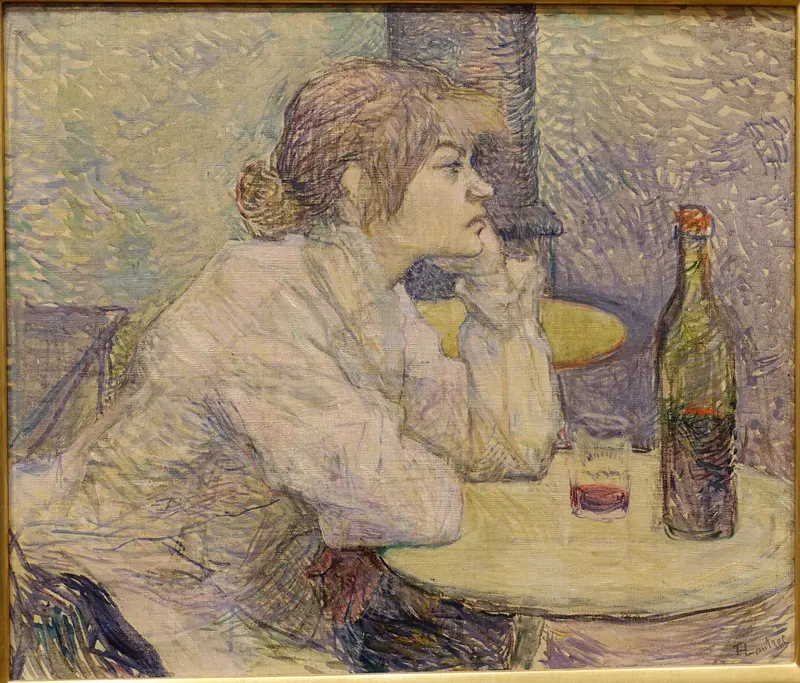
In A Spectator, Henri de Toulouse-Lautrec presents a scene filled with vibrant colors and lively figures. The painting showcases a figure in a bustling Parisian setting, likely at a cabaret or theater. The use of bold reds and yellows contrasts with the darker background, creating a dynamic atmosphere.
The subject's expression hints at a mix of curiosity and amusement, typical of the nightlife experience in late 19th-century Paris. This artwork is characterized by its loose brushwork and vivid color palette, typical of Post-Impressionism. The figure is rendered with a sense of immediacy, capturing a fleeting moment in time. The composition draws the viewer's eye towards the central figure, emphasizing their role as an observer in the lively scene.
The painting likely measures approx. 60 x 80 cm, making it a medium-sized work that invites close inspection. Henri de Toulouse-Lautrec was known for his depictions of Parisian nightlife, and A Spectator is no exception. This work reflects his fascination with the social dynamics of the cabaret scene, where he often found inspiration.
An interesting fact about this painting is that it captures the essence of the audience experience, highlighting the importance of spectators in the performance art of the time. Toulouse-Lautrec's unique style and perspective continue to resonate with viewers today.
More Artworks by Henri de Toulouse-Lautrec
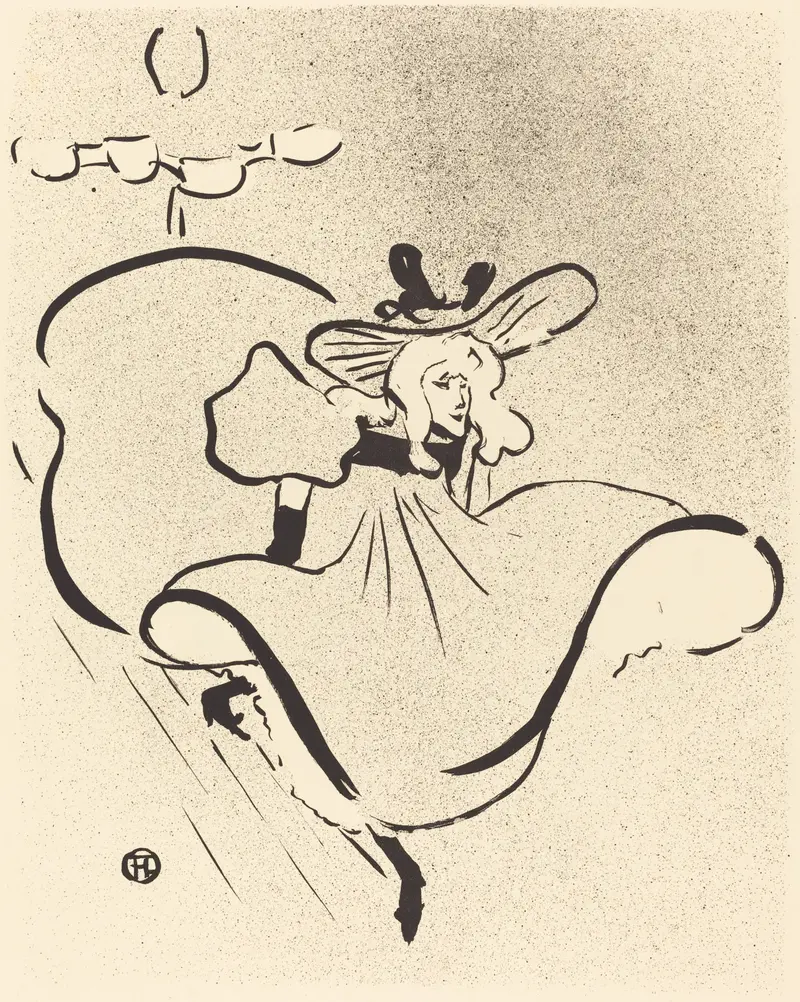
Jane Avril
Henri de Toulouse-Lautrec
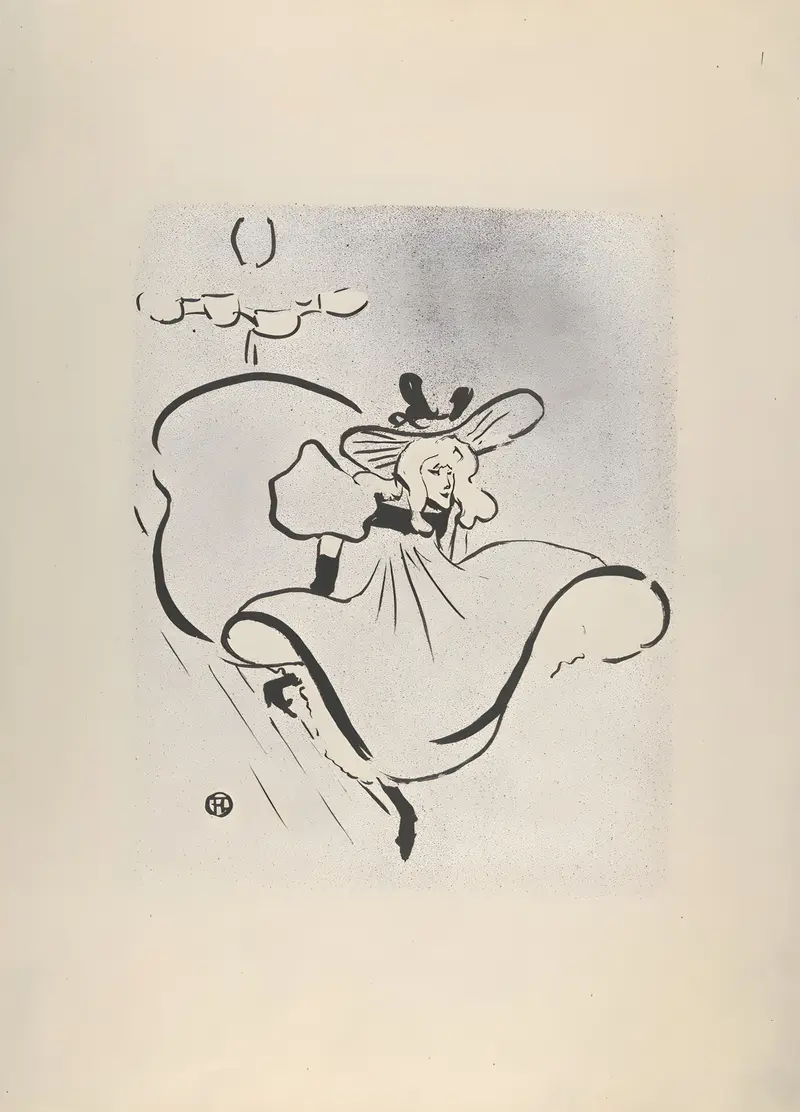
Jane Avril.
Henri de Toulouse-Lautrec

Quadrille at the Moulin Rouge
Henri de Toulouse-Lautrec
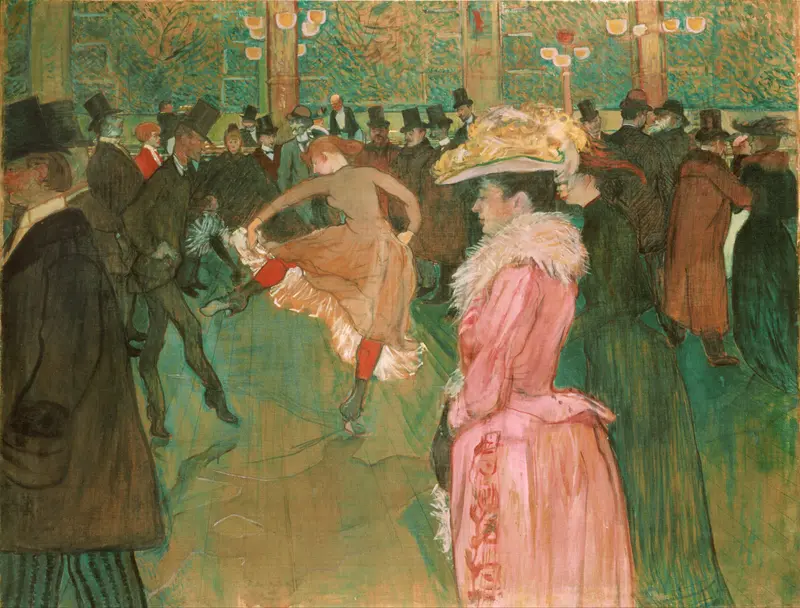
At the Moulin Rouge- The Dance
Henri de Toulouse-Lautrec
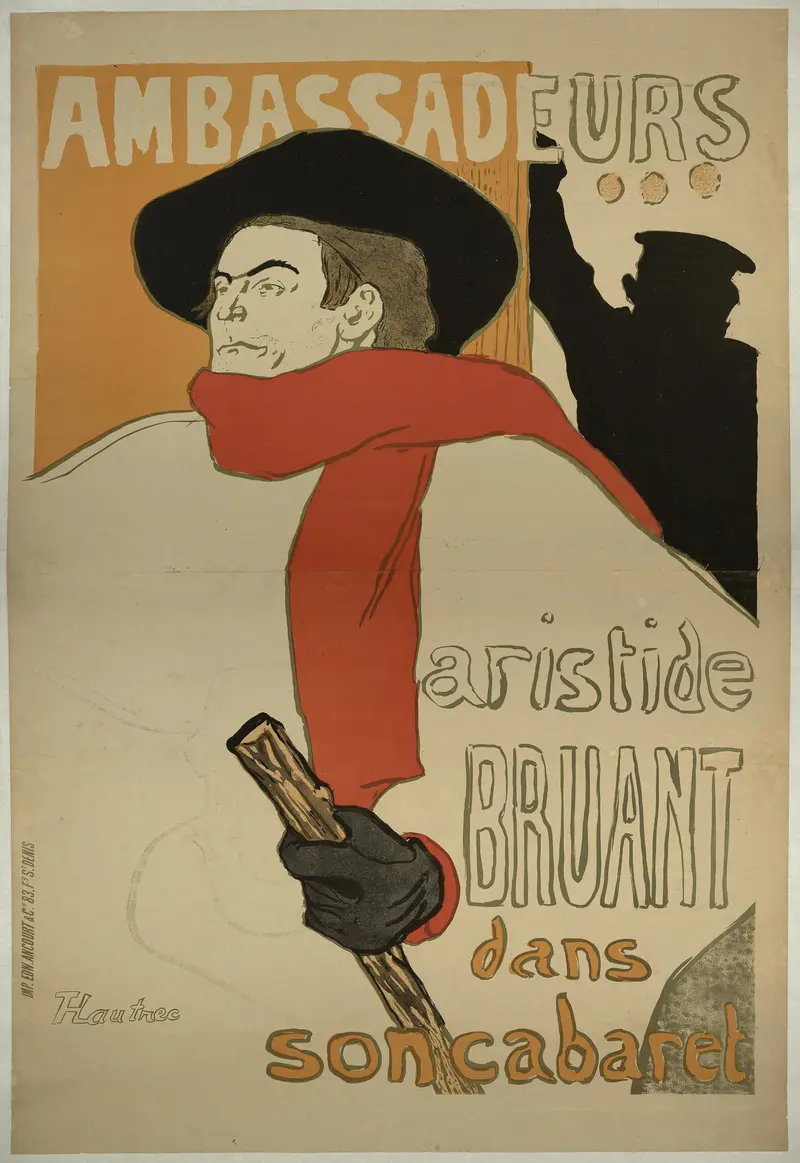
Ambassadeurs. Aristide Bruant dans son cabaret
Henri de Toulouse-Lautrec
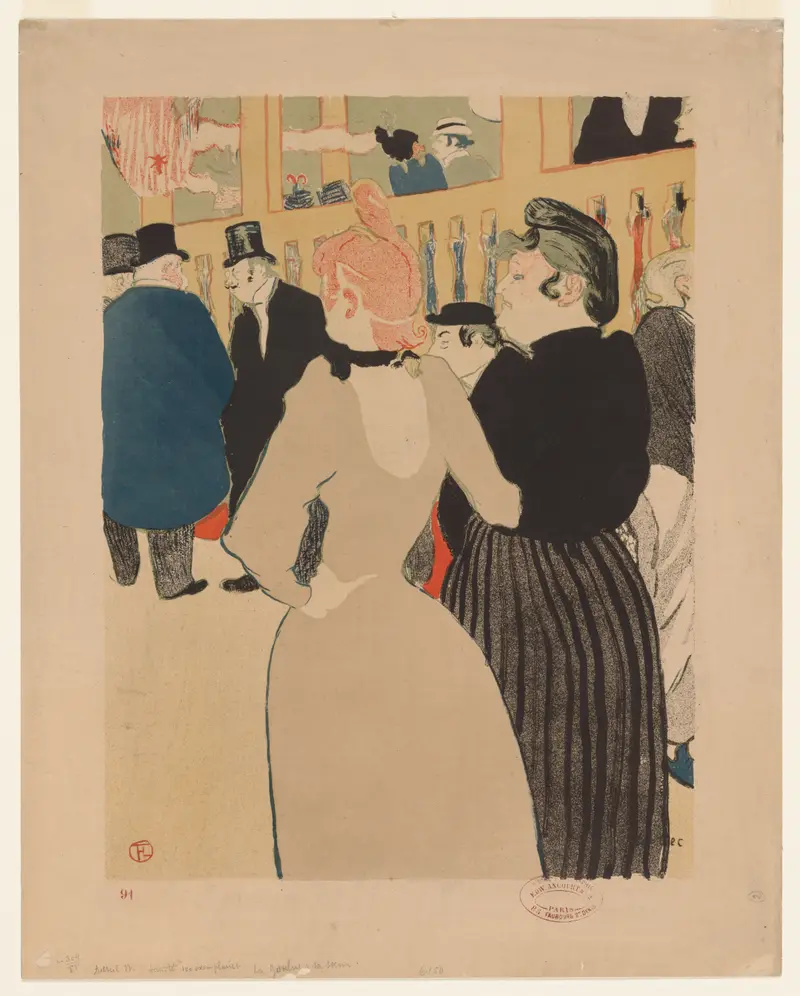
At the Moulin Rouge; La Goulue and Her Sister
Henri de Toulouse-Lautrec
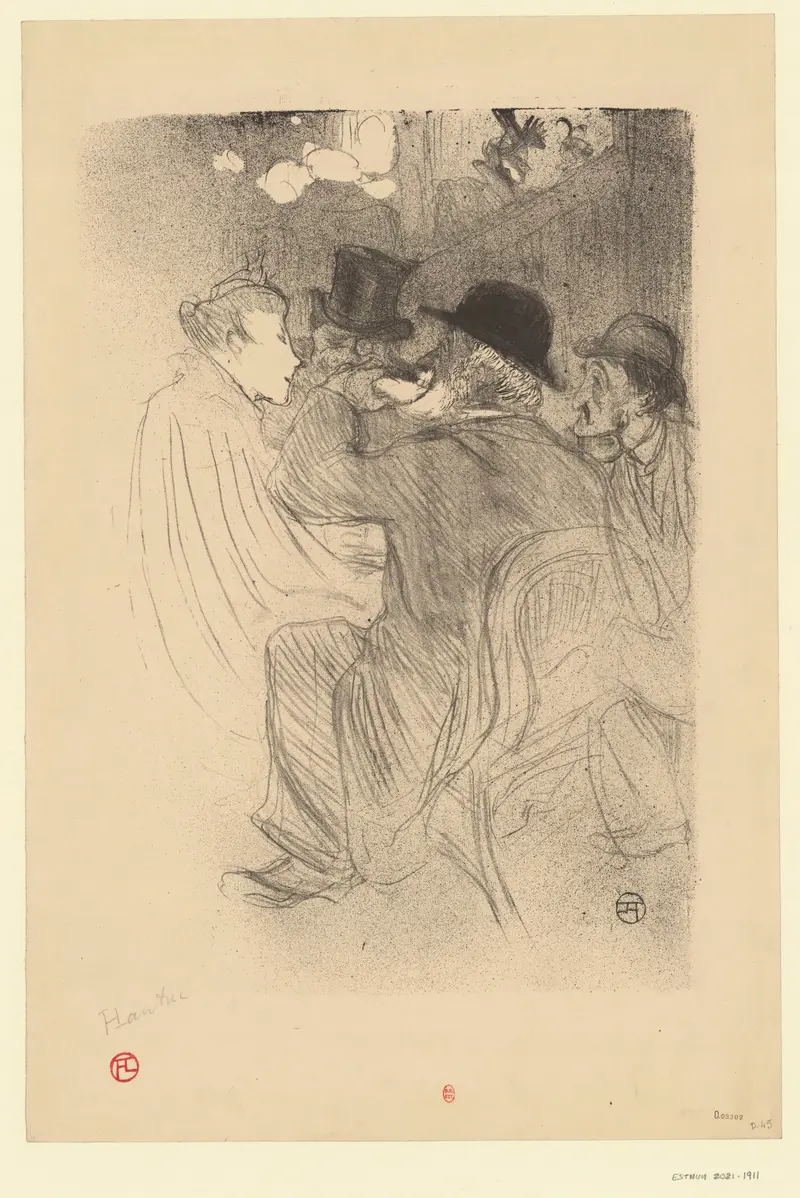
Au Moulin Rouge;Un Rude! Un Vrai Rude!
Henri de Toulouse-Lautrec
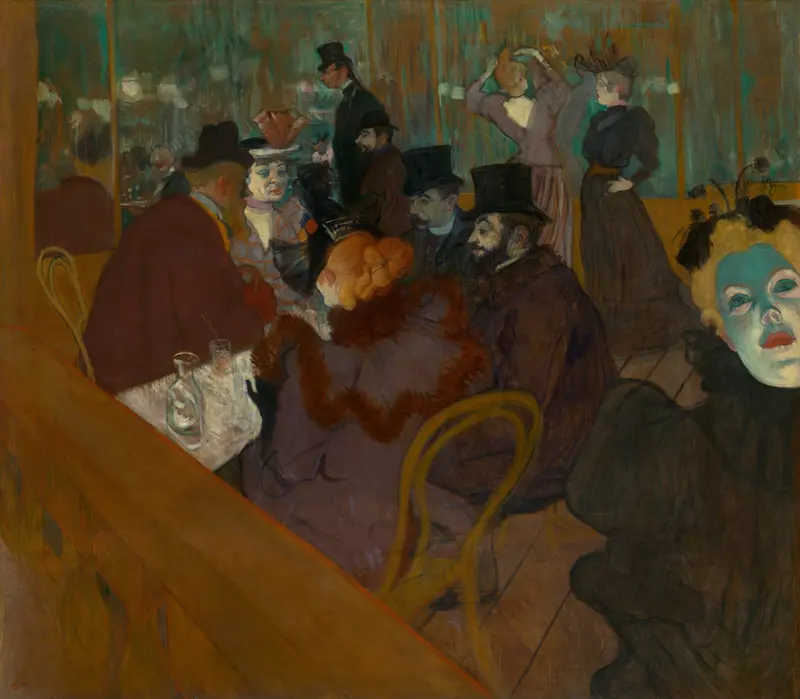
At the Moulin Rouge
Henri de Toulouse-Lautrec
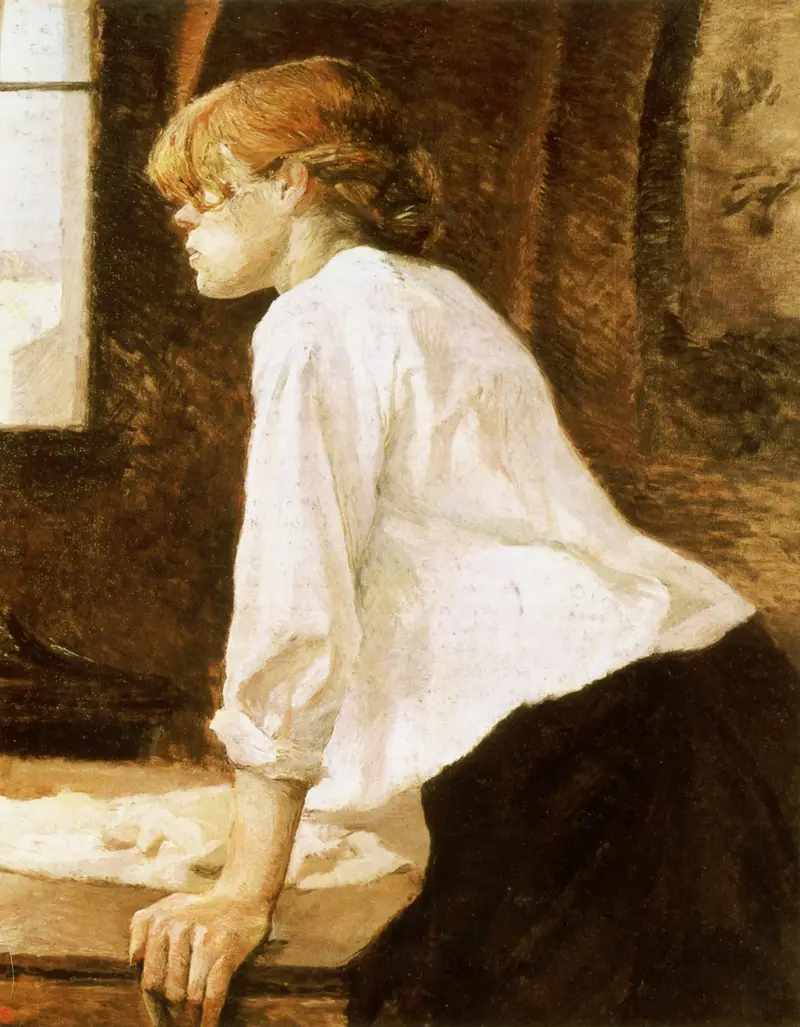
La Blanchisseuse
Henri de Toulouse-Lautrec
The Hangover (Suzanne Valadon)
Henri de Toulouse-Lautrec





