
A spring by the sea — History & Facts
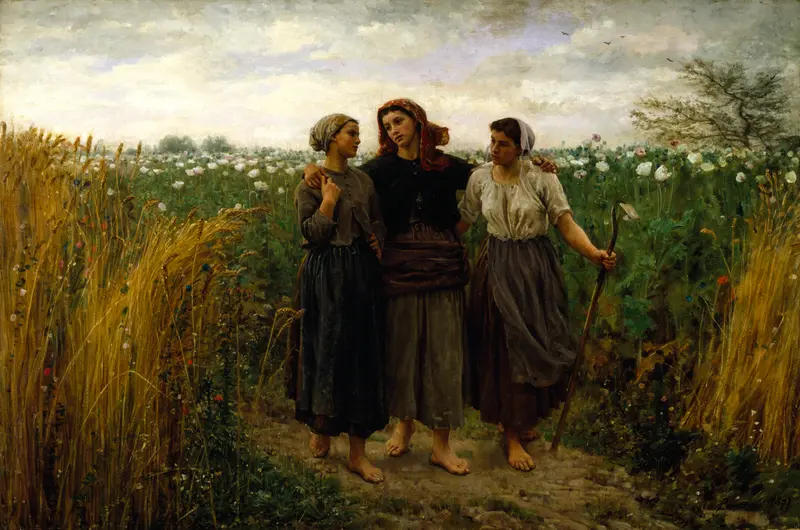
When A spring by the sea was first exhibited in 1866, it marked a turning point for Jules Breton, who was already celebrated for his dignified portrayals of rural life. What set this work apart was its rare focus on the coast, a departure from the wheat fields and village lanes that had made his name. Critics at the time noted the novelty: here, Breton’s peasants are not just laborers but witnesses to the restless meeting of land and water.
The painting’s reception was immediate—admired for its atmosphere and for the artist’s ability to capture both the hardship and hope of rural existence. The scene Breton chose is a quiet but charged moment: women gather at a freshwater spring, their figures silhouetted against the pale sweep of sky and the distant shimmer of the sea. Buckets and pitchers in hand, they pause, some exchanging words, others lost in thought, their faces turned toward the horizon. The spring itself, edged with wildflowers, becomes a point of communion—a place where daily necessity meets the vastness of nature.
Breton’s careful rendering of the women’s clothing, the play of light on water, and the bracing breeze off the Channel all speak to his deep observation. Unlike Jean-François Millet, whose peasants often seem weighed down by toil, Breton’s figures here are upright and contemplative, suggesting resilience and a quiet pride. The painting’s subsequent history is less documented than some of Breton’s more famous canvases, but it remains a representative example of the Realist movement’s interest in the dignity of common people. Its medium is not always specified in museum records, though oil on canvas is most likely, given Breton’s usual practice.
A spring by the sea has passed through both private and public hands, reflecting the enduring appeal of Breton’s vision of rural France. Today, it stands as a testament to the artist’s ability to find poetry in the everyday, and to the enduring fascination with the lives of those who live at the edge of land and sea.
More Artworks by Jules Breton

The Song of the Lark
Jules Breton
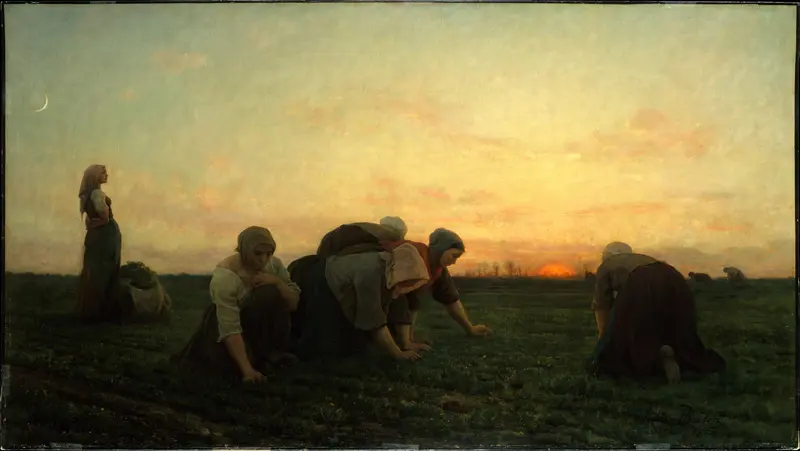
The Weeders
Jules Breton
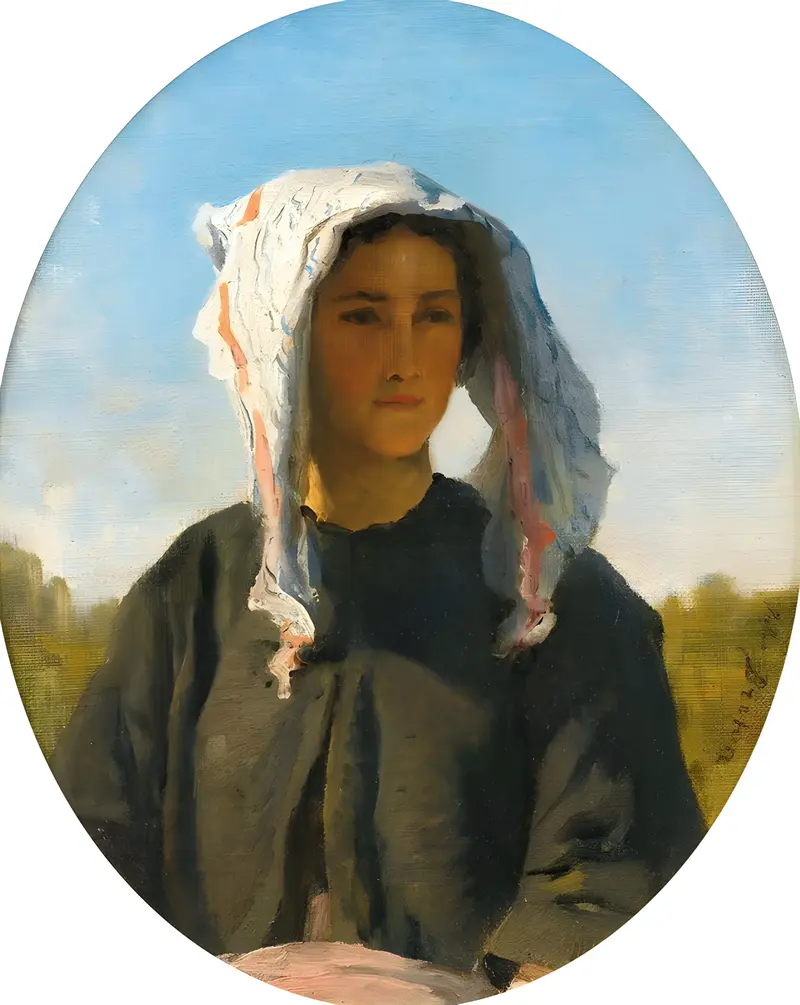
Portrait de jeune Paysanne Bordelaise
Jules Breton
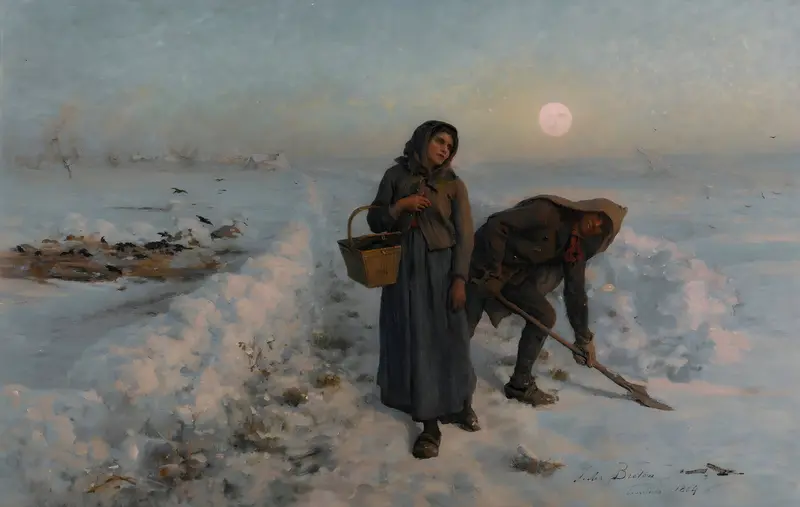
Sur la route en hiver; artois
Jules Breton
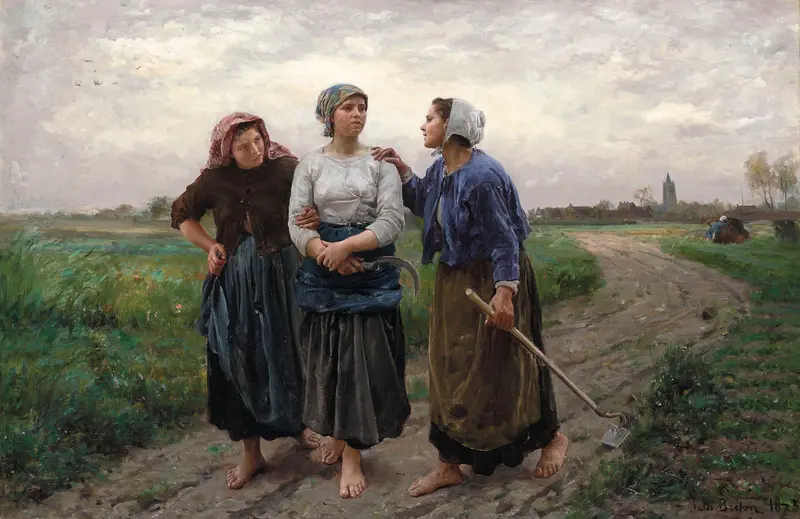
Les amies
Jules Breton
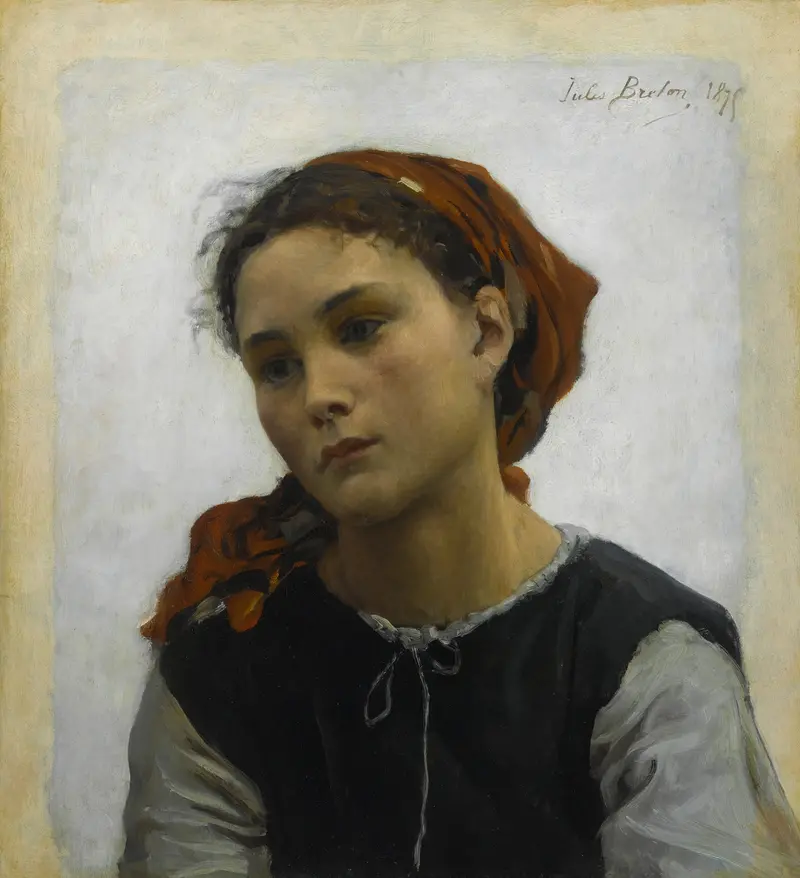
Innocente
Jules Breton
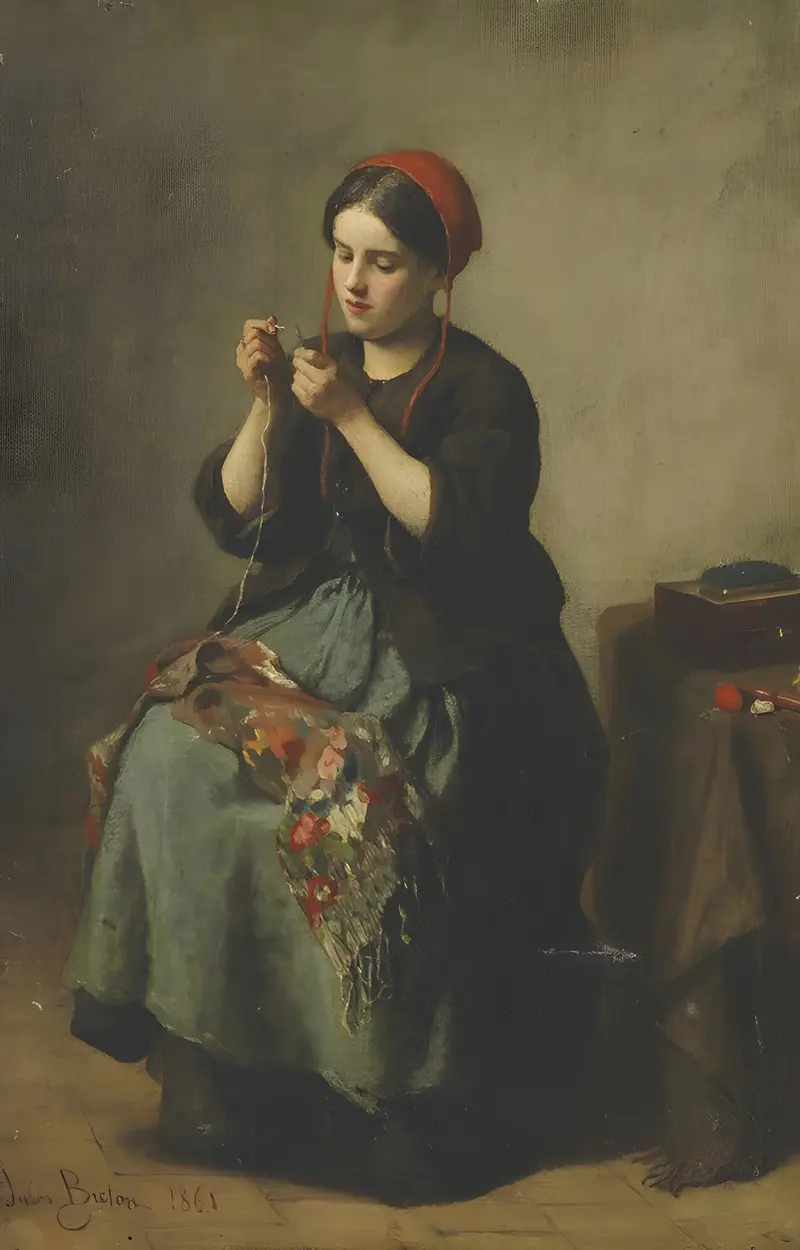
Peasant woman threading a needle
Jules Breton
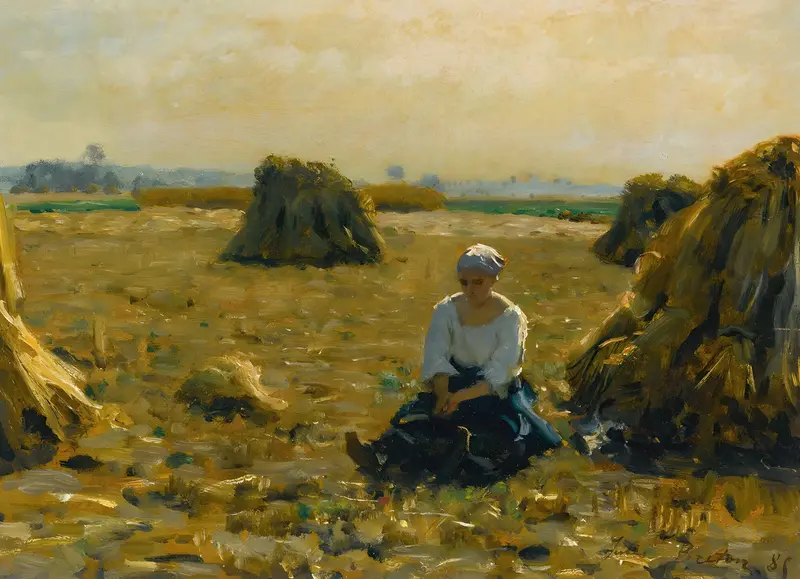
Jeune femme dans les champs
Jules Breton
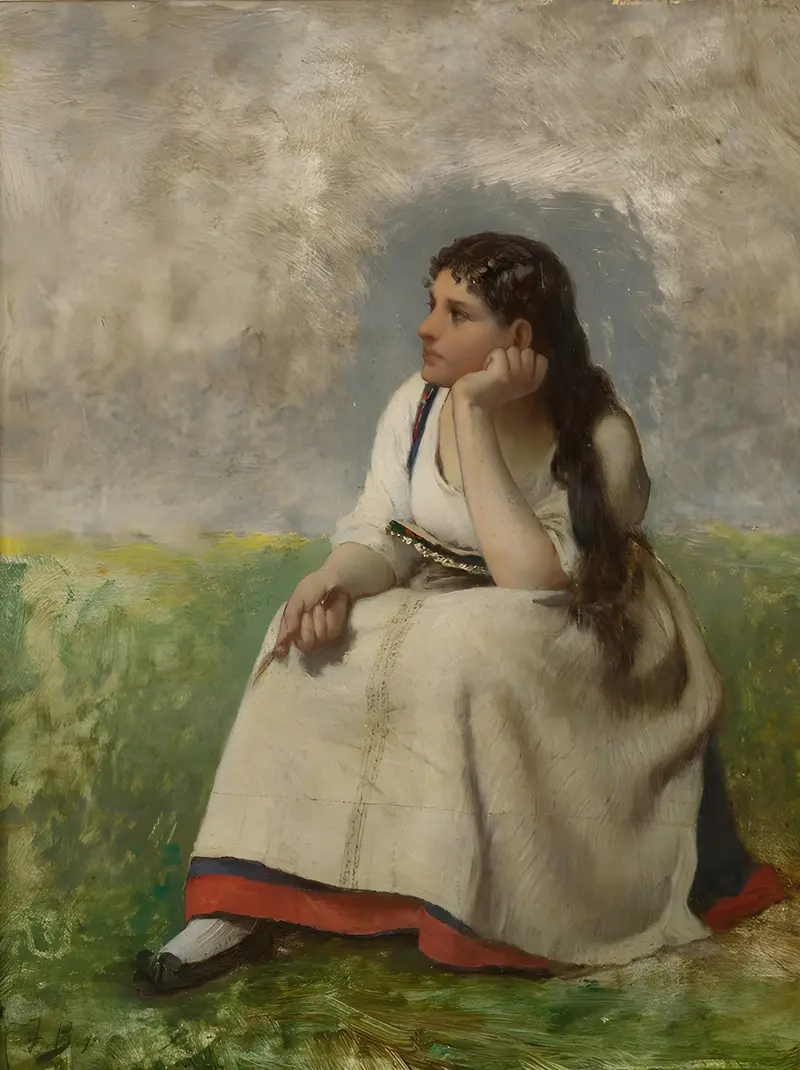
Jeune Fille Pensive
Jules Breton
Returning from the Fields
Jules Breton





