
A Spring Fairytale — History & Facts
What first draws the eye in A Spring Fairytale is the woman's gaze—lost somewhere beyond the orchard's bloom, her thoughts as veiled as the misty green that envelops her. The painter, Gabriel von Max, sets her apart from the world around her: she sits in a sweep of pale, ruffled skirts and dark velvet, her lap scattered with a rose and a small open book. The light is gentle, filtered by flowering branches that seem to lean in as if to listen to her reverie.
Behind her, two figures—perhaps children—move quietly through the undergrowth, their presence like a memory or a dream at the edge of the scene. Every detail, from the careful rendering of petals to the subtle play of shadow on her face, invites the viewer to wonder what story she is living in this suspended moment. Painted in 1872, this work belongs to a world where the boundaries between reality and imagination were often explored in art, especially in the wake of Romanticism’s lingering influence. In the later nineteenth century, such scenes of leisure and inwardness were favored by a rising middle class eager to see their own ideals—nature, reflection, gentle domesticity—mirrored on canvas.
The painting’s home today is the digital collection of the Belvedere, a reminder of how many such images survive with little record of their journey through time. Yet even in obscurity, A Spring Fairytale holds the viewer with its quiet promise: that every spring day, and every glance, might contain a story worth telling.
More Artworks by Gabriel von Max

The Sisters
Gabriel von Max
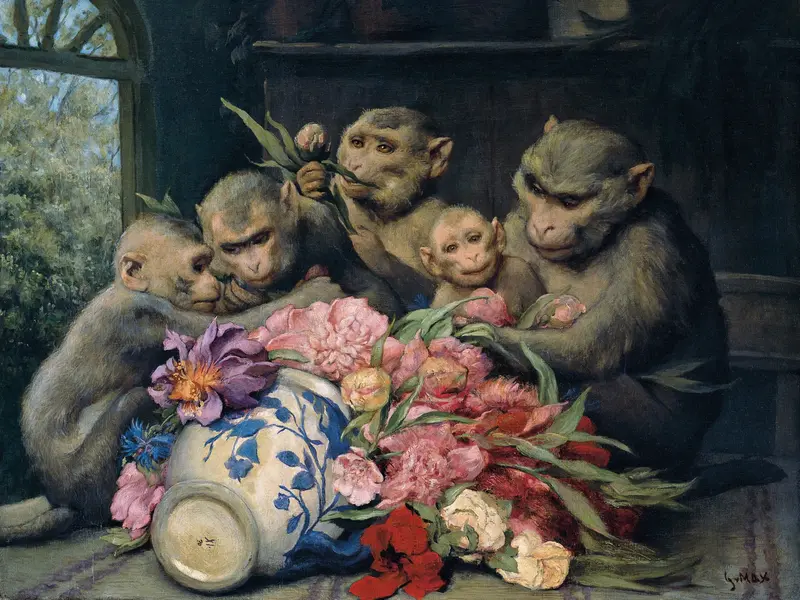
The Botanists
Gabriel von Max
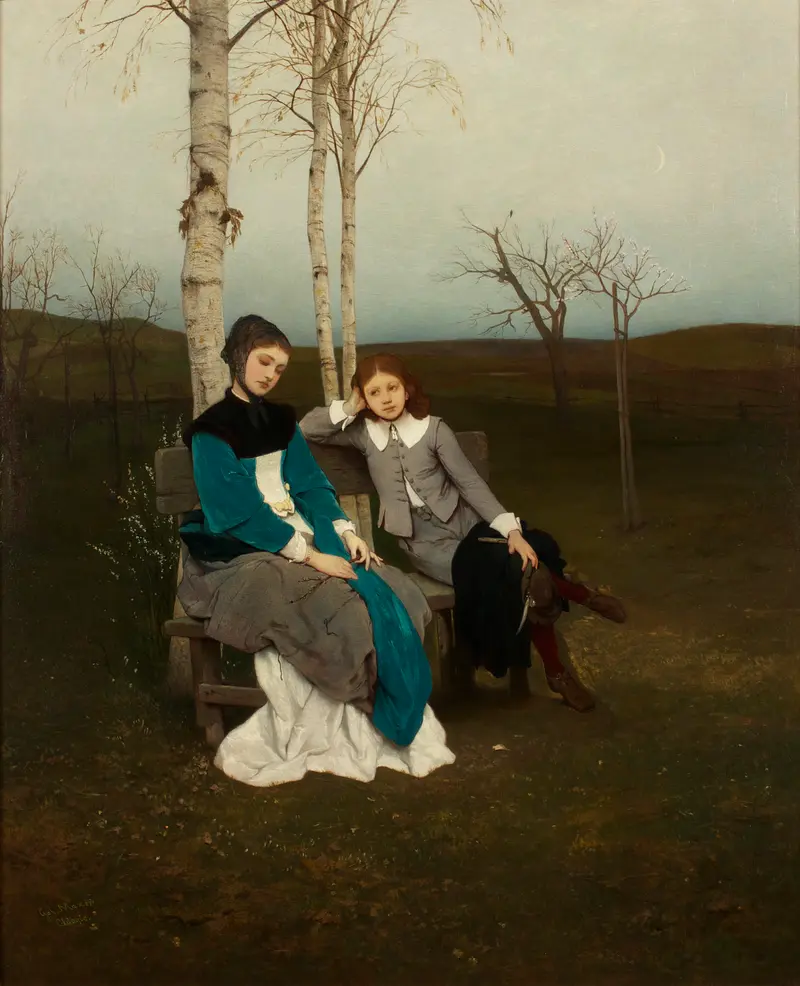
Adagio 4653 Österreichische Galerie Belvedere
Gabriel von Max
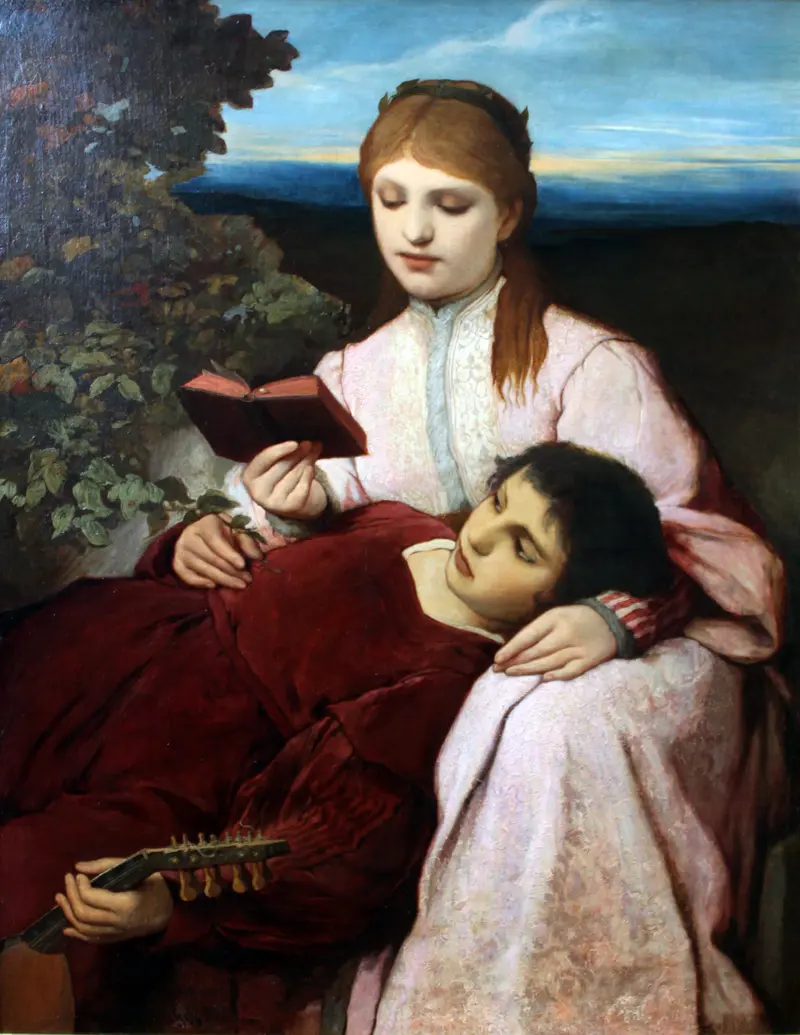
Leisure Hour (Scene from "Tannhäuser")
Gabriel von Max
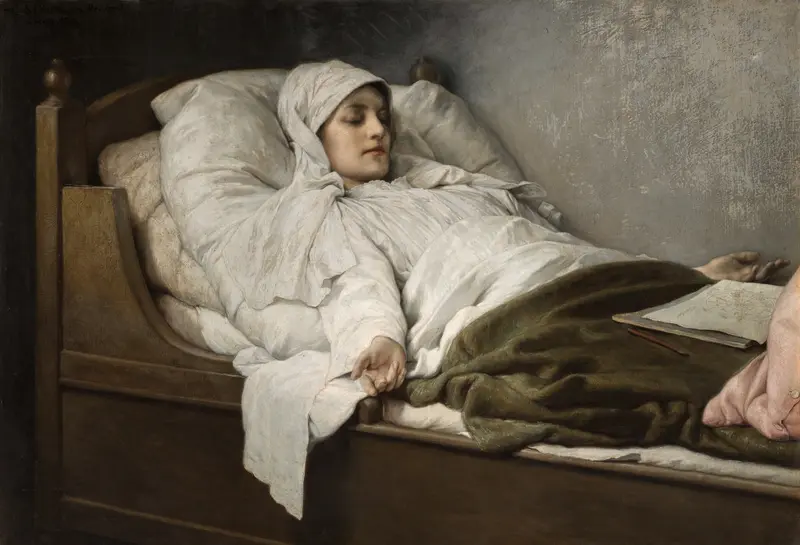
The Seeress of Prevorst
Gabriel von Max
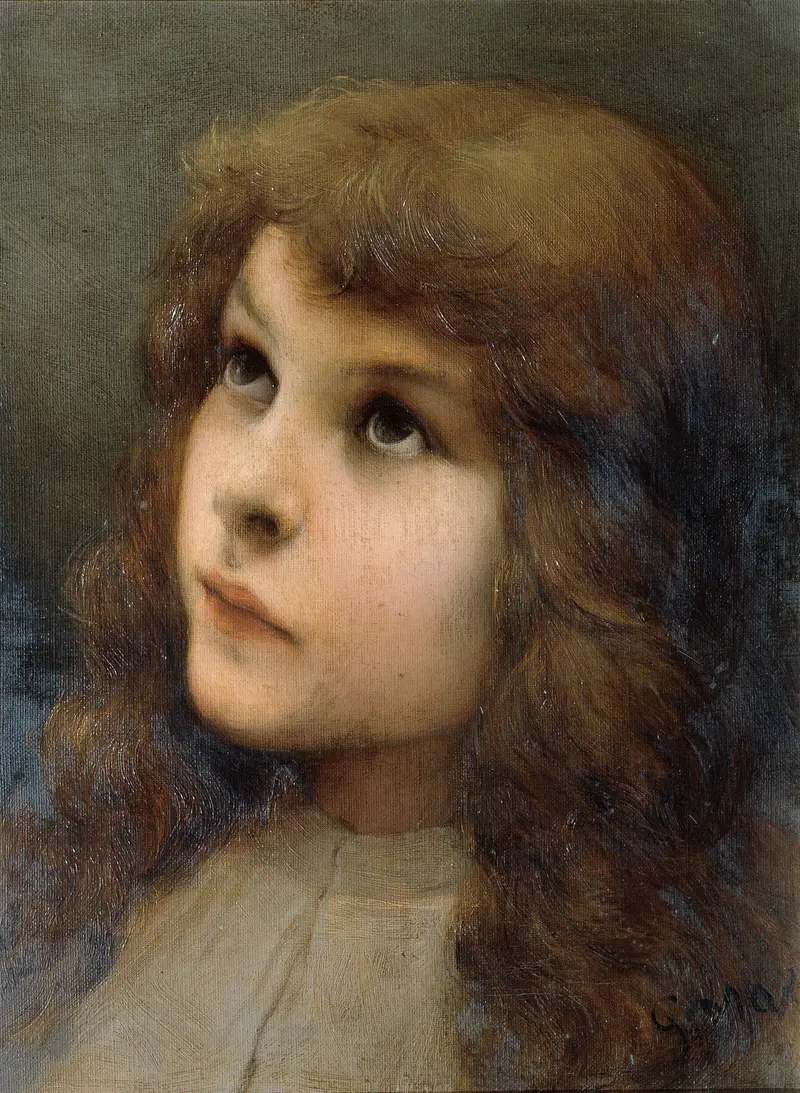
Studienkopf 3866 Österreichische Galerie Belvedere
Gabriel von Max
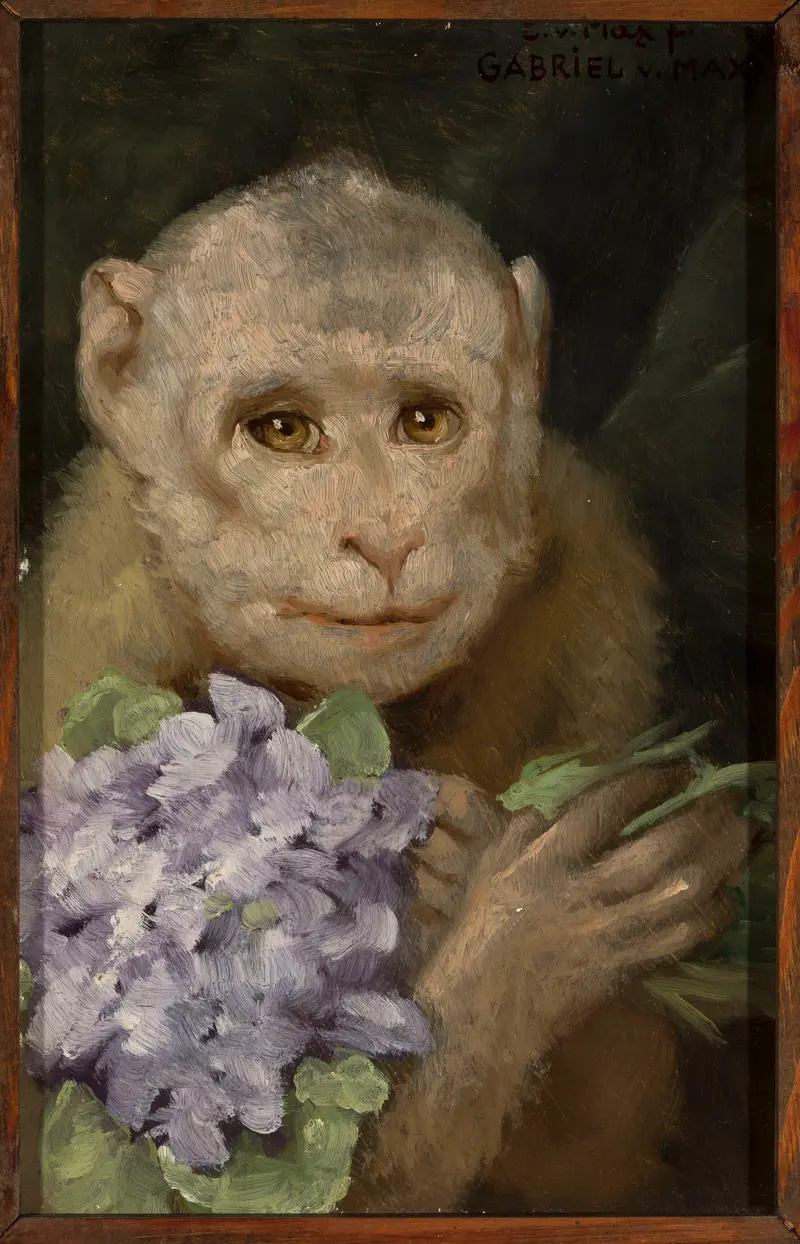
Monkey with violets.
Gabriel von Max
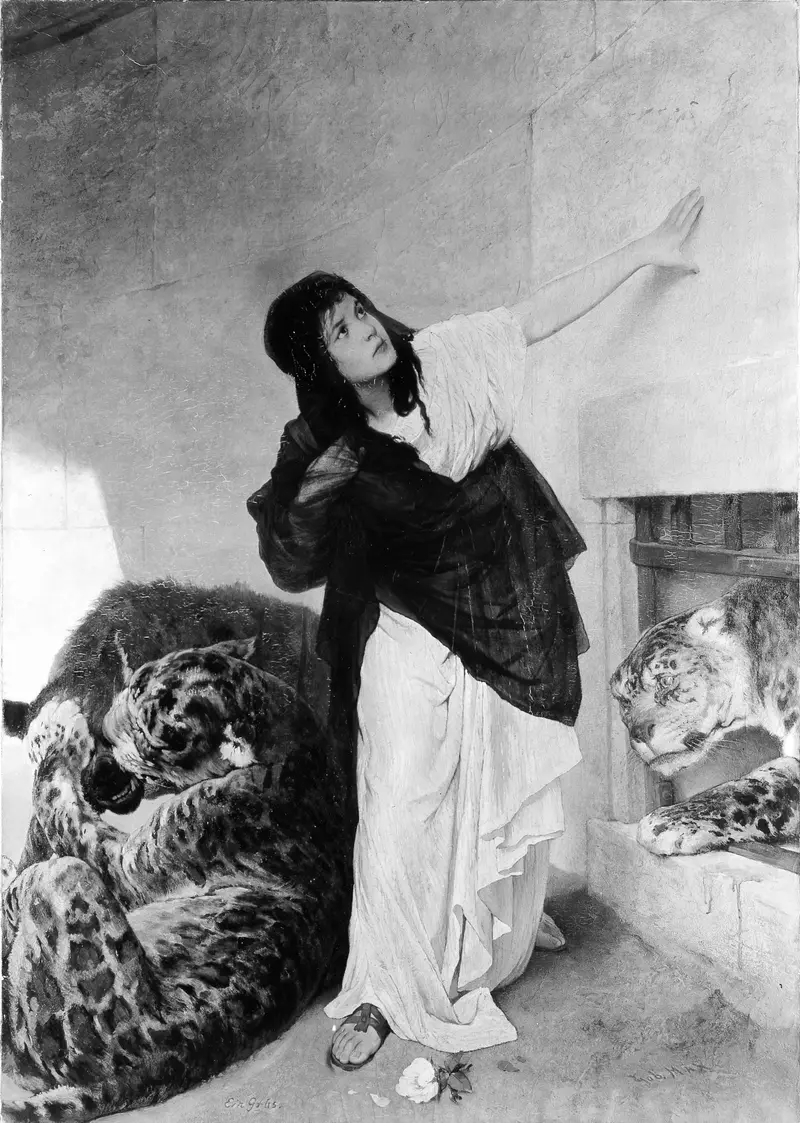
The Last Token: A Christian Martyr
Gabriel von Max
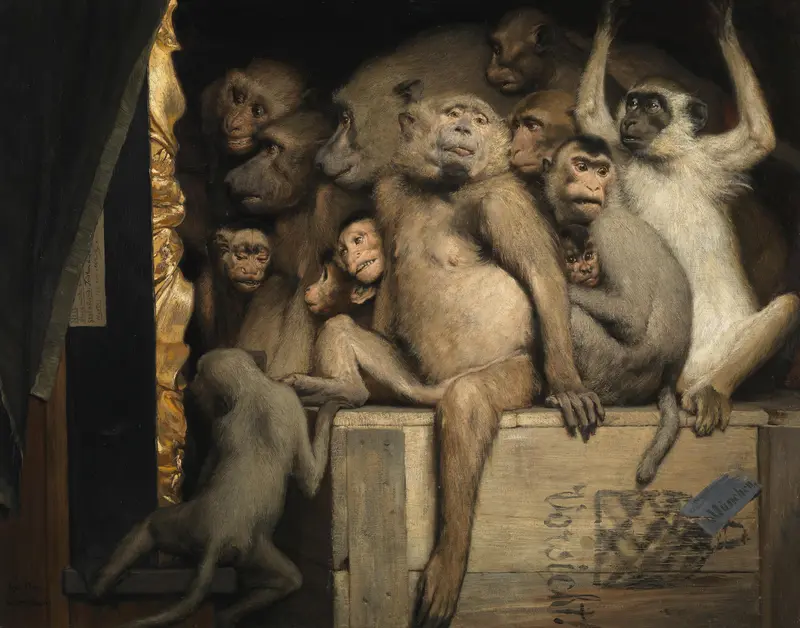
Monkeys as Judges of Art
Gabriel von Max
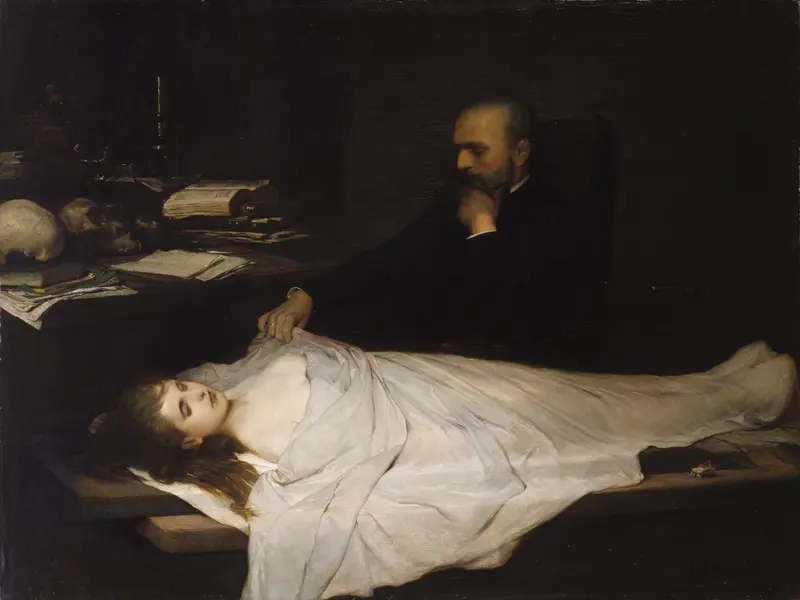
The Anatomist
Gabriel von Max
More Genre Scene Art

Banquet of the Officers of the St George Civic Guard
Frans Hals

Rembrandt and Saskia in the Scene of the Prodigal Son
Rembrandt van Rijn

Bal du moulin de la Galette
Pierre-Auguste Renoir

Quadrille at the Moulin Rouge
Henri de Toulouse-Lautrec

A Burial at Ornans
Gustave Courbet

When Will You Marry?
Paul Gauguin