
A standing hurdy-gurdy player — History & Facts
Could a single brushstroke hold eternity? In Rembrandt's A Standing Hurdy-Gurdy Player, desire echoes through the folds of a tattered cloak and the wistful gaze of an itinerant musician. The painting invites us to explore the profound human yearning for connection and the fleeting nature of joy. Look to the left at the musician’s expressive face, characterized by deep shadows and gentle highlights that capture a moment of vulnerability. The muted palette — rich browns and golds — enhances the somber yet warm atmosphere, drawing the eye toward the hurdy-gurdy, anchored in his skilled hands.
Notice how the soft light falls upon the instrument's worn surface, reflecting a lifetime of stories while simultaneously spotlighting his labor, a testament to both passion and struggle. The contrast between his rugged attire and the exquisite craftsmanship of the hurdy-gurdy speaks to the tension between aspiration and reality. Each wrinkle in his clothing suggests a life filled with hardship, while the delicate instrument represents dreams, music, and the inescapable desire for recognition. This interplay evokes a bittersweet resonance, as the viewer is compelled to acknowledge the beauty in his solitude and the universal quest for belonging. Painted around 1631, this work emerged during a period of artistic flourishing for its creator, when he was navigating the complexities of fame and personal challenges in Amsterdam.
It reflects not only the burgeoning interest in genre scenes but also Rembrandt’s growing mastery in portraying human emotion and the intricacies of daily life, laying the groundwork for his later masterpieces.
More Artworks by Rembrandt van Rijn
Browse all →
The Night Watch Militia Company of District II under the Command of Captain Frans Banninck Cocq
Rembrandt van Rijn

The Return of the Prodigal Son
Rembrandt van Rijn

The Hundred Guilder Print: the figures leaning on the wall in the centre left
Rembrandt van Rijn

The Hundred Guilder Print: the central piece with Christ preaching, the plate arched
Rembrandt van Rijn

Isaac and Rebecca, Known as ‘The Jewish Bride’
Rembrandt van Rijn
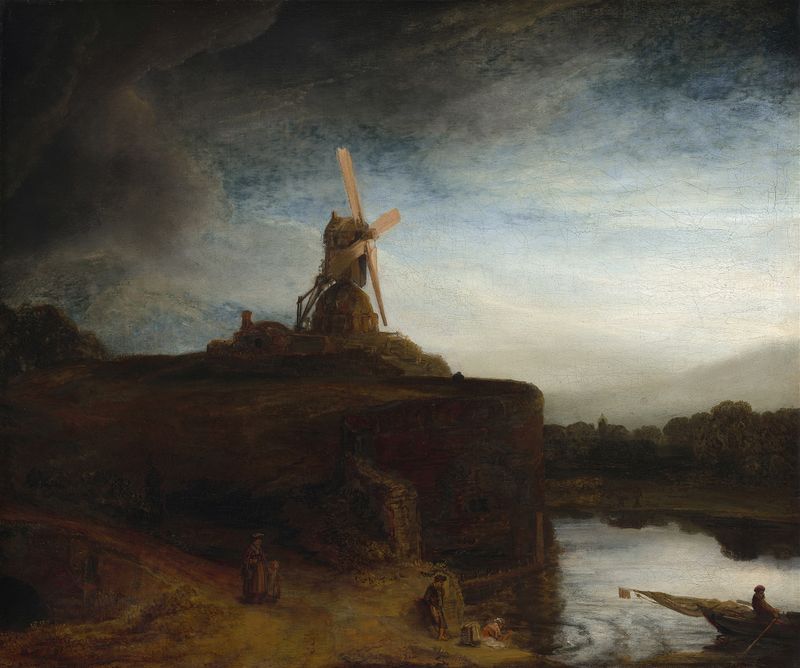
The Mill
Rembrandt van Rijn

The Sampling Officials of the Amsterdam Drapers’ Guild, Known as ‘The Syndics’
Rembrandt van Rijn

The return of the prodigal son
Rembrandt van Rijn
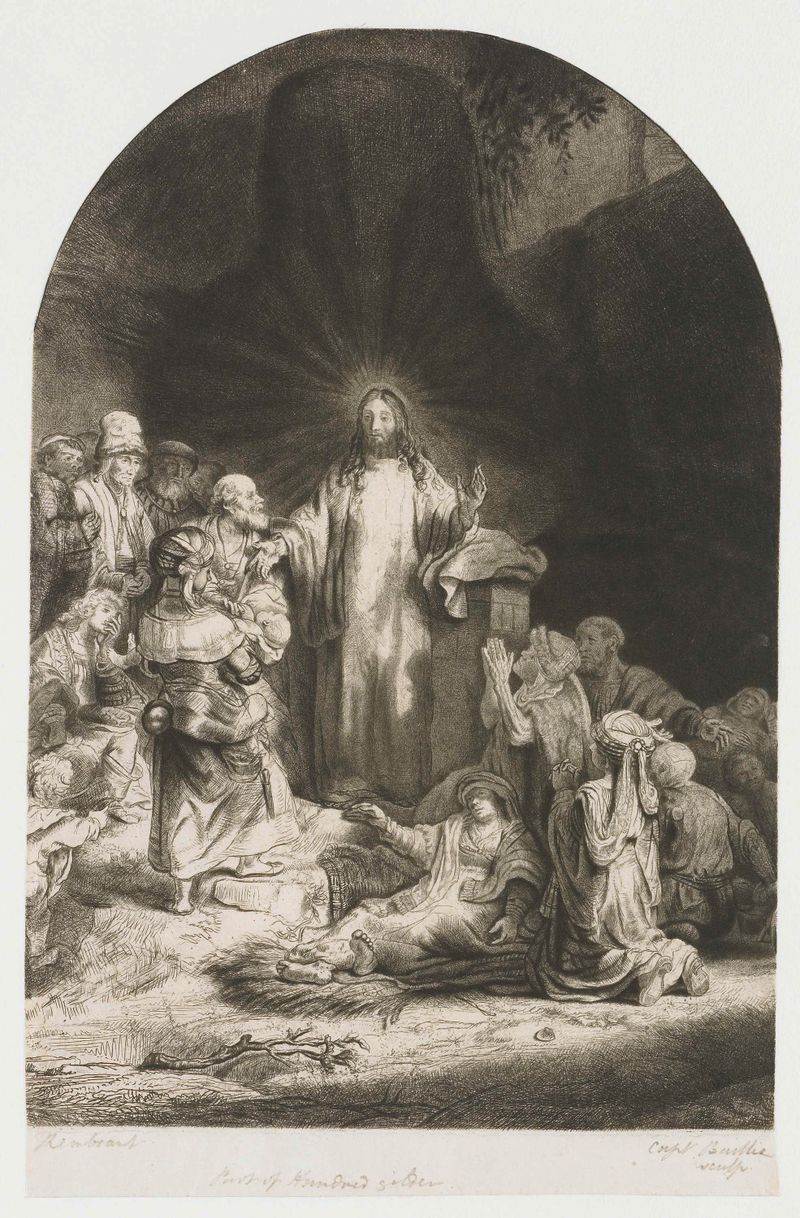
The Hundred Guilder Print: the central piece with Christ preaching, the plate arched
Rembrandt van Rijn

The Hundred Guilder Print: the man seen on the back in the lower left corner
Rembrandt van Rijn





