
A Storm Near A Rocky Coast — History & Facts
In the tempestuous embrace of nature, where mortality meets majesty, man’s frailty is laid bare against the grandeur of the elements. Focus on the swirling clouds that dominate the canvas, their dark forms looming like ominous specters. To the left, jagged rocks jut out of tumultuous waves, each crest glinting with a silver lining that plays with the viewer's perception of hope amidst chaos. Notice how the muted, earthy tones contrast with the dramatic flashes of white foam; they evoke a visceral tension, an interplay of light and shadow that brings the scene to life. The subtle details beckon closer inspection: a solitary figure battles the wind, embodying human resilience while the storm threatens to engulf everything in its path.
This struggle against nature serves as a poignant reminder of our place within the vast, untamed world and our fleeting existence, hinting at the delicate balance between beauty and destruction. The impending storm, both fearsome and awe-inspiring, reflects the duality of life—joy intertwined with the specter of loss. In 1784, Vernet painted this scene amid the rising tides of Romanticism, a period that celebrated emotion and individual experience. While living in France, he engaged with the shifting sentiments of his time, illustrating nature’s power while reflecting on the human condition.
This artwork, emblematic of his mastery, encapsulates the tension between the sublime and the ephemeral, resonating deeply within the viewer’s psyche.
More Artworks by Claude-Joseph Vernet
Browse all →
An Italian Harbour in Stormy Weather
Claude-Joseph Vernet
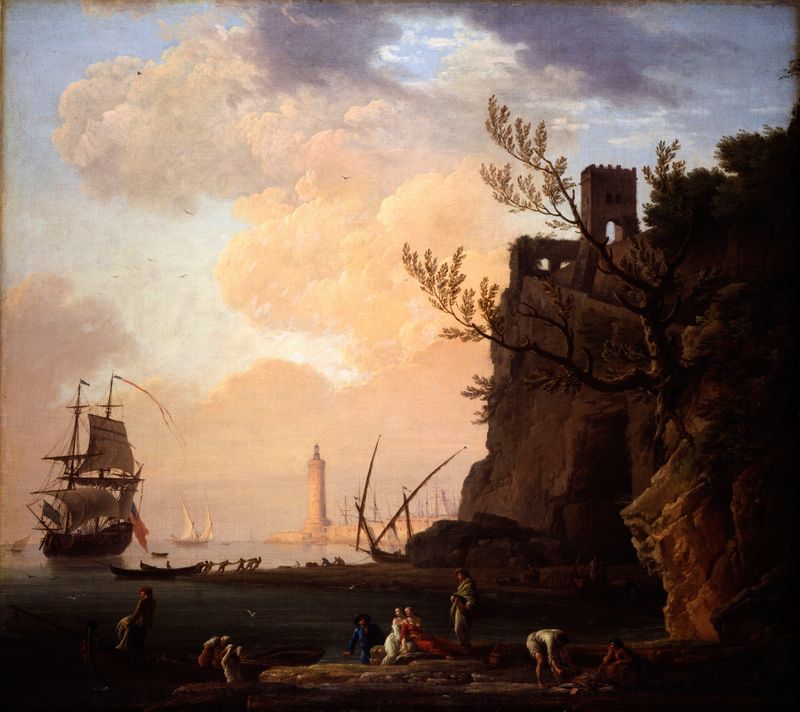
An Italianate Harbour Scene
Claude-Joseph Vernet
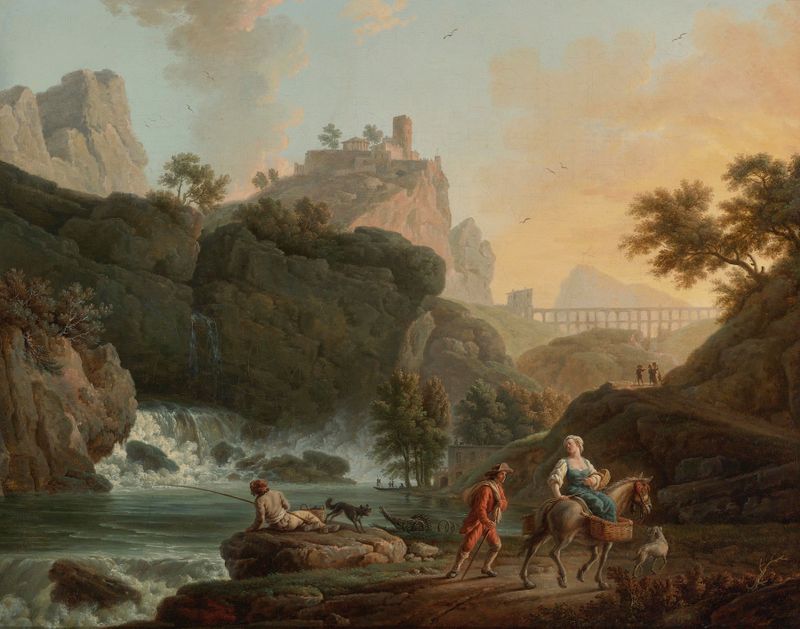
A Rocky Landscape With A fisherman And Travellers By A River With A Waterfall, An Aqueduct In The Distance
Claude-Joseph Vernet
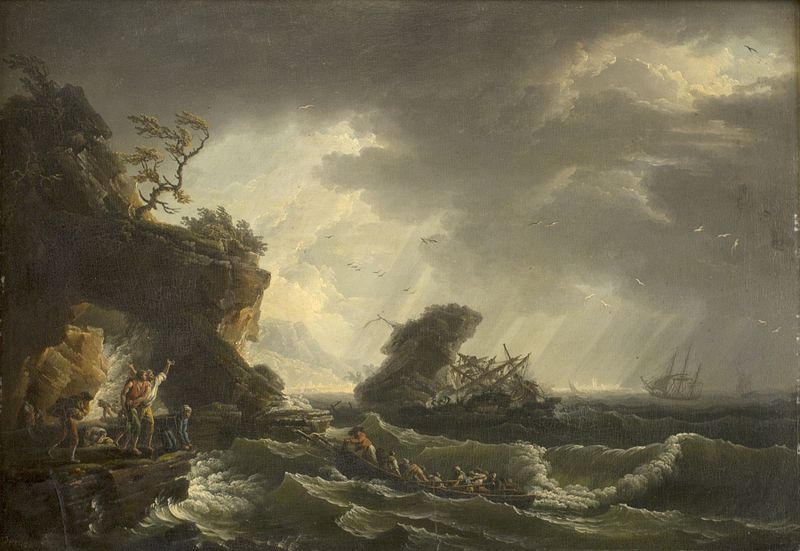
A Shipwreck
Claude-Joseph Vernet

A Mediterranean Harbor At Sunset With Fisherfolk At The Water’s Edge, A Lighthouse And A Man Of War At Anchor In The Bay
Claude-Joseph Vernet
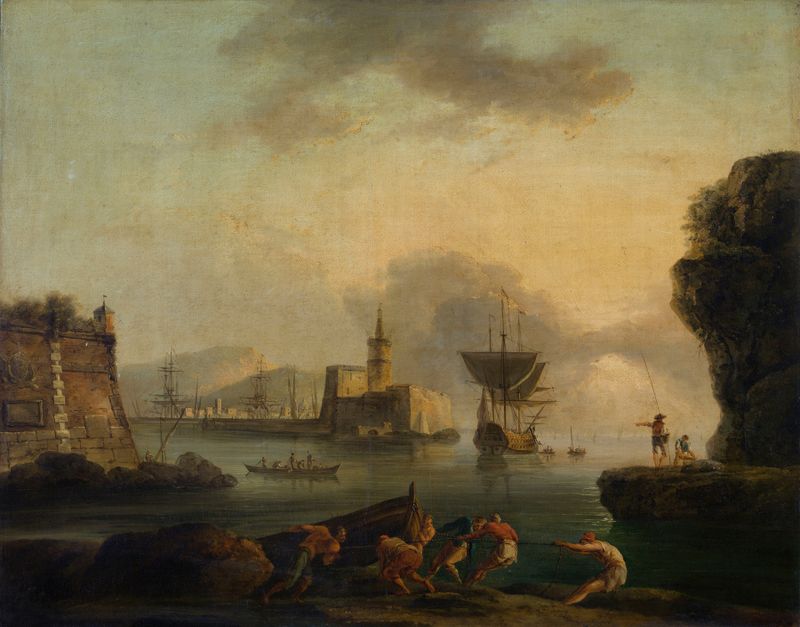
Naples
Claude-Joseph Vernet
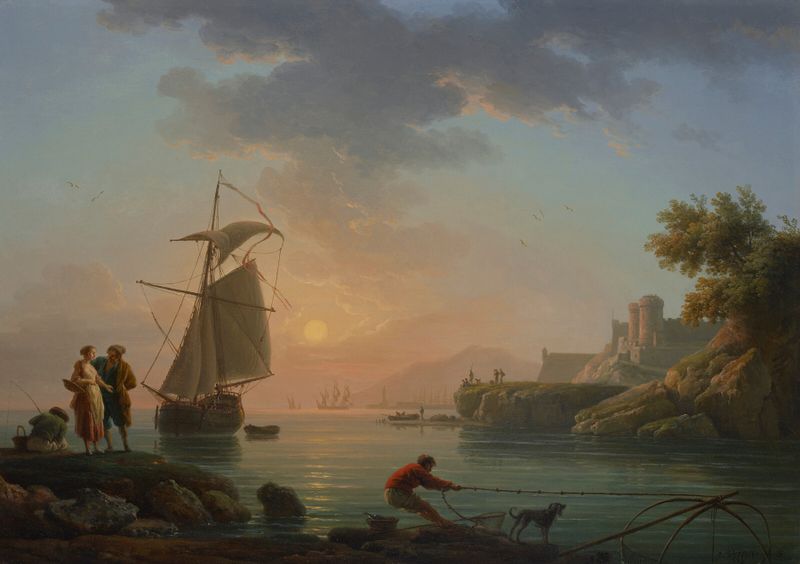
Mediterranean port at sunset, with a fisherman in the foreground
Claude-Joseph Vernet
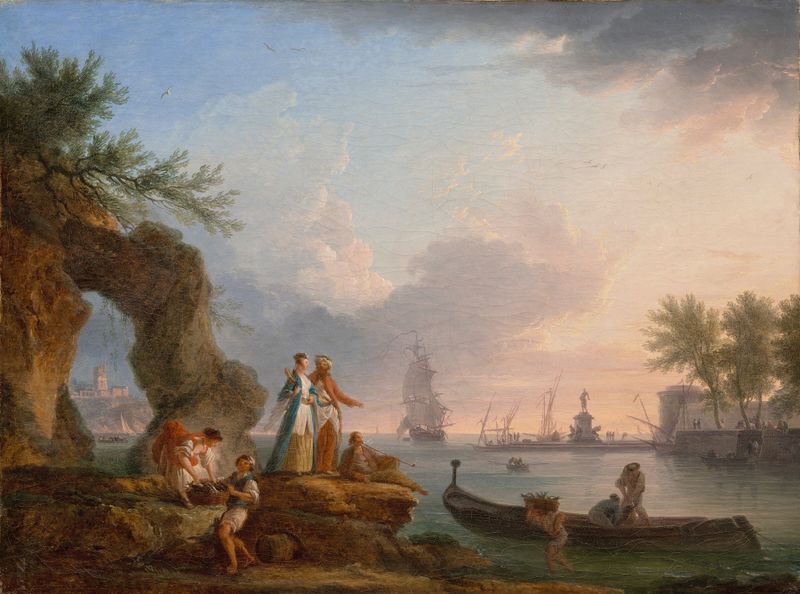
View of a port at sunset with fishermen and a couple in oriental dress
Claude-Joseph Vernet

A Calm at a Mediterranean Port
Claude-Joseph Vernet

A Grand View Of The Sea Shore Enriched With Buildings, Shipping And Figures
Claude-Joseph Vernet





