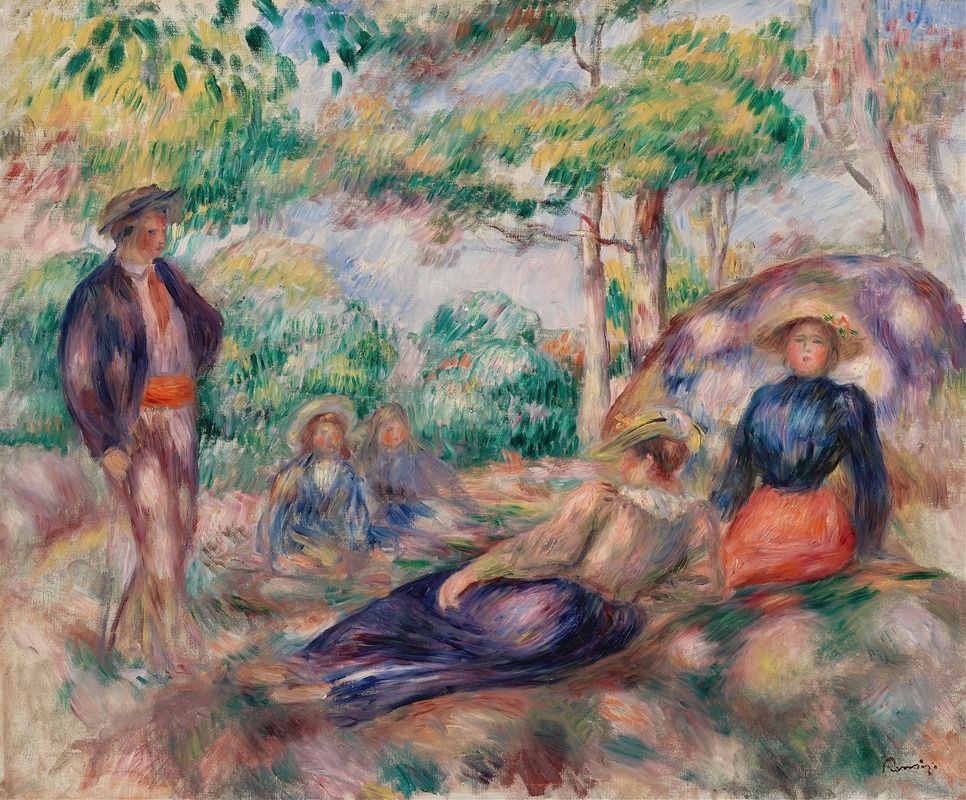
Discover insights about this artwork
À Tunis — History & Facts
In À Tunis, Jules Pascin captures a lively scene filled with vibrant colors. The painting features figures engaged in daily activities, set against the backdrop of Tunisian architecture. Warm yellows and deep blues dominate the palette, creating a sense of warmth and vibrancy.
The figures are depicted with fluid lines, emphasizing movement and life in the scene. The painting is executed in oil on canvas, showcasing Pascin's skillful brushwork. The dimensions are approximately 80 x 100 cm, making it a sizable work that draws the viewer in. The use of color and light is particularly striking, highlighting the contrasts between the figures and their surroundings.
Viewers can appreciate the details in the clothing and expressions of the figures, which add depth to the narrative. Jules Pascin was known for his depictions of life in various cultures, often focusing on the human figure. À Tunis reflects his fascination with North African life, showcasing the vibrancy and diversity of the region. An interesting fact about this work is that it was created during a period when Pascin was exploring different artistic styles, blending influences from Impressionism and Modernism.
This piece exemplifies his ability to capture the essence of a place and its people.
More Artworks by Jules Pascin
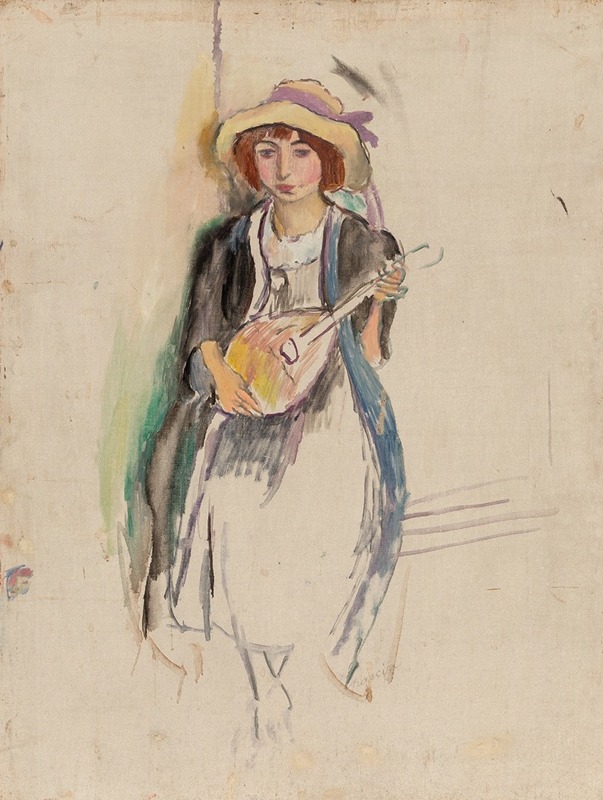
Fille à la mandoline
Jules Pascin
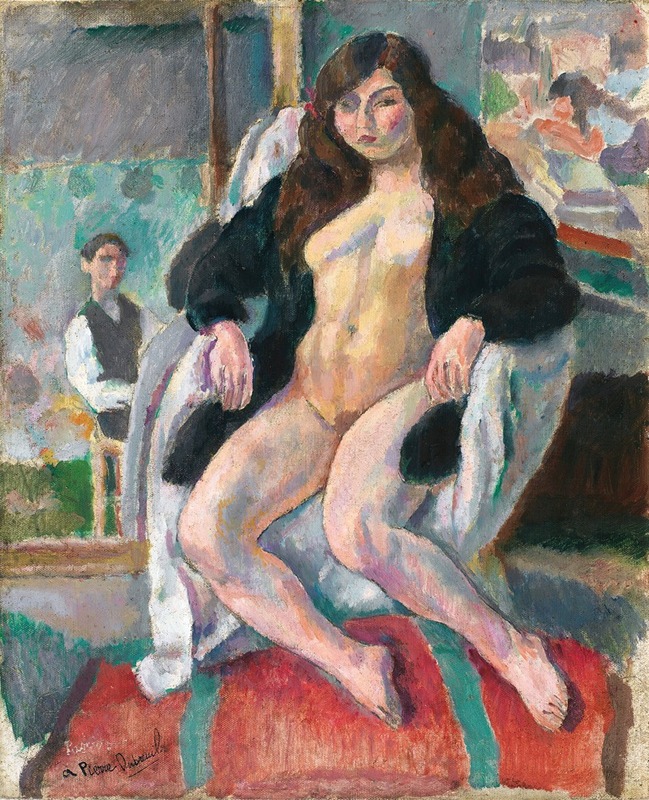
Le Peintre Et Son Modèle
Jules Pascin
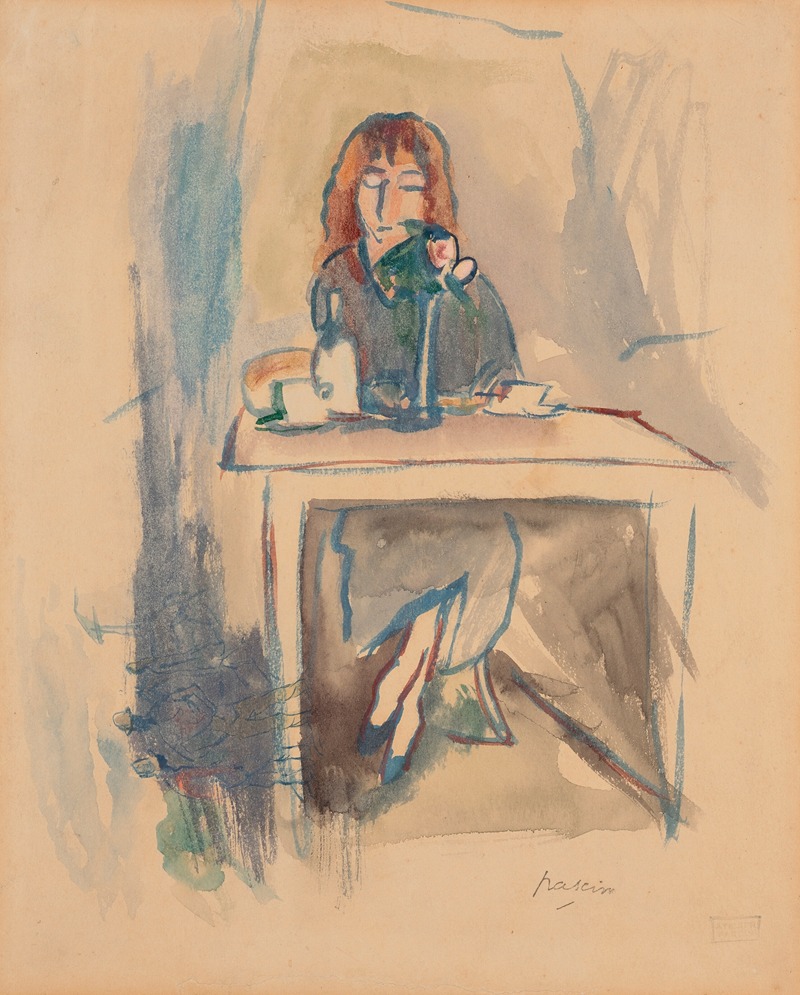
Hermine David à la robe bleue
Jules Pascin
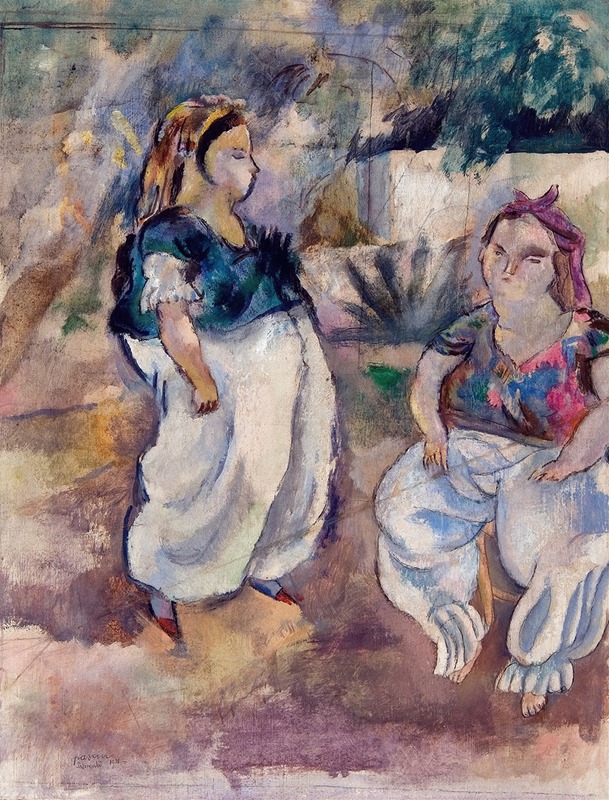
Les Tunisiennes
Jules Pascin
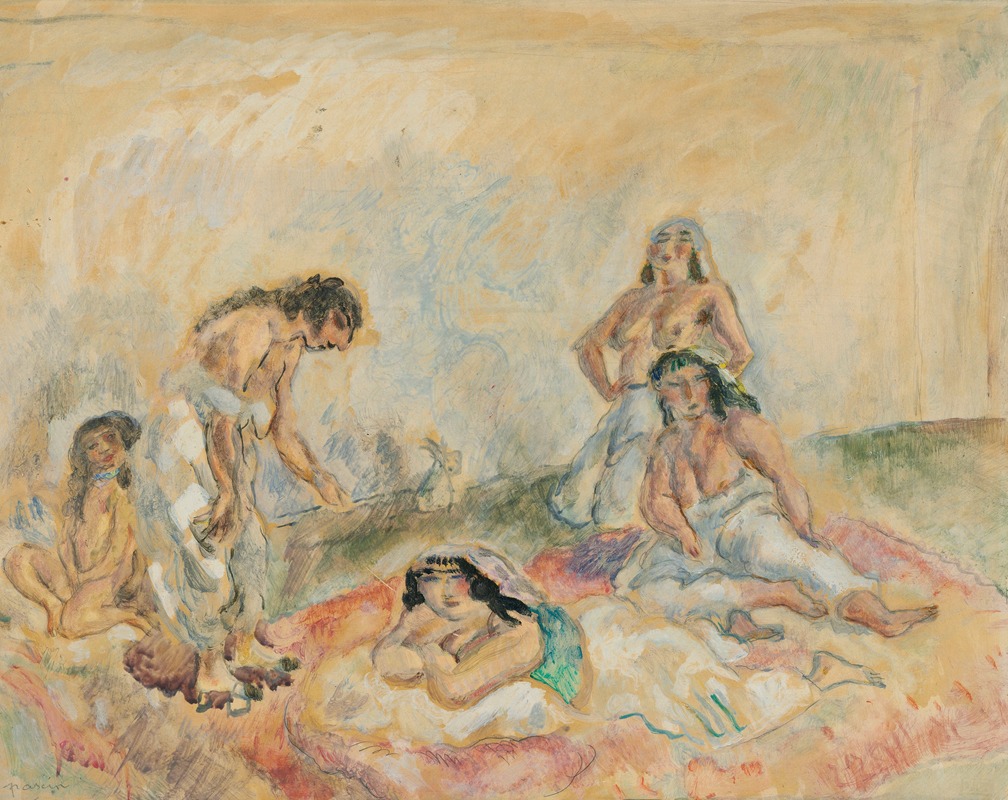
Femmes au salon
Jules Pascin
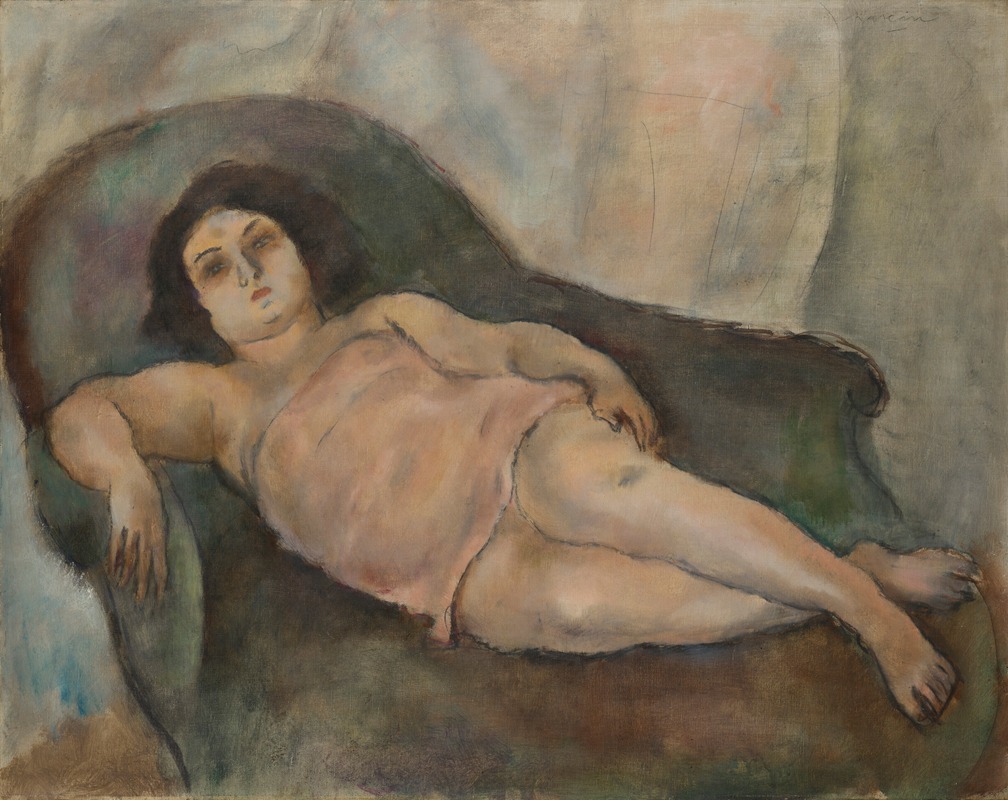
Le Modèle à la chemise rose
Jules Pascin
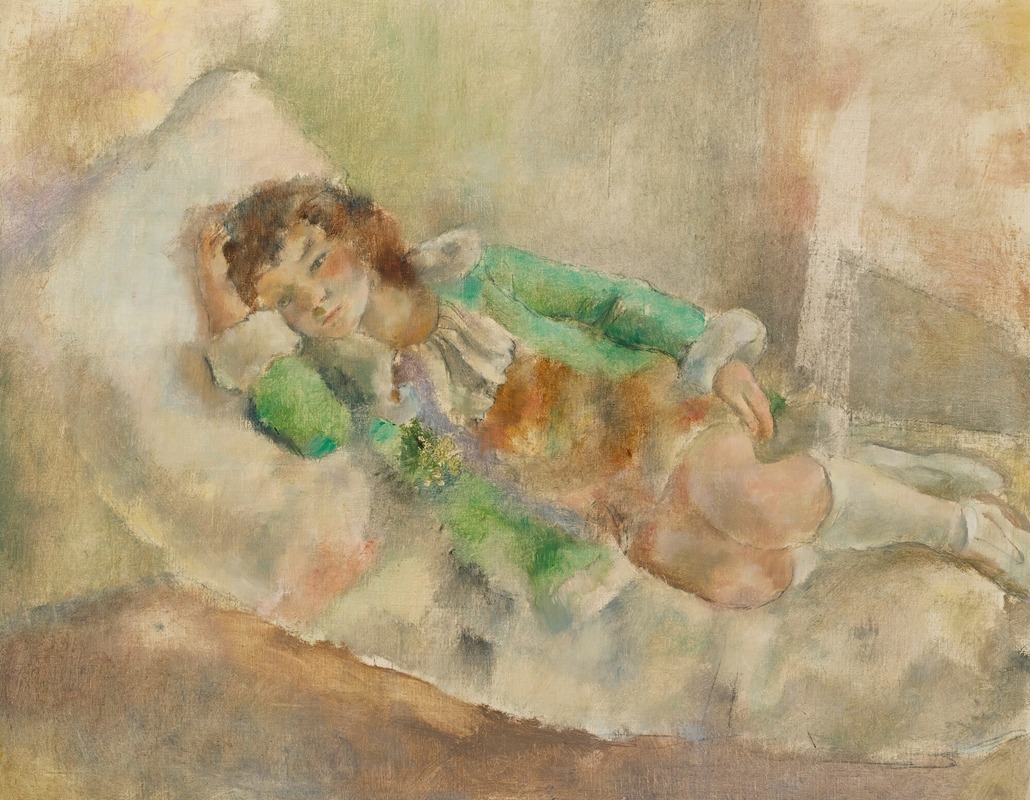
La Petite Actrice
Jules Pascin
Les Voleurs d’art
Jules Pascin
Réunion infernale
Jules Pascin
Julie, la Martiniquaise
Jules Pascin