
A View in Hudson’s River of the Entrance of what is called the Topan Sea. — History & Facts
When did color learn to lie? It’s a question that reverberates as one gazes at the harmonious interplay of shades in this remarkable landscape. In A View in Hudson’s River of the Entrance of what is called the Topan Sea, vibrant hues evoke a sense of rebirth, reflecting nature's resilience and the promise of new beginnings. Focus your attention on the lush greens in the foreground, where the flora seems to pulse with life against the tranquil water. Notice how the light dances upon the surface of the river, its reflections shimmering like liquid glass.
The soft blues of the sky blend seamlessly with the earthy tones of the land, while delicate brushstrokes breathe movement into the trees, drawing your gaze deeper into the composition. It’s a masterful balance of depth and serenity, inviting both contemplation and exploration. Yet, there is an intricate tension beneath this tranquil scene; the juxtaposition of life and stillness speaks to the fragility of nature. The soaring mountains in the background stand as sentinels over the river, their majestic presence hinting at the power of the elements.
The painting captures the momentary beauty of a fleeting day, where the luminous colors may deceive, masking the underlying transience of the landscape. In this way, it becomes a metaphor for the cyclical rebirth of nature itself. In 1761, Paul Sandby painted this view during a transformative era for landscape art, marked by an increasing fascination with the natural world. Living in England, he was deeply influenced by the Romantic ideals emerging in art, which celebrated the sublime and the picturesque.
As a key figure in the development of British watercolor painting, Sandby's work reflected not only his personal vision but also a broader artistic shift towards capturing the ethereal beauty of the environment.
More Artworks by Paul Sandby
Browse all →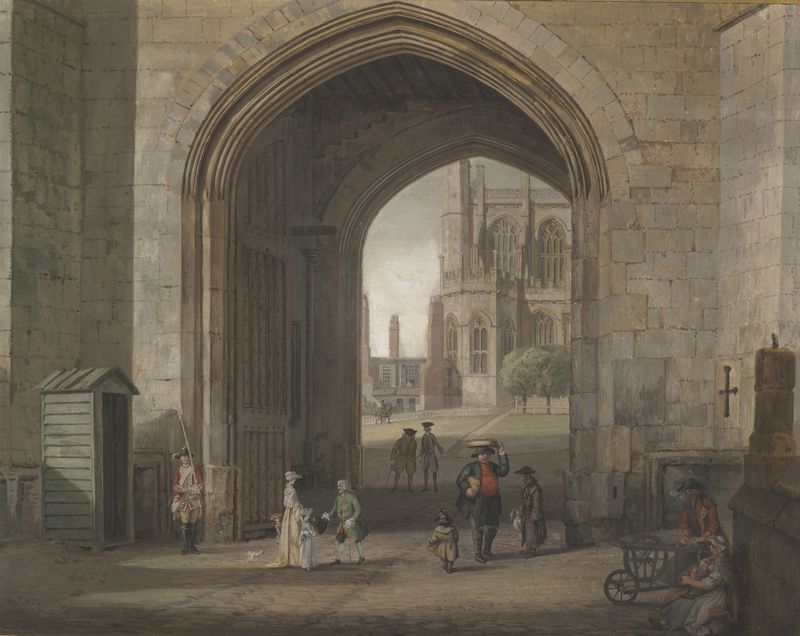
The Tower Gate at Windsor Castle
Paul Sandby

A Distant View of Maidstone, from Lower Bell Inn, Boxley Hill
Paul Sandby
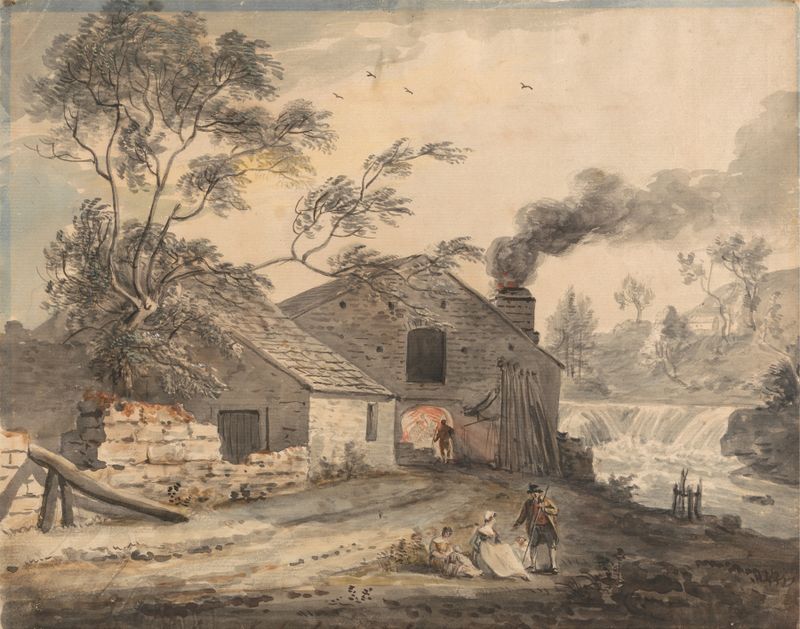
Iron Forge on the River Kent, Westmorland
Paul Sandby
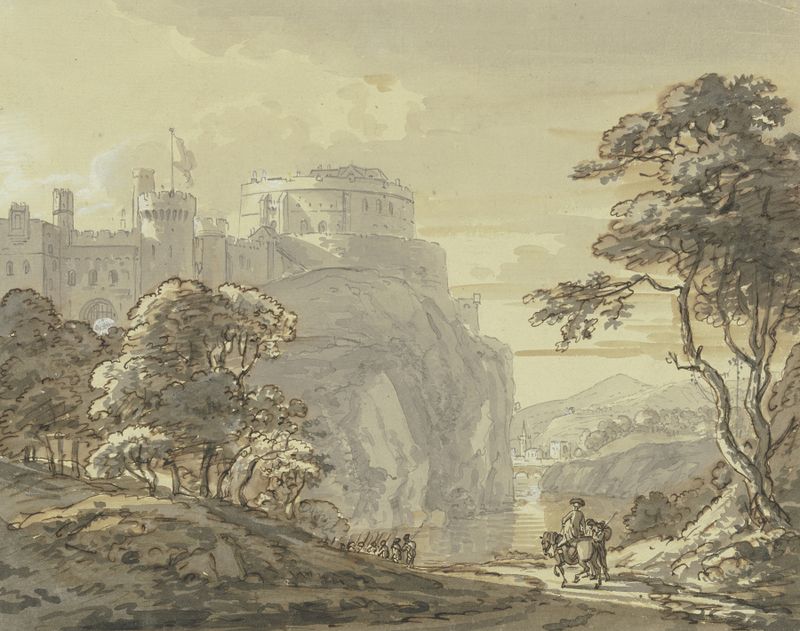
View of Windsor Castle
Paul Sandby

Hackwood Park, Hampshire
Paul Sandby

Roslin Castle, Midlothian
Paul Sandby
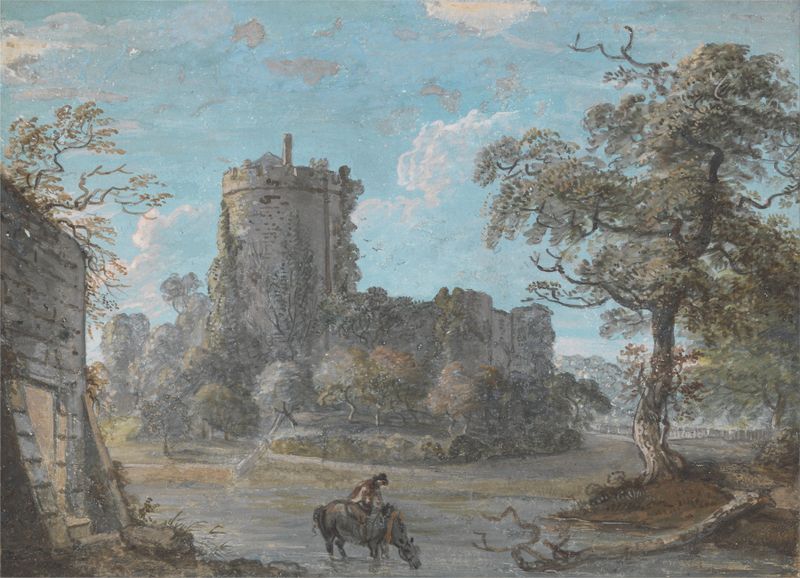
The Entrance to Chepstow Castle
Paul Sandby
The Hundred Steps and Winchester Tower, Windsor Castle, Berkshire
Paul Sandby

Brook End, Essex
Paul Sandby
Carreg Cennen Castle
Paul Sandby





