
A View of Bethlem, the Great Morovian Settlement in the Province of Pennsylvania. — History & Facts
When did color learn to lie? This haunting question resonates within the tranquil confines of a pastoral scene, where beauty and truth intertwine, leaving viewers in a state of contemplative wonder. Focus on the vibrant tapestry of greens and browns that envelop the Moravian settlement. As you explore the painting, notice how the sunlight bathes the landscape, lending a warmth that contrasts with the cool shadows of the trees. The gentle flow of the river draws your eye toward the settlement, inviting you into its serene embrace.
Each brushstroke captures the delicate balance between nature and human life, with the architecture appearing to harmoniously spring from the earth itself. Deeper meanings emerge in the juxtaposition of the idyllic scenery and the unspoken histories of its inhabitants. The settlement stands as a testament to both community and solitude—its buildings connected yet distinctly separate, echoing the complexities of human relationships. The reflection on the water hints at dualities, suggesting that tranquility often masks untold stories, while the light reveals the hidden beauty of simplicity amid the complexities of colonial life. In 1761, when this piece was created, the artist found himself in a world of change.
Sandby was in England, transitioning from topographical studies to a more personal exploration of landscapes. The Moravian settlement in Pennsylvania was a focal point of interest for Europeans, representing a unique experiment in religious and communal living amid the backdrop of colonial America. This work encapsulates the spirit of an era searching for identity through both land and light.
More Artworks by Paul Sandby
Browse all →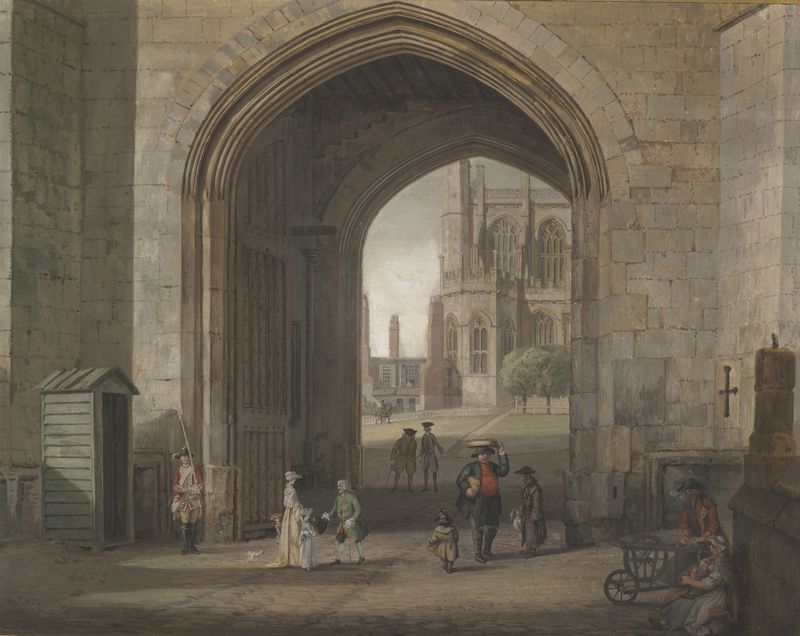
The Tower Gate at Windsor Castle
Paul Sandby

A Distant View of Maidstone, from Lower Bell Inn, Boxley Hill
Paul Sandby
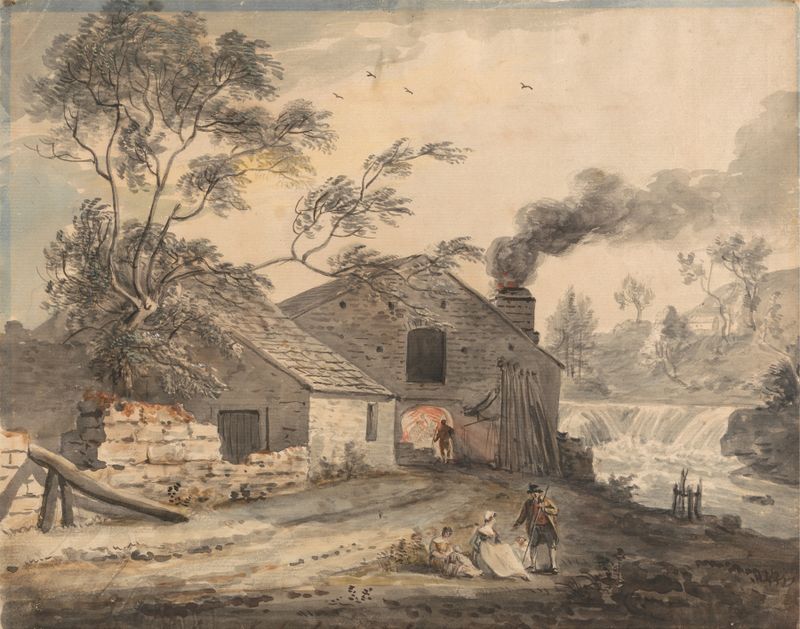
Iron Forge on the River Kent, Westmorland
Paul Sandby
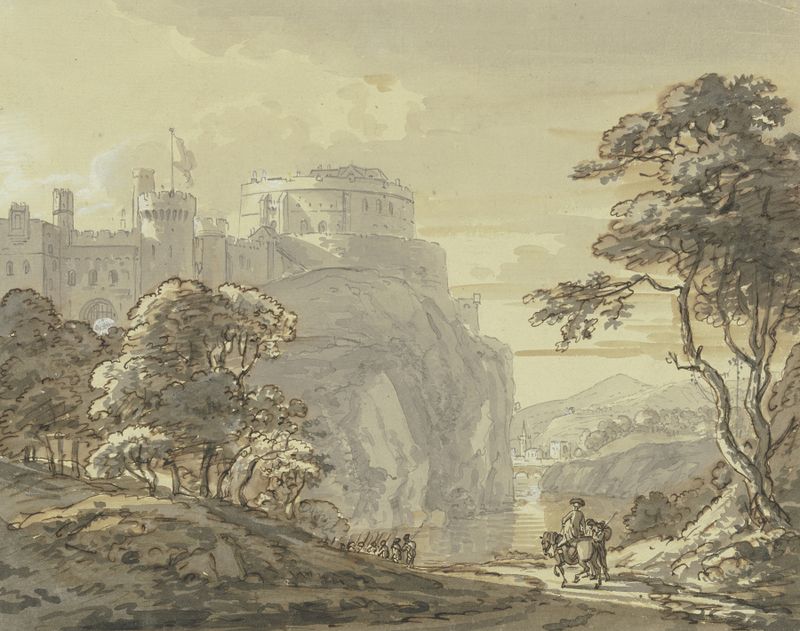
View of Windsor Castle
Paul Sandby

Hackwood Park, Hampshire
Paul Sandby

Roslin Castle, Midlothian
Paul Sandby
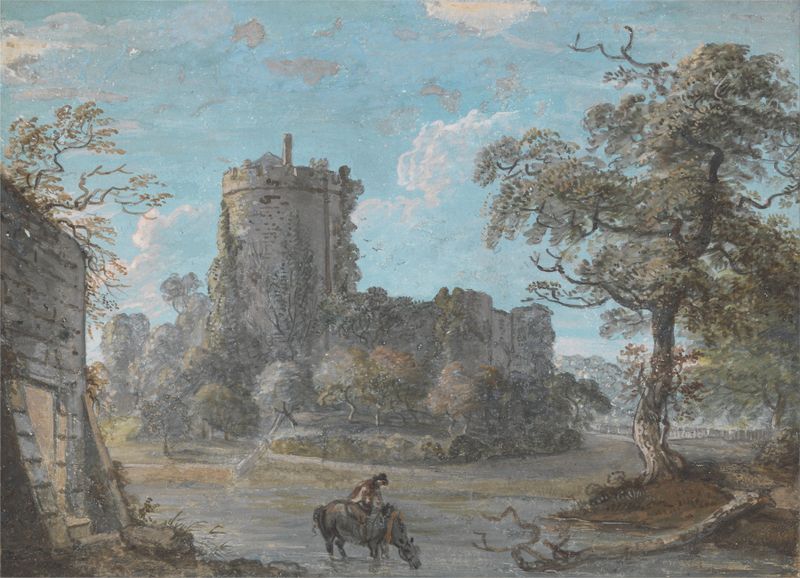
The Entrance to Chepstow Castle
Paul Sandby
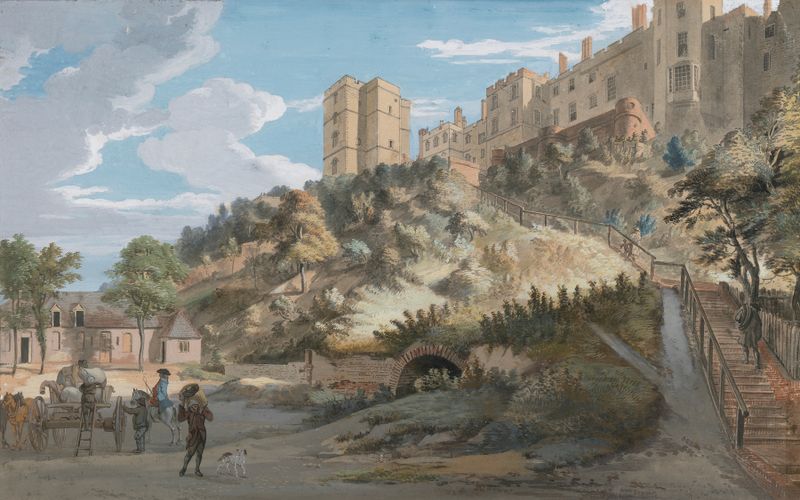
The Hundred Steps and Winchester Tower, Windsor Castle, Berkshire
Paul Sandby

Brook End, Essex
Paul Sandby
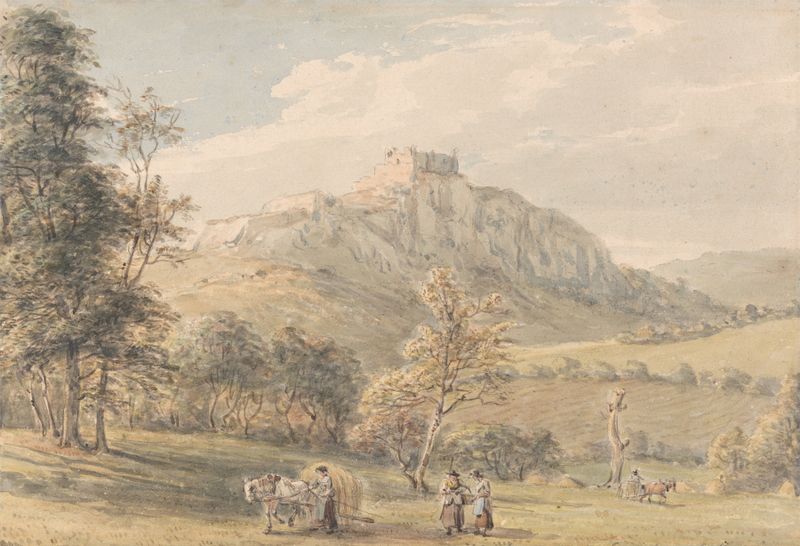
Carreg Cennen Castle
Paul Sandby





