
A View Of St. James’s Park, London — History & Facts
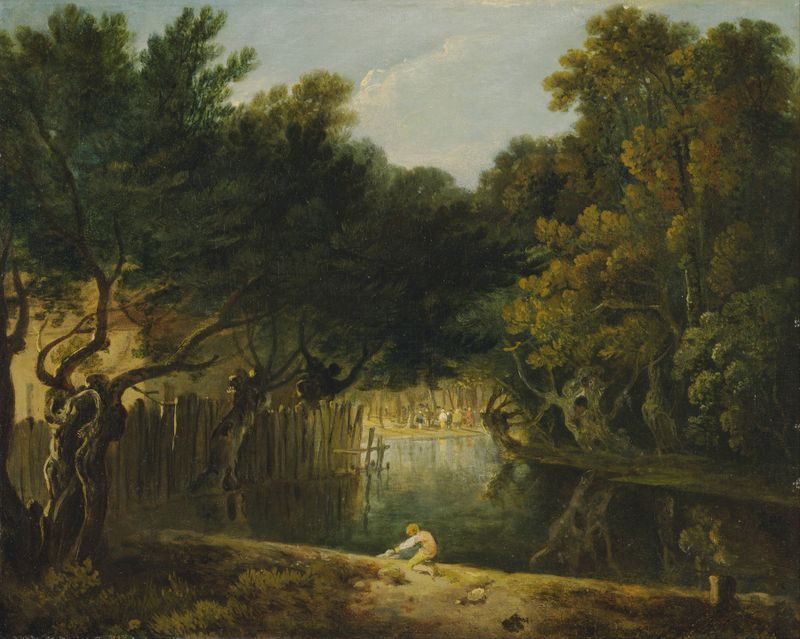
Where does light end, and longing begin? In the delicate interplay of nature and architecture, beauty emerges as a silent dialogue between the two. Look to the left at the arching branches of the trees, their foliage a lush green that contrasts with the soft blues of the sky. Notice how the light filters through, dappling the ground with flecks of sunshine, creating a dreamlike quality that invites contemplation. The serene lake reflects these hues, mirroring the vibrant world above while adding a sense of depth to the composition.
The artist’s brushstrokes, gentle yet deliberate, guide the viewer’s eye throughout this tranquil scene. As you explore further, consider the juxtaposition between the natural and the man-made. The harmonious presence of the park’s manicured landscape alongside the distant architecture highlights a tension between serenity and civilization. Each element—be it the rippling water or the distant structures—evokes an emotional resonance, suggesting a longing for connection to nature amid urban existence.
This balance of beauty and contemplation reflects the complex relationship humans have with their surroundings. Richard Wilson created this work during a period when landscape painting was evolving in 18th century England, shifting towards a more personal expression of nature. Although the exact date remains unknown, it was during a time marked by social and political change, where the appreciation for verdant spaces began to flourish. Wilson, known for his landscapes that encapsulate the sublime, was pivotal in this transition, offering viewers a glimpse of nature’s untouched beauty amidst the growing urbanization of London.
More Artworks by Richard Wilson
Browse all →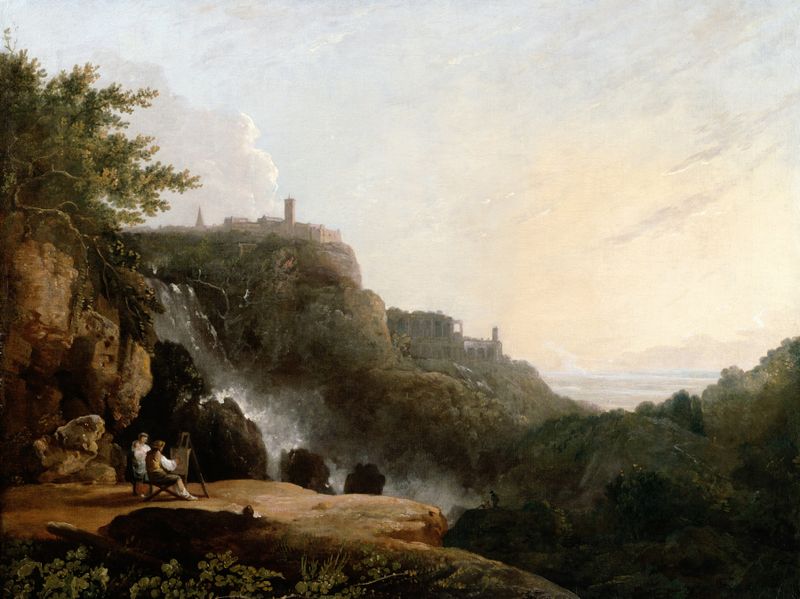
View of Tivoli- the Cascatelle and the ‘Villa of Maecenas’
Richard Wilson
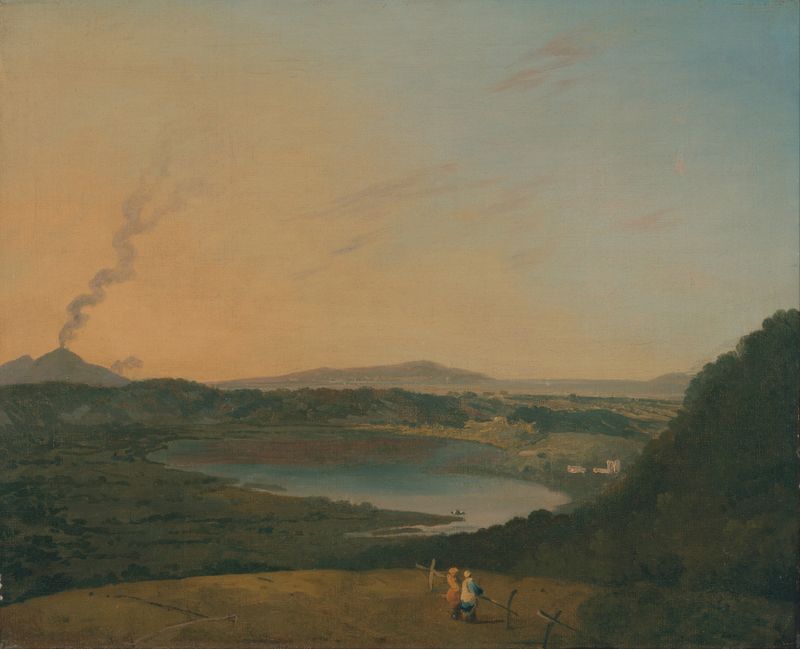
Lago d’Agnano with Vesuvius in the distance
Richard Wilson
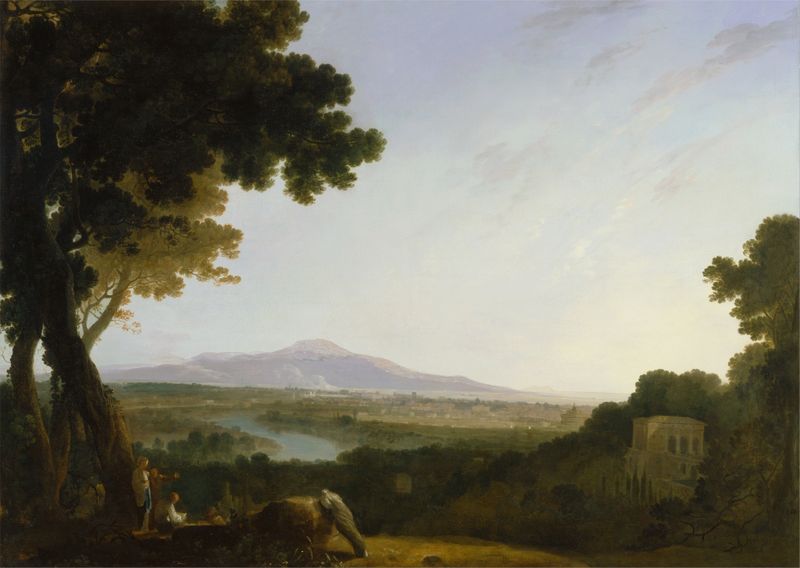
Rome from the Villa Madama
Richard Wilson
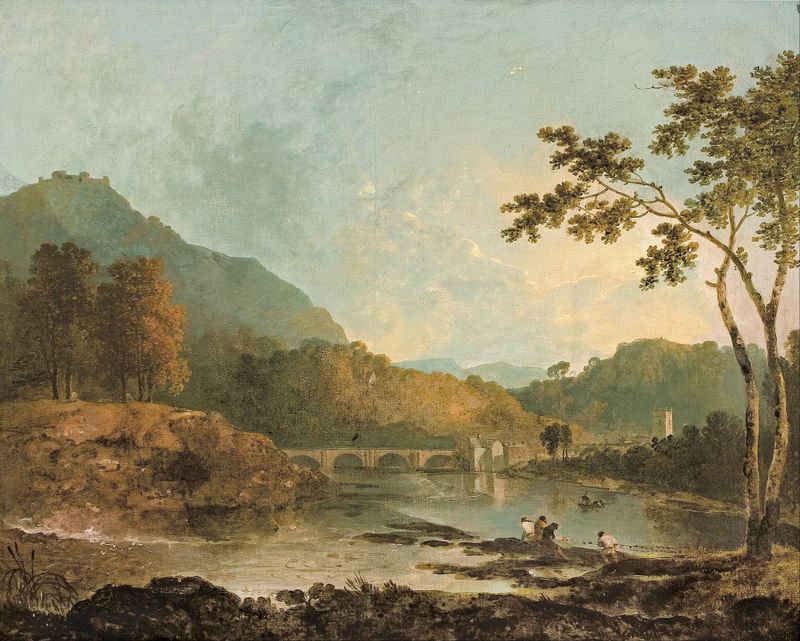
Dinas Bran from Llangollen
Richard Wilson
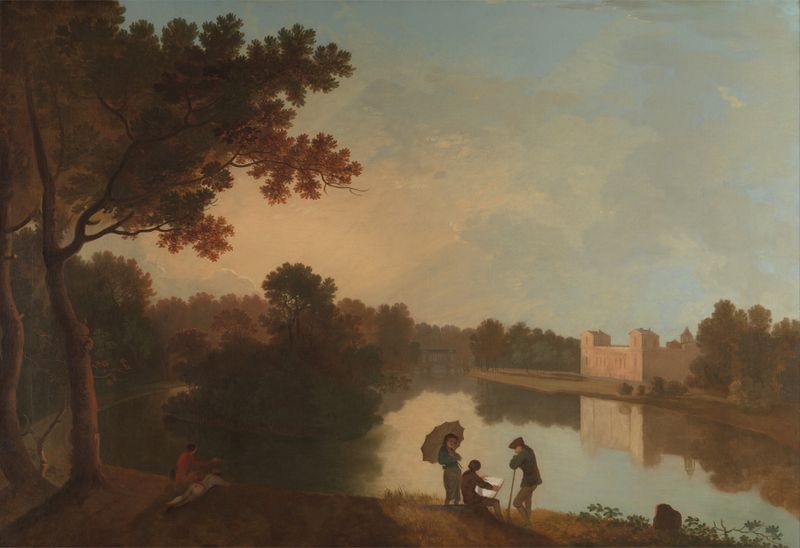
Wilton House from the Southeast
Richard Wilson
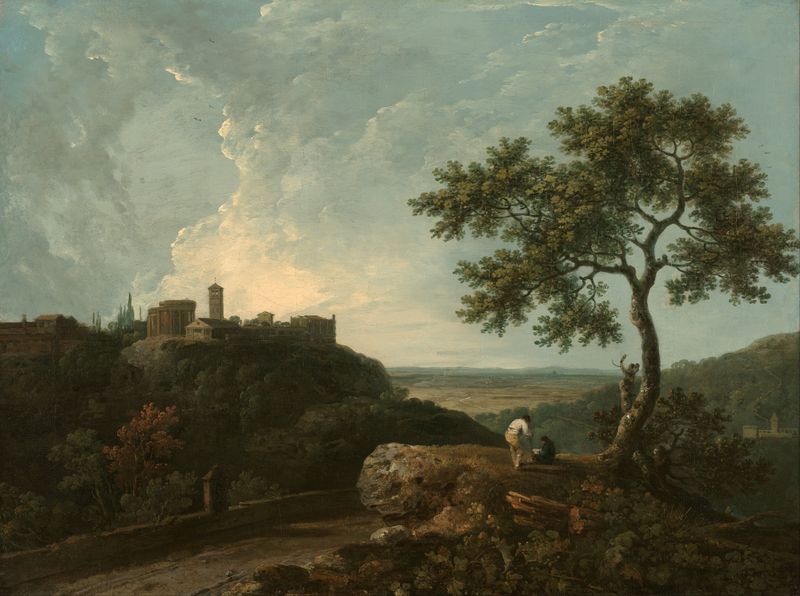
Tivoli- The Temple of the Sybil and the Campagna
Richard Wilson
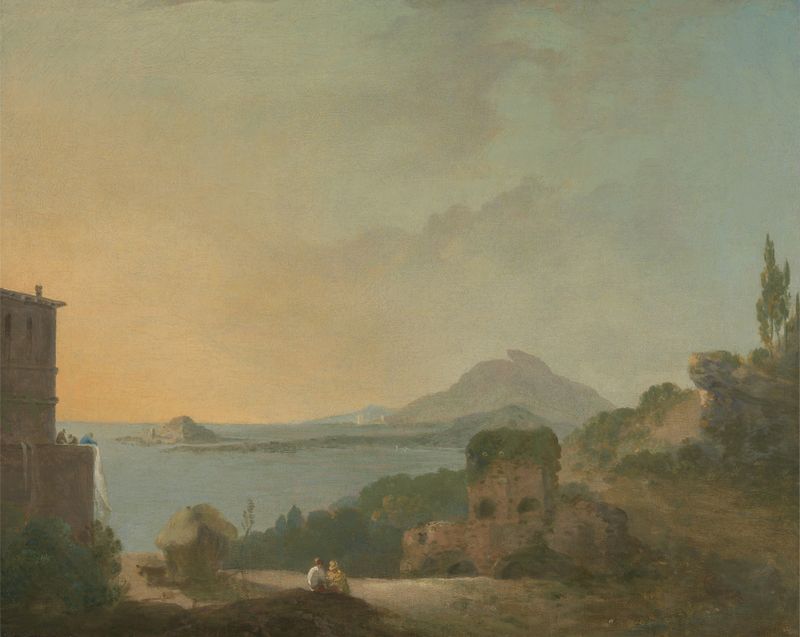
Cicero’s Villa and the Gulf of Pozzuoli
Richard Wilson
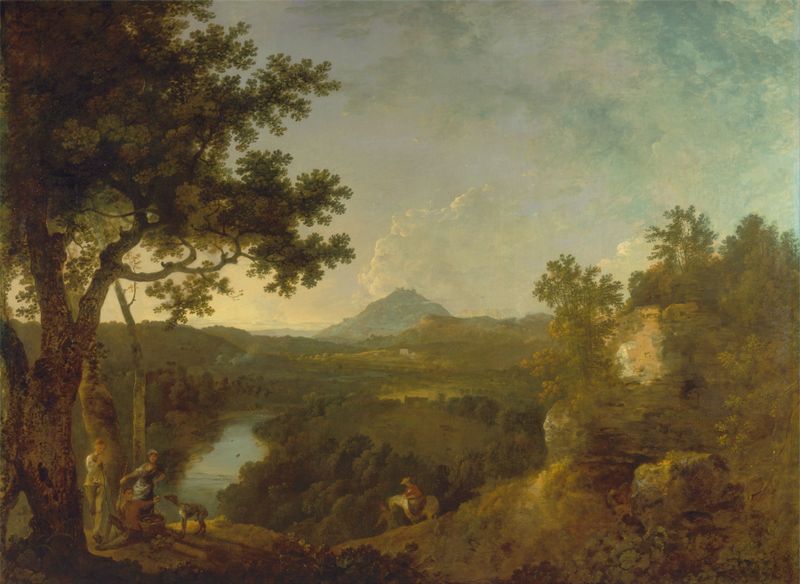
View near Wynnstay, the Seat of Sir Watkin Williams-Wynn, BT.
Richard Wilson
Italian Landscape (Morning)
Richard Wilson
View of the Wilderness in St. James’s Park
Richard Wilson





