
View near Wynnstay, the Seat of Sir Watkin Williams-Wynn, BT. — History & Facts
Could a single brushstroke hold eternity? In Richard Wilson's View near Wynnstay, the delicate interplay of nature and humanity invites contemplation on the enduring truths nestled within our landscapes. Look to the right at the wisps of clouds that dance upon a pale sky, their soft contours echoing the rolling hills beneath. Notice how the light filters through the branches of sturdy trees, casting gentle shadows that cradle the tranquil scene. The muted greens and blues speak of serenity, while the precise yet loose strokes suggest both the solidity of the natural world and its ephemeral beauty. At the heart of this painting lies a profound tension between the permanence of the landscape and the fleeting nature of human life.
The sprawling estate introduces an element of civilization, reminding viewers of mankind's impermanence against the backdrop of towering mountains and ever-changing skies. Each brushstroke seems to whisper secrets of the past, evoking a sense of nostalgia that resonates deeply with our longing for connection to the earth and its timeless truths. Richard Wilson painted View near Wynnstay during a period of personal and artistic evolution, between 1770 and 1771, in England. At this time, he was establishing himself as a leading landscape artist, influenced by the burgeoning Romantic movement that celebrated nature's beauty.
Amidst the shifting tides of an industrializing society, he found inspiration in the tranquil landscapes of Wales, seeking to immortalize both the physical and emotive dimensions of the natural world.
More Artworks by Richard Wilson
Browse all →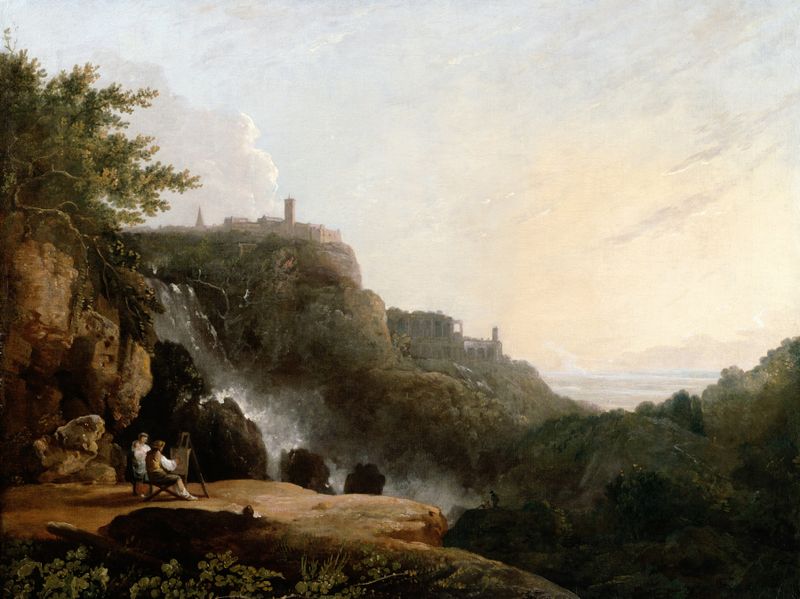
View of Tivoli- the Cascatelle and the ‘Villa of Maecenas’
Richard Wilson
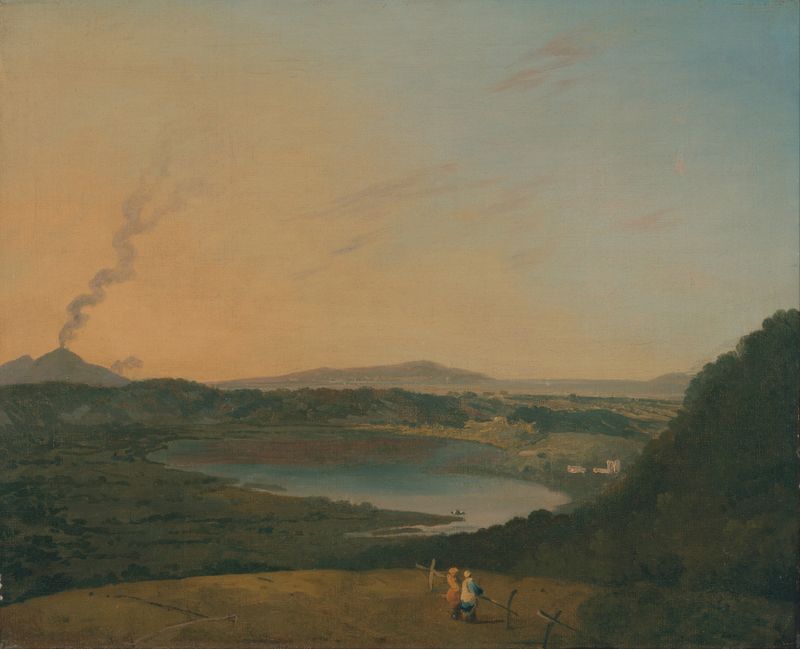
Lago d’Agnano with Vesuvius in the distance
Richard Wilson
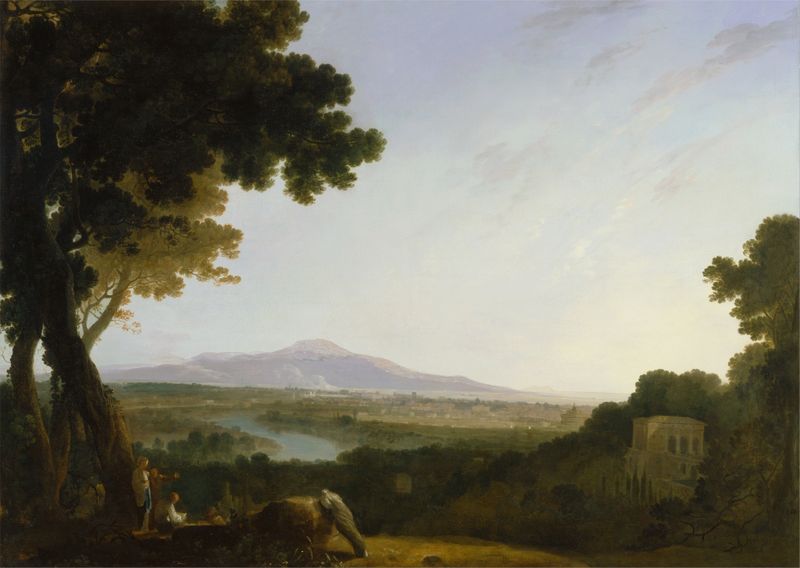
Rome from the Villa Madama
Richard Wilson
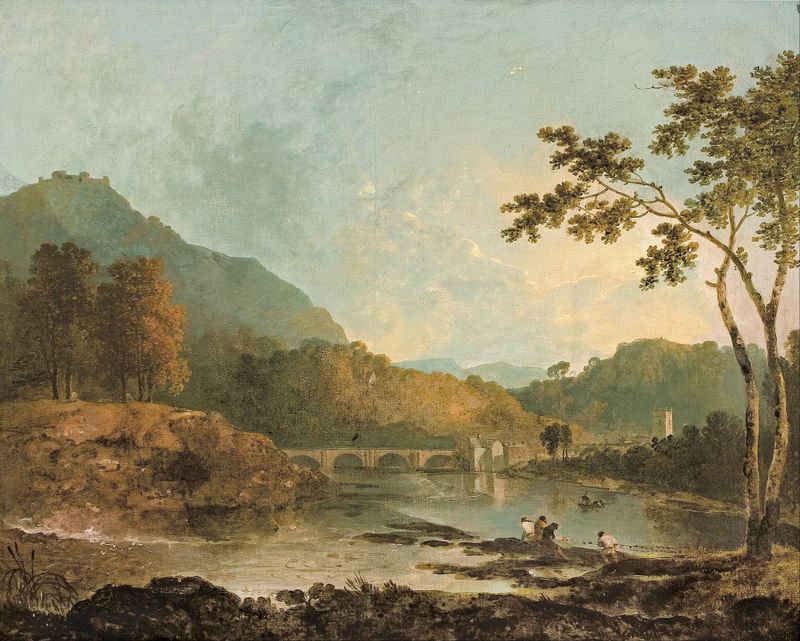
Dinas Bran from Llangollen
Richard Wilson
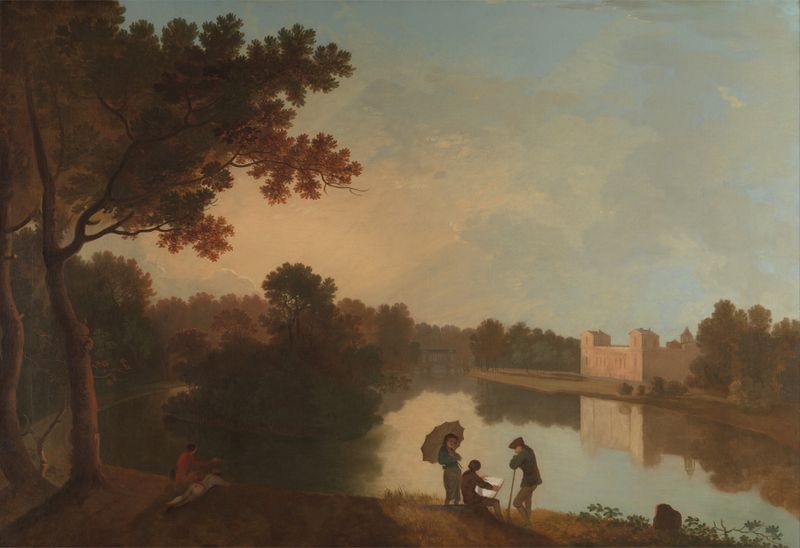
Wilton House from the Southeast
Richard Wilson
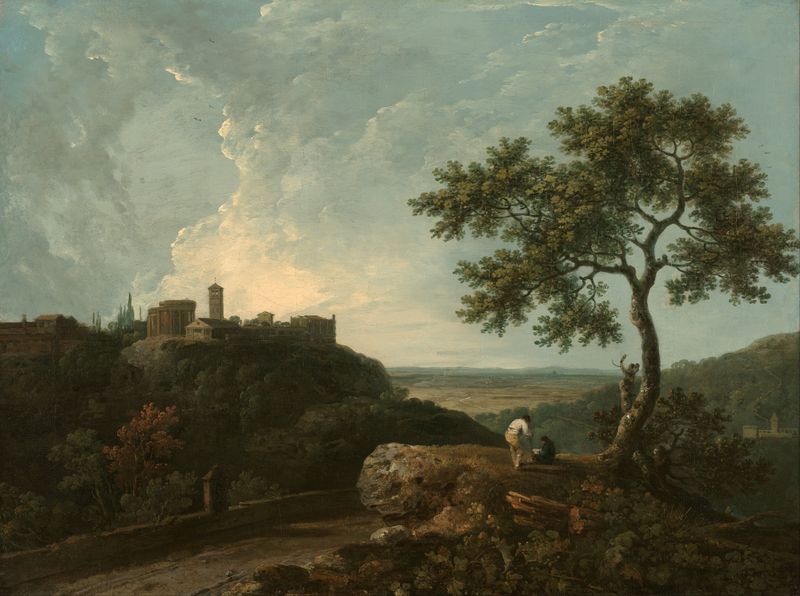
Tivoli- The Temple of the Sybil and the Campagna
Richard Wilson
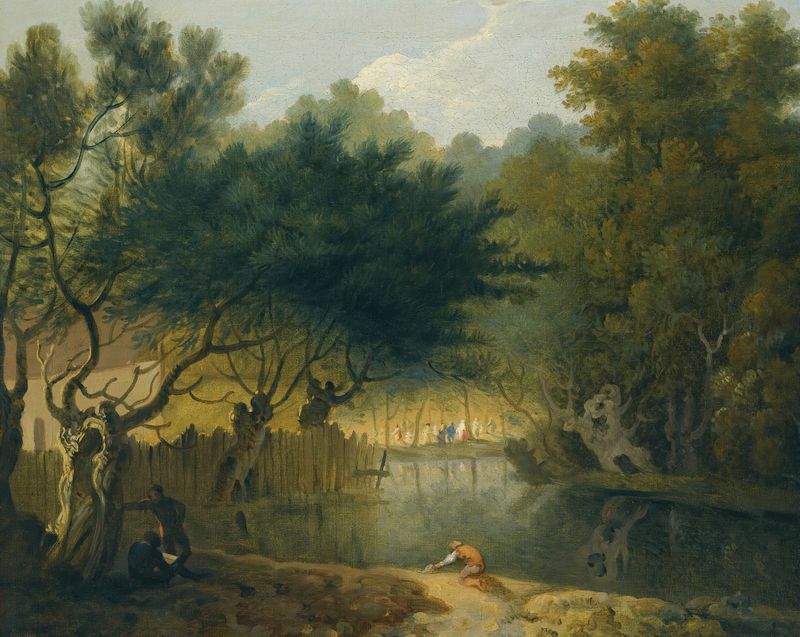
A View Of St. James’s Park, London
Richard Wilson
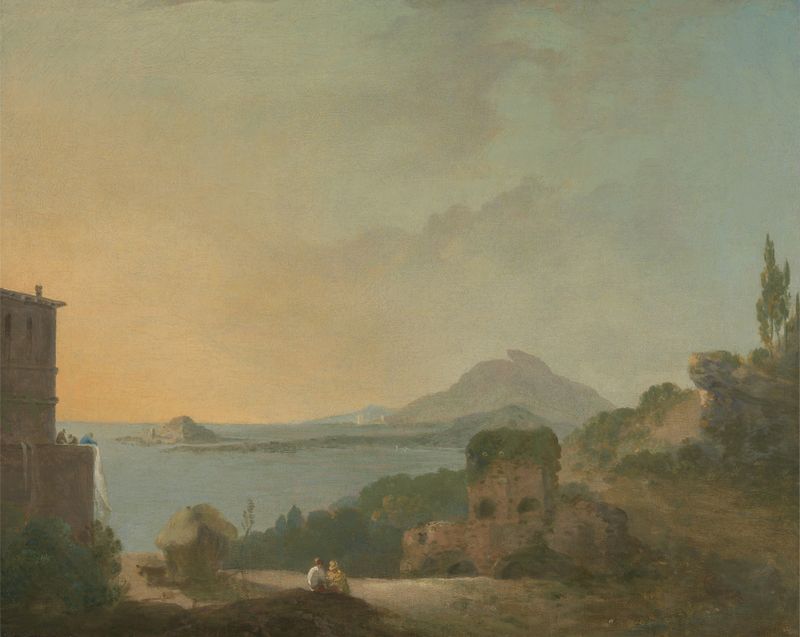
Cicero’s Villa and the Gulf of Pozzuoli
Richard Wilson
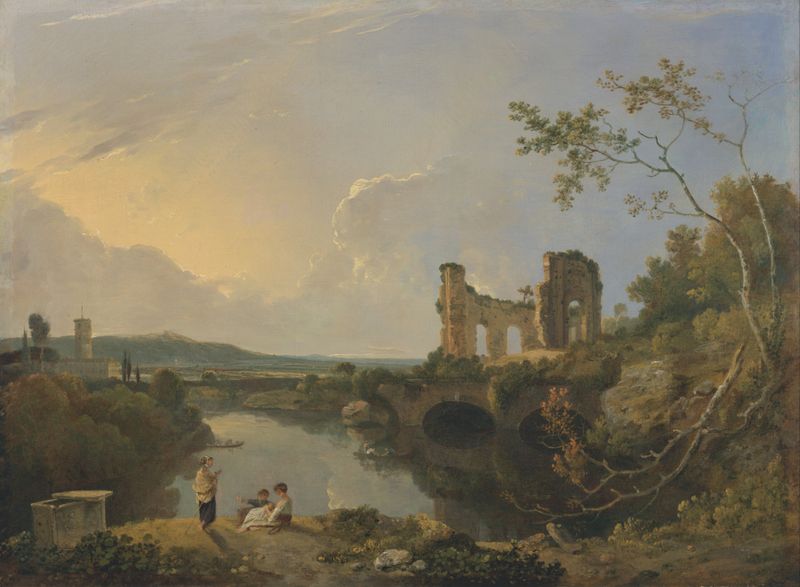
Italian Landscape (Morning)
Richard Wilson
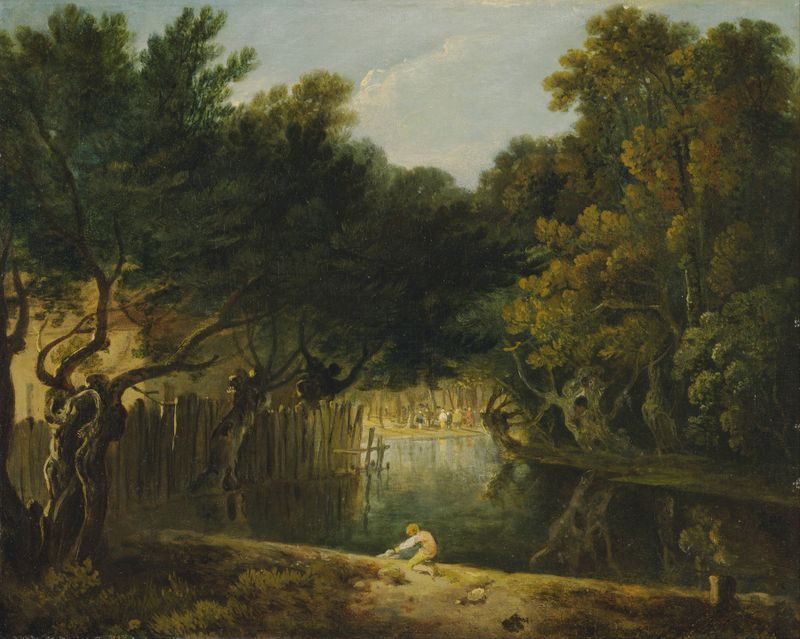
View of the Wilderness in St. James’s Park
Richard Wilson





