
View of the Wilderness in St. James’s Park — History & Facts
In the stillness captured within this artwork, one can sense an undercurrent of longing, a desire for solitude amidst nature's embrace. Look to the left where a dense array of verdant trees frames the scene, their rich greens contrasting with the cerulean sky above. The soft, dappled light filters through the foliage, casting playful shadows on the ground, inviting the viewer to step into this secluded retreat. Notice how the figures in the distance appear almost ethereal, their silhouettes merging with the landscape, suggesting a deep connection between humanity and nature, both transient and eternal. Hidden within the tranquility of this piece lies a tension between the wild and the cultivated.
The looming trees serve as guardians of a hidden world, while the figures seem to seek refuge or perhaps an escape from the societal confines of the time. This interplay reflects a broader desire prevalent in the 18th century for a return to nature, evoking a sense of nostalgia for a simpler, untouched life, contrasting with the encroaching industrialization of the era. Richard Wilson painted this work between 1770 and 1775 during a period marked by a growing appreciation for the sublime beauty of natural landscapes. Living in England, Wilson was influenced by the picturesque movement, which sought to capture the harmony between humanity and nature.
As he explored the beauty of the British countryside, he painted not just what he saw but what he felt—a yearning for wilderness that resonates with viewers even today.
More Artworks by Richard Wilson
Browse all →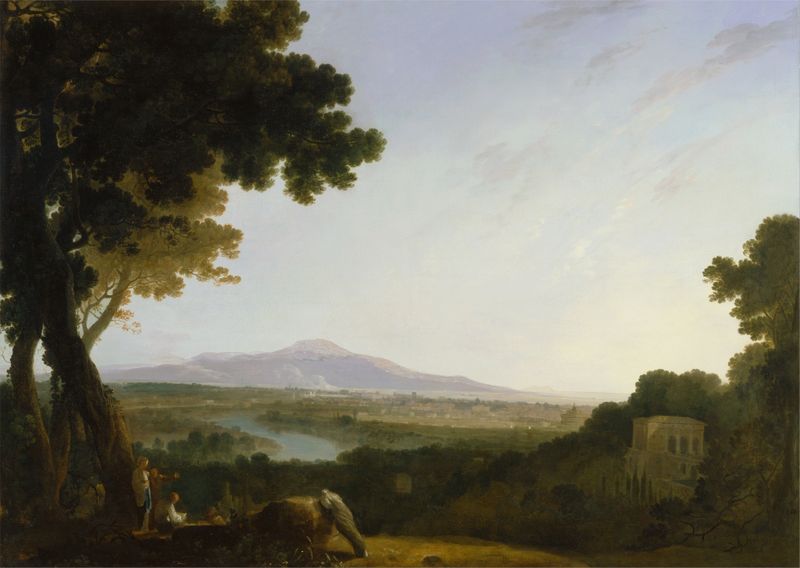
Rome from the Villa Madama
Richard Wilson
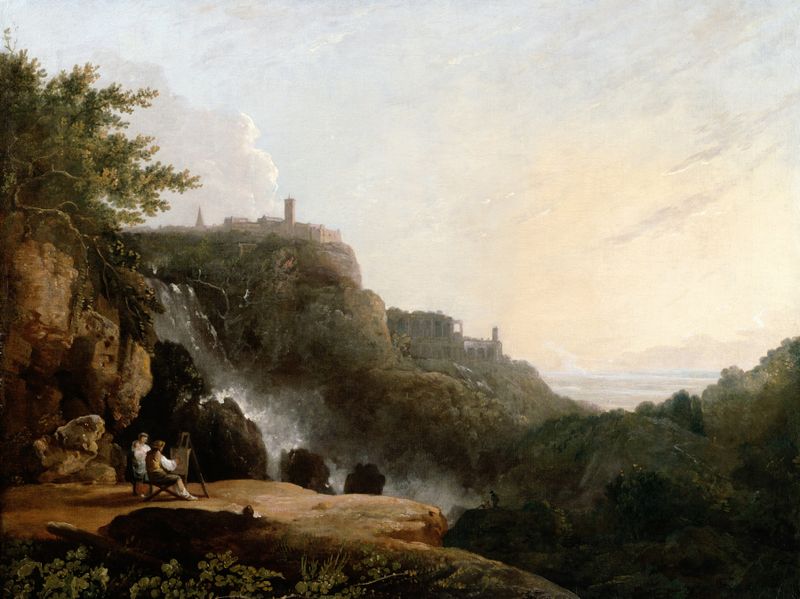
View of Tivoli- the Cascatelle and the ‘Villa of Maecenas’
Richard Wilson
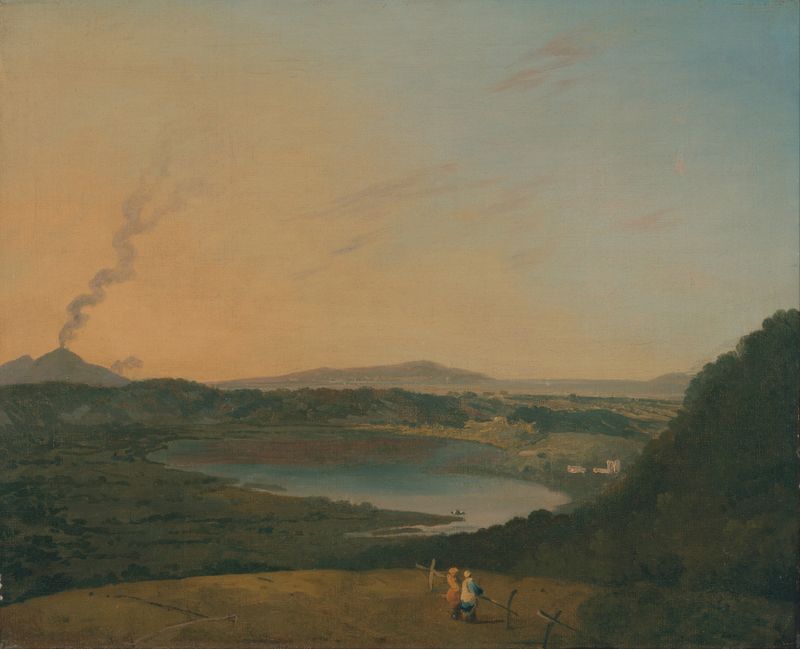
Lago d’Agnano with Vesuvius in the distance
Richard Wilson
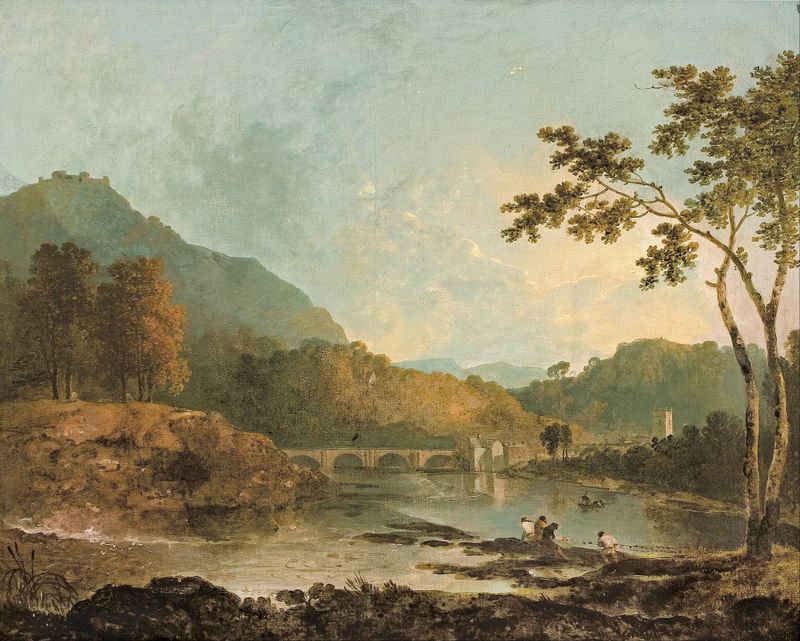
Dinas Bran from Llangollen
Richard Wilson
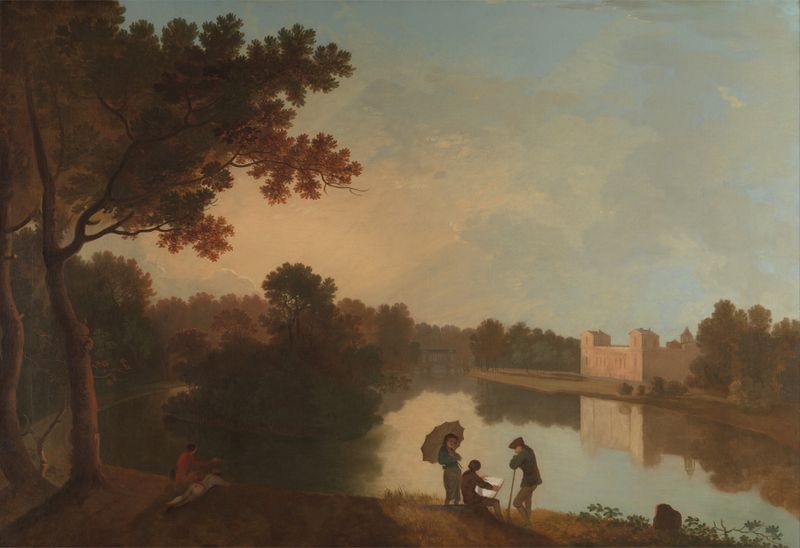
Wilton House from the Southeast
Richard Wilson
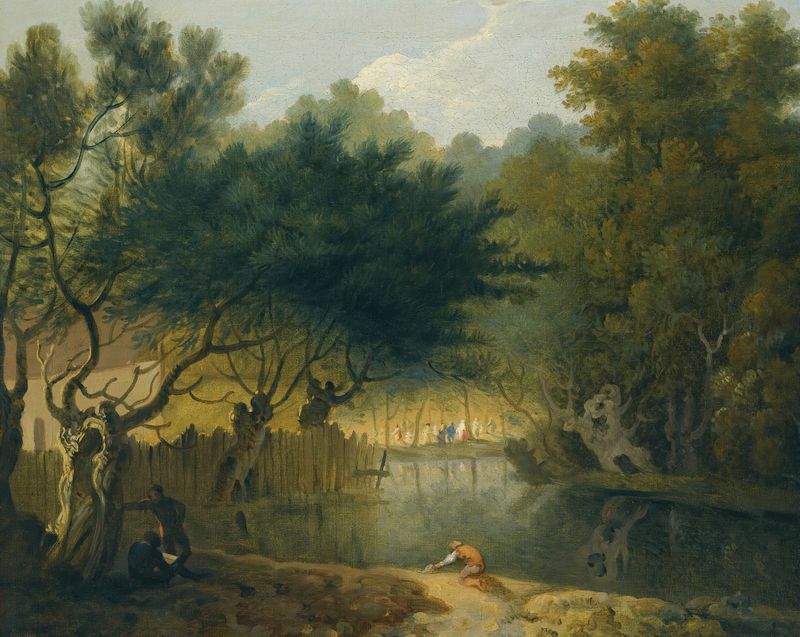
A View Of St. James’s Park, London
Richard Wilson
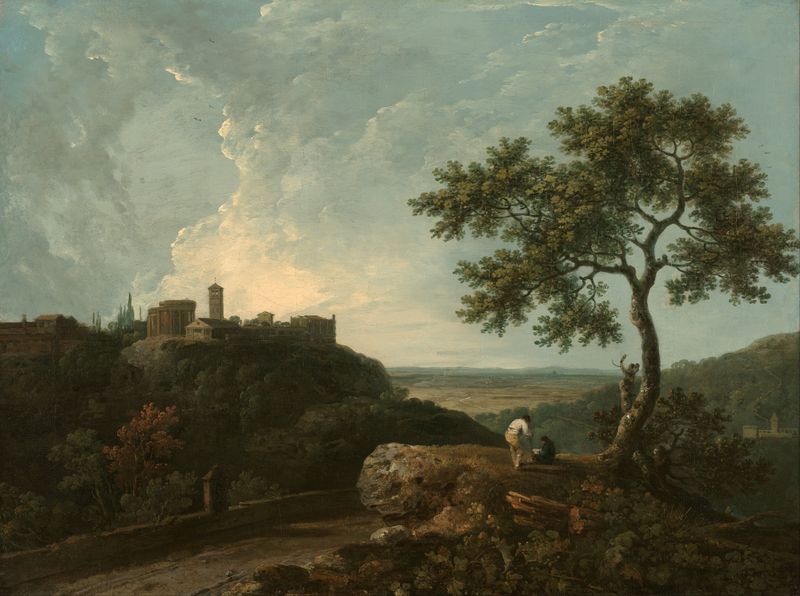
Tivoli- The Temple of the Sybil and the Campagna
Richard Wilson
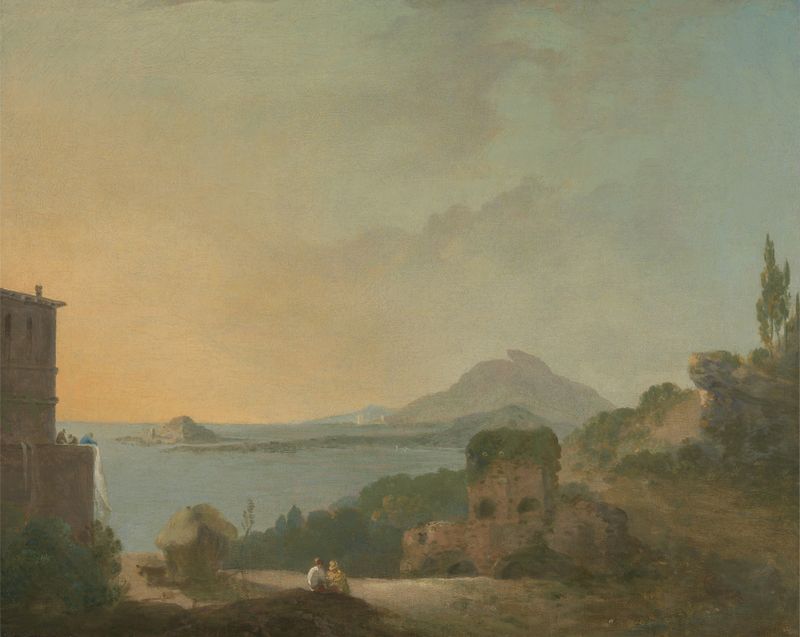
Cicero’s Villa and the Gulf of Pozzuoli
Richard Wilson
Italian Landscape (Morning)
Richard Wilson
View near Wynnstay, the Seat of Sir Watkin Williams-Wynn, BT.
Richard Wilson





