
Tivoli- The Temple of the Sybil and the Campagna — History & Facts
In the serene beauty of Tivoli, chaos whispers beneath the surface, inviting contemplation and deeper understanding. Focus on the sweeping landscape that unfolds before you, where majestic cliffs rise dramatically against a sky brushed with soft hues. Look to the left, where the Temple of the Sybil stands solemnly, its ancient columns partially shrouded in mist, merging with the uneven terrain. The gentle light that caresses the scene enhances the lush greenery and demonstrates Wilson's mastery of atmospheric perspective, creating a harmonious balance between nature and architecture. Within this tranquil façade lies an emotional tension: the interplay between the man-made structure and the wild landscape that surrounds it.
The temple, a symbol of human ambition, appears fragile against the chaotic forces of nature, suggesting the transitory nature of civilization. Notice the delicate play of shadows and highlights that dance across the canvas, hinting at the underlying turmoil of existence amidst the stillness of this idyllic setting. Richard Wilson painted this work in 1765 while in Italy, a period marked by his deep fascination with the classical ruins and picturesque landscapes of the region. During this time, he sought to elevate the genre of landscape painting, blending realism with a romantic idealism that spoke to the viewer's imagination.
The turmoil of his own life, marked by fluctuating success and financial struggles, filled his art with a sense of urgency and longing, reflective of the chaos waiting just below the surface of peaceful scenes.
More Artworks by Richard Wilson
Browse all →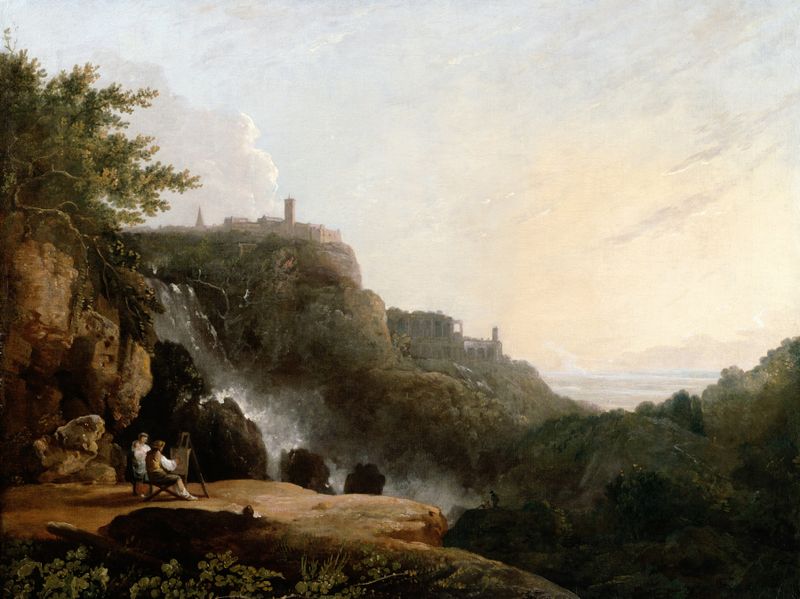
View of Tivoli- the Cascatelle and the ‘Villa of Maecenas’
Richard Wilson
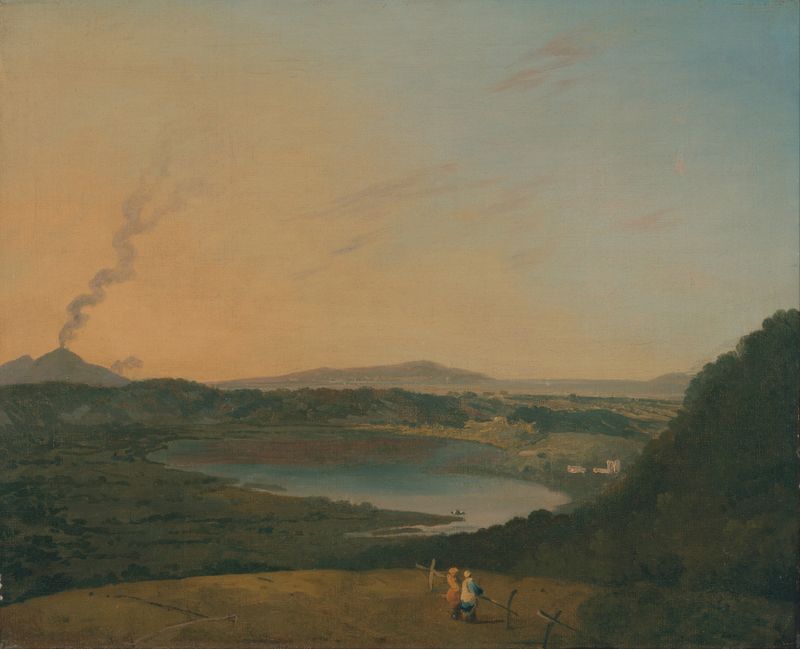
Lago d’Agnano with Vesuvius in the distance
Richard Wilson
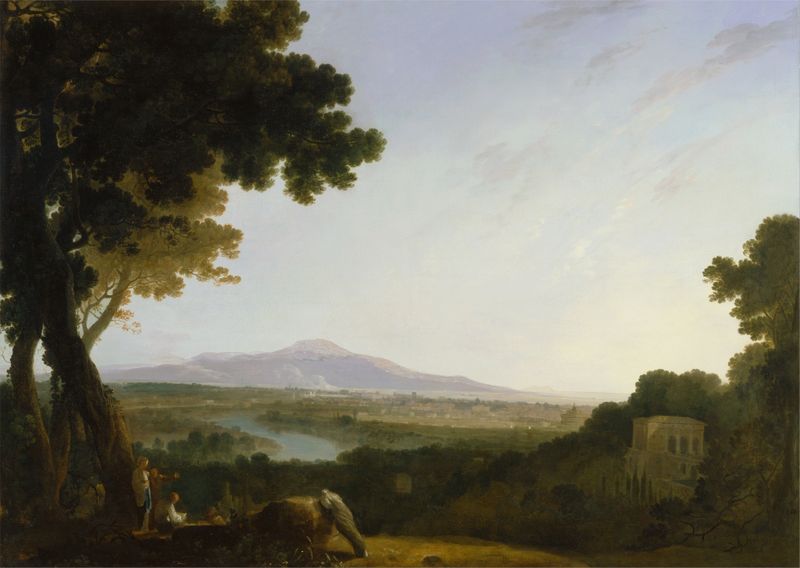
Rome from the Villa Madama
Richard Wilson
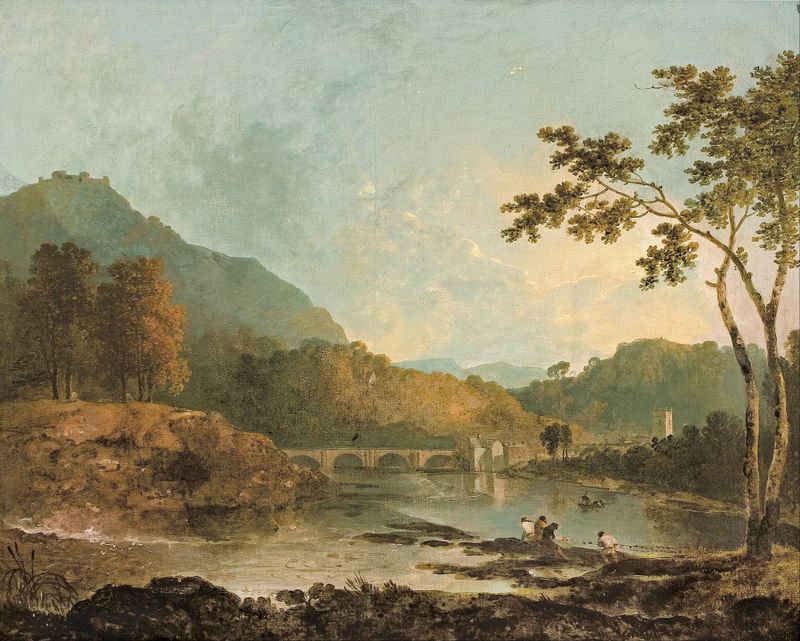
Dinas Bran from Llangollen
Richard Wilson
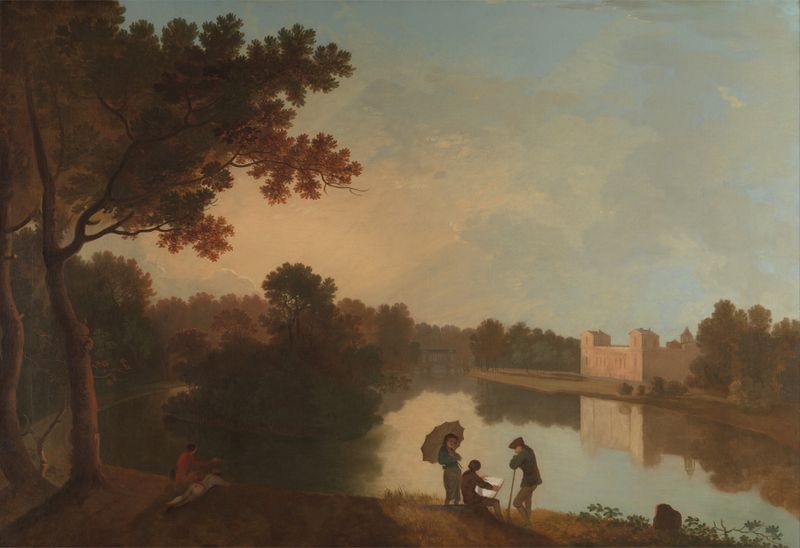
Wilton House from the Southeast
Richard Wilson
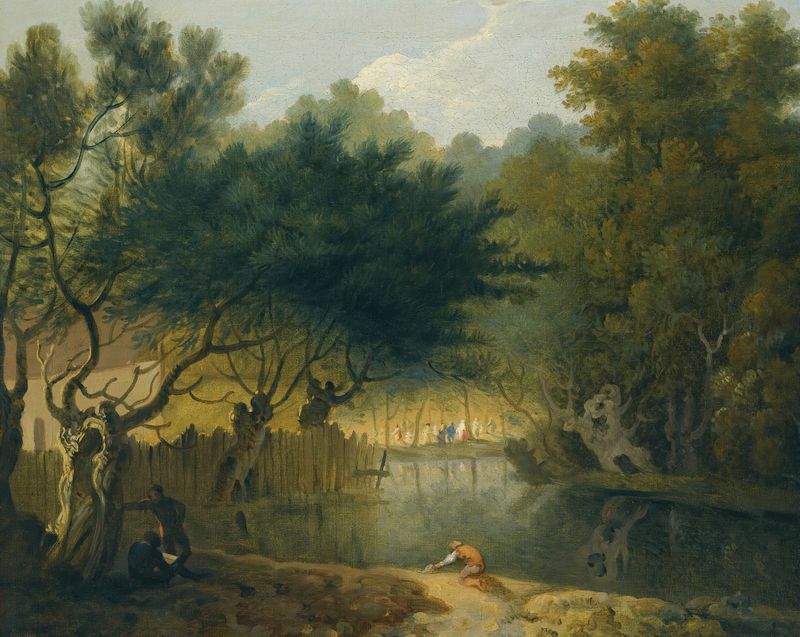
A View Of St. James’s Park, London
Richard Wilson
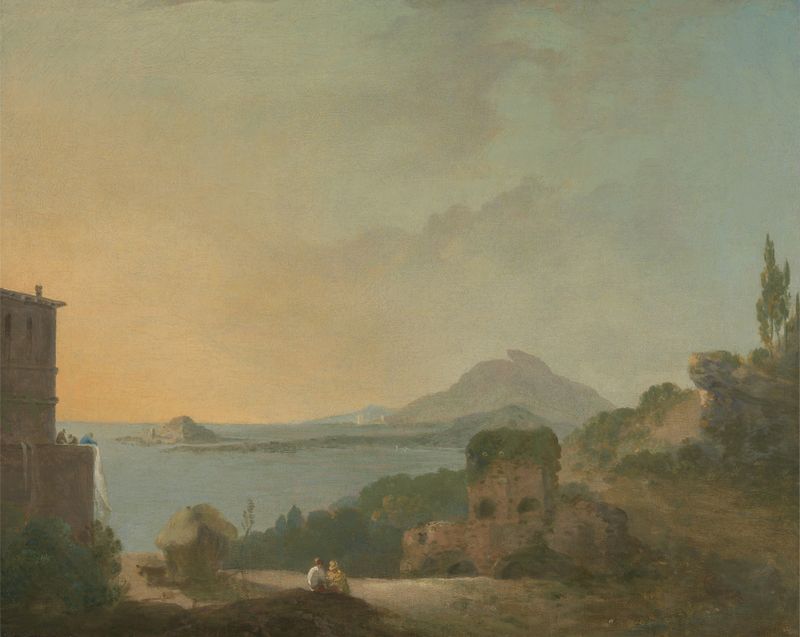
Cicero’s Villa and the Gulf of Pozzuoli
Richard Wilson
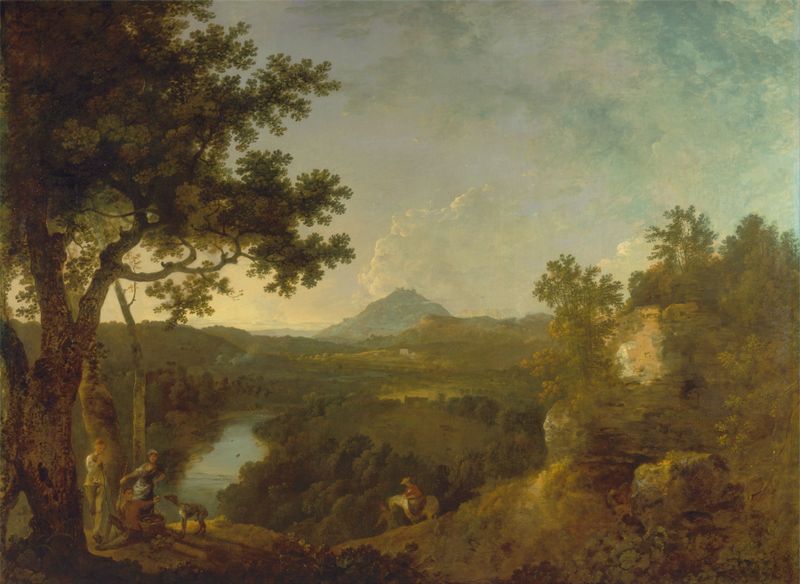
View near Wynnstay, the Seat of Sir Watkin Williams-Wynn, BT.
Richard Wilson
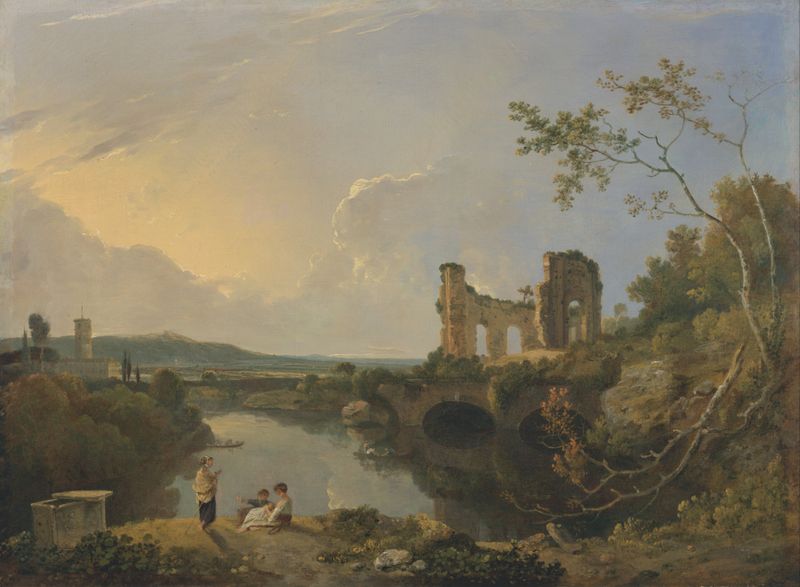
Italian Landscape (Morning)
Richard Wilson
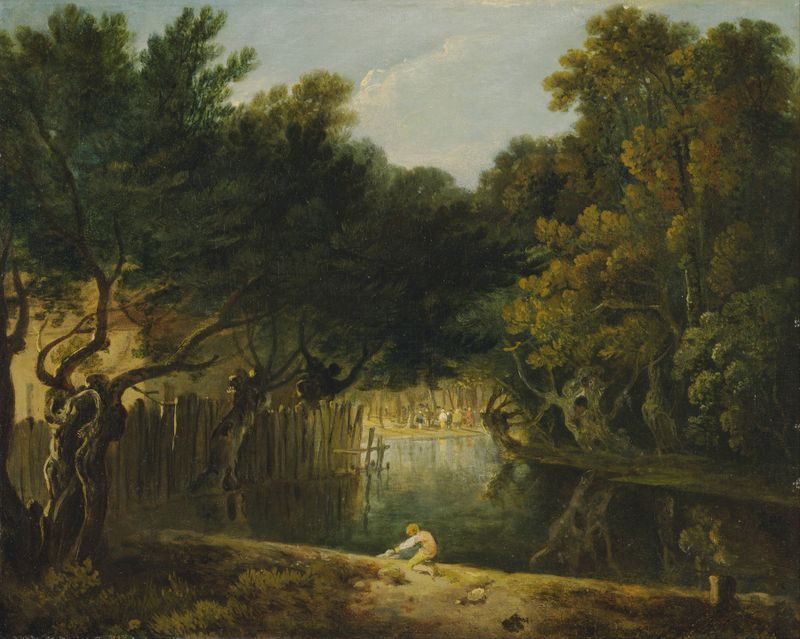
View of the Wilderness in St. James’s Park
Richard Wilson





