
Lago d’Agnano with Vesuvius in the distance — History & Facts
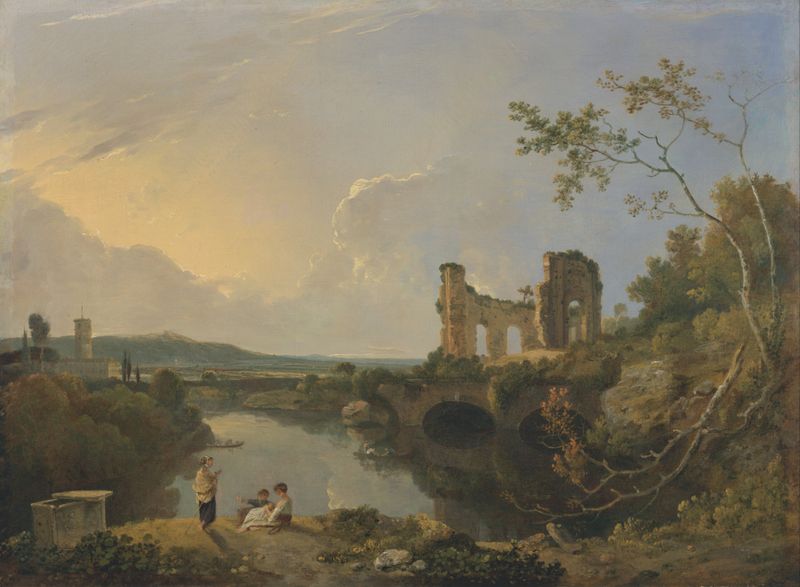
In the vast expanse of a painted landscape, desire echoes through the interplay of light and shadow, revealing both beauty and longing. Look to the left at the serene waters of Lago d’Agnano, their still surface mirroring the vibrant greens and browns of the surrounding foliage. Notice how the delicate touch of the brush captures every ripple, inviting you to ponder the quiet depths beneath the shimmering surface. The distant figure of Vesuvius looms majestically on the horizon, its presence both awe-inspiring and foreboding, rendered in soft blues and grays that contrast with the vivid warmth of the foreground. The emotional tension in this work lies in the juxtaposition between the tranquility of the lake and the dormant threat of the volcano.
Each element speaks of desire: the people who may have gathered by the water, yearning for solace, and the mountain that stands as a reminder of nature’s unpredictable power. The subtle gradations of color reflect the artist's intent to invoke both a sense of peace and a whisper of danger—an invitation to contemplate the duality of beauty and fear. During the years 1770 to 1775, Richard Wilson painted this landscape in Italy, a period when he was deeply influenced by the sublime qualities of nature. Living in a time of shifting artistic tides, he sought to redefine the landscape genre, moving beyond mere representation to evoke deeper emotional responses.
His work emerged amidst the rise of Romanticism, navigating personal and artistic desires within a world in flux—a canvas that captured the very essence of longing.
More Artworks by Richard Wilson
Browse all →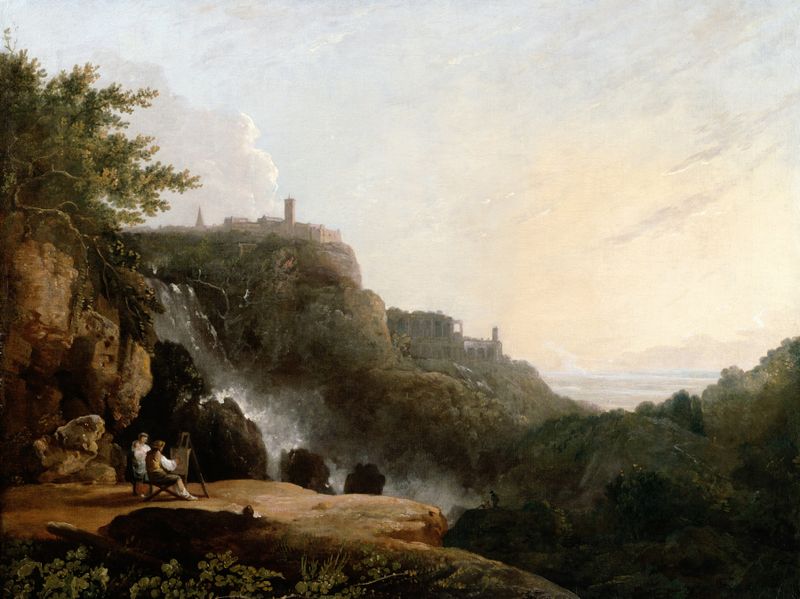
View of Tivoli- the Cascatelle and the ‘Villa of Maecenas’
Richard Wilson
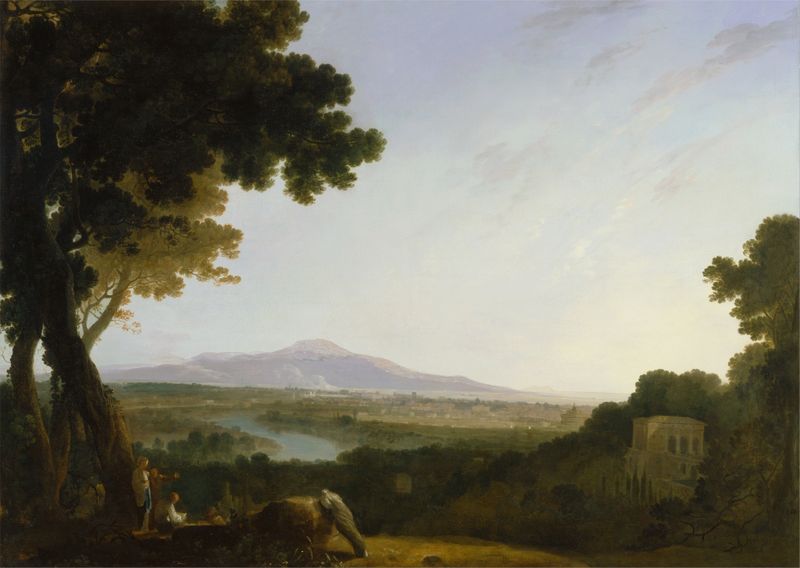
Rome from the Villa Madama
Richard Wilson
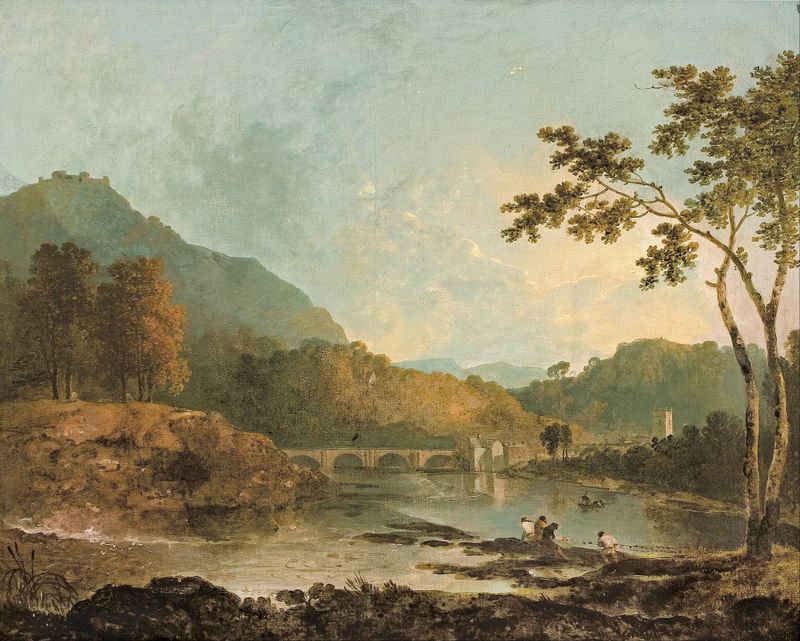
Dinas Bran from Llangollen
Richard Wilson
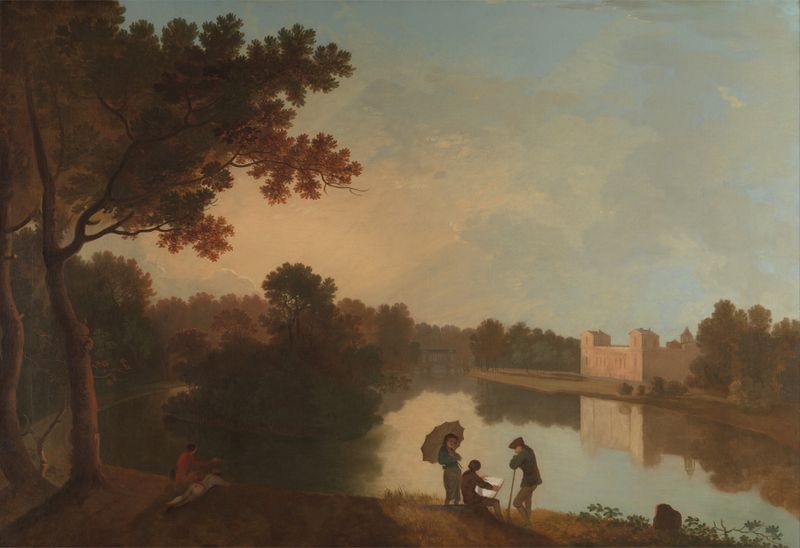
Wilton House from the Southeast
Richard Wilson
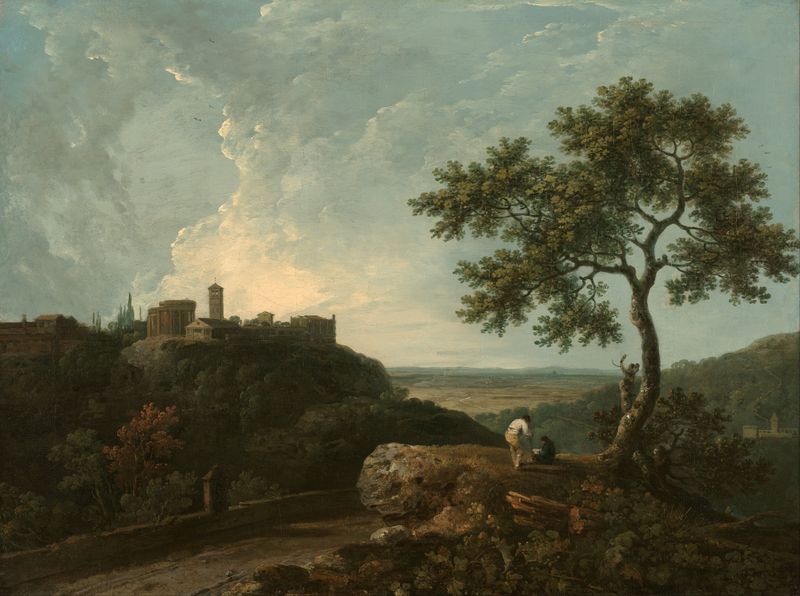
Tivoli- The Temple of the Sybil and the Campagna
Richard Wilson
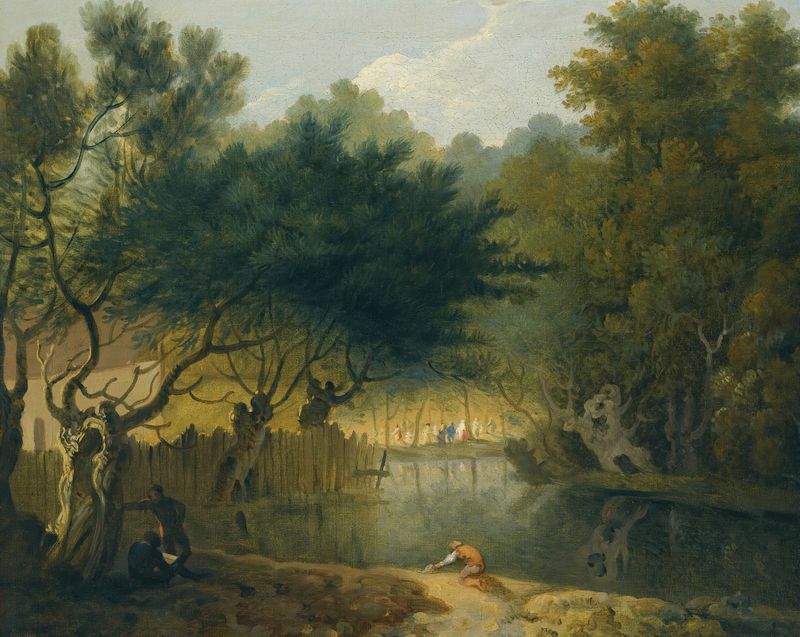
A View Of St. James’s Park, London
Richard Wilson
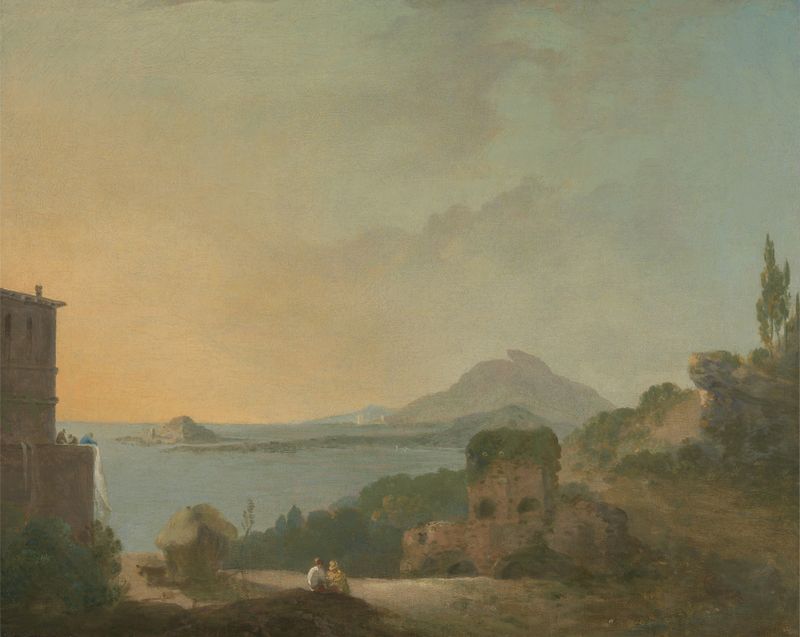
Cicero’s Villa and the Gulf of Pozzuoli
Richard Wilson
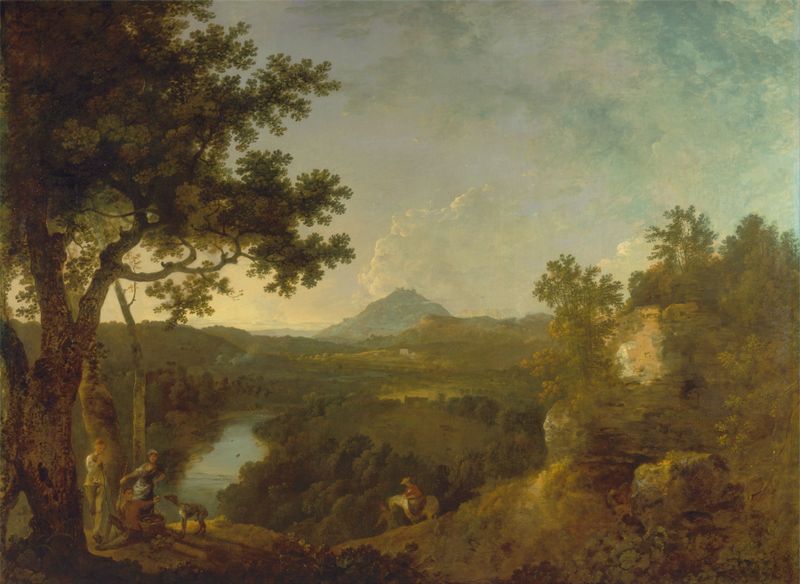
View near Wynnstay, the Seat of Sir Watkin Williams-Wynn, BT.
Richard Wilson
Italian Landscape (Morning)
Richard Wilson
View of the Wilderness in St. James’s Park
Richard Wilson





