
Cicero’s Villa and the Gulf of Pozzuoli — History & Facts
This sentiment echoes hauntingly in the delicate strokes and vibrant hues of the landscape before us, inviting contemplation on the nature of memory and truth. A serene moment captured, where the passage of time seems to dissolve into the tranquil waters, reflecting an eternal verity amidst the ephemeral. Look to the left, where the ancient ruins of Cicero’s villa emerge from the lush greenery, their weathered stones a silent testament to history. Notice how the warm sunlight bathes the scene, casting gentle shadows that dance over the ground.
The artist’s use of soft blues and greens in the sky and water contrasts beautifully with the earthy tones of the ruins, creating a harmonious balance that pulls the viewer into this idyllic Mediterranean vista. Yet, beneath the calm surface lies a poignant tension; the juxtaposition of nature’s beauty with the remnants of human endeavor evokes both nostalgia and contemplation. The villa stands as a symbol of lost greatness, whispering stories of the past while cradled by the vibrant life around it. Each brushstroke seems to wrestle with the concept of permanence, urging us to consider what endures and what fades away in the relentless passage of time. Richard Wilson painted this landscape between 1773 and 1780 while he was in Italy, a period marked by a deep engagement with Classical themes and a burgeoning Romantic sensibility in art.
His journey through the picturesque landscapes of the Italian countryside significantly influenced his style, as he sought to blend realism with idealism, capturing not just a view, but an emotional essence reflective of the Enlightenment era’s complex relationship with the past.
More Artworks by Richard Wilson
Browse all →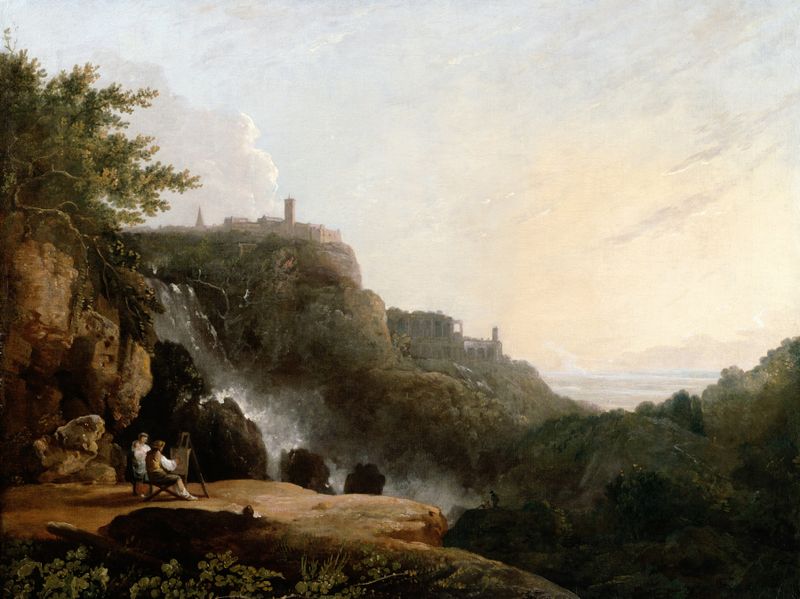
View of Tivoli- the Cascatelle and the ‘Villa of Maecenas’
Richard Wilson
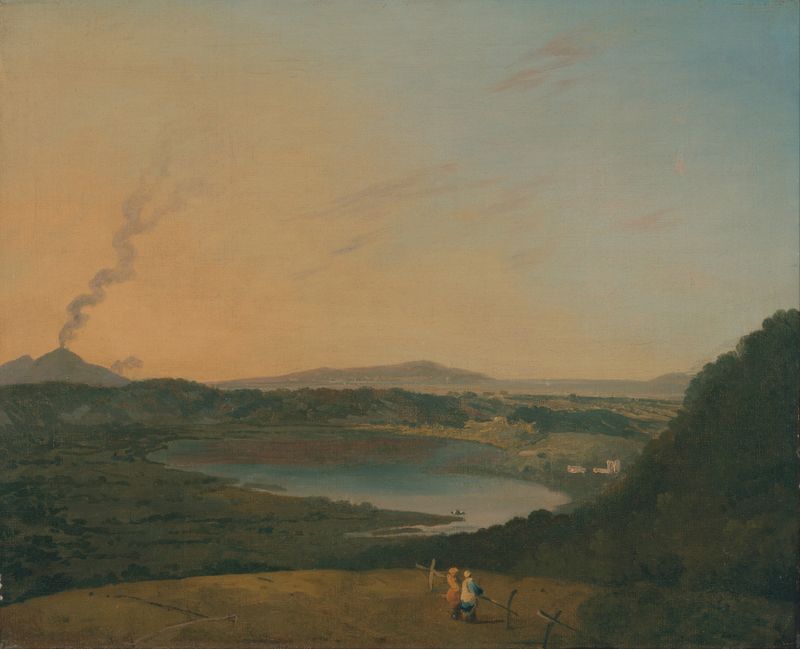
Lago d’Agnano with Vesuvius in the distance
Richard Wilson
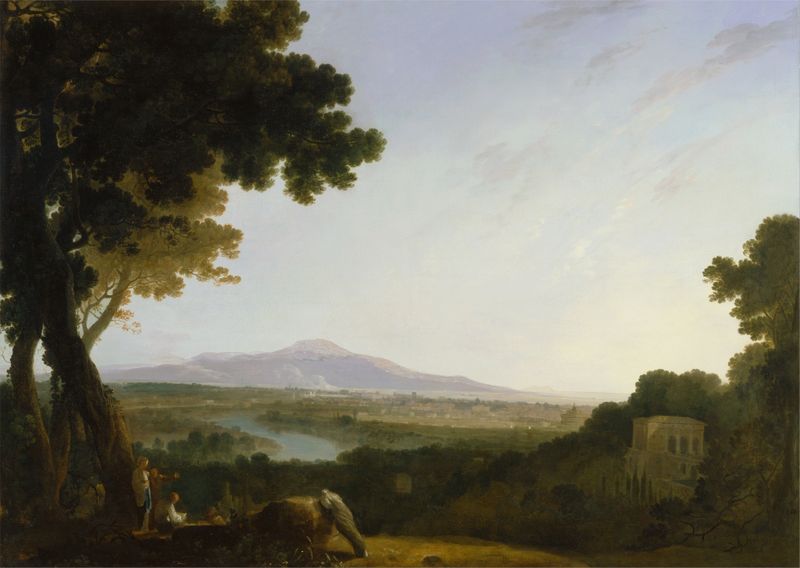
Rome from the Villa Madama
Richard Wilson
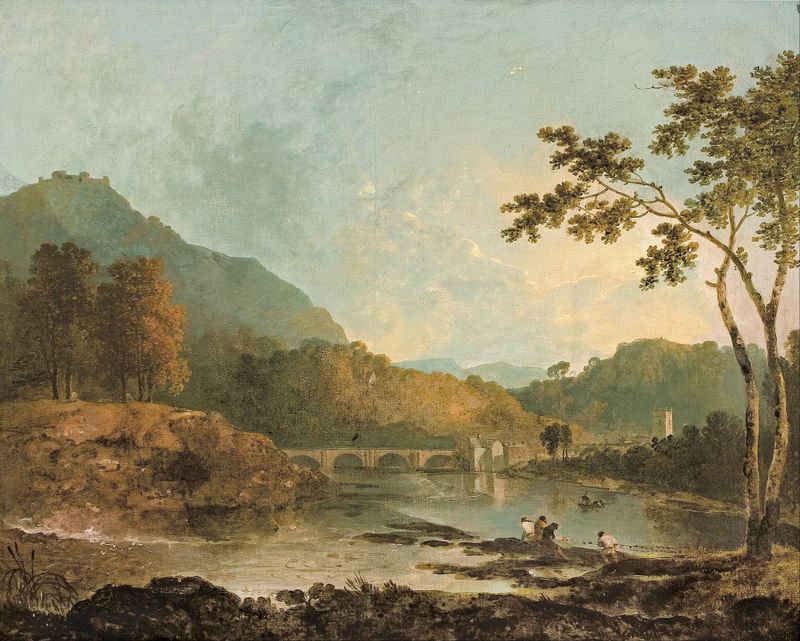
Dinas Bran from Llangollen
Richard Wilson
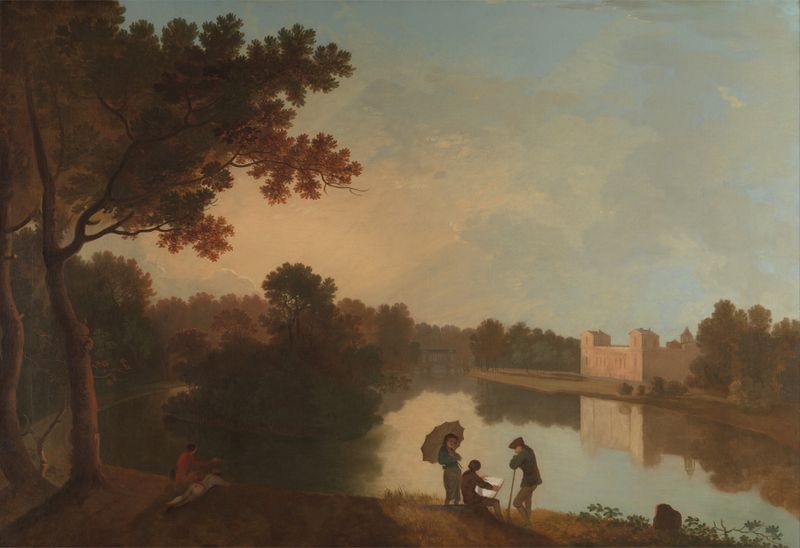
Wilton House from the Southeast
Richard Wilson
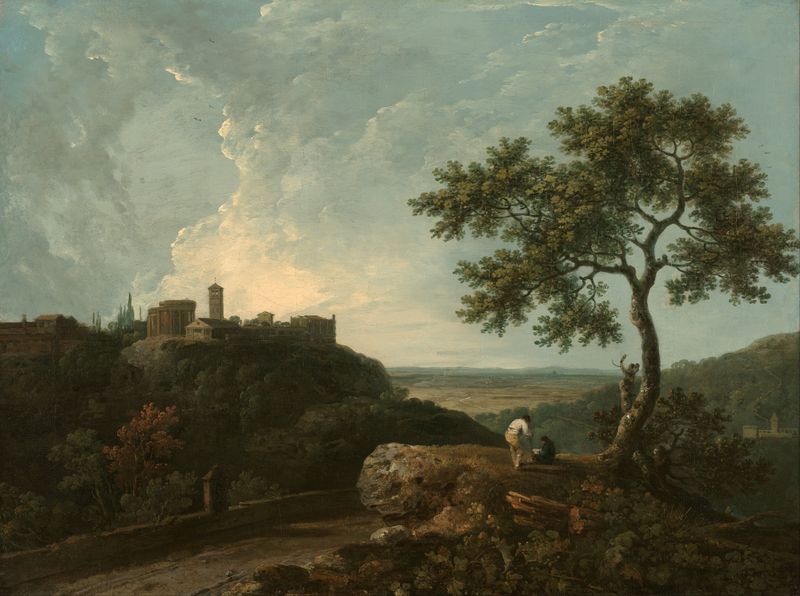
Tivoli- The Temple of the Sybil and the Campagna
Richard Wilson
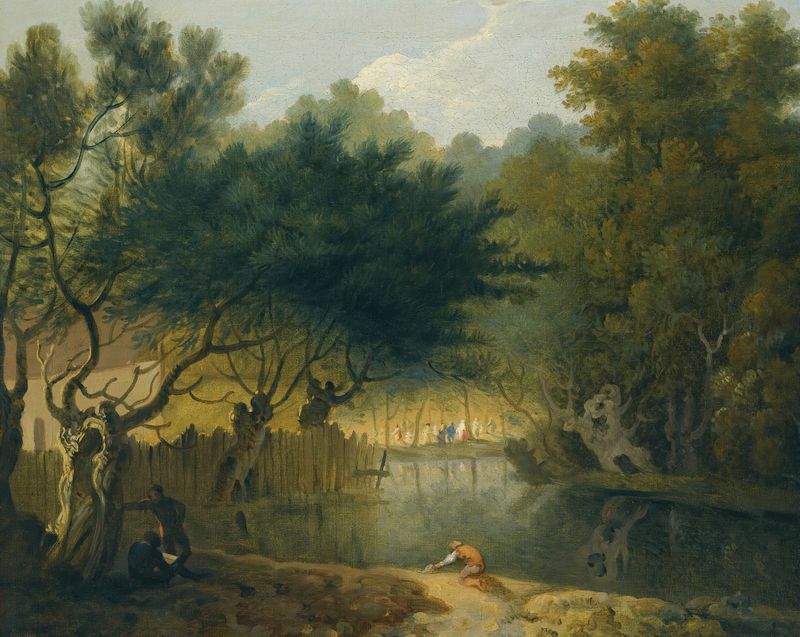
A View Of St. James’s Park, London
Richard Wilson
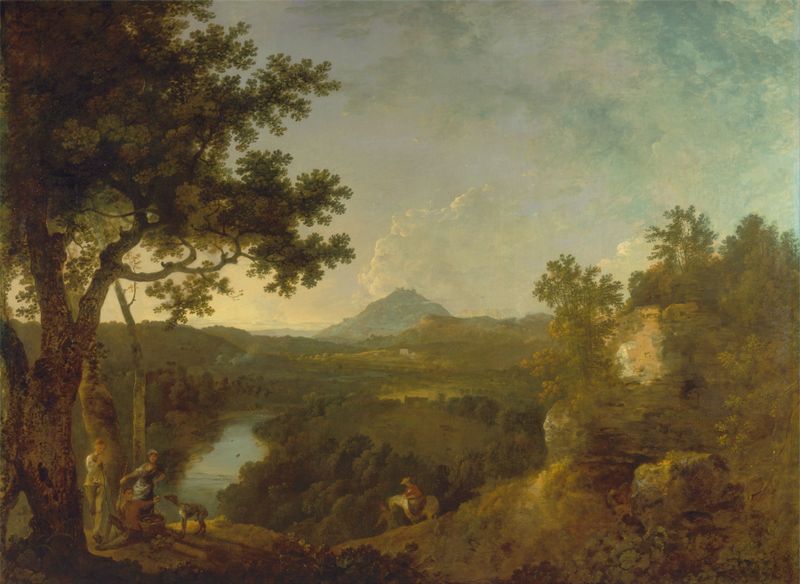
View near Wynnstay, the Seat of Sir Watkin Williams-Wynn, BT.
Richard Wilson
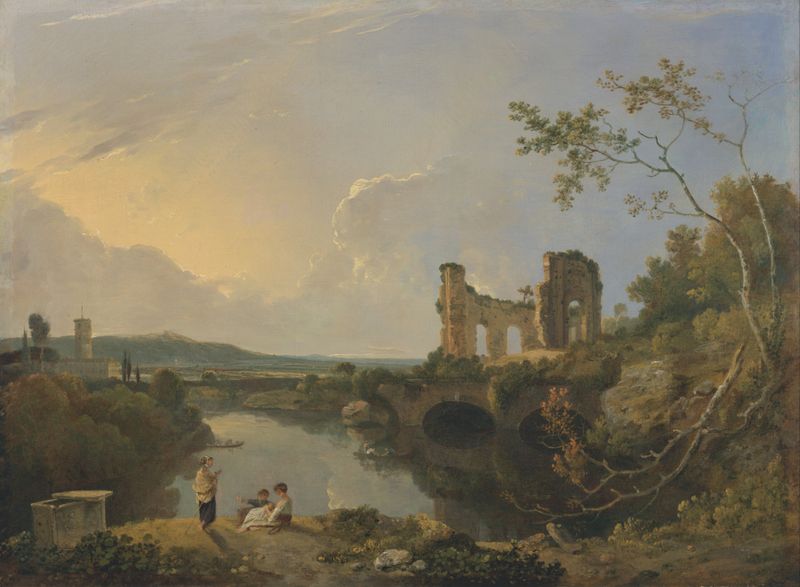
Italian Landscape (Morning)
Richard Wilson
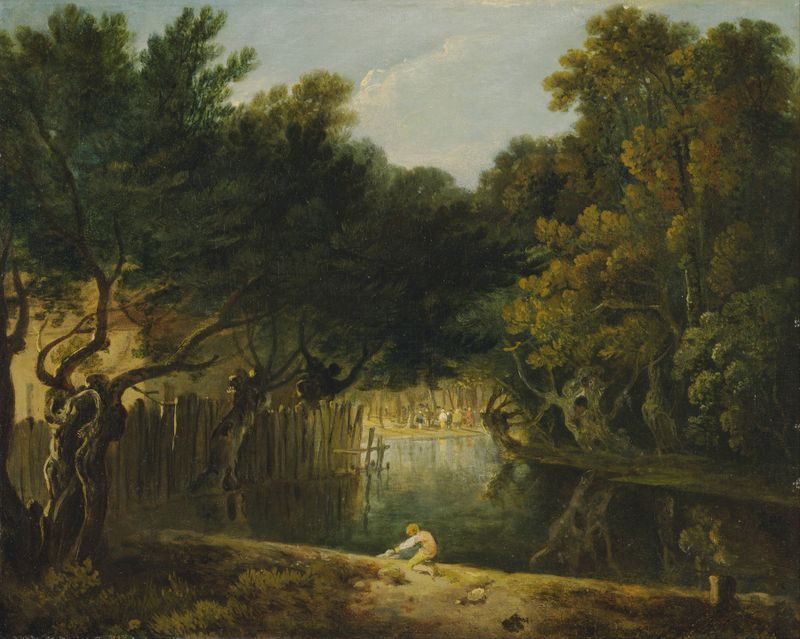
View of the Wilderness in St. James’s Park
Richard Wilson





