
Rome from the Villa Madama — History & Facts
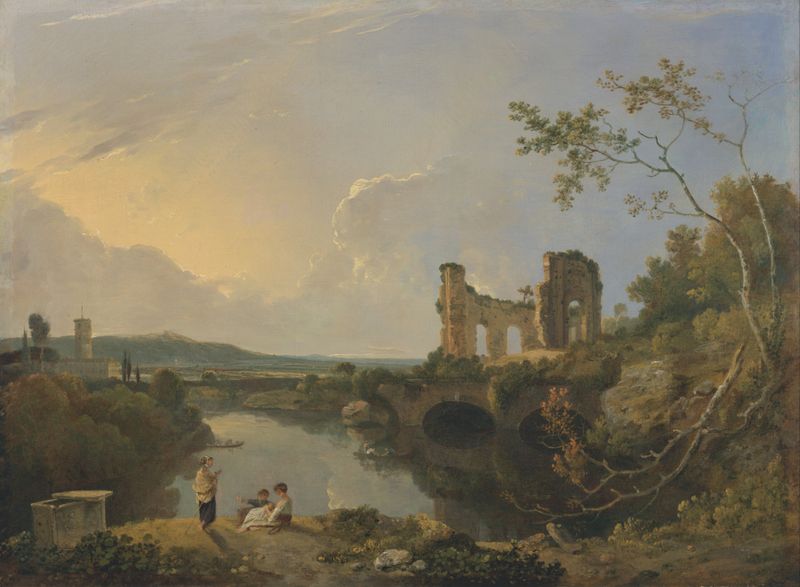
This sentiment echoes through the lush valleys and ancient ruins captured in the artwork, inviting the viewer to explore the delicate balance between beauty and loss that characterizes this stunning view. Focus first on the sweeping panorama before you, where the landscape unfurls majestically under a gentle sky. The soft blues and greens create a harmonious blend, while the warm golden tones of the sunlight breathe life into the scene. Notice how the distant hills cradle the remnants of antiquity, their muted colors capturing the bittersweet essence of a once-great civilization.
The brushwork, both fluid and precise, evokes the natural splendor of Rome, drawing your gaze deeper into its rich, storied past. Hidden beneath this picturesque facade lie deeper tensions. The juxtaposition of the vibrant, living elements against the crumbling architecture serves as a poignant reminder of the ephemeral nature of greatness. Each brushstroke carries with it the weight of history, hinting at both the splendor of what has been lost and the enduring beauty that remains.
Such contrasts amplify the emotional resonance of the painting, inviting contemplation of the passage of time and the legacy of human endeavor. In 1753, Richard Wilson painted this work while living in Italy, a place that profoundly influenced his artistic vision. The era was marked by a growing appreciation for landscape painting, as artists began to seek beauty in nature and ruin alike. Wilson's brushwork and thematic choices reflect both his personal experiences and the broader shifts occurring in the art world, as the Enlightenment encouraged a deeper exploration of the relationship between humanity and the natural landscape.
More Artworks by Richard Wilson
Browse all →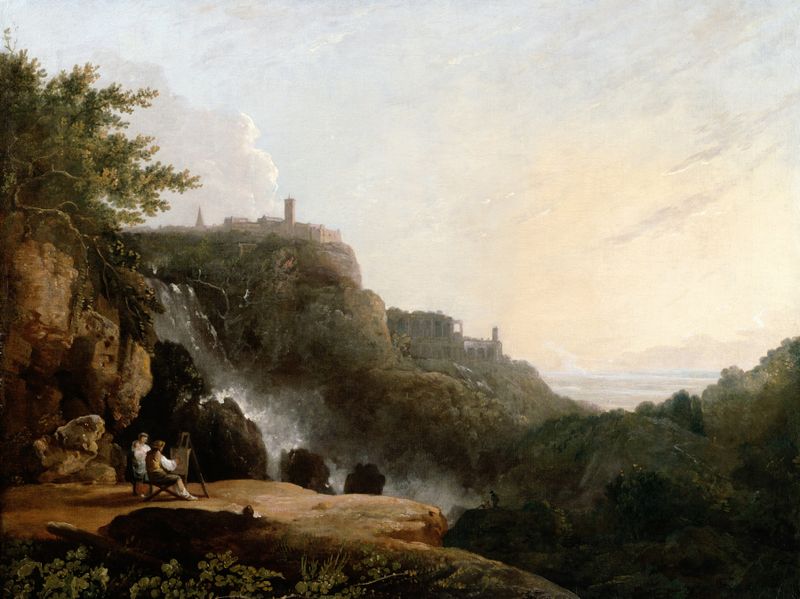
View of Tivoli- the Cascatelle and the ‘Villa of Maecenas’
Richard Wilson
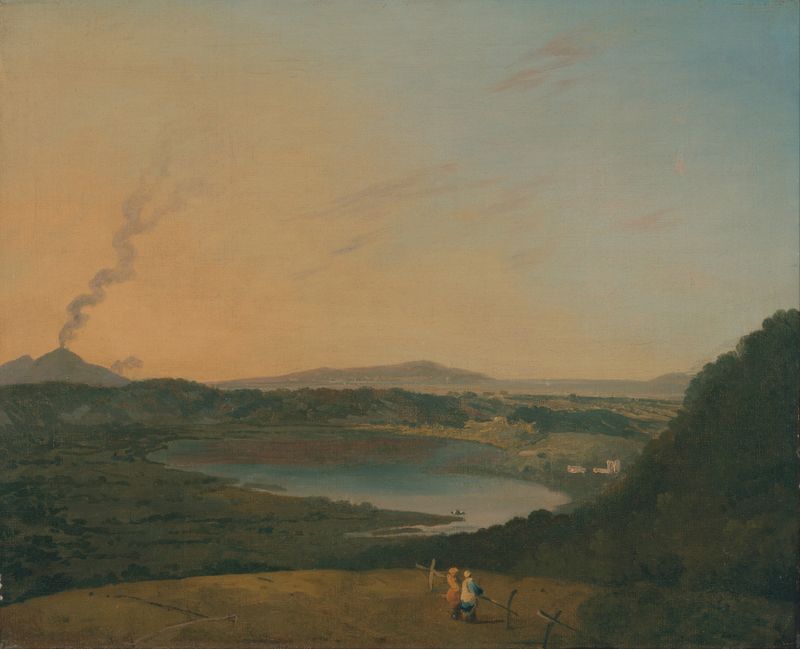
Lago d’Agnano with Vesuvius in the distance
Richard Wilson
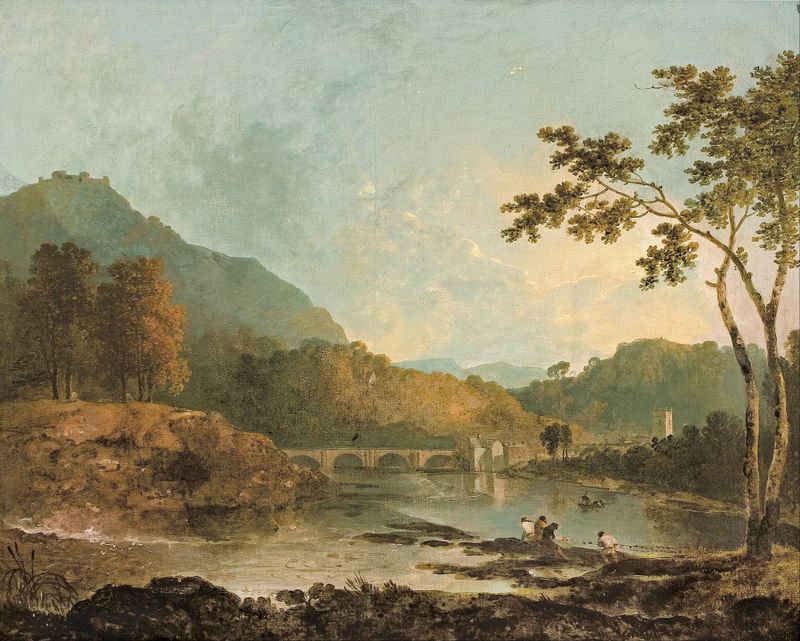
Dinas Bran from Llangollen
Richard Wilson
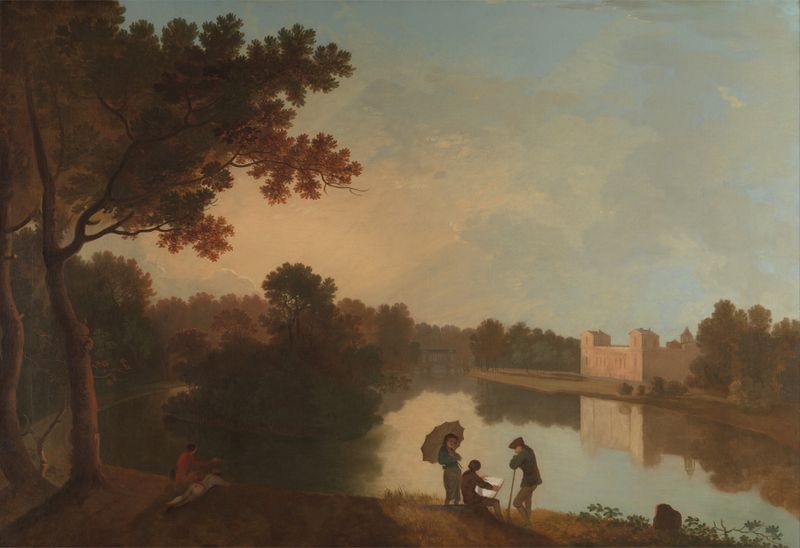
Wilton House from the Southeast
Richard Wilson
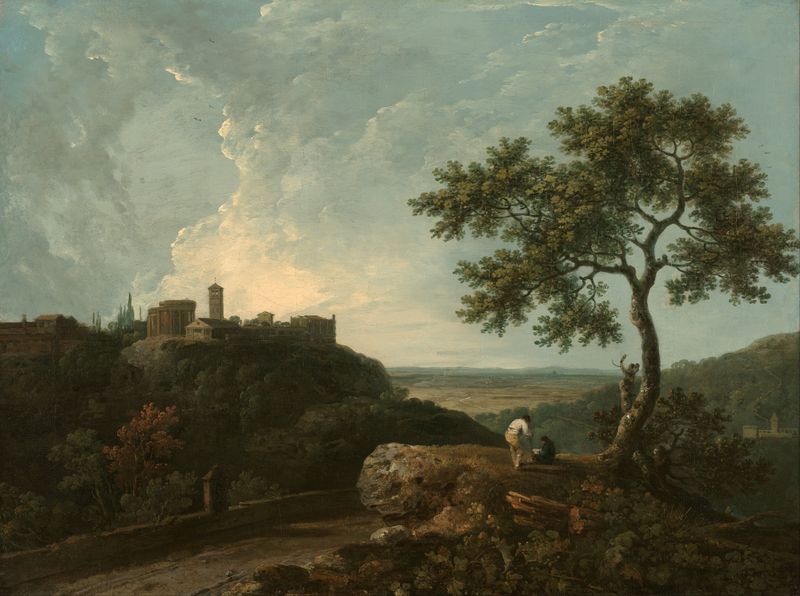
Tivoli- The Temple of the Sybil and the Campagna
Richard Wilson
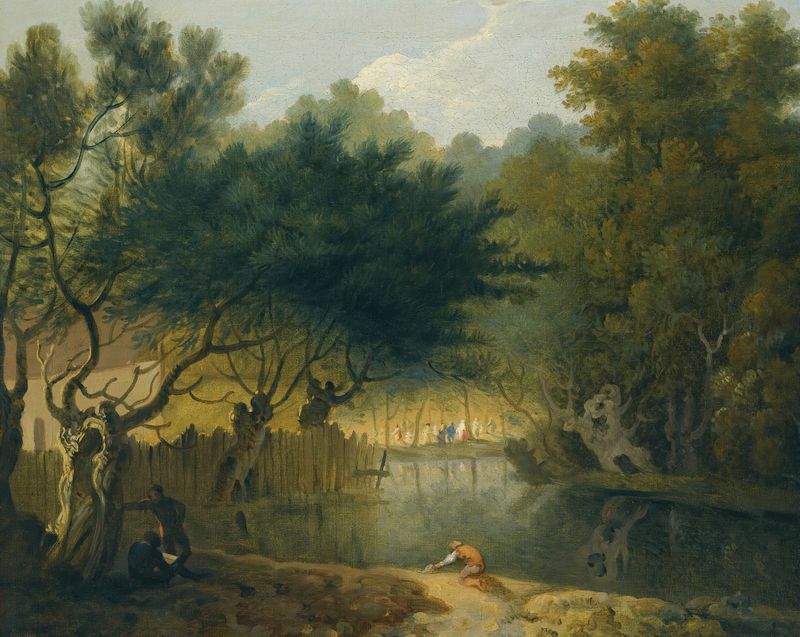
A View Of St. James’s Park, London
Richard Wilson
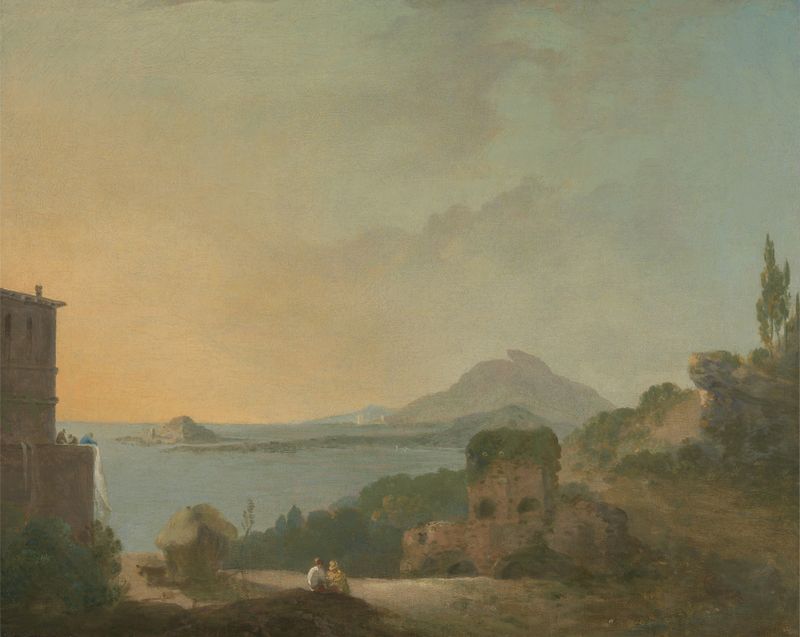
Cicero’s Villa and the Gulf of Pozzuoli
Richard Wilson
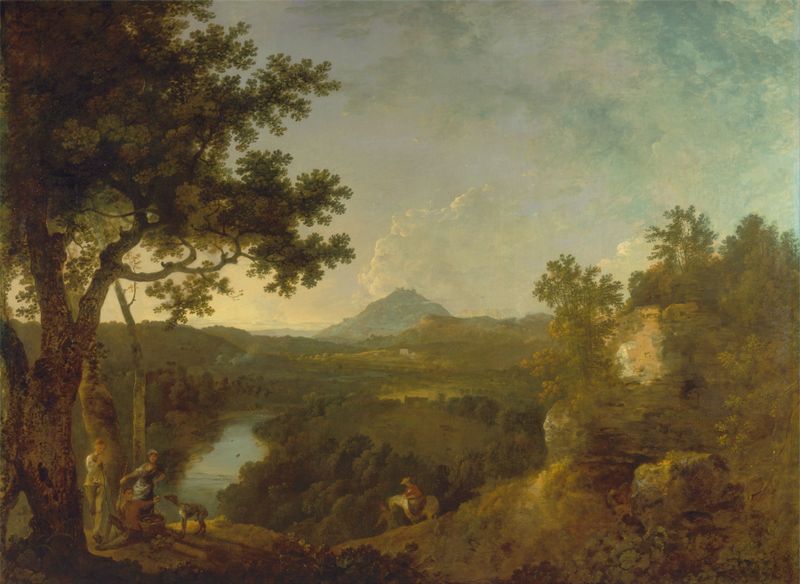
View near Wynnstay, the Seat of Sir Watkin Williams-Wynn, BT.
Richard Wilson
Italian Landscape (Morning)
Richard Wilson
View of the Wilderness in St. James’s Park
Richard Wilson





