
A View of the Great Cohoes on the Mohawk River — History & Facts
Could beauty survive in a century of chaos? In A View of the Great Cohoes on the Mohawk River, the tranquility of nature stands in stark contrast to the tumult of its time. Focus first on the cascading waters, where the river tumbles dramatically over rocks, capturing the viewer’s attention with its vibrant blues and greens. Notice how the sunlight dances on the surface, illuminating the frothy white crests as they crash—each wave a reminder of nature's relentless power. To the left, a smattering of verdant trees borders the scene, their rich hues contrasting sharply against the pale sky.
Each brushstroke reveals the artist's mastery of light and shadow, drawing the eye to the harmonious interplay between the serene river and the rugged landscape. Yet within this idyllic depiction lies an undercurrent of tension. The rushing water can symbolize the fleeting nature of beauty and life itself, while the distant mountains hint at challenges looming on the horizon. The absence of human figures invites contemplation about humanity’s relationship with nature, suggesting a world both untouched and fleeting, as if inviting viewers to reckon with their mortality amid the eternal flow of time. In 1761, the artist crafted this scene during a period marked by both personal and societal upheaval.
Living in England, he was influenced by the burgeoning Romantic movement, which sought to evoke emotion through landscapes. His travels in America opened his eyes to a vast, untamed beauty, yet the backdrop of colonial conflicts simmered beneath, raising questions about the enduring power of nature amidst human strife.
More Artworks by Paul Sandby
Browse all →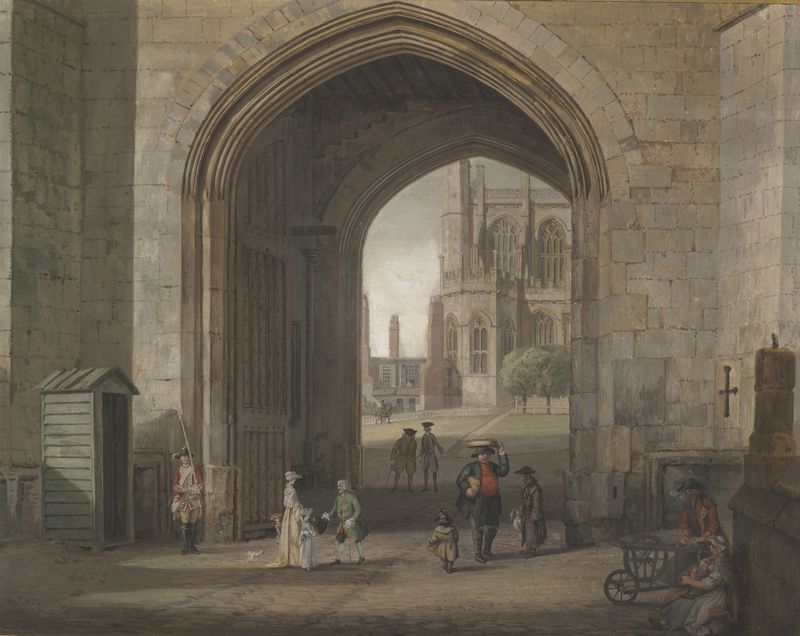
The Tower Gate at Windsor Castle
Paul Sandby

A Distant View of Maidstone, from Lower Bell Inn, Boxley Hill
Paul Sandby
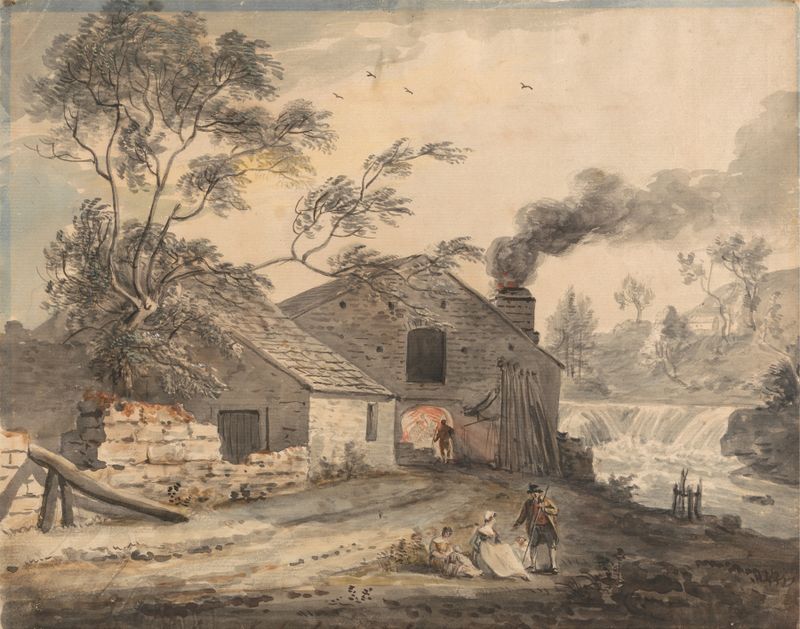
Iron Forge on the River Kent, Westmorland
Paul Sandby
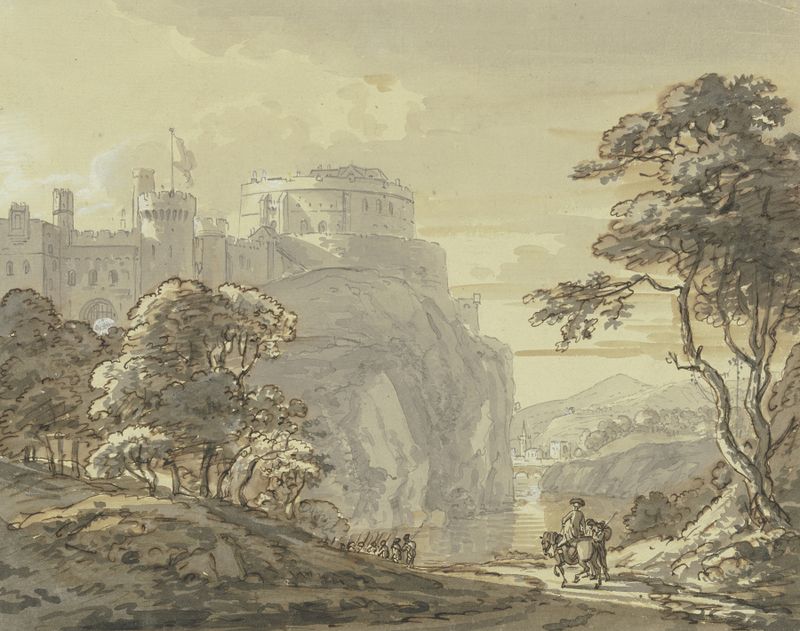
View of Windsor Castle
Paul Sandby

Hackwood Park, Hampshire
Paul Sandby

Roslin Castle, Midlothian
Paul Sandby
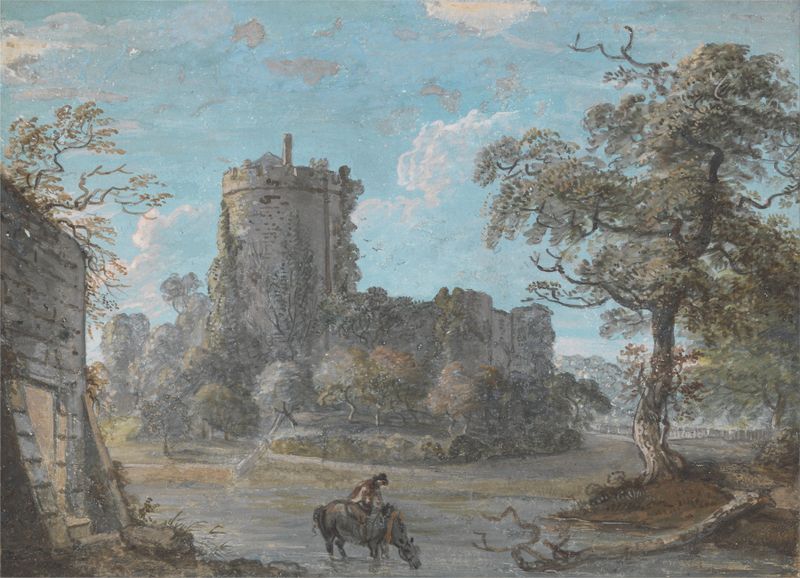
The Entrance to Chepstow Castle
Paul Sandby
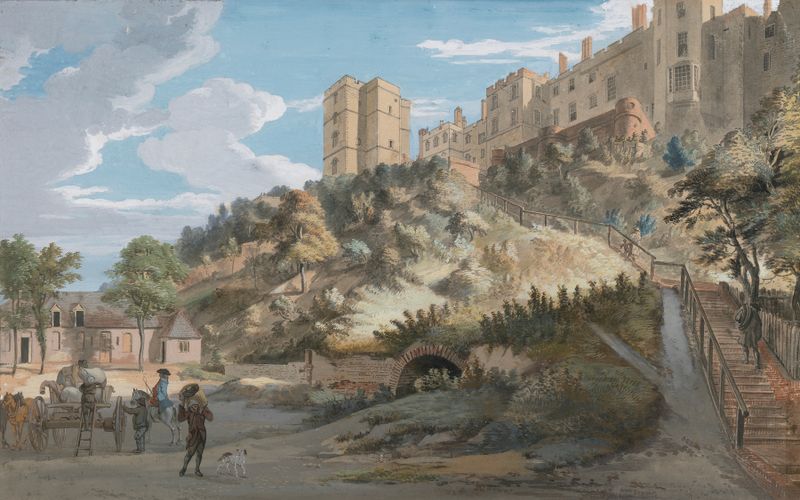
The Hundred Steps and Winchester Tower, Windsor Castle, Berkshire
Paul Sandby

Brook End, Essex
Paul Sandby
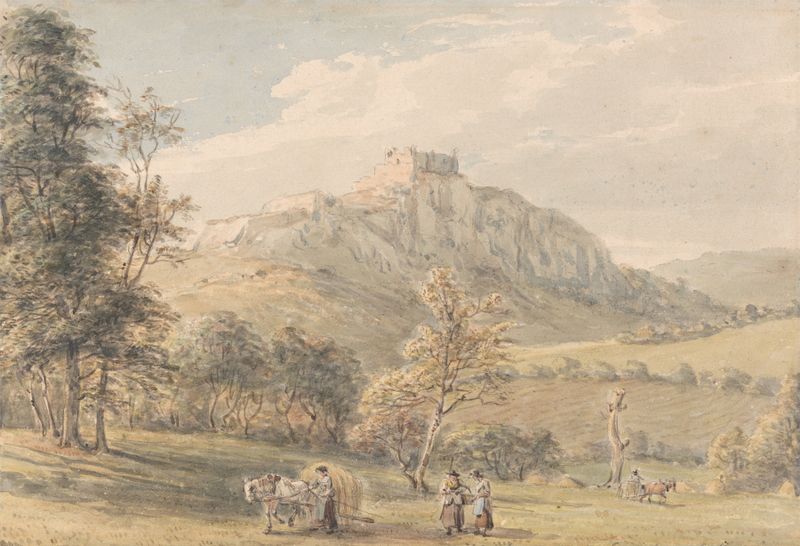
Carreg Cennen Castle
Paul Sandby





