
A View of Walton Bridge — History & Facts
What secret hides in the quiet of the canvas? Beneath the serene beauty of the landscape, whispers of madness linger, waiting to be uncovered. Look first to the central arch of the bridge, which rises gracefully above the placid waters below. The lines are crisp and precise, each brushstroke revealing Canaletto's meticulous attention to architectural detail. To the left, a flock of birds takes flight against a sky brushed with soft hues of blue and white, while the deeper shadows of the terrain ground the scene with a sense of stability.
Notice how the sunlight dances upon the river’s surface, evoking a contrast between the tranquility of the setting and the tumultuous thoughts suggested by the painting’s subtler elements. Beneath the idyllic facade, the tension is palpable. The bridge itself, while a symbol of connection, also serves as a boundary, separating the calm waters from the chaos beyond. The figures in the foreground, small in scale, seem absorbed in their own world, oblivious to the emotional heft of the landscape around them.
This contrast between the serene scene and the hidden turbulence reflects a deeper commentary on the human condition, encapsulating the fine line between peace and madness. Canaletto painted this work during the 18th century, a time of great change and artistic exploration in Venice. While he was known for his enchanting cityscapes, the quiet of A View of Walton Bridge indicates a personal reflection amidst the frenetic energy of his contemporaries. As he navigated the demands of patrons and the art market, this piece captures a moment of stillness, reminding us of the complexity woven into the fabric of everyday existence.
More Artworks by Canaletto
Browse all →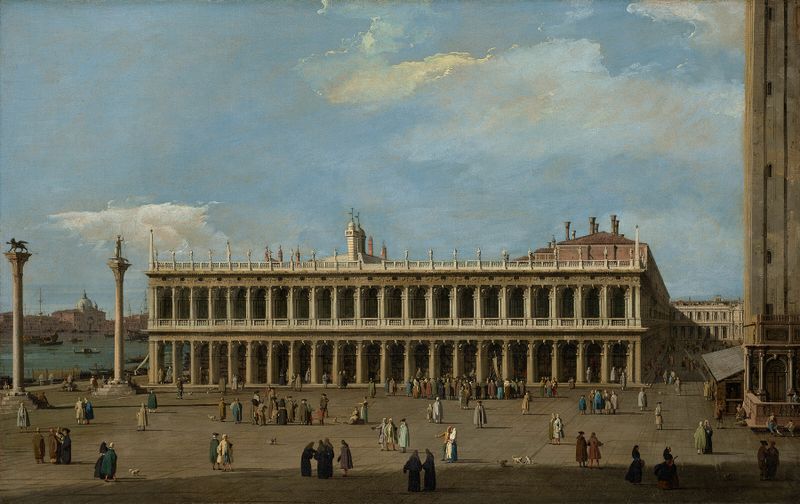
Venice, the Piazzetta, looking west, with the Libreria
Canaletto
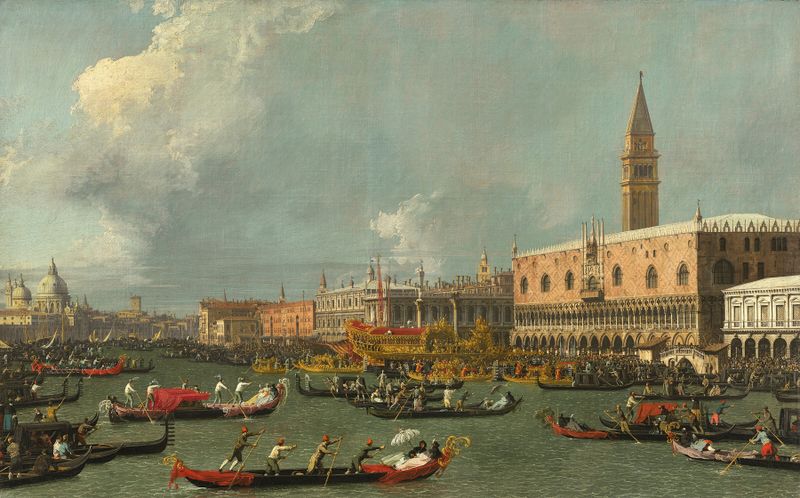
Venice, the Return of the Bucintoro on Ascension Day
Canaletto
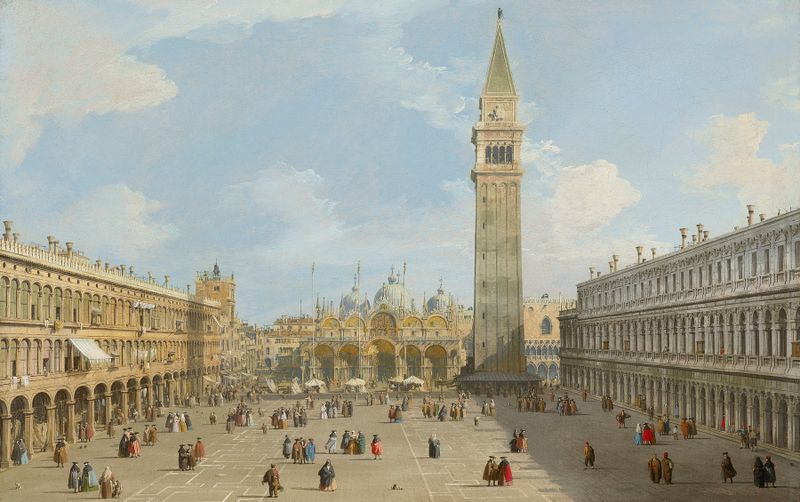
The Piazza San Marco, Venice, looking east towards the basilica
Canaletto
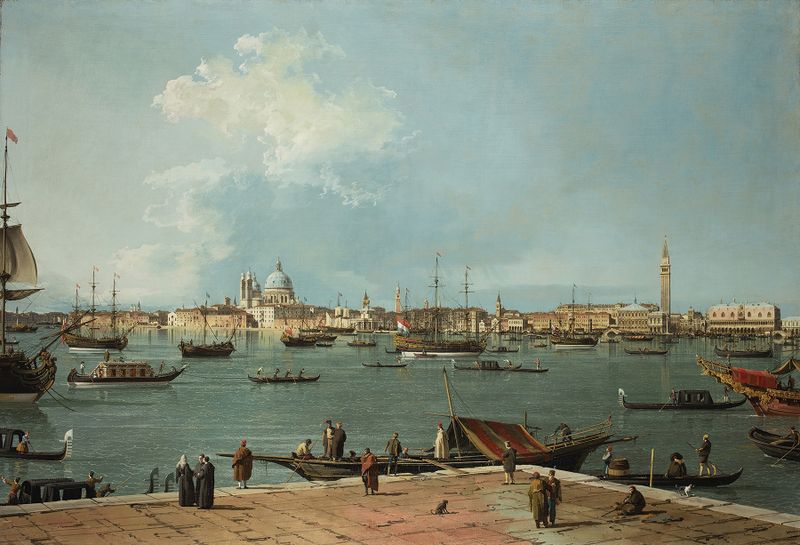
Venice, the Bacino di San Marco from San Giorgio Maggiore
Canaletto
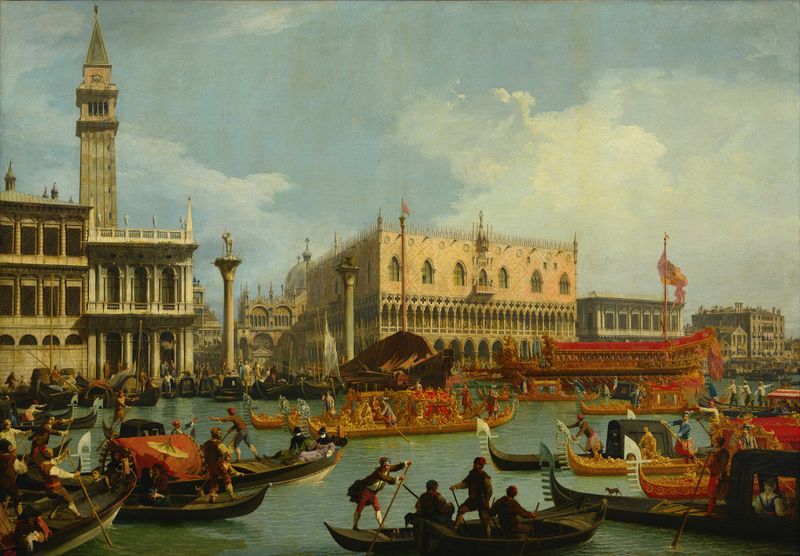
The Bucintore Returning to the Molo on Ascension Day
Canaletto
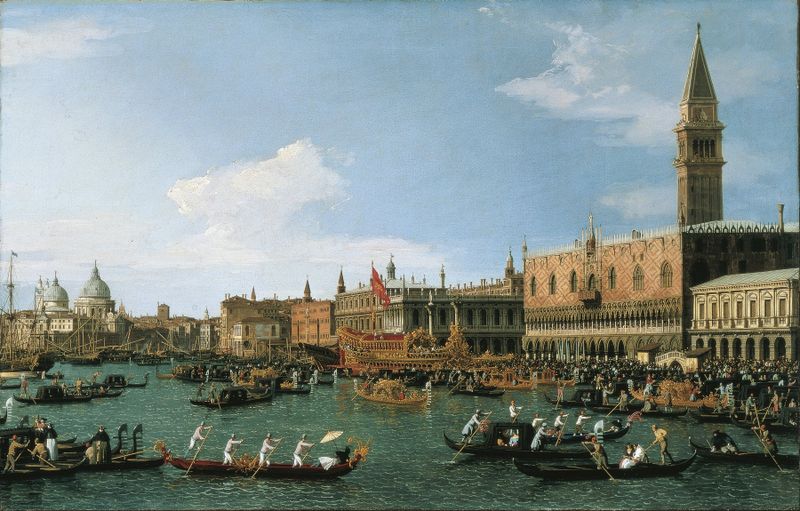
Return of ‘Il Bucintoro’ on Ascension Day
Canaletto
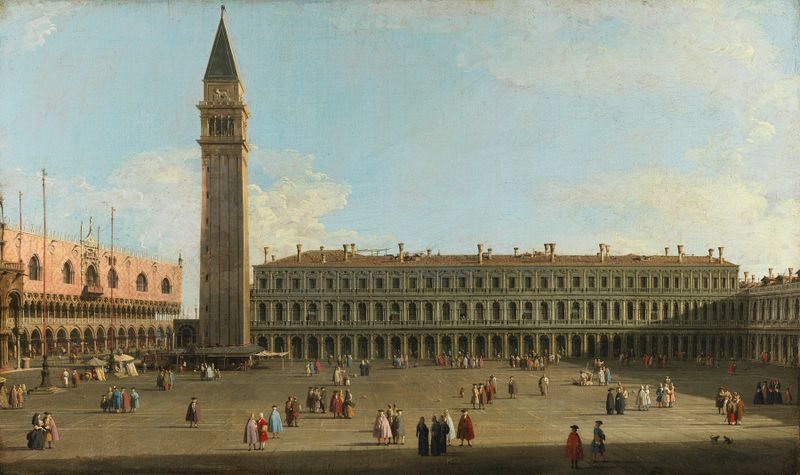
Saint Mark’s Square, Venice
Canaletto
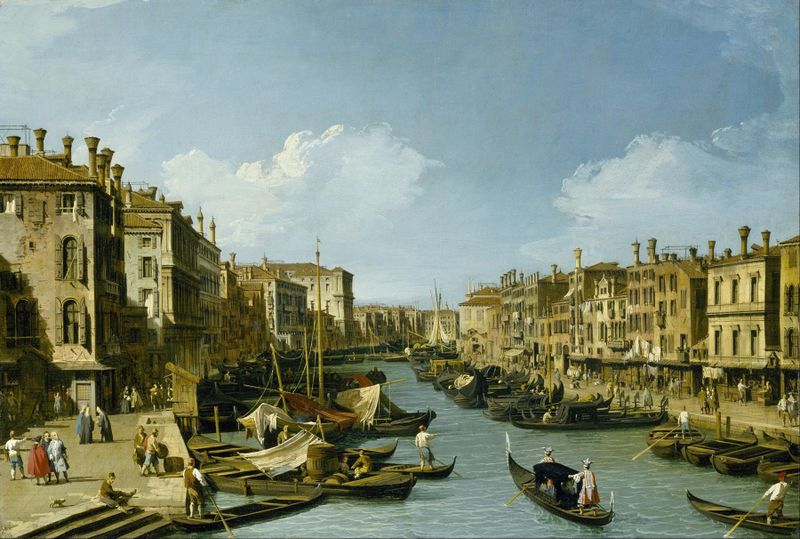
The Grand Canal near the Rialto Bridge, Venice
Canaletto
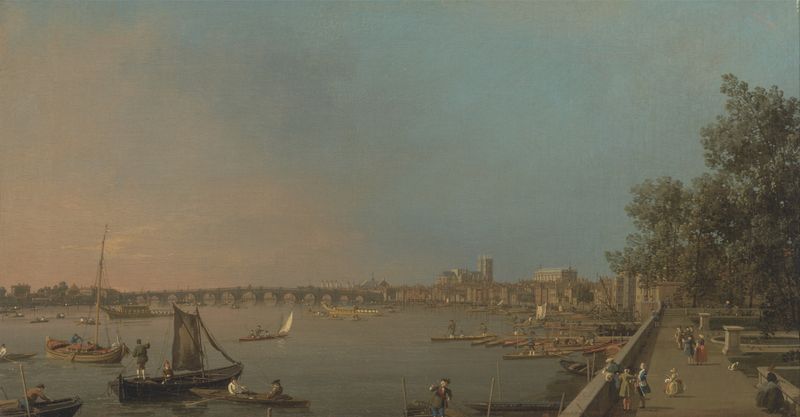
The Thames from the Terrace of Somerset House, Looking toward Westminster
Canaletto
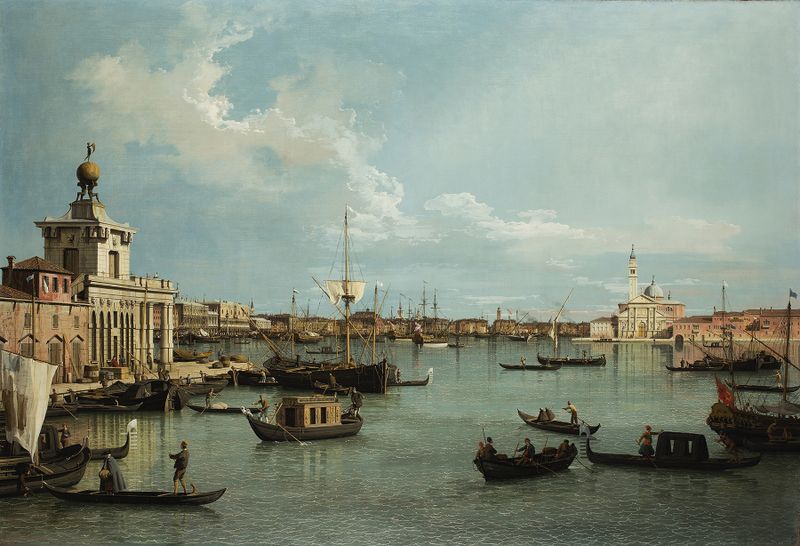
Venice, the Bacino di San Marco from the Canale della Giudecca
Canaletto





