
A Village Festival — History & Facts
What secret hides in the quiet of the canvas? A play of light and shadow unfolds, inviting us into a world where festivities pulse with unspoken stories and hidden emotions. Look to the center of the painting, where jubilant villagers gather, their expressions a mix of delight and contemplation. The warm, golden hues of daylight bathe the scene, illuminating the vibrant clothing of the participants. Notice how the soft shadows cast by the trees create pockets of intimacy, suggesting laughter shared in hushed tones.
As you trace the figures' gestures—some raised in celebration, others caught in a moment of pause—you can almost hear the distant melody of celebrations echoing through time. Yet beneath the surface, the gathering hints at deeper currents of community and solitude. The two figures standing apart from the throng convey a sense of longing or contemplation, contrasting the exuberance of their surroundings. Each brushstroke carries the weight of social connections and personal histories, as vibrant flowers bloom amidst a backdrop of quiet reflection.
The juxtaposition of light and shadow not only enlivens the action but also imbues the moment with a poignant sense of transience. In 1645, Droochsloot painted this vibrant scene during a period of significant artistic development in the Dutch Republic. The country was experiencing a burgeoning interest in genre painting, celebrating everyday life with rich detail and emotional depth. Nestled in a culture that valued the depiction of communal happiness alongside the reality of individual experience, the artist captured this festival as both a celebration and a reminder of the human condition's complexities.
More Artworks by Joost Cornelisz Droochsloot
Browse all →
The Disbanding of the ‘Waardgelders’ (Mercenaries in the Pay of the Town Government) by Prince Maurits in Utrecht, 31 July 1618
Joost Cornelisz Droochsloot

A Village Kermesse With Numerous Peasants Feasting
Joost Cornelisz Droochsloot

Village Street
Joost Cornelisz Droochsloot
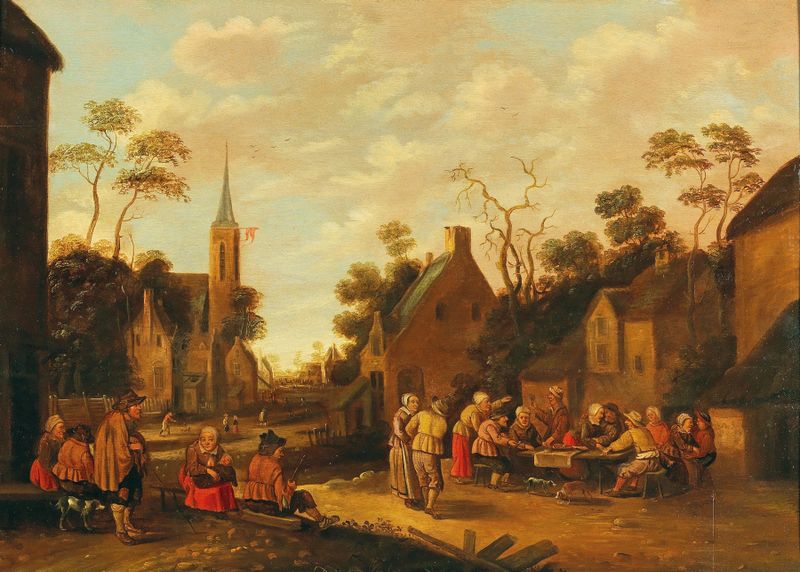
Village scene with peasant festivities
Joost Cornelisz Droochsloot

River View
Joost Cornelisz Droochsloot
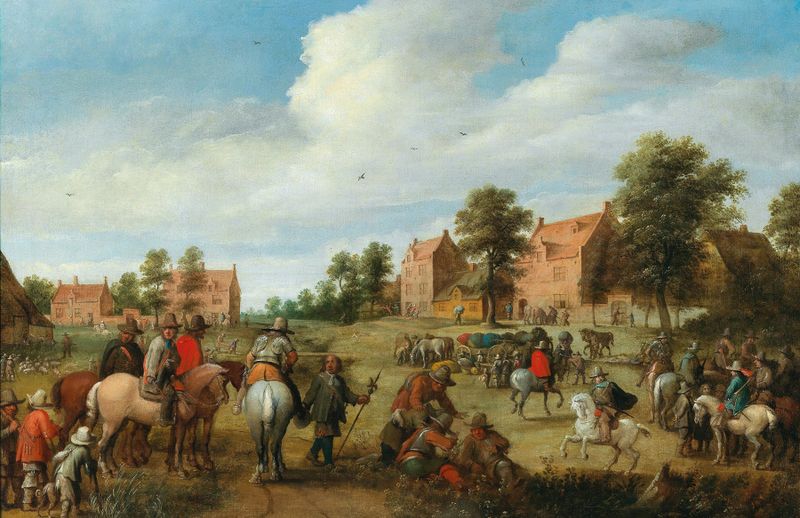
A cavalry unit halting near a village
Joost Cornelisz Droochsloot
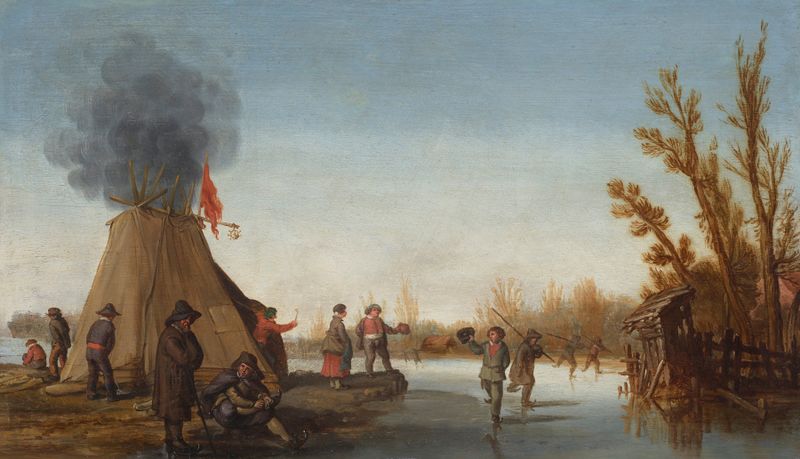
Skaters on a frozen canal with a koek-en-zopie tent
Joost Cornelisz Droochsloot

Village Fair
Joost Cornelisz Droochsloot

Village Scene With Peasants
Joost Cornelisz Droochsloot
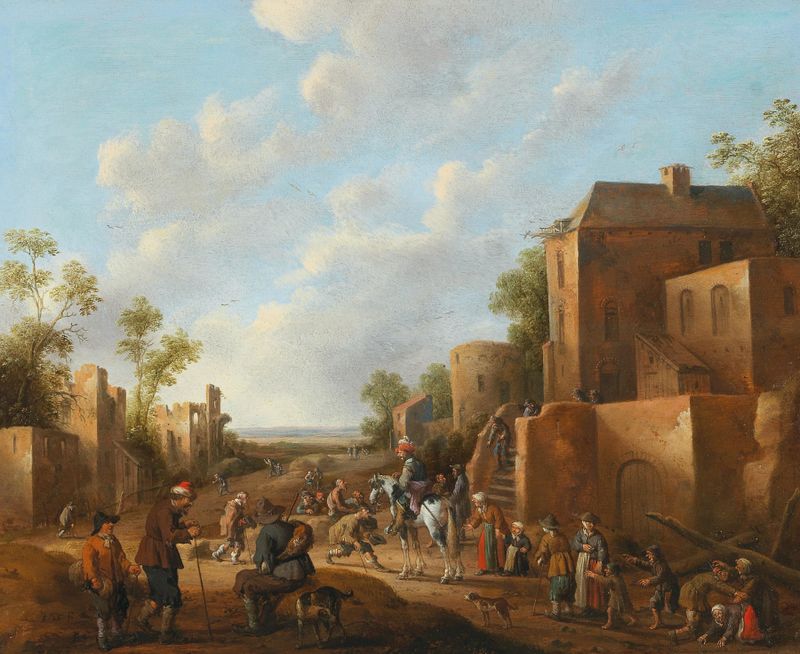
A village landscape with country folk near a tavern
Joost Cornelisz Droochsloot





