
A Village Kermesse With Numerous Peasants Feasting — History & Facts
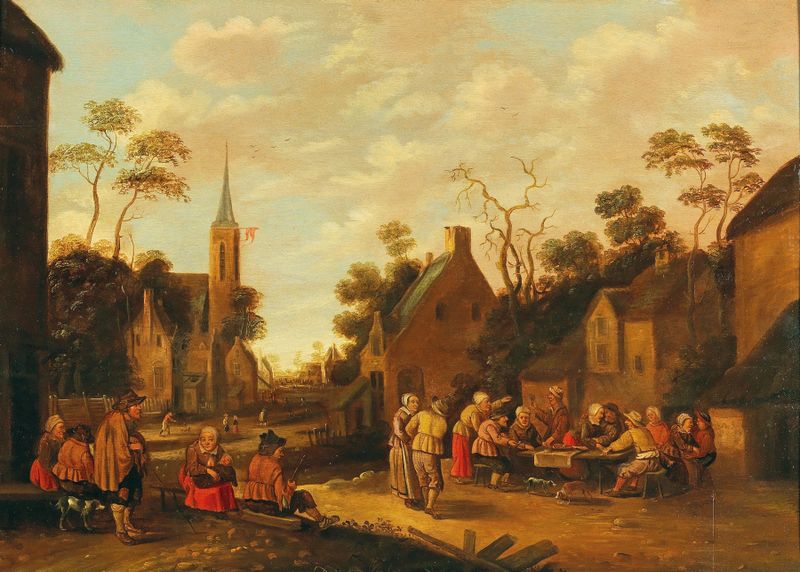
Under a warm, golden afternoon sun, a lively gathering unfolds in a village square, filled with laughter and the clinking of mugs. Peasants are seated around rustic wooden tables, their faces alight with joy as they share hearty meals and spirited conversations. Children dart between the adults, their exuberance a stark contrast to the stillness of the surrounding cottages, while a fiddler in the corner plays an uplifting tune that carries through the air, weaving the scene together in a tapestry of sound and sight. Look to the right at the central table where a group of villagers revels in the bounty before them—platters overflowing with bread, cheese, and vibrant fruits.
Notice how the light falls upon their hands, glistening with grease, and how their animated gestures speak volumes of camaraderie and celebration. The artist’s use of rich, earthy tones and soft brushwork creates a sense of intimacy, inviting you to step closer and feel a part of this jubilant feast. Yet, amid the festivity lies a subtle tension, as the varying expressions on the villagers’ faces hint at untold stories. A woman gazes wistfully toward the horizon, perhaps longing for more than the simple pleasures of her life, while a young boy clutches a loaf of bread, his innocent joy juxtaposed against the weariness etched on the faces of the older generation.
This balance between celebration and reflection draws viewers into a deeper dialogue about community, tradition, and the human experience. Created in 1628, this work emerged from a period when Droochsloot was firmly establishing his reputation in the Dutch art scene, focusing on genre painting that depicted everyday life. Living in Utrecht, he was influenced by the burgeoning interest in realism, which allowed him to capture both the vibrancy and the complexity of peasant life. During this time, the rise of the middle class sparked a fascination with scenes of labor and leisure, giving his paintings an engaging and relatable quality.
More Artworks by Joost Cornelisz Droochsloot
Browse all →
The Disbanding of the ‘Waardgelders’ (Mercenaries in the Pay of the Town Government) by Prince Maurits in Utrecht, 31 July 1618
Joost Cornelisz Droochsloot

Village Street
Joost Cornelisz Droochsloot
Village scene with peasant festivities
Joost Cornelisz Droochsloot

A Village Festival
Joost Cornelisz Droochsloot

River View
Joost Cornelisz Droochsloot
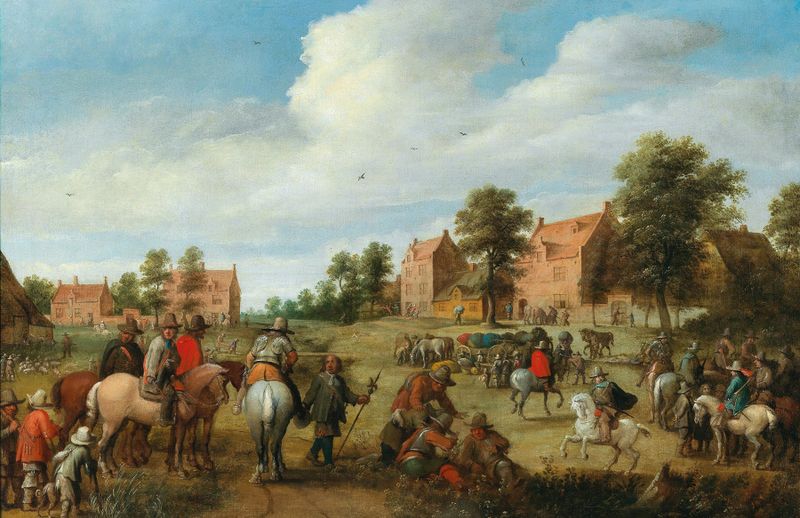
A cavalry unit halting near a village
Joost Cornelisz Droochsloot
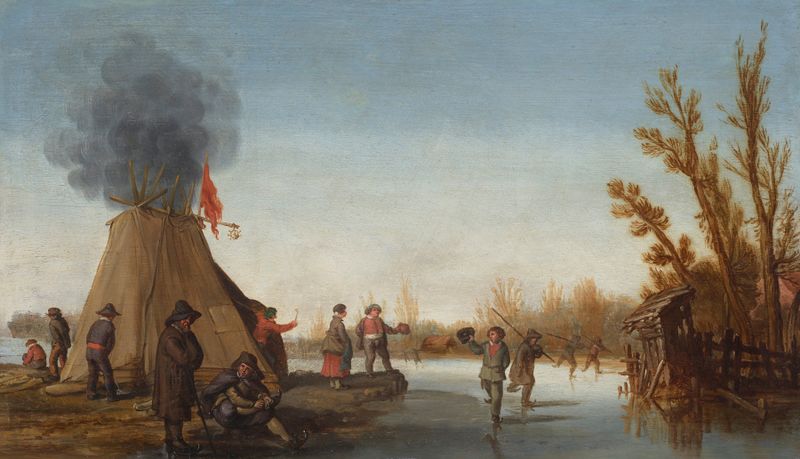
Skaters on a frozen canal with a koek-en-zopie tent
Joost Cornelisz Droochsloot

Village Fair
Joost Cornelisz Droochsloot

Village Scene With Peasants
Joost Cornelisz Droochsloot
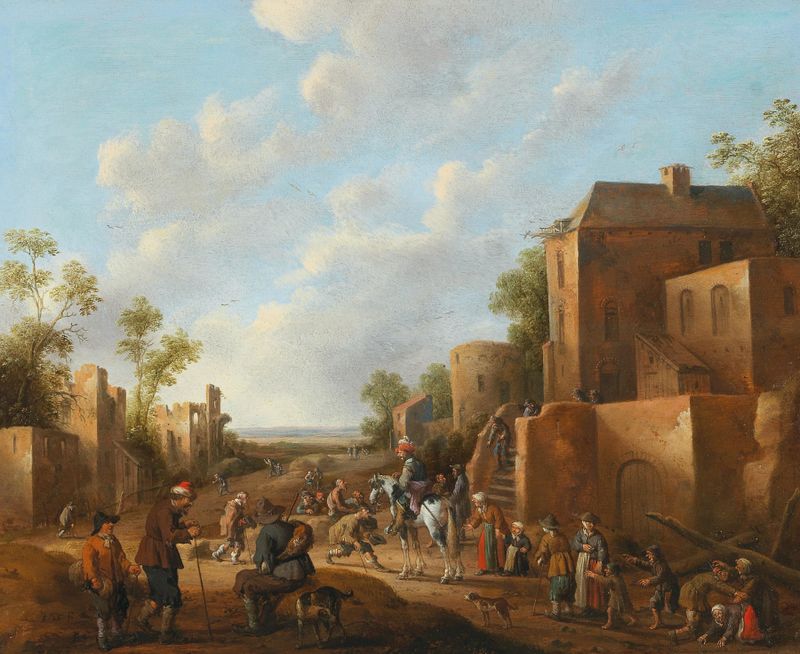
A village landscape with country folk near a tavern
Joost Cornelisz Droochsloot





