
Village Fair — History & Facts
Can paint confess what words never could? In Village Fair, the canvas becomes a vessel of untold longing, embodying the weight of the past and the ache of fleeting joy. Focus first on the lively gathering at the center, where figures are animated by their simple pleasures; spot the laughter of children playing, the clinking of mugs, and the pauses of contemplation. Notice how Droochsloot employs a warm palette to evoke the sun-drenched atmosphere, the ochres and greens inviting the viewer into the bustling scene. The composition draws your eye through layers of activity, guiding you from the jovial vendors to the distant trees, allowing you to feel both part of the celebration and a witness to its transience. Yet, beneath the surface mirth lies a poignant undercurrent.
The juxtaposition of bright festivities with distant shadows hints at the inevitability of loss—a celebration that will one day reside only in memory. Subtle gestures, like the tender touch between a couple or a solitary figure gazing into the distance, suggest unspoken stories of joy intertwined with melancholy. The villagers may revel in the moment, but their eyes betray a knowledge of life's fleeting nature, revealing the delicate balance between happiness and heartache. In 1629, Joost Cornelisz Droochsloot painted this scene amidst the flourishing Dutch Golden Age, where art reflected both beauty and the complexities of life.
During this time, he navigated the rising popularity of genre painting, capturing everyday moments with vibrancy and depth. As he immortalized this village fair, he was not just recreating a moment, but also acknowledging the transient joys that echo through time.
More Artworks by Joost Cornelisz Droochsloot
Browse all →
The Disbanding of the ‘Waardgelders’ (Mercenaries in the Pay of the Town Government) by Prince Maurits in Utrecht, 31 July 1618
Joost Cornelisz Droochsloot

A Village Kermesse With Numerous Peasants Feasting
Joost Cornelisz Droochsloot

Village Street
Joost Cornelisz Droochsloot
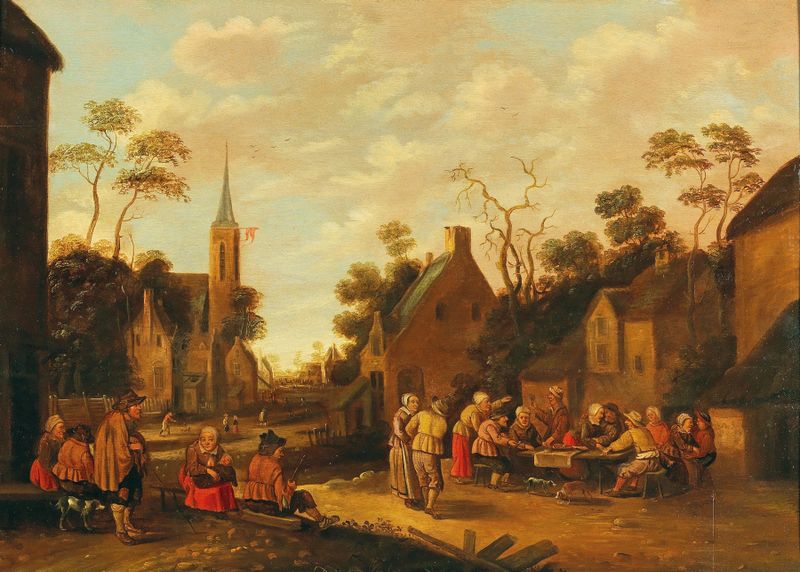
Village scene with peasant festivities
Joost Cornelisz Droochsloot

A Village Festival
Joost Cornelisz Droochsloot

River View
Joost Cornelisz Droochsloot
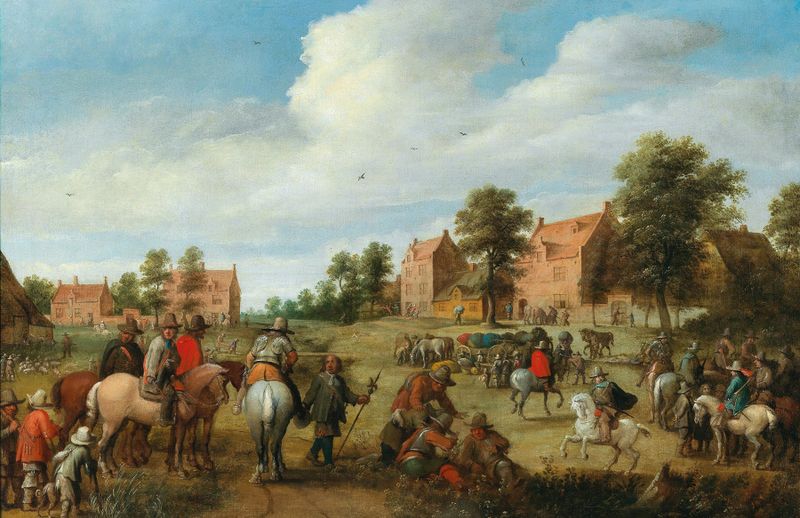
A cavalry unit halting near a village
Joost Cornelisz Droochsloot
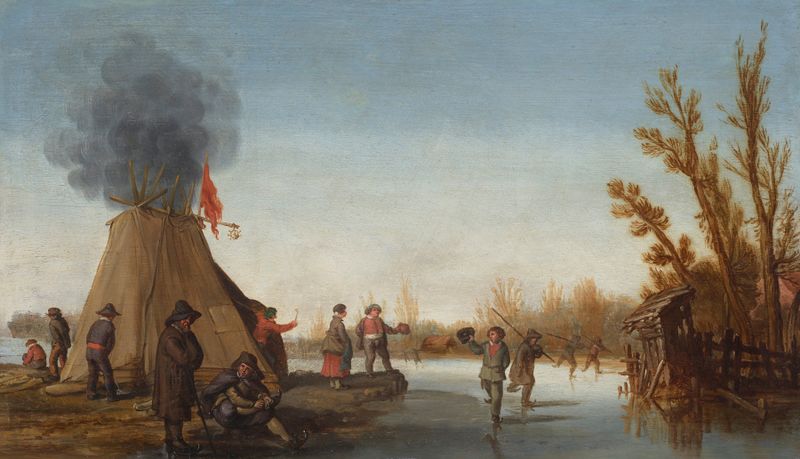
Skaters on a frozen canal with a koek-en-zopie tent
Joost Cornelisz Droochsloot

Village Scene With Peasants
Joost Cornelisz Droochsloot
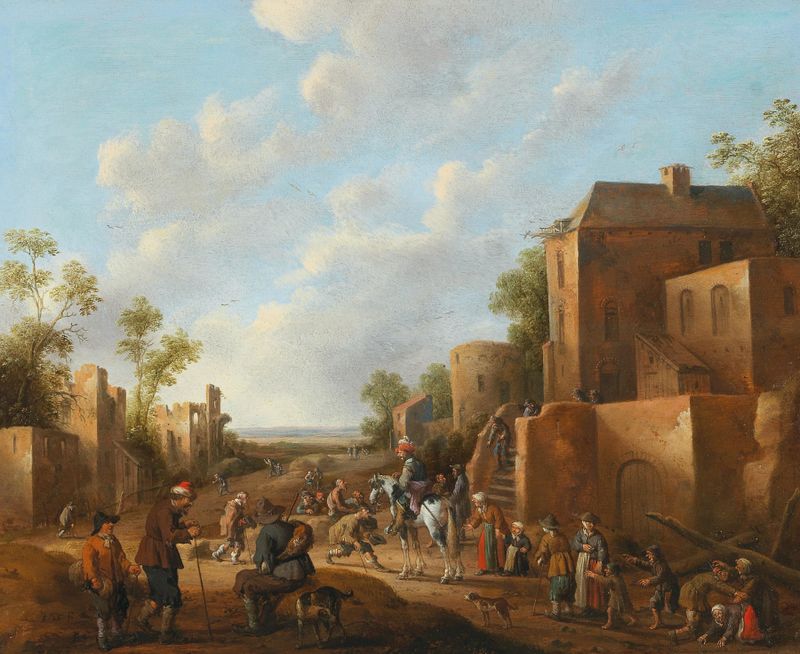
A village landscape with country folk near a tavern
Joost Cornelisz Droochsloot





