A village kermis — History & Facts
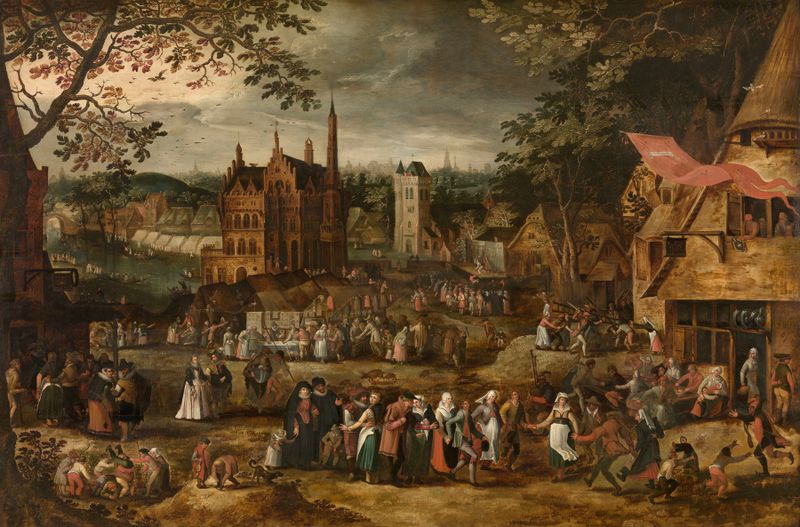
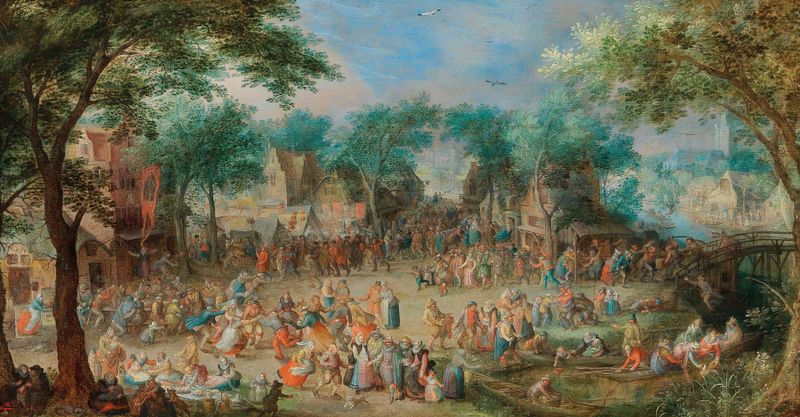
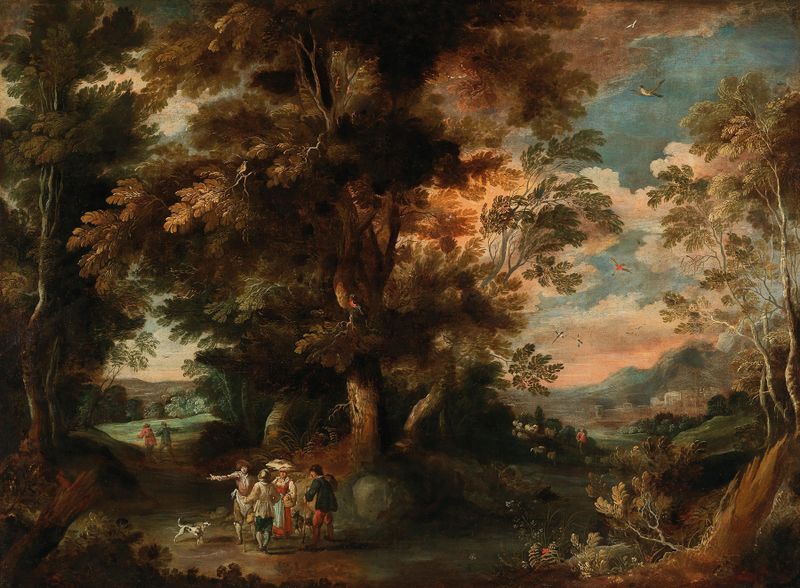
In every brushstroke lies a whisper of divinity, transforming the mundane into the extraordinary. Focus first on the vibrant array of figures meandering through the lively village scene. Look to the center, where the joyous dance unfolds, a swirling mass of color and movement that captures the pulsating heart of the kermis. Notice how the warm, earthy tones of ochre and sienna beautifully contrast with flecks of brilliant blue and crimson; each color breathes life into the composition, while the meticulous detailing of costumes draws you deeper into this festive world. As your gaze wanders, pay attention to the expressions caught in mid-laughter, the jubilant gestures of the dancers, and the contrasting serenity of onlookers.
Here, the chaos of celebration intertwines with moments of reflection, suggesting that amid the revelry, there lies a yearning for connection and belonging. Subtle shadows cast by towering trees create a sense of atmosphere, evoking the fleeting nature of joy and the divine touch of fellowship that permeates through every joyous face. David Vinckboons created this lively tableau during a time when the Dutch Golden Age was flourishing, likely in the early 1610s. Residing in the vibrant art hub of Antwerp, he was influenced by the communal spirit of Dutch festivities, as well as the burgeoning interest in genre painting.
This period was marked by a desire to celebrate everyday life, allowing the artist to encapsulate not only the physical revelry but also the deeper connections of humanity woven into each vibrant thread of the scene.