
A Virginia Cousin & Bar Harbor Tales — History & Facts
A single figure commands the eye, her hands lifted in a gesture that hovers between surprise and allure, as if she has just glimpsed something—or someone—unexpected beyond the page. The bold sweep of her hat and the dramatic collar frame her face, drawing us into her world of whispered secrets and social intrigue. The lines are swift and assured, their inky blackness set against a field of warm rose, giving the poster an immediacy that feels both modern and theatrical.
Every curve and angle seems designed to catch the light and hold the viewer’s attention, while the upward tilt of her gaze invites us to imagine the stories she might tell. This is not merely an advertisement, but a portrait of anticipation, capturing the spirit of a woman on the cusp of narrative adventure. Works like this emerged in an era when illustrated posters were transforming city streets and bookshop windows, making art and literature newly visible to passersby. The style, with its sinuous lines and striking contrasts, belongs to the flourishing world of late nineteenth-century graphic design—a period when artists like Ethel Reed were helping to define the visual language of the modern poster.
Commissioned to entice readers and buyers, such images were both commercial and creative, blending artistry with the rhythms of urban life. Preserved today in the Boston Public Library’s collection, this piece reminds us how print culture once turned even a fleeting glance into a promise of stories waiting just beyond the cover. Look again, and let the woman’s poised hands draw you into her world.
More Artworks by Ethel Reed
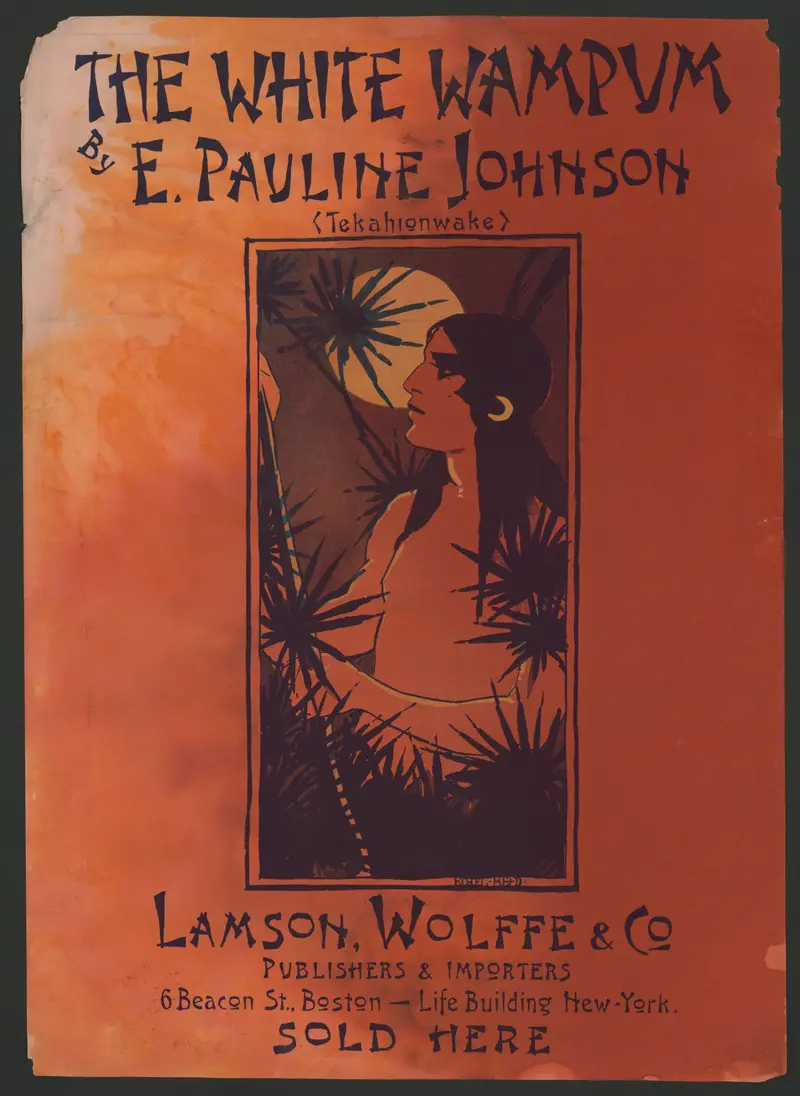
The White Wampum
Ethel Reed
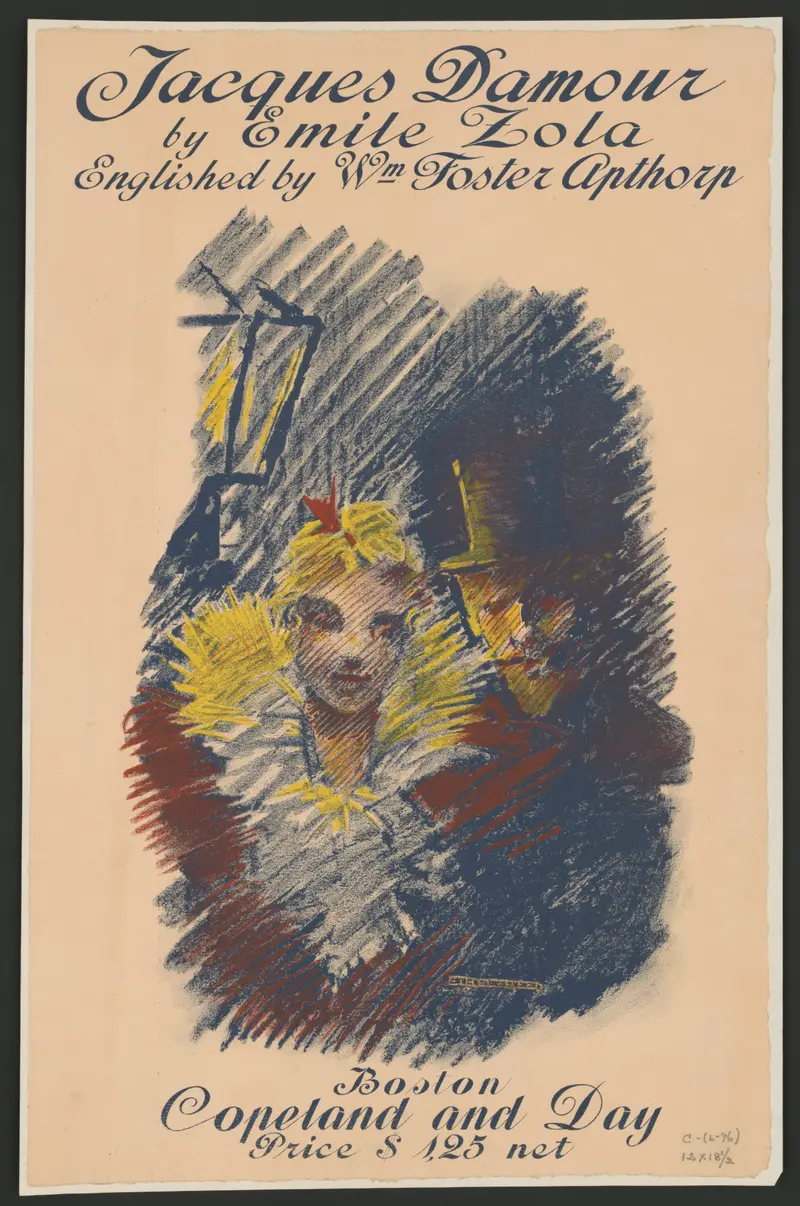
Jacques Damour
Ethel Reed
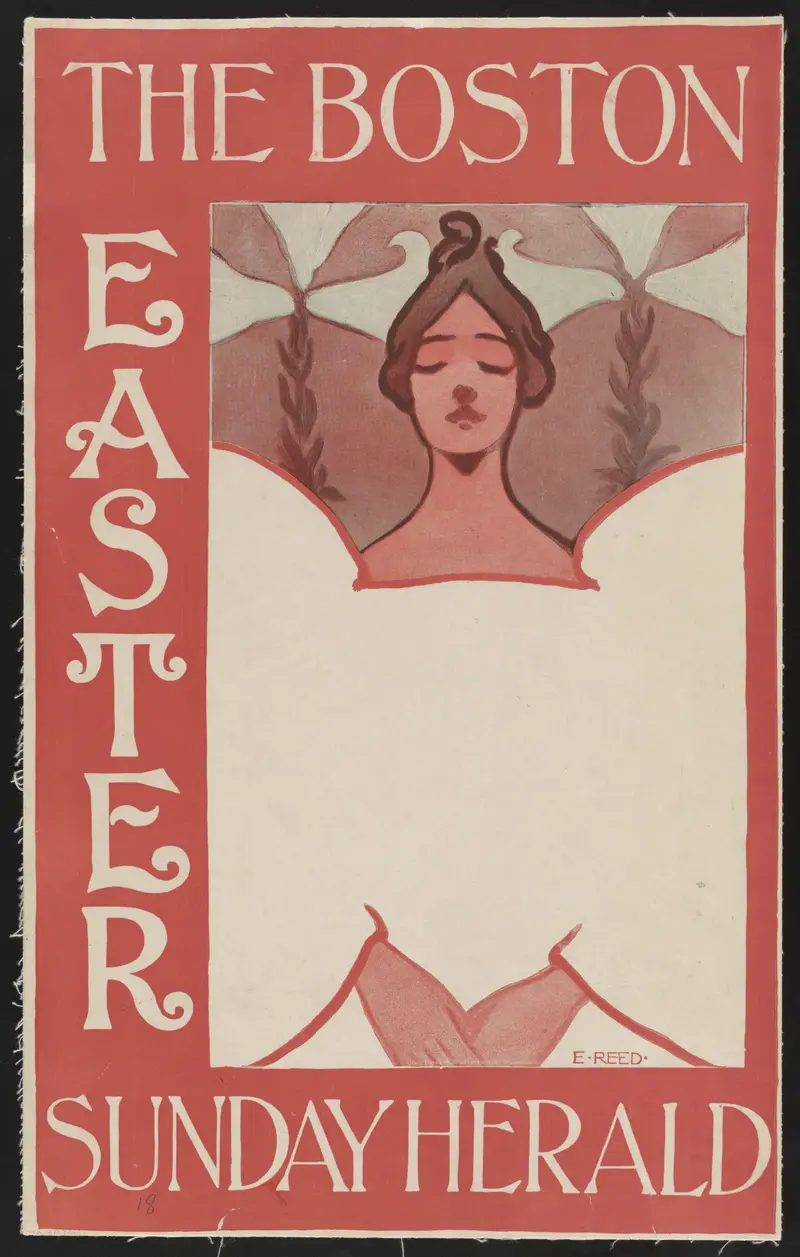
The Boston Sunday Herald: Easter
Ethel Reed
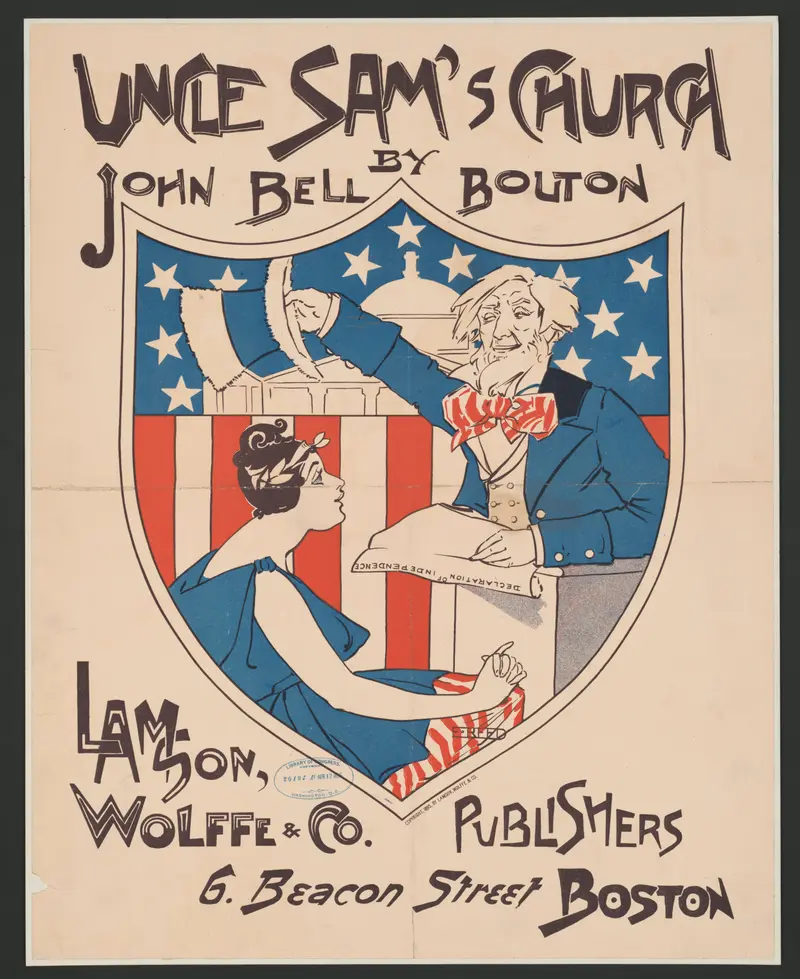
Uncle Sam's Church
Ethel Reed
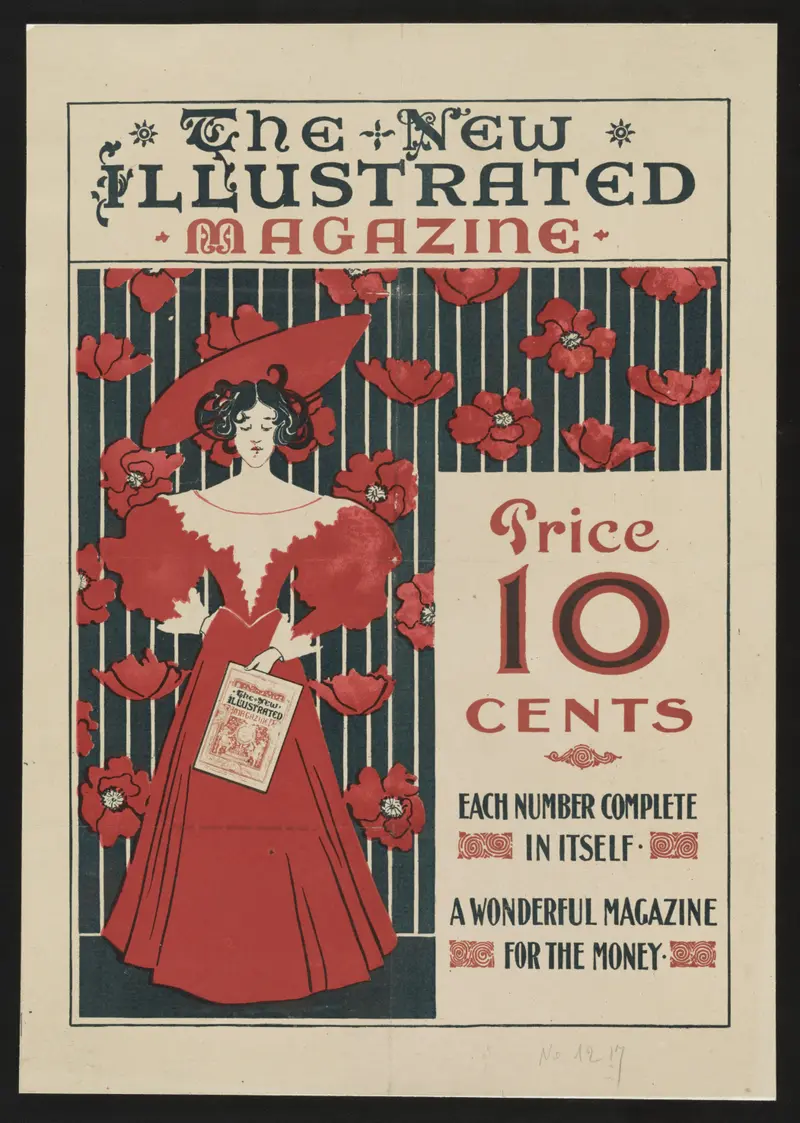
The New Illustrated Magazine
Ethel Reed
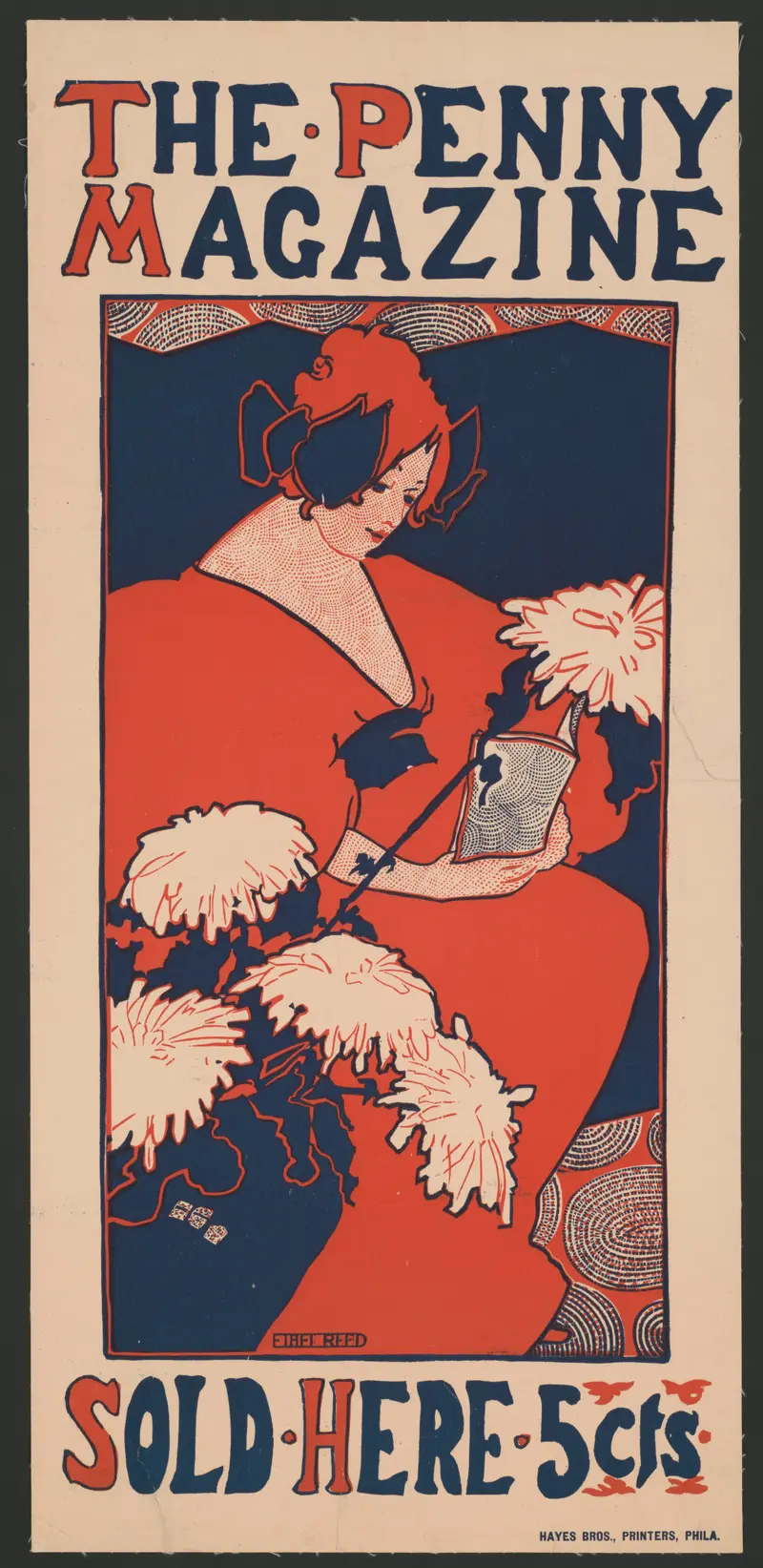
The Penny Magazine
Ethel Reed
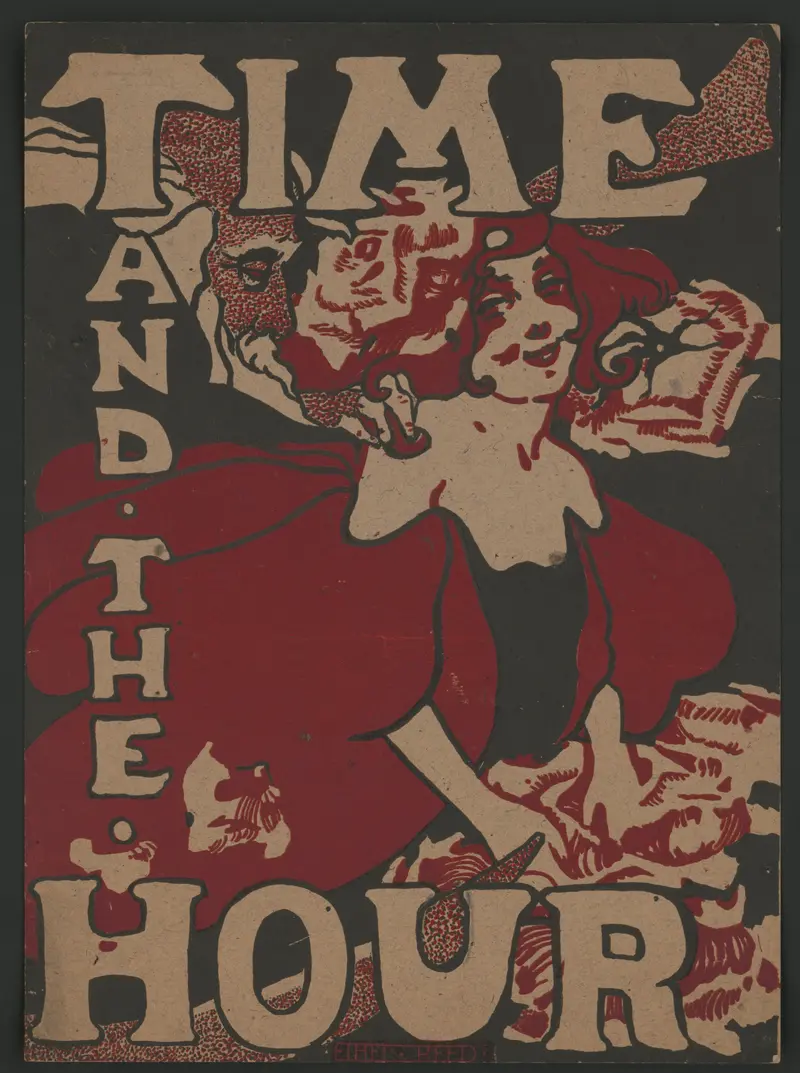
Time and the Hour
Ethel Reed
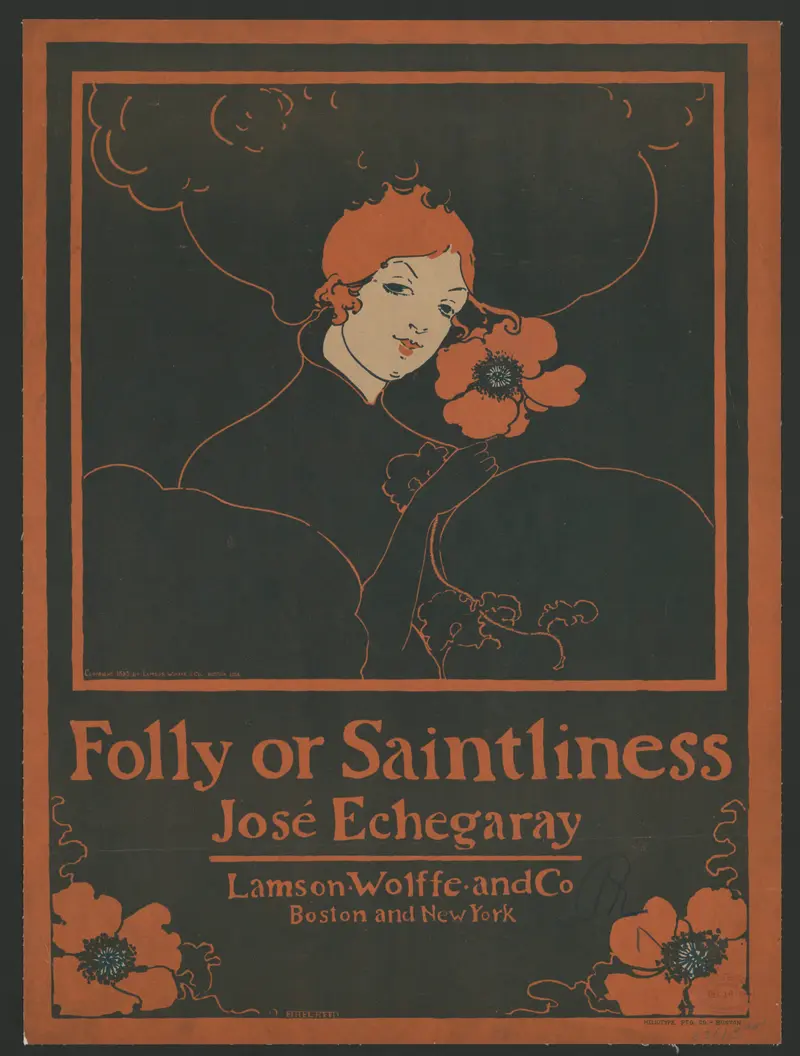
Folly or Saintliness
Ethel Reed
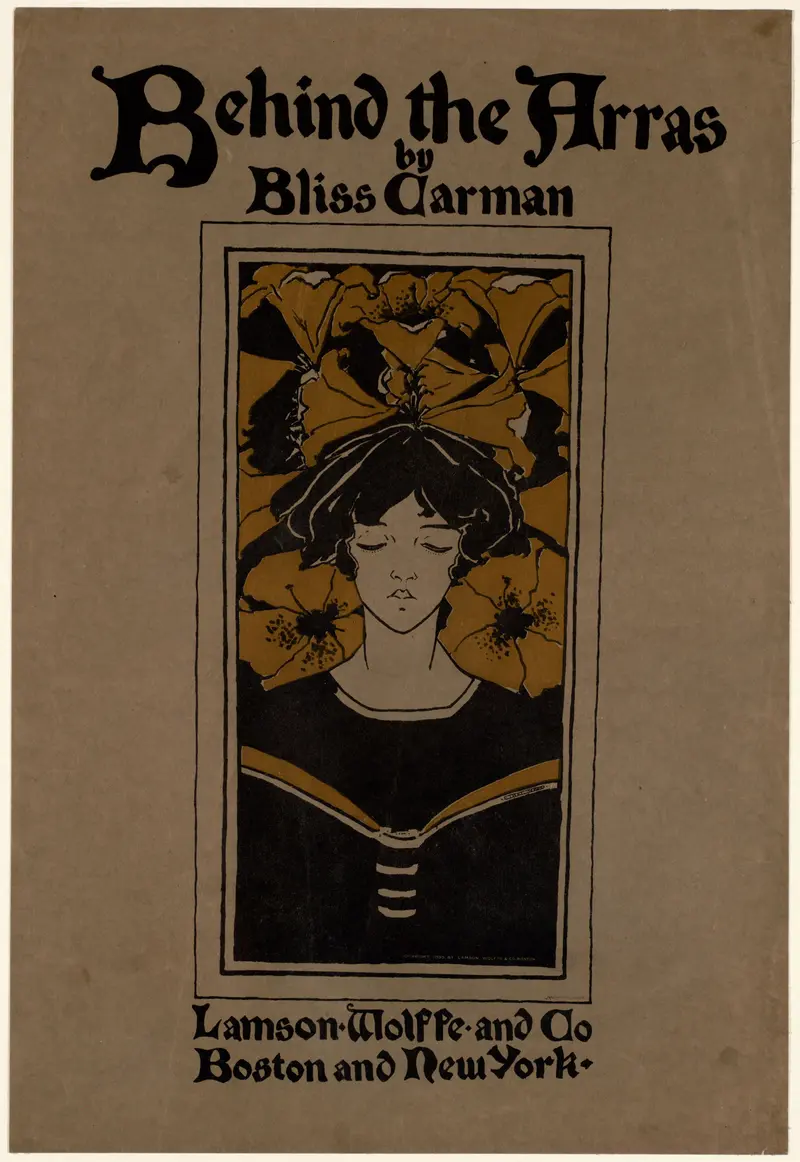
Behind the Arras
Ethel Reed
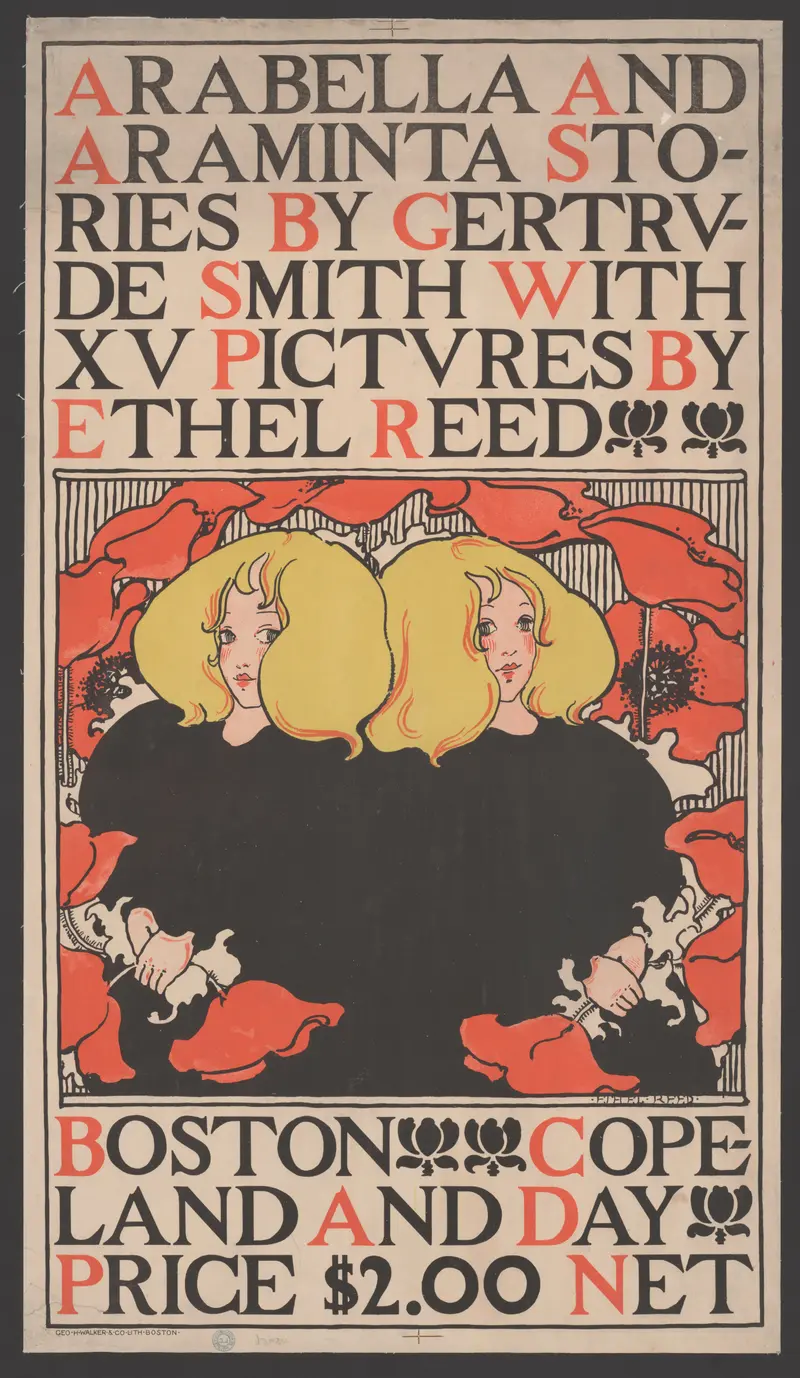
Arabella and Araminta Stories
Ethel Reed





