
A Winter Landscape — History & Facts
Can beauty exist without sorrow? As we gaze upon the serene expanse of A Winter Landscape, a haunting loneliness emerges, interlaced with the quiet splendor of nature. Focus first on the left side of the canvas, where the delicate brushstrokes delineate softly falling snow, creating a gentle blanket over the trees and ground. The muted palette of whites and grays contrasts with the deep blues that sweep across the sky. The subtle play of light, reflecting off the snow, draws the eye and invites contemplation, almost as if time has paused in this frosty scene.
The horizon stretches thin, where sky meets earth, suggesting an infinite space yet filled with a palpable stillness. Amidst the tranquil white, small figures traverse the landscape, their solitude almost echoed by their surroundings. Notice how the distant ice skaters appear isolated, their movement suggesting a fleeting joy against the backdrop of a hushed winter. This juxtaposition of activity and stillness underscores a deeper emotional tension—life persists even in desolation.
The trees, stripped of their leaves, stand as silent sentinels, capturing the essence of loneliness, yet they too embody resilience, clinging to existence amidst the chill. In 1619, Esaias van de Velde painted this evocative scene while living in the Netherlands, a time when winter landscapes were gaining popularity among artists. As a member of the Haarlem school, he was influenced by the naturalistic approach to landscape painting, capturing not only the beauty of the season but also the emotional undertones that accompany it. This artwork reflects both his skill and the broader artistic movements of his time, melding nature’s allure with an undercurrent of solitude.
More Artworks by Esaias van de Velde
Browse all →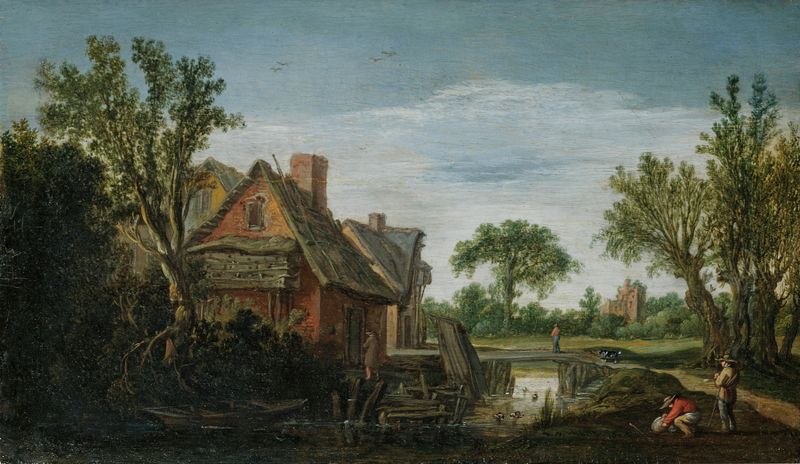
The Hague A Wooded River Landscape With Figures On A Path On A River Bank Beside A Village, A Bridge Beyond
Esaias van de Velde
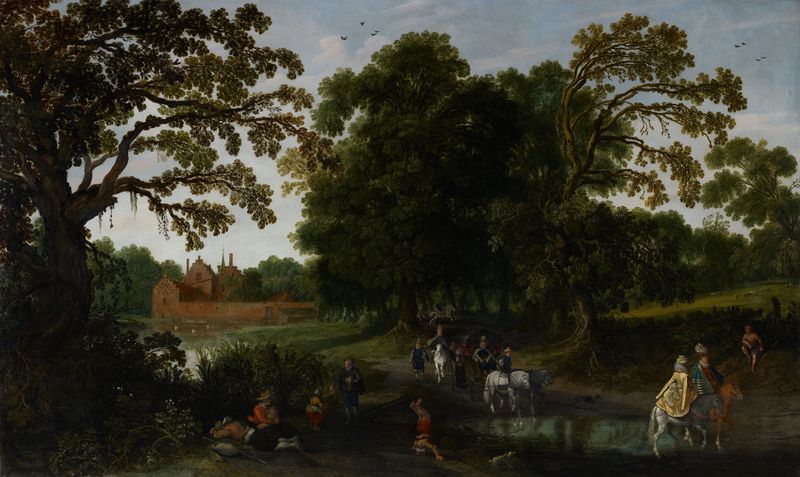
Courtly Procession before Abstpoel Castle
Esaias van de Velde
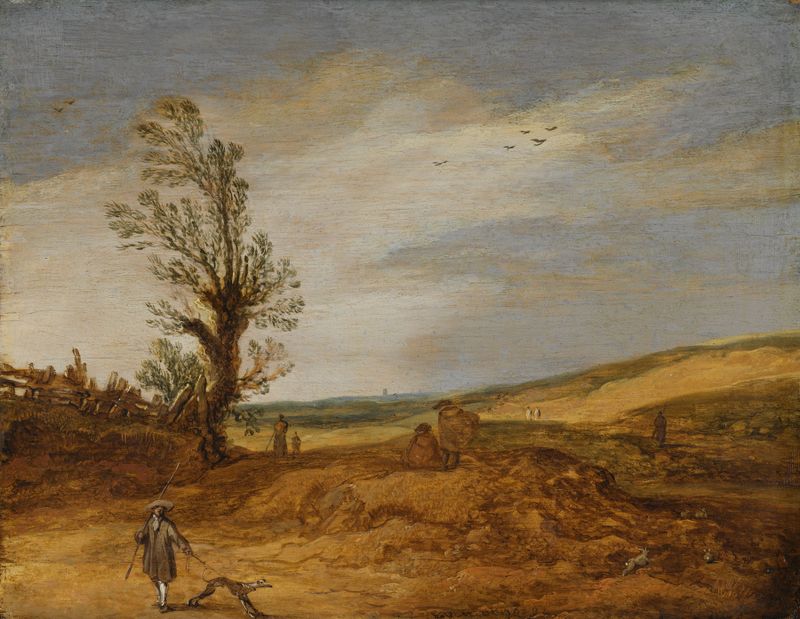
A View in the Dunes
Esaias van de Velde
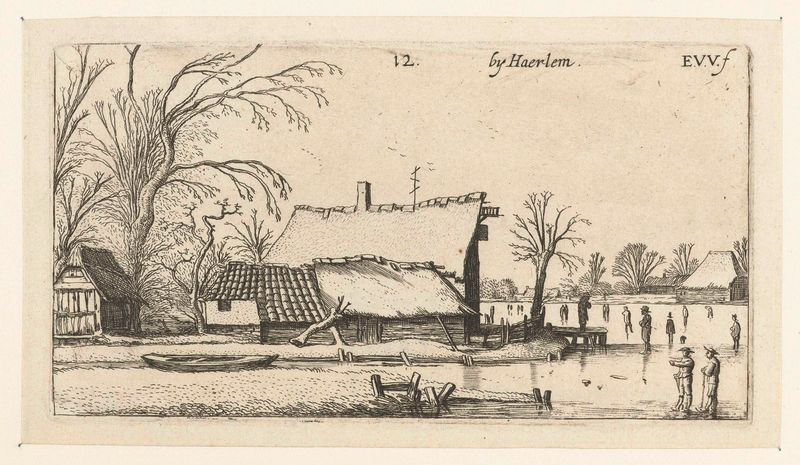
Boerderij bij een bevroren rivier met schaatsers
Esaias van de Velde
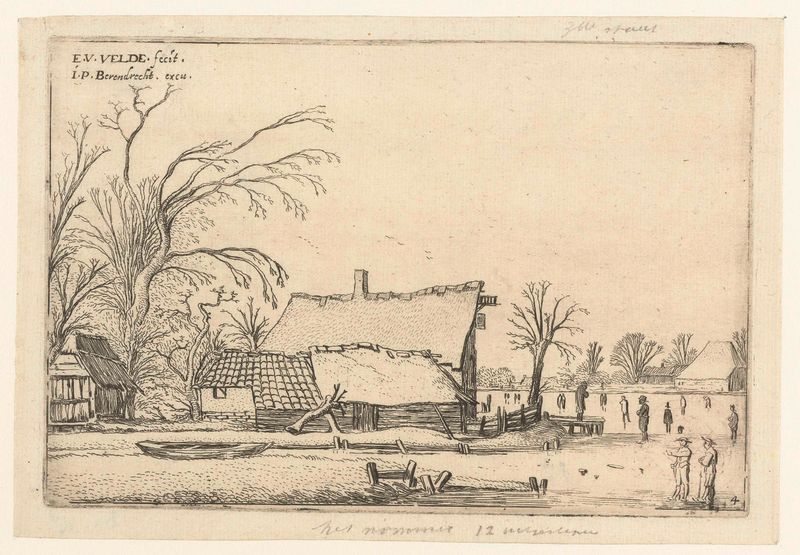
Boerderij bij een bevroren rivier met schaatsers
Esaias van de Velde
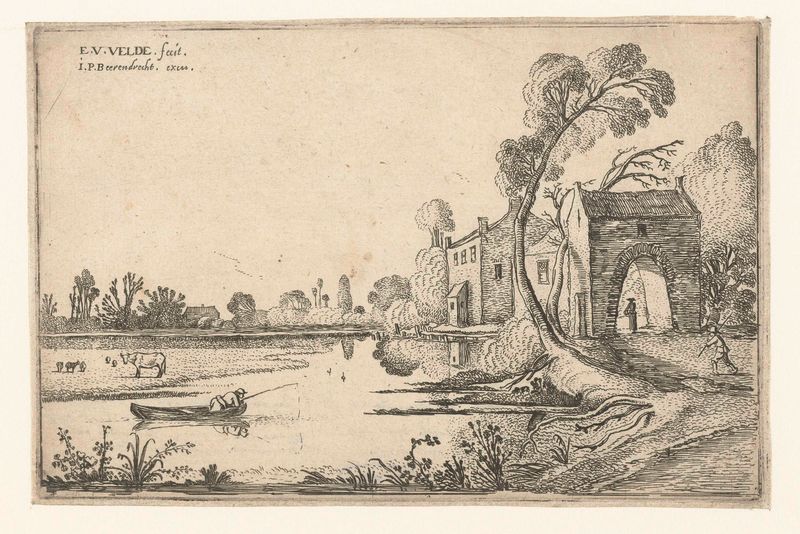
Landschap met rivier en poortgebouw
Esaias van de Velde
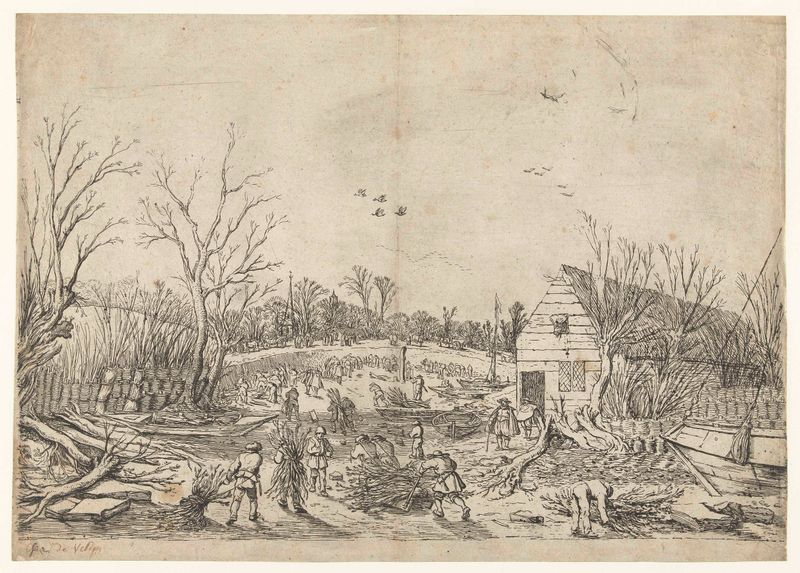
Herstelwerkzaamheden aan de doorgebroken Lekdijk bij 't Waal
Esaias van de Velde
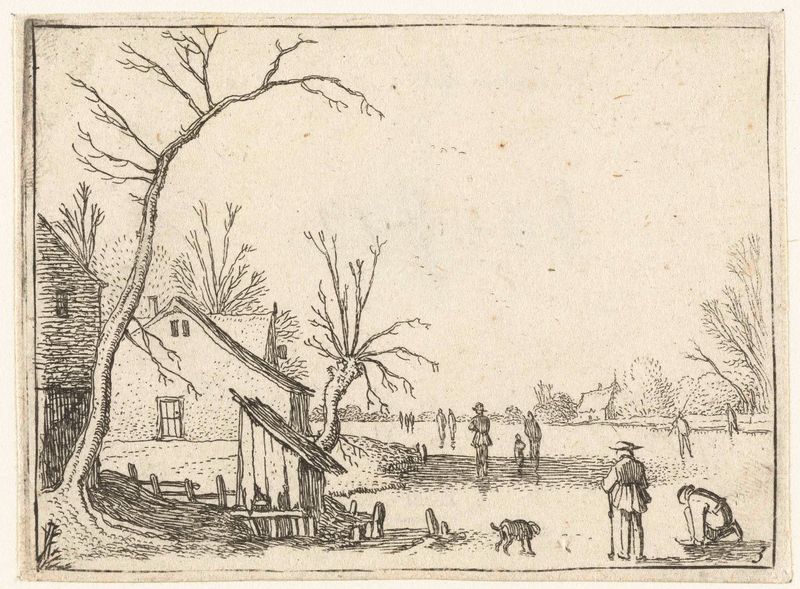
Boerderij bij bevroren rivier en schaatsers op het ijs
Esaias van de Velde
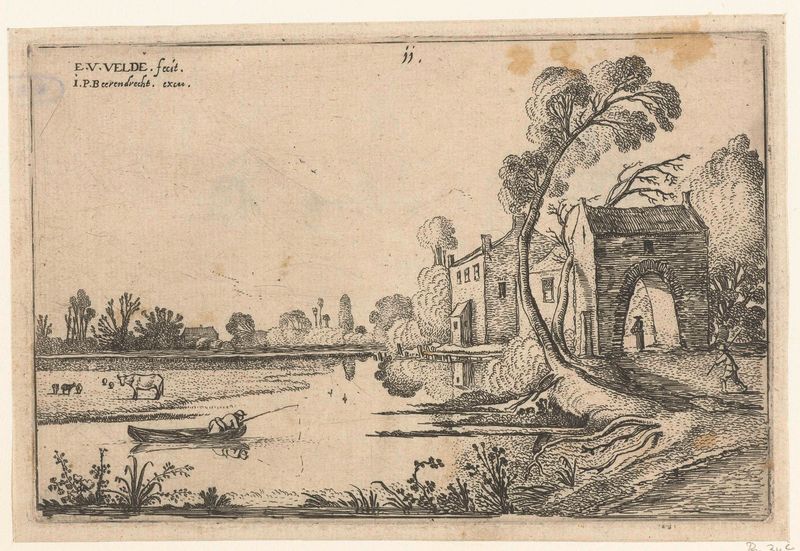
Landschap met een rivier en poortgebouw
Esaias van de Velde
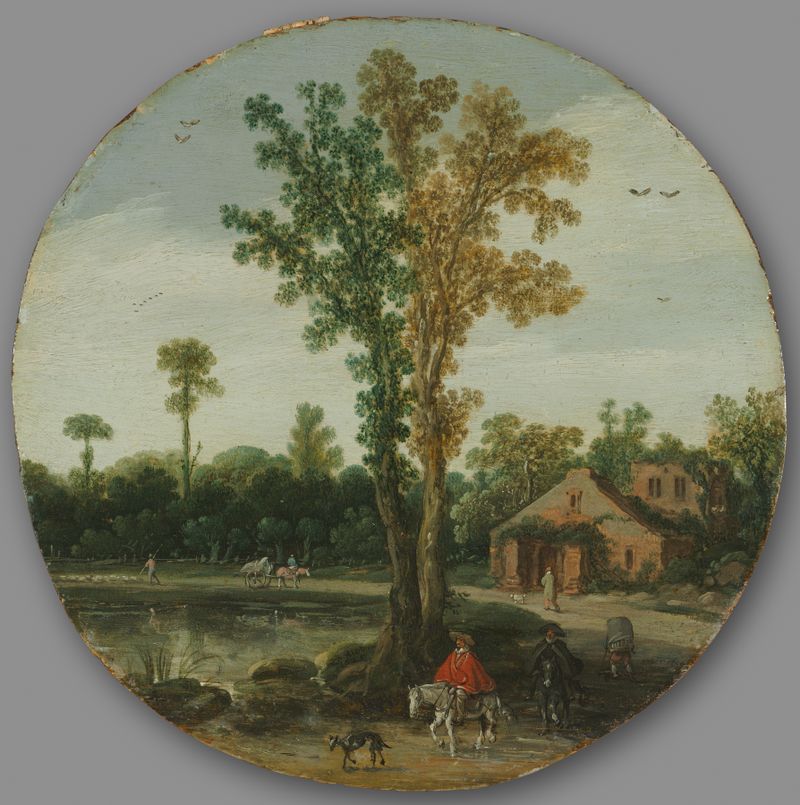
Travelers by a Lake
Esaias van de Velde





