
A Winter Landscape — History & Facts
Could beauty survive in a century of chaos? In A Winter Landscape, the answer glimmers softly amidst the white expanses and gentle hues. Here lies a dreamlike vision, a serene snapshot of nature that invites contemplation and solace, even in turbulent times. Look to the foreground where delicate brushstrokes shape the soft contours of snow-covered hills. The subtle shades of blue and gray blend seamlessly, creating a tranquil atmosphere that envelops the viewer.
Notice how the horizon melts into a muted palette, while the distant trees stand silhouetted against the pale sky, their limbs dusted with fresh snowfall. Peschka's mastery of light plays a crucial role in revealing the depth of winter, as soft beams peek through the clouds, casting a gentle glow over this idyllic scene. Beneath the serene surface, the artwork resonates with emotional tension. The starkness of winter symbolizes both isolation and peace, reflecting the dual nature of the human experience.
Each tree, sturdy yet vulnerable, embodies resilience in the face of harsh conditions. The untouched snow suggests purity, while the distant mountains evoke a sense of longing, hinting at the beauty found in both solitude and aspiration. In 1938, the artist was immersed in a world on the brink of upheaval amidst rising tensions in Europe. Living in Vienna, Peschka sought refuge in nature's landscapes, creating works that encapsulated fleeting beauty away from the chaos.
This painting emerged during a pivotal moment in his career, as he honed his style, blending impressionistic techniques with a personal vision, capturing the essence of a world yearning for peace.
More Artworks by Anton Emanuel Peschka
Browse all →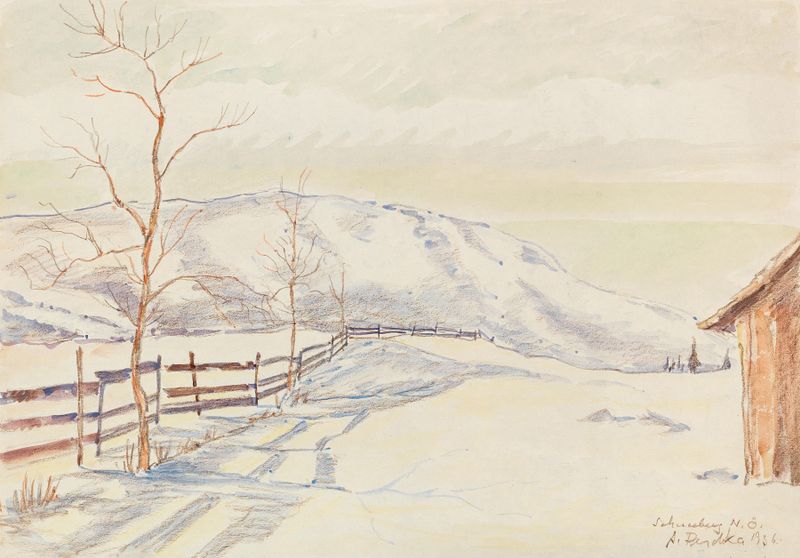
The Schneeberg Mountain in Lower Austria
Anton Emanuel Peschka
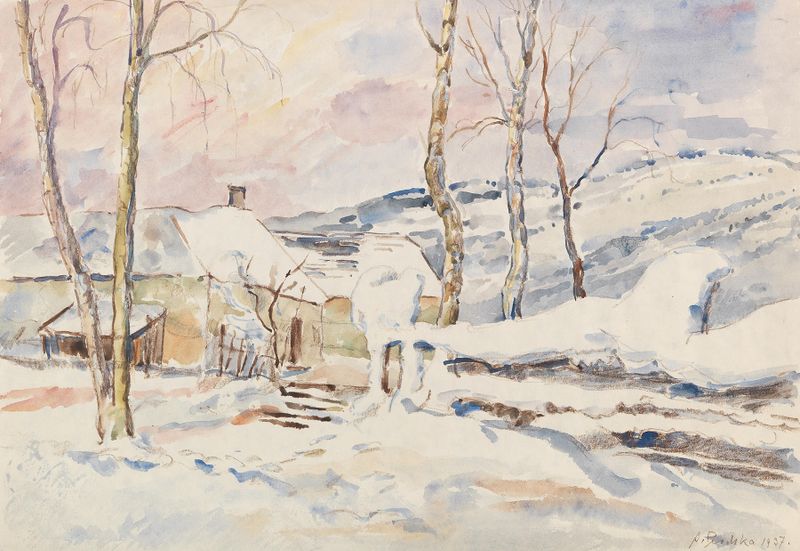
Winterplastiken am Weidezaun
Anton Emanuel Peschka
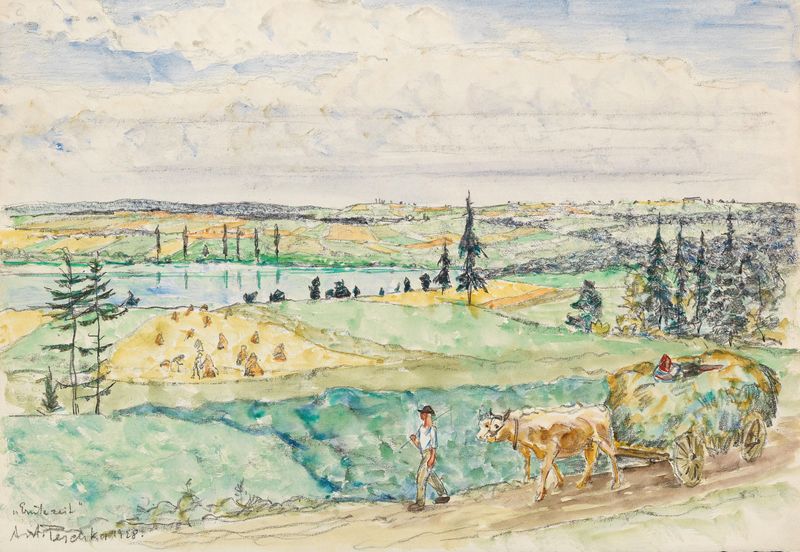
The Harvest
Anton Emanuel Peschka
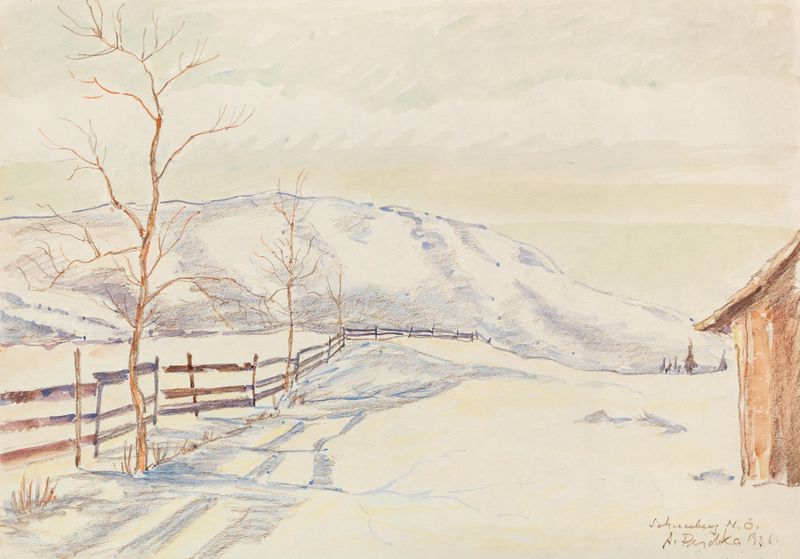
Schneeberg
Anton Emanuel Peschka
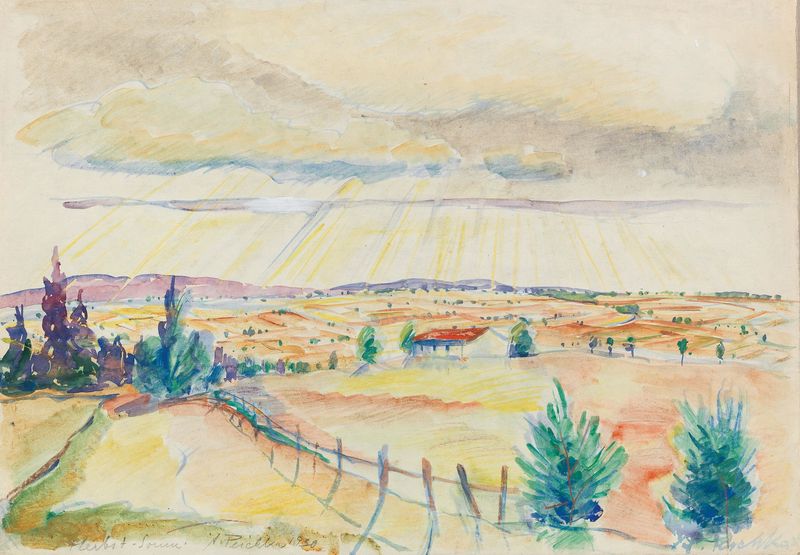
Herbstsonne
Anton Emanuel Peschka
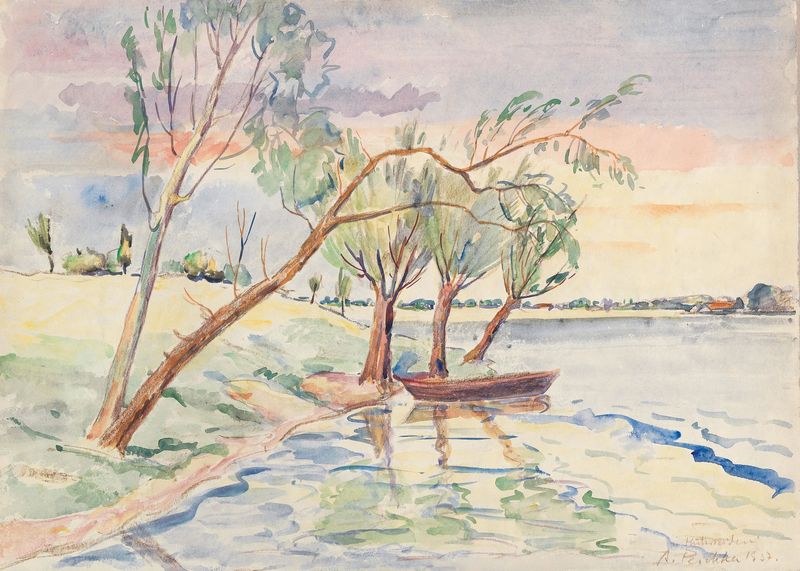
Hutweiden
Anton Emanuel Peschka
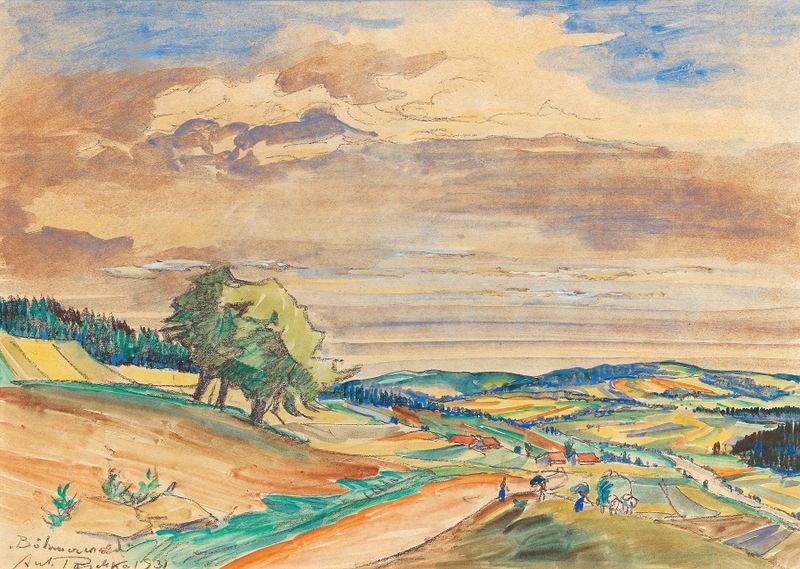
Böhmerwald
Anton Emanuel Peschka
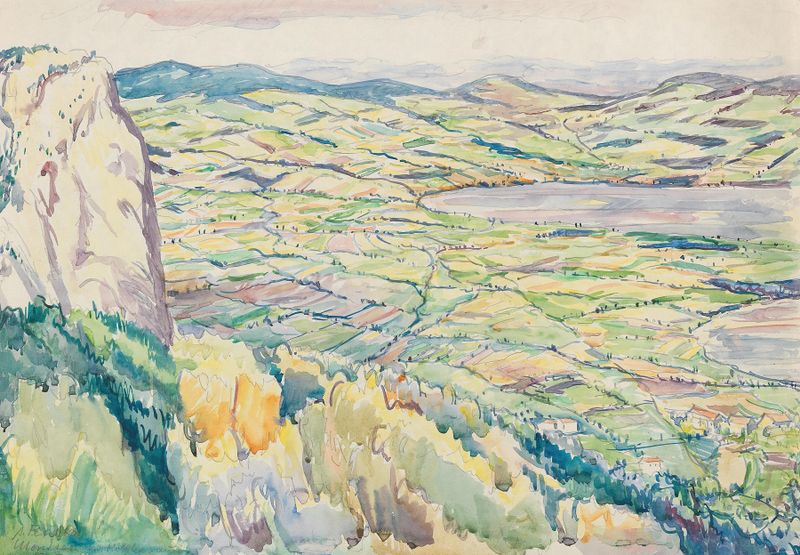
A view of Lake Mondsee from Höllkar
Anton Emanuel Peschka





