
The Harvest — History & Facts
What secret hides in the quiet of the canvas? In the stillness of The Harvest, a void beckons, urging the viewer to explore the layers of meaning tucked away in its frame. Look to the center of the composition, where muted earth tones intertwine, evoking the harvest's rhythmic cycle. The brushstrokes are soft yet deliberate, revealing the toil of the earth through fields of gold and green. Notice how the light dapples across the landscape, illuminating the laborers’ silhouettes, their forms almost ghostly against the vibrant backdrop.
The colors vibrate with life, revealing both the beauty and burdens of agricultural work. Yet beneath this serene exterior lies a palpable tension. The juxtaposition of warmth and chill in the palette reflects the duality of joy and struggle inherent in the harvest. Shadows elongate, hinting at the fleeting nature of time, while the distant horizon feels both inviting and unreachable.
Each element speaks to an emotional landscape where labor and love coexist, suggesting a deeper connection to nature—a reminder of existence amid the void of modernity. During the period Peschka created this work, likely in the early 20th century, he was navigating the evolving art world that increasingly embraced impressionistic techniques. Living in Austria, he was influenced by the tension between tradition and innovation, capturing the essence of rural life as society began to rapidly urbanize. This piece reflects not only the artist’s skill but also a poignant commentary on the relationship between humanity and the land.
More Artworks by Anton Emanuel Peschka
Browse all →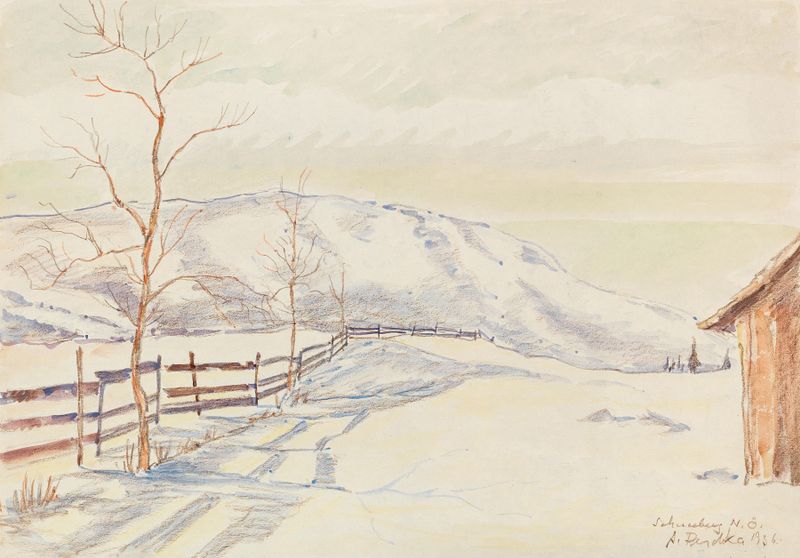
The Schneeberg Mountain in Lower Austria
Anton Emanuel Peschka
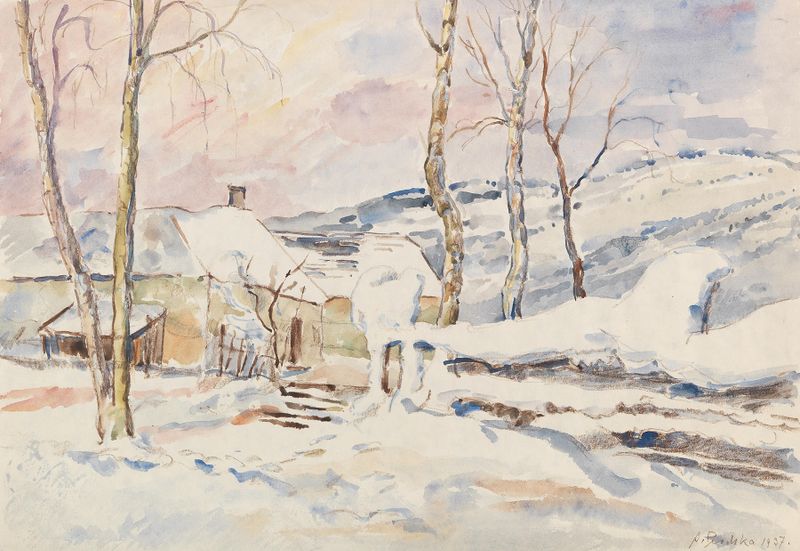
Winterplastiken am Weidezaun
Anton Emanuel Peschka
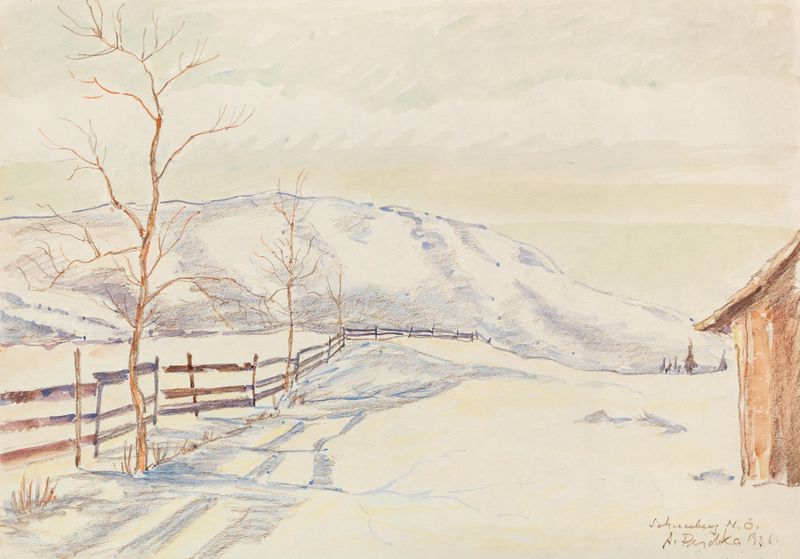
Schneeberg
Anton Emanuel Peschka
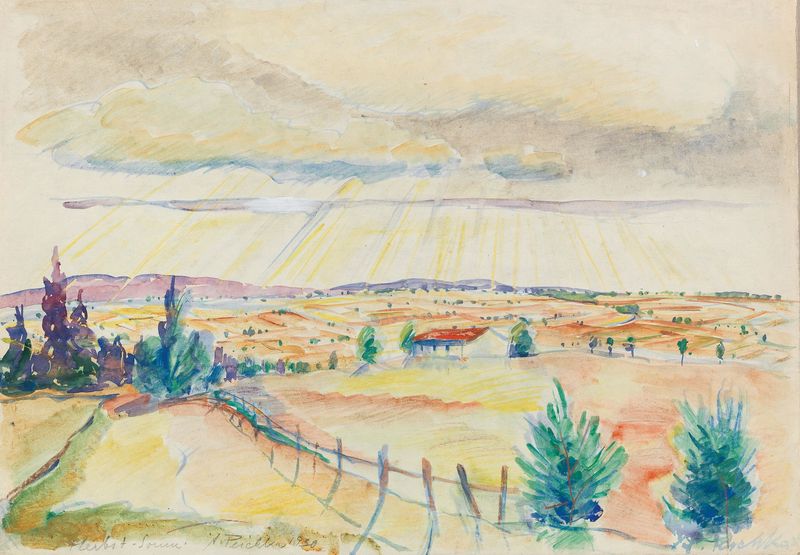
Herbstsonne
Anton Emanuel Peschka
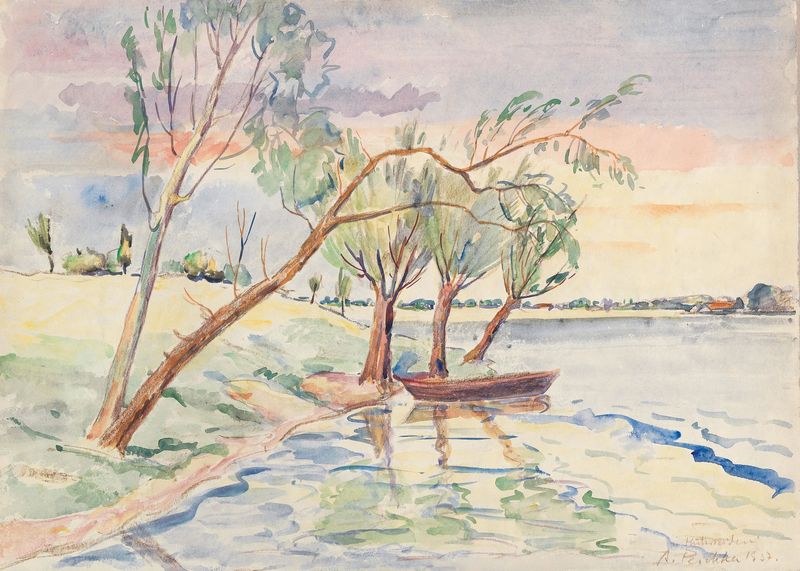
Hutweiden
Anton Emanuel Peschka
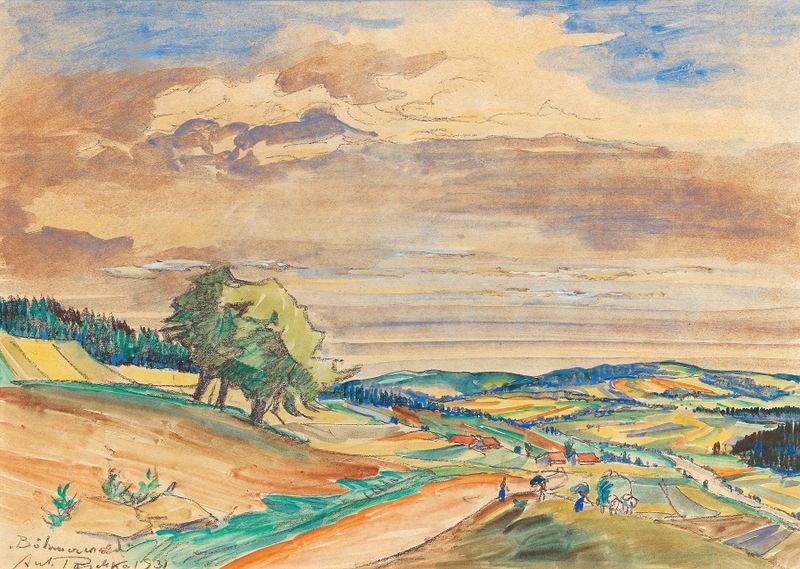
Böhmerwald
Anton Emanuel Peschka
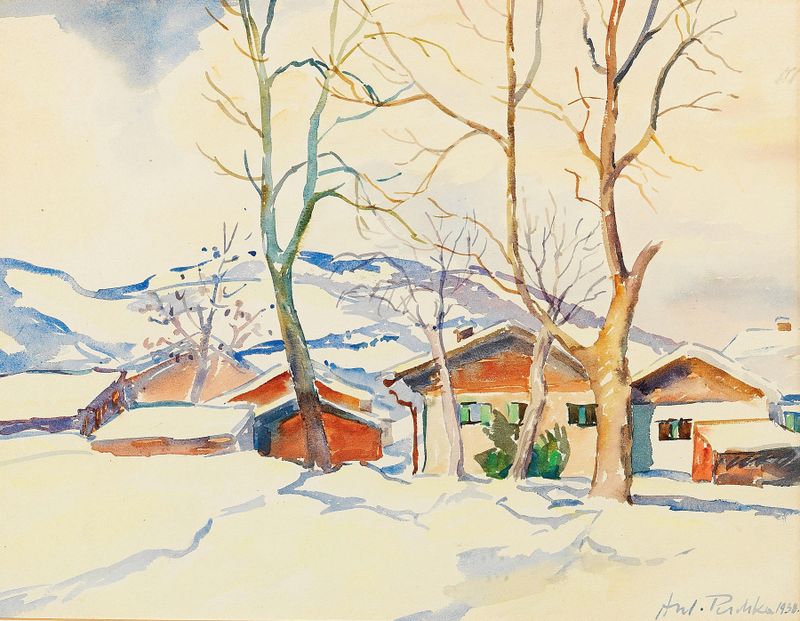
A Winter Landscape
Anton Emanuel Peschka
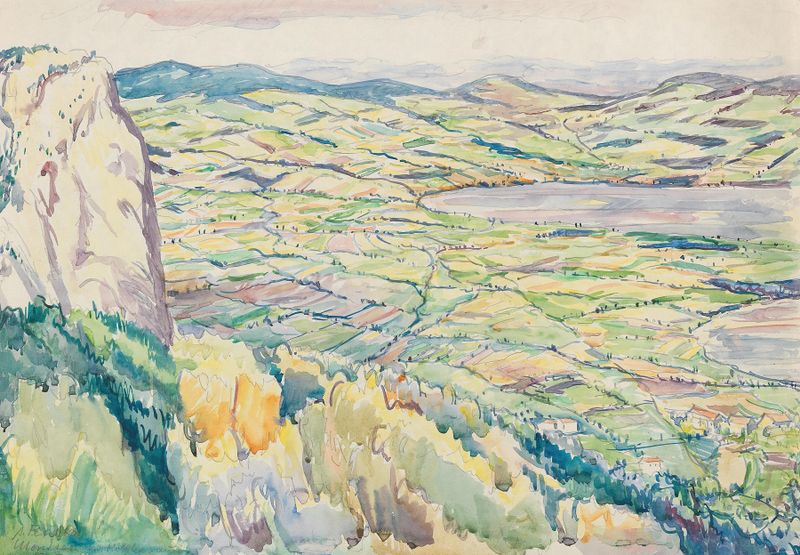
A view of Lake Mondsee from Höllkar
Anton Emanuel Peschka





