
Herbstsonne — History & Facts
Could beauty survive in a century of chaos? In a world riddled with turmoil, Herbstsonne captures an essence of tranquility that feels almost revolutionary. Look to the center of the canvas, where golden rays of autumn sunlight spill over a serene landscape. The rich, golden hues contrast with the deep blues and purples of the encroaching shadows, guiding your eye toward the gentle undulation of rolling hills. The brushwork is confident yet tender, as if each stroke is a loving caress of the earth itself, inviting you to lose yourself in the softness of the scene. Hidden within the vibrant colors and light lies a poignant tension.
The juxtaposition of warmth against the impending chill of autumn suggests an ephemeral beauty, one that could vanish at any moment. Each blade of grass, kissed by sunlight, holds a whisper of hope amidst the inevitable change of seasons—a metaphor for resilience in the face of adversity. The harmony in the composition reflects an idyllic moment, while the hints of darkness remind us of life's transient nature. Anton Emanuel Peschka created Herbstsonne during an uncertain time in his life, likely in the early 20th century, amid shifting artistic movements.
As Europe was grappling with profound social and political changes, artists sought refuge in natural beauty and emotional expression. Peschka's work emerged as a response to the chaos around him, reaffirming the enduring power of art to capture profound beauty amidst the storm.
More Artworks by Anton Emanuel Peschka
Browse all →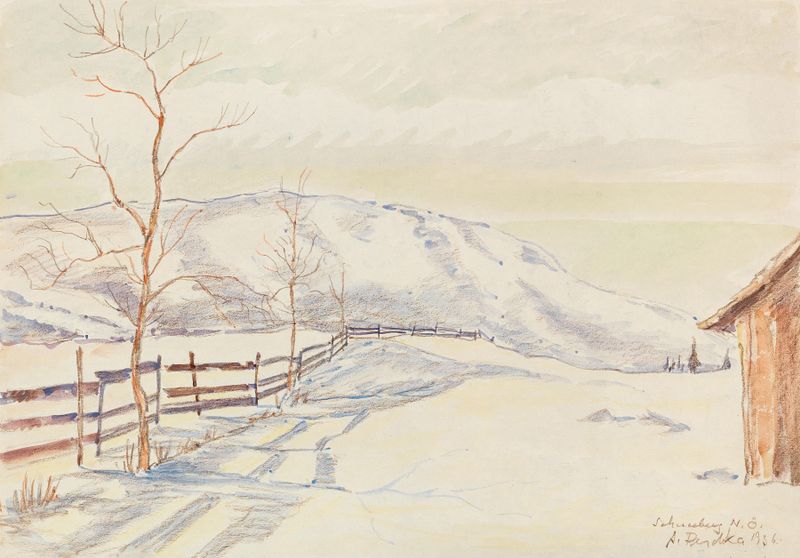
The Schneeberg Mountain in Lower Austria
Anton Emanuel Peschka
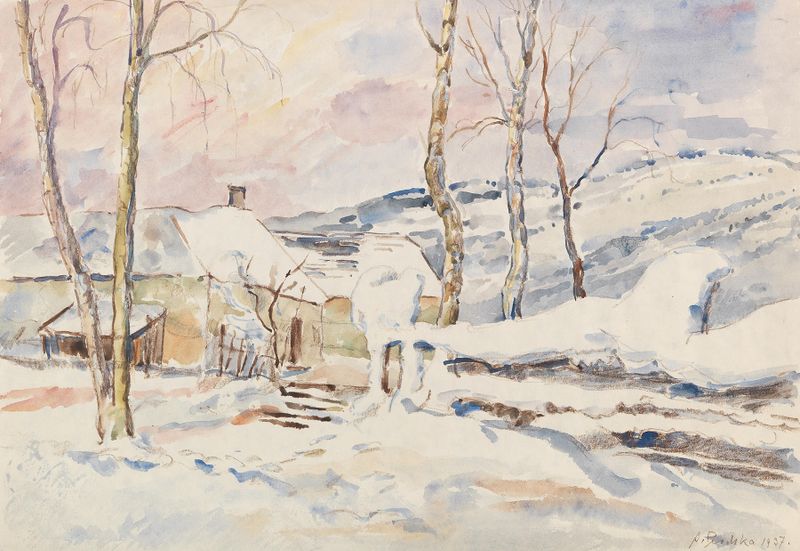
Winterplastiken am Weidezaun
Anton Emanuel Peschka
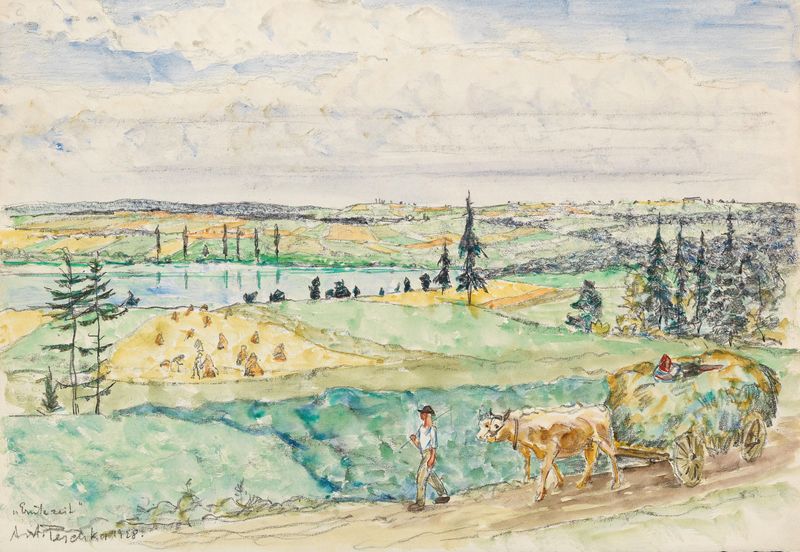
The Harvest
Anton Emanuel Peschka
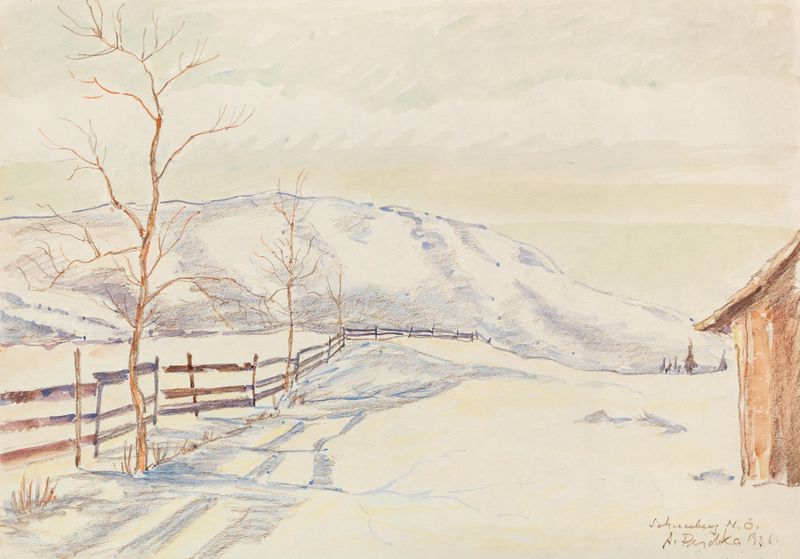
Schneeberg
Anton Emanuel Peschka
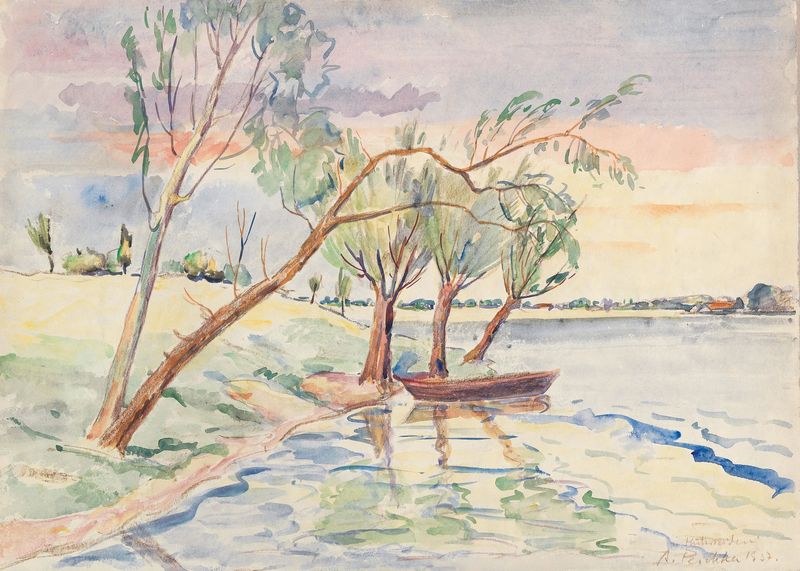
Hutweiden
Anton Emanuel Peschka
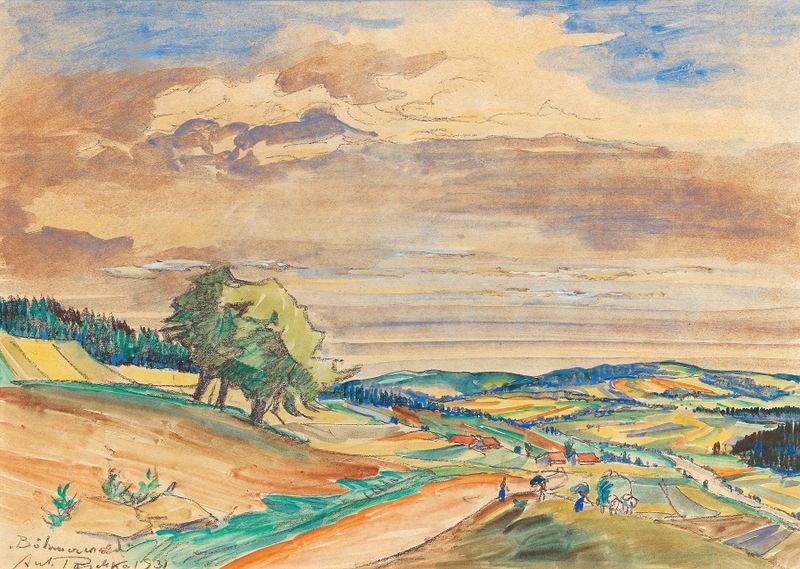
Böhmerwald
Anton Emanuel Peschka
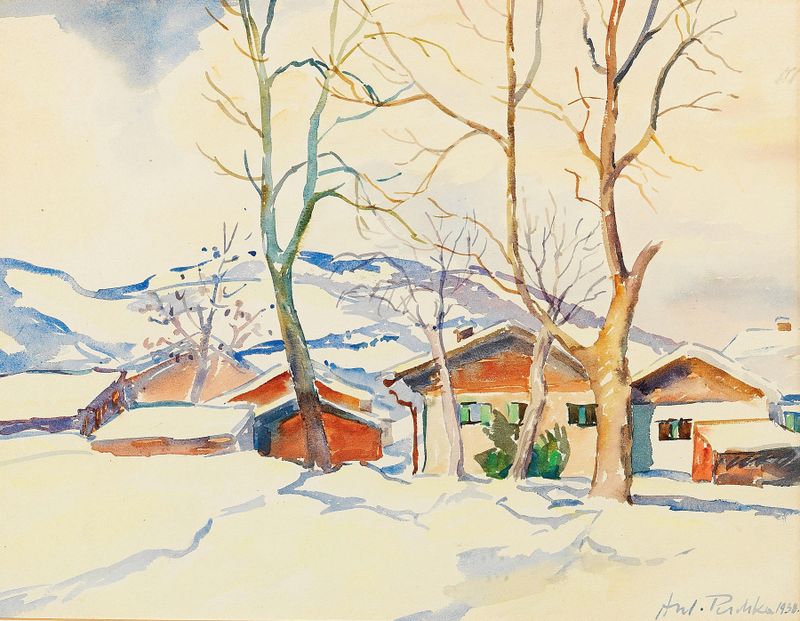
A Winter Landscape
Anton Emanuel Peschka
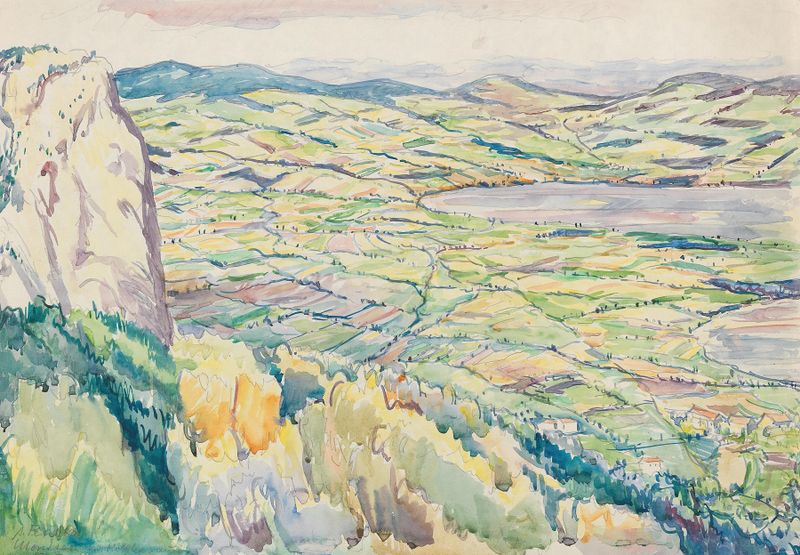
A view of Lake Mondsee from Höllkar
Anton Emanuel Peschka





