
Schneeberg — History & Facts
The delicate interplay between innocence and experience shapes our understanding of the world. Look to the bottom of the canvas, where soft greens and browns cradle a radiant burst of light. The shimmering peaks of Schneeberg rise majestically, almost protectively, against a backdrop of pristine blue. Notice how the artist’s brushwork creates a gentle rhythm, inviting the viewer’s gaze to dance across the landscape; the strokes are both precise and flowing, evoking a sense of tranquil harmony.
The colors, vibrant yet soothing, resonate with a deep emotional undercurrent, suggesting that beneath this serene surface lies a world fraught with complexity. In the soft edges of the mountains, one can sense a juxtaposition of innocence and the weight of unfulfilled dreams. The luminous snow caps appear inviting, yet they harbor an unspoken story of trials endured by those who venture into their depths. Each crease and shadow hints at a deeper history, as if the land itself carries the burdens of those who once roamed it, echoing their triumphs and sorrows.
This contrast between the alluring beauty and latent peril encapsulates the bittersweet nature of existence, where moments of peace are often shadowed by a history of struggle. During the early 20th century, Peschka painted Schneeberg while immersed in the vibrant art scene of Vienna. This period was marked by a fascination with landscape painting and a renewed interest in capturing emotional depth. The artist, influenced by the burgeoning expressionist movement, sought to convey not just the physical beauty of nature but also the inner landscapes of the human experience.
More Artworks by Anton Emanuel Peschka
Browse all →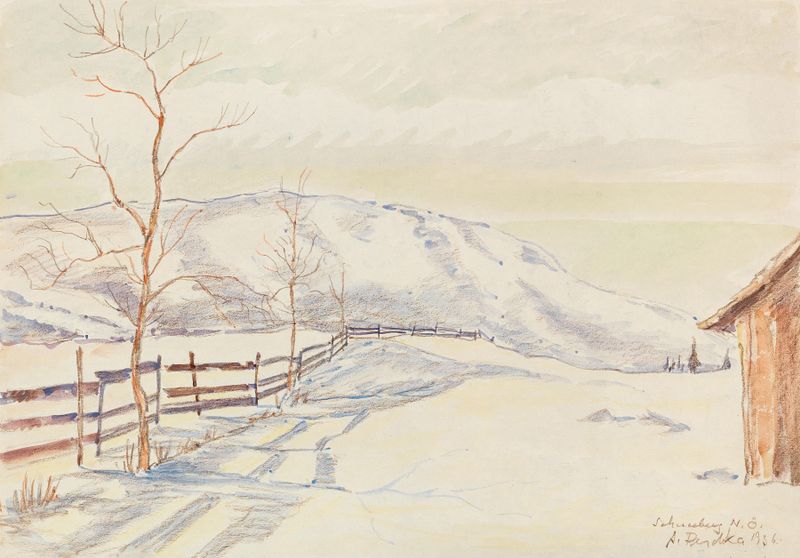
The Schneeberg Mountain in Lower Austria
Anton Emanuel Peschka
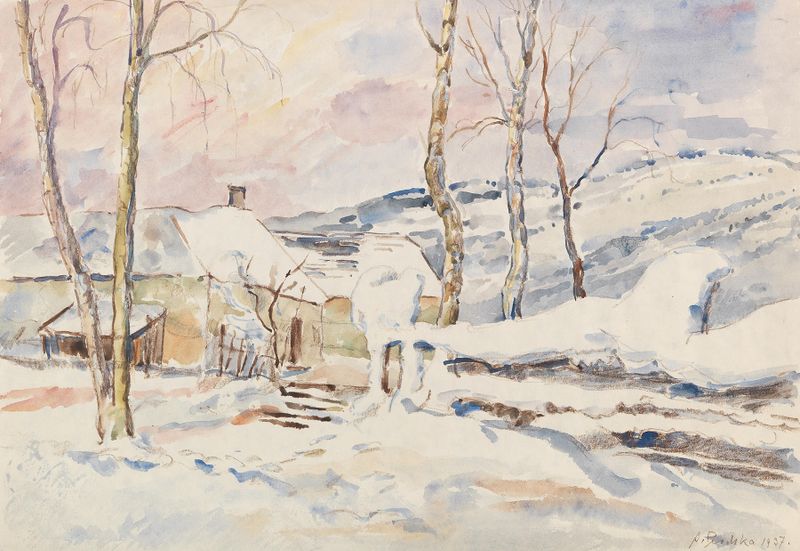
Winterplastiken am Weidezaun
Anton Emanuel Peschka
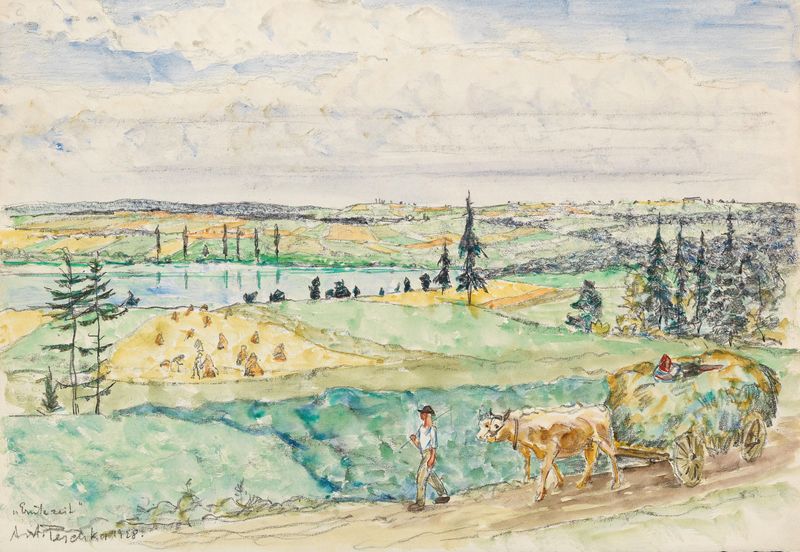
The Harvest
Anton Emanuel Peschka
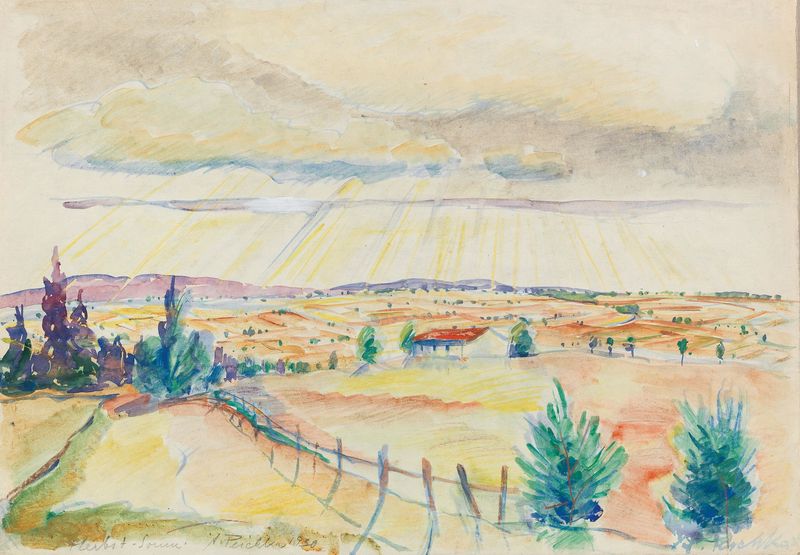
Herbstsonne
Anton Emanuel Peschka
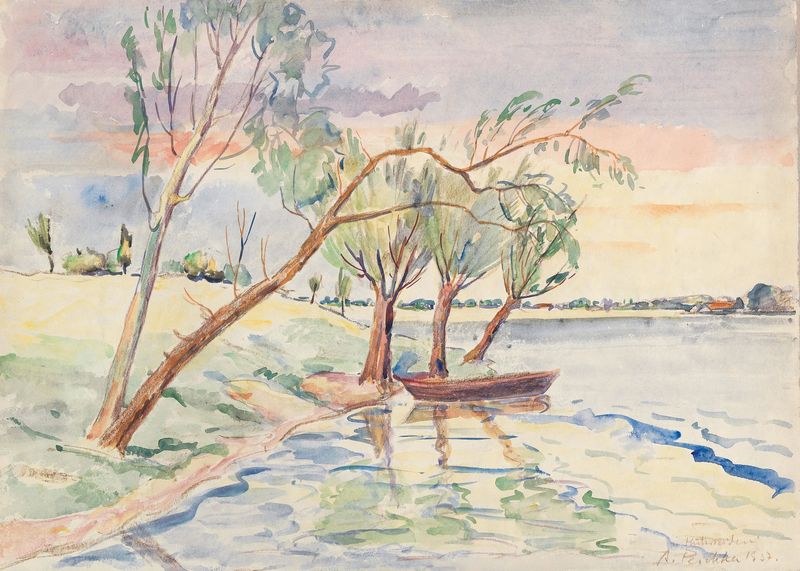
Hutweiden
Anton Emanuel Peschka
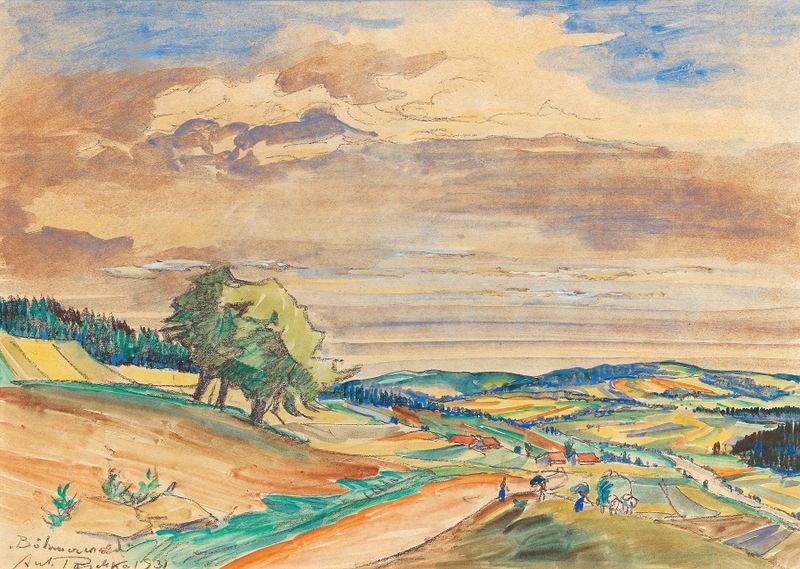
Böhmerwald
Anton Emanuel Peschka
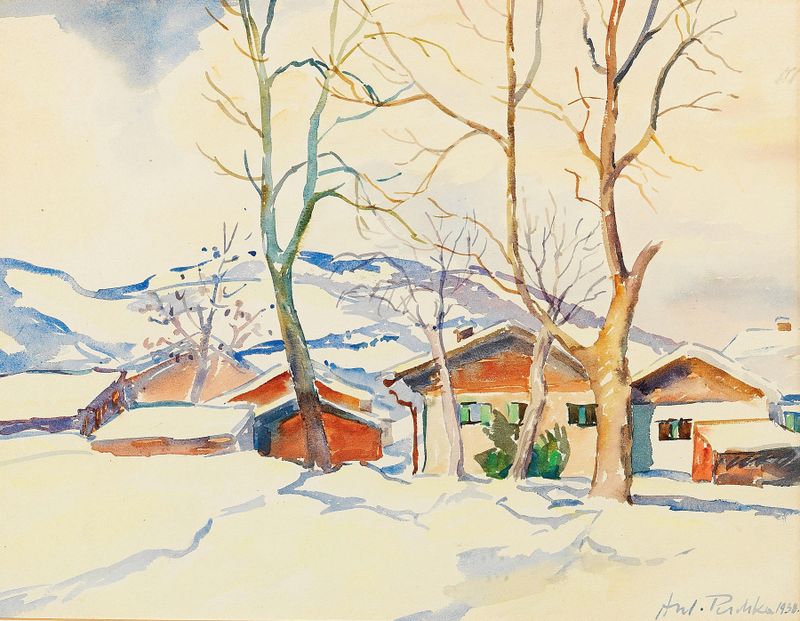
A Winter Landscape
Anton Emanuel Peschka
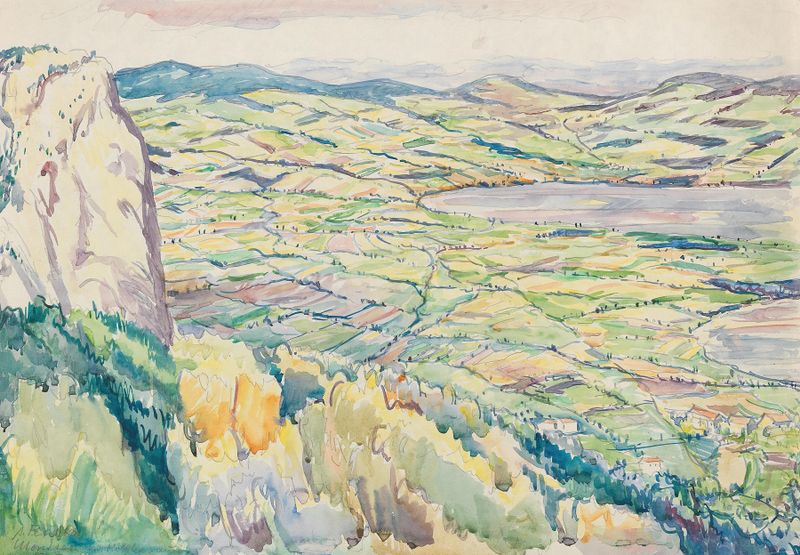
A view of Lake Mondsee from Höllkar
Anton Emanuel Peschka





