A Winter’s Day — History & Facts
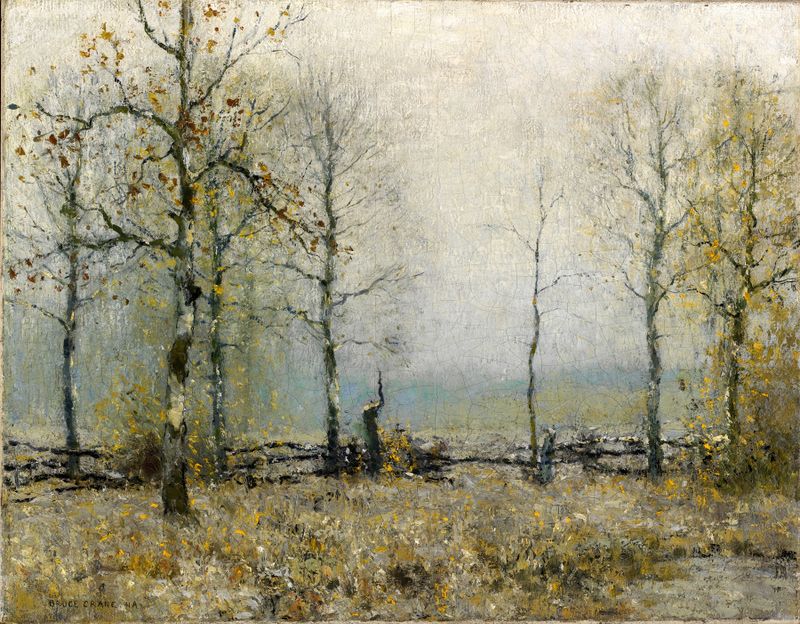
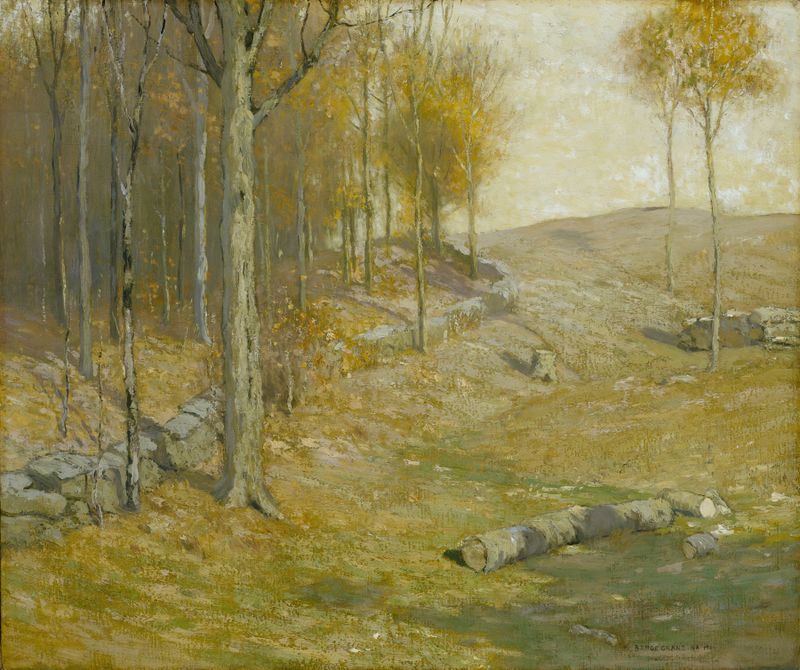
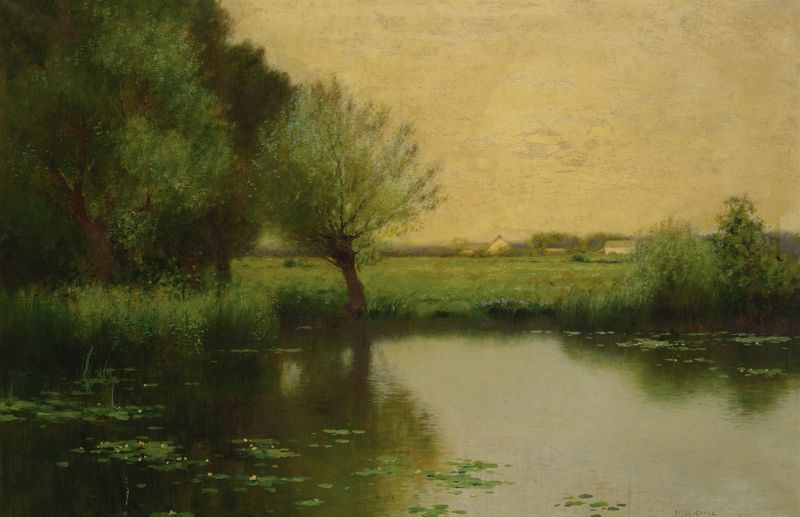
Each stroke invites the soul to wander amidst the stillness, where the cold whispers of winter echo through the landscape. Focus on the delicate interplay of frozen foliage and soft light. Look closely at the crisp whites and pale blues that dominate the canvas, every brushstroke revealing the intricate patterns of frost. Notice how the muted colors enhance the sense of serenity, drawing your eye toward a quaint farmhouse, its chimney releasing a gentle plume of smoke against the backdrop of a pale sky.
The horizon merges seamlessly with the snow-covered ground, creating a tranquil yet expansive atmosphere. Hidden within this serene scene lies a narrative of resilience and solitude. The untouched snow symbolizes purity and the passage of time, while the solitary farmhouse suggests warmth amid the winter chill. Subtle contrasts emerge; the harshness of the cold is softened by the warmth emanating from the chimney.
Each element speaks to a world both beautiful and harsh, evoking a sense of quiet reflection in the viewer. In 1882, Bruce Crane painted this piece during a time when American art was shifting toward a profound appreciation of nature. Living in the Hudson River Valley, he absorbed the landscape's beauty, reflecting both his personal experiences and the broader movement of impressionism in the United States. His brushwork and attention to atmospheric effects reveal a deep connection to the environment, showcasing not just the season's chill but its inherent grace.